
As twilight descends across the vast and varied landscapes of Texas, an celestial spectacle awaits: a meteor shower. For stargazers and casual observers alike, the prospect of witnessing streaks of light paint the night sky is an enchanting one. But to truly maximize this experience, knowing the optimal viewing times and locations is paramount. This guide delves into the intricacies of tonight’s meteor shower in Texas, offering insights to transform a simple glance upwards into a memorable adventure.
The Lone Star State, with its expansive dark skies away from major urban centers, provides an exceptional canvas for astronomical events. Whether you’re nestled in the Big Bend National Park, a designated International Dark Sky Park, or simply find yourself in a less light-polluted area, the magic of meteors is within reach. This article aims to equip you with the knowledge to not only determine the best viewing hours but also to enhance your overall meteor-watching experience, making it a highlight of your Texas journey.
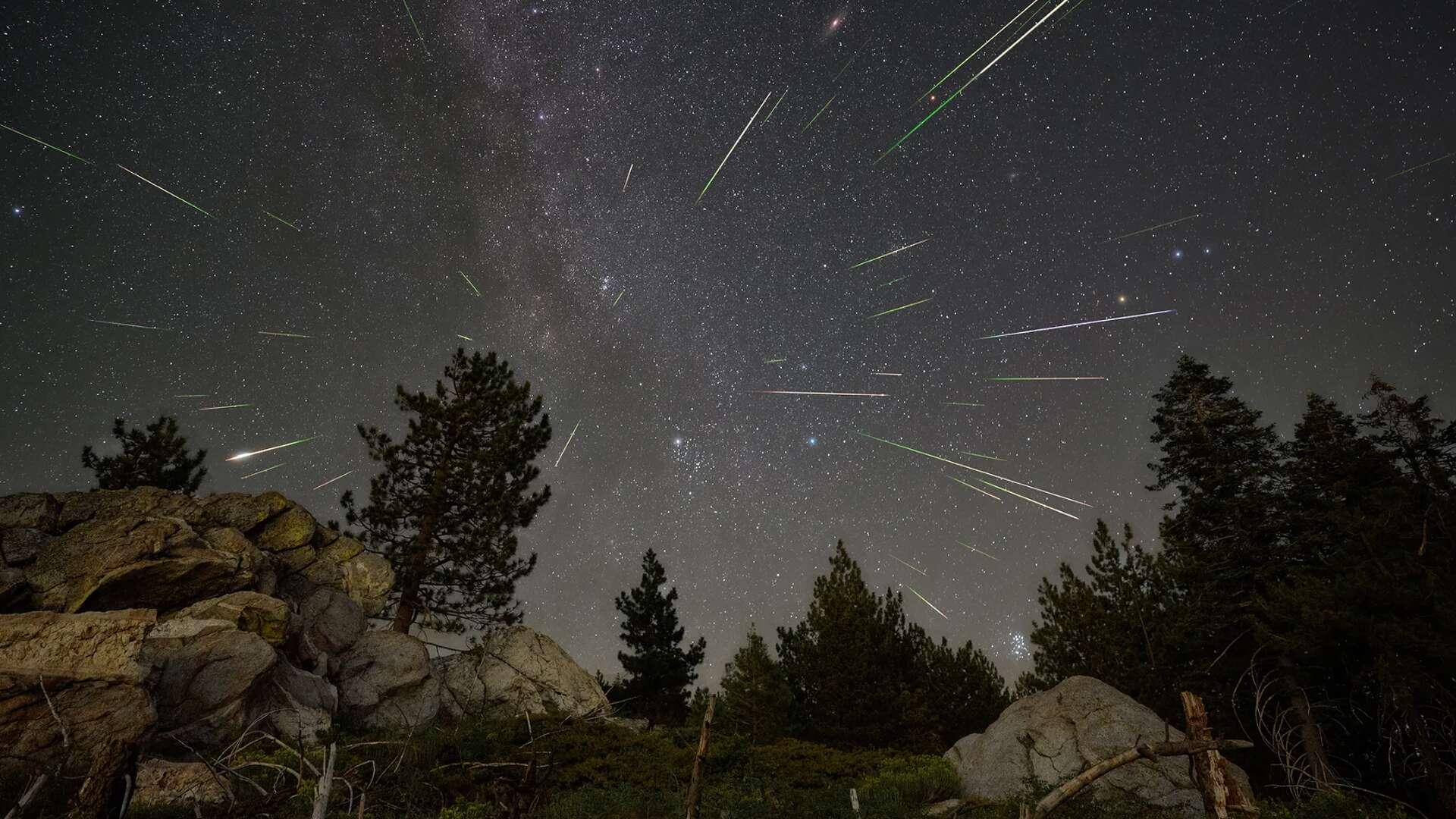
Understanding the Celestial Show: Timing and Visibility
The allure of a meteor shower lies in its transient beauty. Unlike the steady glow of stars or the predictable path of planets, meteors are fleeting visitors, appearing as sudden flashes of brilliance. To catch them, one must be prepared and informed.
Peak Activity and Optimal Viewing Hours
Meteor showers are not constant events; they have peaks, periods when the Earth passes through the densest part of a comet’s debris trail, leading to the highest number of visible meteors. For any given shower, astronomers predict these peak times with remarkable accuracy.
Tonight’s meteor shower, depending on its specific nature (e.g., the Perseids, Leonids, or Geminids), will have a designated peak. However, it’s crucial to understand that the hours leading up to dawn are generally considered the most favorable for viewing. This is because as the Earth rotates, our location on the planet moves into the “leading edge” of the debris stream. The radiant point of the shower – the point in the sky from which the meteors appear to originate – also climbs higher in the sky as the night progresses, often reaching its zenith around pre-dawn hours.
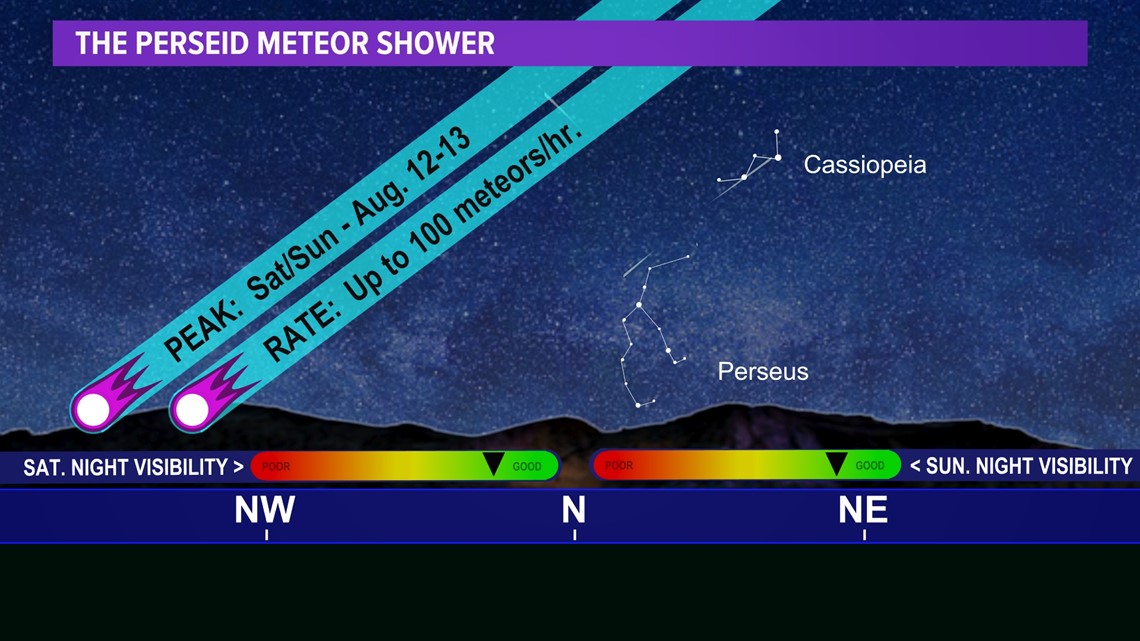
For Texas, this means that while you might catch a few stray meteors earlier in the evening, the real show is likely to unfold between midnight and the first light of dawn. The exact timing of peak activity will vary depending on the specific meteor shower. For instance, the Perseids, which peak in August, are known for their prolific display in the pre-dawn hours. Similarly, the Geminids, often considered one of the most reliable showers, also perform best in the darkness before sunrise.
Factors Influencing Visibility
Beyond the timing of the shower itself, several environmental factors significantly impact how many meteors you’ll see.
-
Moon Phase: The single biggest antagonist to meteor shower viewing is moonlight. A bright moon, especially one that is full or nearing fullness, can wash out fainter meteors. Conversely, a new moon or a crescent moon provides a dark backdrop that allows even subtle streaks of light to be visible. Checking the lunar phase for tonight is a critical step in planning your viewing. If the moon is bright, consider finding locations with natural light obstructions or aiming your view away from the moon itself, although this limits the overall sky.
-
Light Pollution: Urban areas are notorious for light pollution, which drastically reduces visibility of celestial objects. The bright lights of cities like Dallas, Houston, San Antonio, or Austin create a pervasive glow that obscures fainter meteors. To truly appreciate a meteor shower, venturing away from these light-polluted zones is essential. Texas offers numerous opportunities for this, with vast stretches of rural and undeveloped land.
-
Weather Conditions: Clear skies are, of course, non-negotiable. Clouds act as an opaque curtain, blocking your view of the cosmos. Checking the weather forecast for your chosen Texas viewing spot is as important as knowing the shower’s timing. Fog, haze, and even significant atmospheric moisture can also diminish the clarity of the night sky.
Strategic Viewing: Where and How to Best Experience the Shower
Knowing when the meteors will be most active is only half the battle. Where you choose to watch and how you set yourself up can dramatically enhance your experience. Texas provides a diverse range of environments, each with its own advantages.
Prime Locations for Meteor Gazing in Texas
The key to successful meteor watching is finding a location with minimal light pollution and an unobstructed view of the sky.
-
State and National Parks: Parks like Big Bend National Park, Davis Mountains State Park, and Fort Davis National Historic Site are renowned for their exceptionally dark skies. Big Bend National Park, in particular, holds the prestigious designation of an International Dark Sky Park, offering unparalleled stargazing opportunities. These parks often have designated areas or viewpoints perfect for astronomy.
-
Rural Areas and Far West Texas: The vast expanses of rural Texas, especially in the western and southwestern parts of the state, offer some of the darkest skies available. Areas around towns like Marfa, Alpine, and Fort Stockton provide a reprieve from city lights. These locations are often popular for astronomy enthusiasts and offer a profound sense of solitude and immersion in nature.
-
Lakes and Reservoirs: Large bodies of water, such as Lake Buchanan or Lake Travis, when situated away from major urban centers, can offer relatively dark skies. The open water provides an unobstructed view, and the reflective surface can sometimes add to the ethereal atmosphere.
-
Designated Dark Sky Friendly Communities: Some smaller towns in Texas are actively working to reduce light pollution and embrace their dark skies. Exploring these communities might lead you to ideal, less crowded viewing spots.
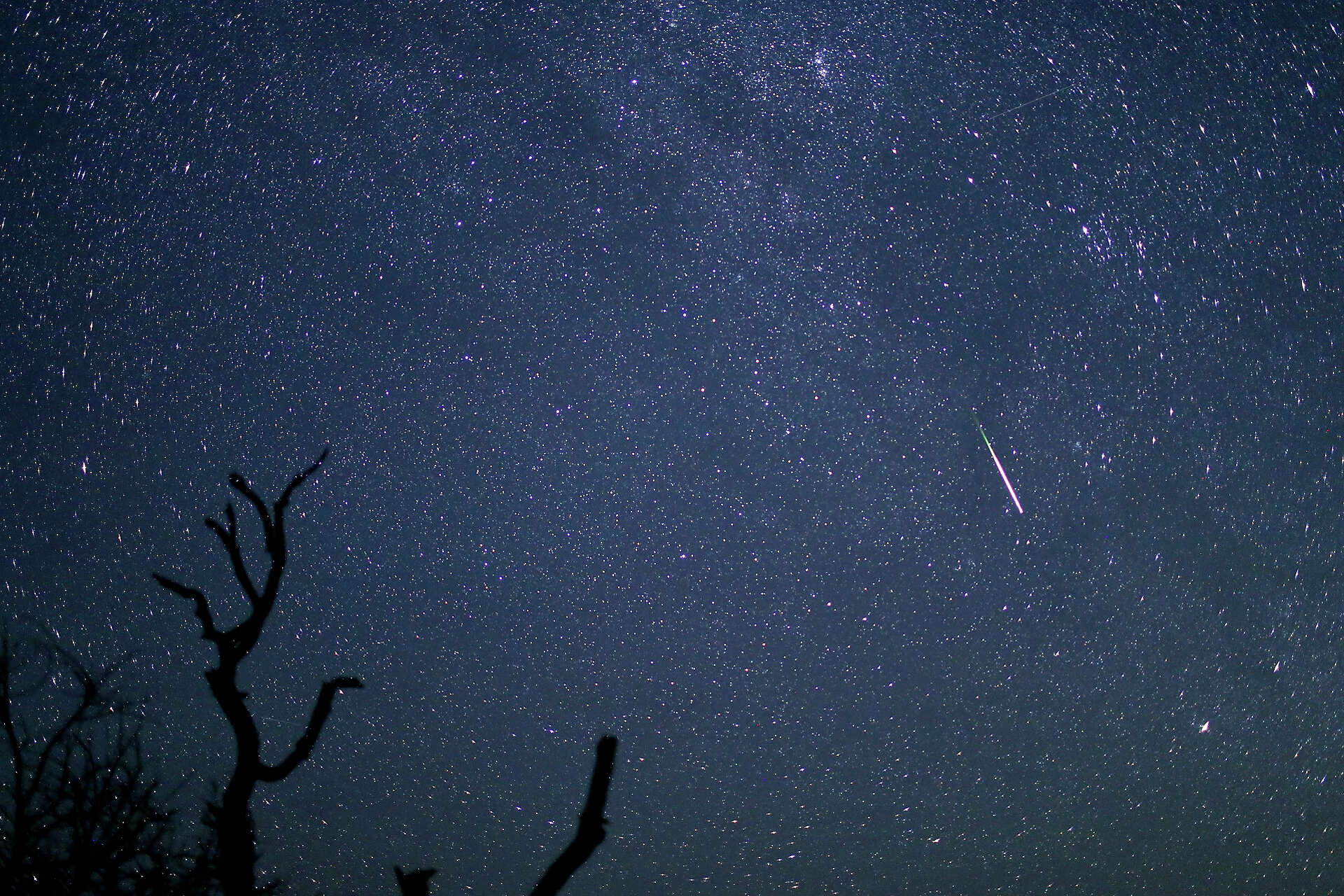
When selecting a location, consider the accessibility and safety of the area at night. Researching specific viewpoints within parks or remote areas beforehand is advisable.
Creating the Perfect Viewing Environment
Once you’ve chosen your location, setting yourself up for comfort and optimal viewing is key.
-
Comfort is Crucial: Meteor showers can last for hours. Bring comfortable seating, such as camping chairs or blankets, to recline on. A reclining chair is ideal, allowing you to look upwards without straining your neck.
-
Warmth and Layers: Even on warm Texas summer nights, temperatures can drop after dark. Dressing in layers is a sensible approach to stay comfortable throughout the viewing period. A light jacket or sweater is often a good idea.
-
Minimize Artificial Light: Once your eyes have adjusted to the darkness (which takes about 20-30 minutes), any sudden bright light can ruin your night vision. Avoid using flashlights or phone screens unless absolutely necessary. If you need a light source, opt for a red-light flashlight, as red light has less impact on night vision.
-
Snacks and Beverages: Staying hydrated and having some light snacks can make a long night of stargazing more enjoyable.
-
Patience is a Virtue: Meteor showers are unpredictable. Some periods may be slow, with only a few meteors visible per hour, while others can be surprisingly active. The key is to be patient and allow your eyes to adapt to the darkness. The longer you watch, the more likely you are to witness a spectacular display.
Beyond the Stars: Enhancing Your Texas Night Sky Experience
Witnessing a meteor shower is a profound connection to the cosmos, but the Texas landscape itself can add layers of beauty and wonder to the experience. Integrating your stargazing with other aspects of Texas travel can create a truly unforgettable trip.
Integrating Stargazing with Texas Travel
Consider how the meteor shower can be woven into a broader Texas adventure.
-
Camping and Overnight Stays: The most immersive way to experience a meteor shower is by camping or staying overnight in a cabin or hotel located in a prime viewing area. Many Texas state parks offer camping facilities. For those seeking more comfort, consider boutique hotels or resorts in the vicinity of dark sky locations. For example, staying at a hotel near Big Bend National Park or in a charming West Texas town allows for an evening of stargazing followed by a comfortable night’s rest.
-
Road Trips and Scenic Drives: Planning a road trip through the less populated regions of Texas can lead you to ideal viewing spots. The journey itself can be as rewarding as the destination, with opportunities to discover hidden gems and scenic vistas. Think about driving through the Texas Hill Country or the vast plains of West Texas after dark.
-
Local Culture and Astronomy Events: Inquire about any local astronomy clubs or community events organized around meteor showers. Sometimes, local observatories or science centers host special viewing parties, offering expert guidance and telescopes. These events can provide a more structured and informative way to enjoy the celestial event.
Practical Tips for a Successful Viewing
To ensure your meteor shower experience is smooth and enjoyable, keep these practical tips in mind:
-
Know Which Shower You’re Watching: While this article addresses “tonight’s” meteor shower, different showers have different peak times and radiant points. Knowing the name of the shower (e.g., Quadrantids, Lyrids, Aquarids, Orionids, Leonids, Geminids, Ursids) will help you find more specific information about its characteristics.
-
Use a Sky Map App: Smartphone apps like SkyView, Star Walk, or Stellarium can be invaluable. They use your phone’s GPS and compass to identify constellations, planets, and even the radiant point of the meteor shower, helping you orient yourself in the night sky.
-
Bring Binoculars or a Telescope (Optional): While meteors are best viewed with the naked eye to capture their wide streaks across the sky, binoculars or a telescope can be used to explore other celestial objects in the vastness of the Texas night. This can be a wonderful way to extend your stargazing session.
-
Document Your Experience (Safely): If you’re inclined to photograph the meteor shower, ensure your camera settings are adjusted for low light and use a tripod. However, be mindful of using camera screens or flashlights, which can disrupt your and others’ night vision.
By combining the thrill of a celestial event with the unique charm and expansive beauty of Texas, you’re poised for an extraordinary experience. Whether you’re a seasoned astronomer or simply seeking a moment of wonder, the night sky above Texas promises a breathtaking display. Remember to check the local weather, find a dark spot, get comfortable, and let the cosmic fireworks begin.
LifeOutOfTheBox is a participant in the Amazon Services LLC Associates Program, an affiliate advertising program designed to provide a means for sites to earn advertising fees by advertising and linking to Amazon.com. Amazon, the Amazon logo, AmazonSupply, and the AmazonSupply logo are trademarks of Amazon.com, Inc. or its affiliates. As an Amazon Associate we earn affiliate commissions from qualifying purchases.