
Texas, a state renowned for its vast landscapes, vibrant culture, and legendary hospitality, also harbors a less celebrated aspect: its potent allergy season. For many, a trip to the Lone Star State can be a delightful experience, but for those susceptible to airborne irritants, understanding the nuances of Texas’s allergy calendar is crucial for a comfortable and enjoyable visit. From the rolling hills of the Texas Hill Country to the bustling metropolises like Dallas and Houston, allergens are a constant presence, dictated by a complex interplay of climate, geography, and flora.
The unique environmental conditions of Texas contribute significantly to its challenging allergy seasons. The state boasts a diverse range of ecosystems, from the piney woods of East Texas to the arid West Texas desert, each harboring its own distinct pollen-producing plants. Furthermore, the sheer size of Texas means that allergy patterns can vary considerably from one region to another. What might be peak season in North Texas could be winding down in South Texas, and vice versa. This variability makes a one-size-fits-all approach to allergy management insufficient.
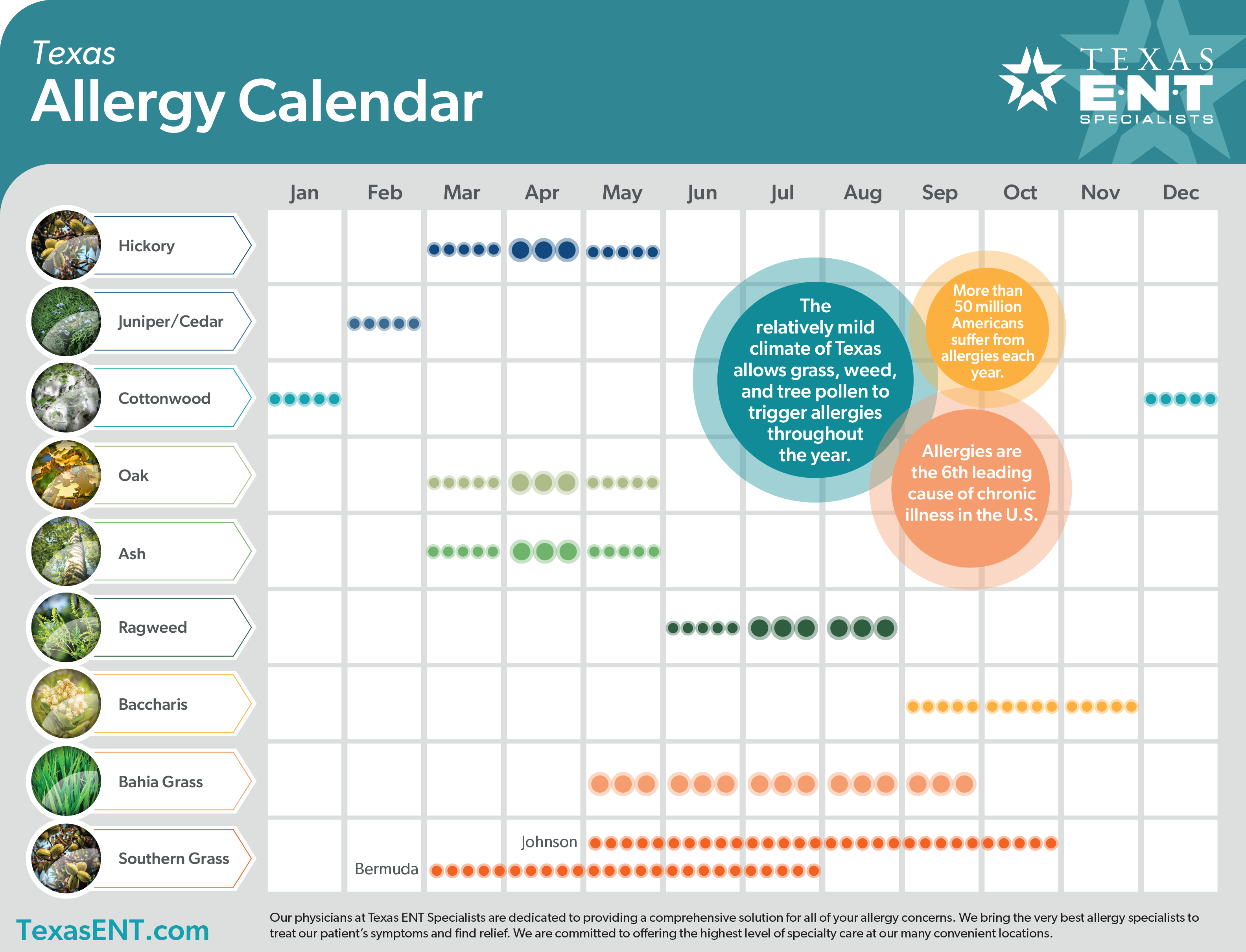
Understanding the Texas Allergy Calendar
Texas allergy season is not a monolithic entity but rather a series of distinct periods, each characterized by different primary culprits. Generally, the allergy year can be broken down into three main phases: spring, summer, and fall, with some overlap and lingering irritants extending into winter in milder climates.
Spring: The Pollen Explosion
Spring in Texas is a spectacle of renewal and growth, and unfortunately, for allergy sufferers, this also means an explosion of tree and grass pollen. As temperatures begin to rise after the cooler winter months, trees are the first to release their allergenic bounty.
Early Spring (February – April): Tree Pollen Dominance
Beginning as early as February in some parts of the state, various trees start shedding their pollen. Oak trees, notorious for their high pollen counts, are a major offender across Texas. Other common culprits include pecan, elm, cedar (especially in Central Texas), ash, and birch trees. The sheer density of these trees, particularly in wooded areas and along riverbanks, means that pollen can quickly saturate the air. Regions like the Texas Hill Country and East Texas, with their abundant tree populations, often experience particularly high tree pollen levels during this period. Visitors planning to explore outdoor attractions like Big Bend National Park or enjoy activities around Lake Travis during early spring should be prepared.
Late Spring (April – June): Grass Pollen Takes Center Stage
As the tree pollen season begins to wane in late April and May, grass pollen takes over. Texas is home to a vast array of grasses, both native and introduced, that contribute to this mid-to-late spring allergy wave. Bermuda grass, rye grass, and Johnson grass are among the most common and allergenic. This is when outdoor activities like visiting a Texas Rangers baseball game at Globe Life Field or strolling through parks in cities like Austin can become challenging for those sensitive to grass pollen. The open plains and sprawling green spaces characteristic of much of Texas provide ample opportunity for grass pollen to become widespread.
Summer: Weed Pollen and Mold Spores
While many associate summer with heat and sunshine, it also brings its own set of allergy challenges, primarily from weed pollens and mold.
Summer Bloom (June – August): The Rise of Weed Pollen
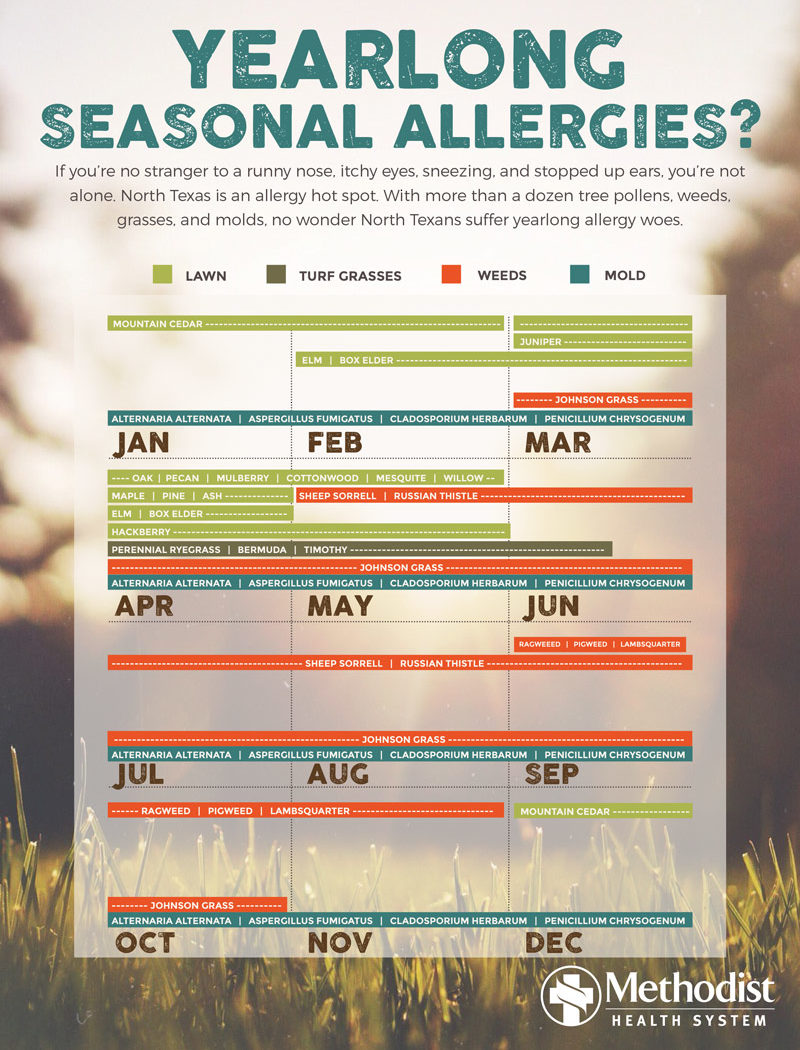
As temperatures soar and humidity levels often increase, certain weeds begin their reproductive cycles, releasing allergenic pollen. Ragweed, though often more associated with fall, can start its pollen production in late summer. Other common weed pollens include sagebrush, pigweed, and amaranth. These weeds are often found in uncultivated areas, along roadsides, and in disturbed soils, making them prevalent in both rural and urban environments. Tourists exploring the vast landscapes of West Texas or enjoying summer festivals in towns like San Antonio might encounter these seasonal irritants.
Lingering Mold and Early Fall Allergens
Beyond pollen, mold spores are a significant allergen throughout the warmer months. The combination of heat and humidity, especially in the more coastal regions of Texas like Galveston or areas with dense vegetation, can foster the growth of various molds, both indoors and outdoors. This can exacerbate allergy symptoms year-round but is particularly noticeable during the summer. In some instances, early fall allergens, like the beginning of ragweed season, can also start to appear towards the end of August.
Fall: The Reign of Ragweed and Mold
The autumn months in Texas are a beautiful time for travel, with cooler temperatures and vibrant foliage. However, this season is often considered one of the most challenging for allergy sufferers due to the dominance of ragweed and continued mold issues.
Peak Fall Allergens (September – November): Ragweed’s Dominance

Ragweed is a prolific allergen across much of North America, and Texas is no exception. Its pollen is notorious for its potency and ability to travel long distances on the wind. Peak ragweed season typically runs from late August through November, making fall a high-allergy period for many Texans and visitors. Areas with open fields and agricultural land, common throughout the state, are prime breeding grounds for ragweed. This means that even if you’re not directly in a field, pollen can drift into cities and towns. Planning a visit to a pumpkin patch or enjoying the fall colors in areas like the Texas Hill Country during this time requires diligence for allergy sufferers.
Continued Mold Presence
Mold spores remain a concern throughout the fall, especially in areas that experience significant rainfall. Damp conditions can encourage mold growth both indoors and outdoors, contributing to allergy symptoms.
Regional Variations in Texas Allergy Season
The sheer size and diverse climate of Texas lead to considerable regional variations in allergy seasons. Understanding these differences can help travelers tailor their plans and preparations.
East Texas: A Green Haven with Green Allergens
East Texas, with its lush pine forests and humid subtropical climate, experiences a robust allergy season dominated by tree pollen in the spring. Pine pollen is a significant factor, alongside oak and other deciduous trees. As spring progresses, grasses become more prevalent. The high humidity also contributes to a year-round presence of mold spores, making it a challenging region for those with multiple sensitivities.
Central Texas: The Hill Country’s Pollen Power
The Texas Hill Country, with its characteristic oak trees and abundant wildflowers, is beautiful but also a major allergen hotspot. Spring brings a potent mix of oak, cedar, and elm pollen, followed by grass pollen. The drier conditions in some parts of the Hill Country can sometimes reduce mold issues compared to East Texas, but pollen counts can be extremely high.
South Texas: A Longer Warm Season
South Texas enjoys a longer warm season, which can extend allergy seasons. While tree and grass pollens are still significant in spring, residents and visitors might experience lingering allergens later into the year. The proximity to the coast can also increase humidity and the presence of mold.
West Texas: Arid Air, Different Allergens
West Texas, characterized by its arid and semi-arid climate, presents a different allergy profile. While tree and grass pollens are present, weed pollens, particularly sagebrush and other desert varieties, often become more prominent. The dry air can sometimes mean less mold, but dust from arid conditions can also be an irritant for some.
Tips for Managing Allergy Season in Texas
Whether you’re planning a long stay in a vacation rental in the Texas Hill Country or a short trip to a luxury resort in Austin, managing allergy season in Texas requires proactive measures.
Before You Travel
- Consult Your Doctor: Before your trip, speak with your allergist. They can advise on appropriate medications, provide a personal action plan, and discuss the likelihood of encountering specific allergens based on the time of year and your destination.
- Research Your Destination: Understanding the specific allergy profile of the region you’ll be visiting can help you prepare.
- Pack Smart: Bring an ample supply of your prescribed allergy medications, including antihistamines, decongestants, nasal sprays, and eye drops. Consider over-the-counter options as well.
During Your Stay
- Monitor Pollen Counts: Utilize weather apps or local news forecasts to stay informed about daily pollen counts and types. This information can help you plan outdoor activities accordingly.
- Limit Outdoor Exposure: On days with high pollen counts, try to limit your time outdoors, especially during peak pollen hours (typically early morning for trees and grasses, and late afternoon for weeds).
- Keep Windows Closed: When staying in hotels, vacation homes, or apartments, keep windows and doors closed to prevent allergens from entering. Utilize air conditioning with HEPA filters if available. Consider booking accommodations with good air filtration systems.
- Cleanliness is Key: After spending time outdoors, shower and change your clothes to remove pollen and other allergens from your body and attire. Rinse your hair before going to bed.
- Consider Indoor Activities: Texas offers a wealth of indoor attractions, from museums and art galleries in Dallas to the Alamo in San Antonio. Plan some indoor excursions, especially during peak allergy days.
- Stay Hydrated: Drinking plenty of water can help thin mucus, making it easier to clear your nasal passages.
- Be Mindful of Food Allergies: While this article focuses on environmental allergies, remember that Texas is a culinary paradise. If you have food allergies, always inform restaurant staff and be cautious when trying new local dishes.
By understanding the seasonal patterns and taking appropriate precautions, allergy sufferers can still enjoy the diverse beauty and experiences that Texas has to offer, from its stunning natural landmarks to its vibrant city life and diverse culinary scene.
LifeOutOfTheBox is a participant in the Amazon Services LLC Associates Program, an affiliate advertising program designed to provide a means for sites to earn advertising fees by advertising and linking to Amazon.com. Amazon, the Amazon logo, AmazonSupply, and the AmazonSupply logo are trademarks of Amazon.com, Inc. or its affiliates. As an Amazon Associate we earn affiliate commissions from qualifying purchases.