
The allure of freshly boiled crawfish, seasoned to perfection and enjoyed with a cold beverage, is a cornerstone of Texas culinary tradition, particularly during the spring months. For many, the question of “When is Texas Crawfish Season?” isn’t just about satisfying a craving; it’s about planning a quintessential Texas experience. This beloved crustacean plays a significant role in the local tourism and food scene, drawing both residents and visitors to its festive gatherings. Understanding the seasonality of crawfish is key to unlocking the most authentic and flavorful experiences the Lone Star State has to offer.
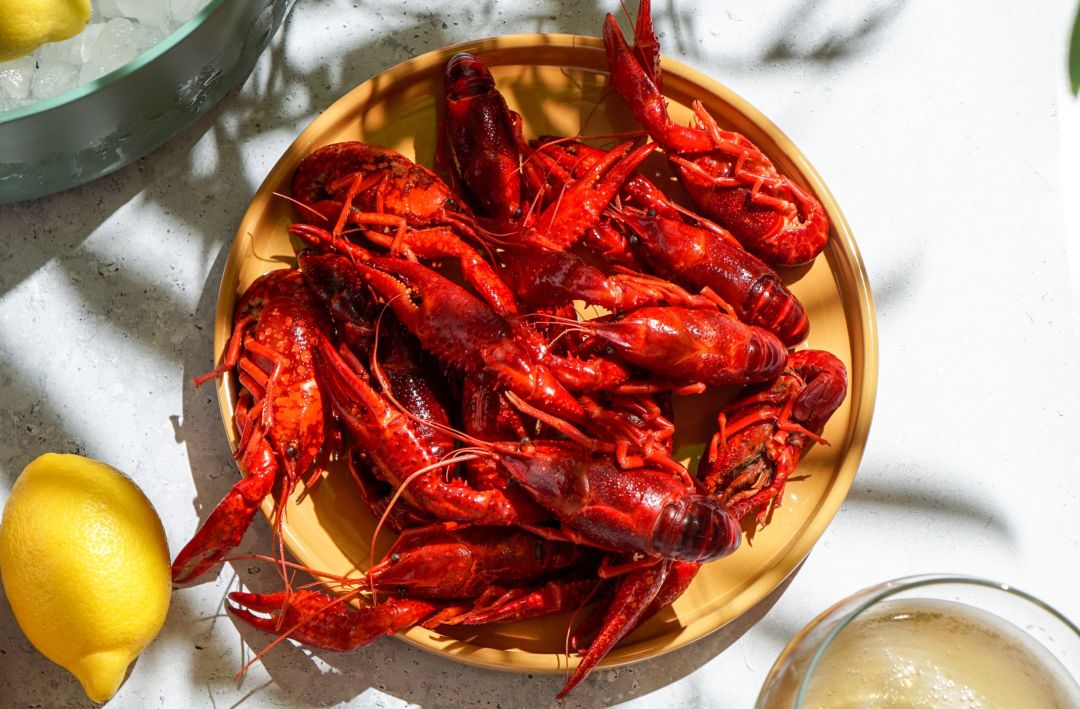
The timing of crawfish season is influenced by a confluence of environmental factors, primarily water temperatures and rainfall. Unlike their northern cousins, Louisiana crawfish, which have a more defined peak, Texas crawfish populations are more spread out and can be influenced by the diverse microclimates across the state. This means that while there’s a general window for peak availability, local conditions can lead to earlier or later harvests in different regions.
Understanding the Crawfish Cycle
The life cycle of a crawfish is intimately tied to its aquatic environment. They thrive in freshwater habitats, including ponds, lakes, rivers, and bayous. Reproduction typically occurs during the warmer months, with females carrying eggs attached to their undersides. The young crawfish hatch and grow, eventually reaching a size suitable for harvest.
The availability of crawfish is directly correlated with successful reproduction and growth cycles. Adequate rainfall is crucial for maintaining the water levels in their habitats, providing sufficient space and resources. When drought conditions persist, crawfish populations can suffer, leading to reduced harvests and a shorter season. Conversely, a wet spring often translates to a more abundant and extended crawfish season.
Water temperature plays an equally vital role. Crawfish are cold-blooded creatures, meaning their metabolic rate and growth are directly affected by the ambient temperature. As water temperatures begin to rise in the spring, crawfish become more active, feeding and growing, which makes them prime candidates for the commercial harvest.
The Peak Season: A Celebration of Flavor
While crawfish can be found in Texas waters year-round, the true “season” – when they are most abundant, plump, and flavorful – generally kicks off in late winter or early spring and extends through the summer.
-
February to May: This period is widely considered the prime time for crawfish in Texas. As the weather warms up after a cooler winter, the crawfish begin to spawn and grow rapidly. This is when you’ll find the most active crawfish boils happening across the state, from backyard gatherings in Houston to professional seafood restaurants in New Orleans, Louisiana, which heavily influences Texas’s crawfish culture. The water temperature in their natural habitats, like the bayous and rivers, reaches ideal levels, stimulating their appetite and leading to larger catches. Many seasoned crawfish enthusiasts mark their calendars for early March as the unofficial start, anticipating the first juicy tails of the year.
-
June to July: Even as the summer heat intensifies, the crawfish season can continue. While the peak might start to wane in some areas, especially if water levels drop due to lack of rain, many regions in Texas can still offer a good harvest. The crawfish harvested during these later months can be just as delicious, though perhaps not as plentiful as in the earlier spring months. This extended season allows for more opportunities to enjoy this Texas delicacy.
-
August Onwards: By late summer and into the fall, the crawfish population generally begins to decline. Reproduction efforts slow down as temperatures start to cool, and many of the larger crawfish have already been harvested. While you might still find some available, the quality and quantity may not be as impressive. It’s during this time that many restaurants and markets will shift their focus to other seafood options.
It’s important to note that these are general guidelines. Factors like specific weather patterns in a given year, regional variations within Texas, and the specific aquatic ecosystems can all influence the exact timing and duration of the crawfish season. For instance, areas with consistent water sources and milder winters might see an earlier start to the season than those in more northerly or drier parts of the state.
Where to Find and Enjoy Texas Crawfish
The experience of enjoying crawfish in Texas is deeply intertwined with its culture and tourism. Beyond simply knowing when to find them, understanding where to experience them elevates the entire affair. From bustling city markets to charming rural eateries, Texas offers a diverse range of settings to savor this culinary delight.
Destinations for Crawfish Enthusiasts
When the season is right, Texas becomes a pilgrimage site for crawfish lovers. Several areas are particularly renowned for their crawfish offerings, often drawing inspiration and supply from nearby Louisiana, a state synonymous with crawfish boils.
-
The Gulf Coast Region: Cities like Galveston and Corpus Christi, while primarily known for their beach tourism, also offer excellent seafood options, including crawfish. Restaurants along the coast often feature crawfish specials when they are in season, leveraging their proximity to the Gulf of Mexico and established seafood supply chains. The fresh sea air and coastal ambiance provide a delightful backdrop for a crawfish feast. Many hotels in these areas, from luxury resorts to more budget-friendly options, will have dining establishments that cater to this seasonal demand.
-
East Texas and the Piney Woods: This region shares a cultural and geographical proximity with Louisiana and often boasts a strong crawfish tradition. Towns and cities in East Texas are more likely to have authentic crawfish boils and Cajun-inspired eateries. You might find community events, festivals, and local restaurants that take pride in their crawfish preparation. Look for smaller, local establishments that often source their crawfish from nearby farms and fisheries, ensuring freshness and supporting the local economy. The rustic charm of this region adds to the authentic experience.
- Major Metropolitan Areas: Larger cities like Houston, Dallas, and Austin have a burgeoning food scene that embraces seasonal delicacies. While Texas crawfish might be less prevalent than Louisiana imports, you can still find excellent crawfish dishes and boils at numerous restaurants. These urban centers often attract chefs who specialize in Cajun and Creole cuisine, ensuring that even if the crawfish isn’t locally sourced from the immediate vicinity, the preparation and flavor profiles are top-notch. You’ll find a wide range of dining experiences here, from upscale restaurants to casual bars and food trucks.
Experiencing the Crawfish Boil
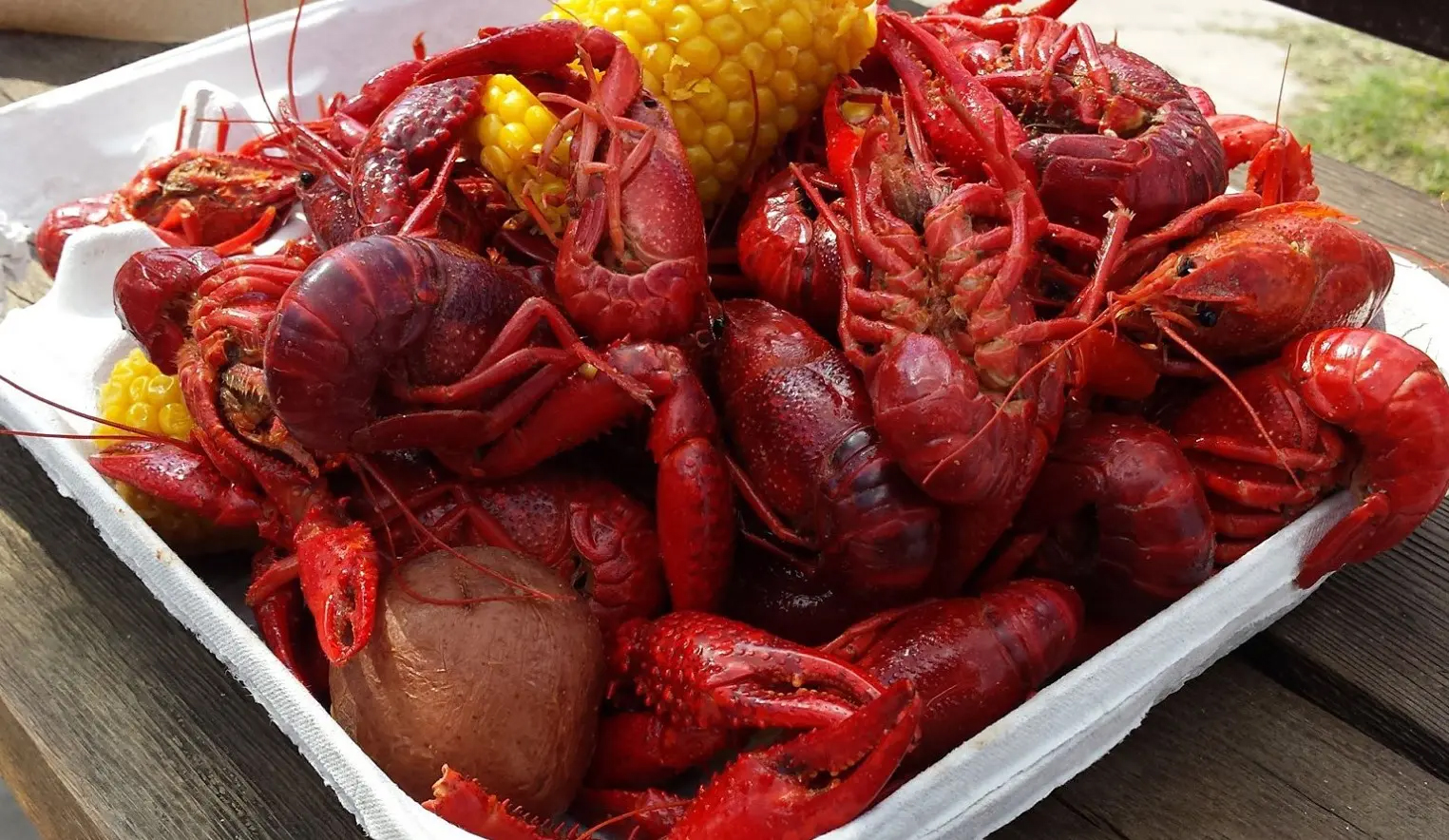
The quintessential way to enjoy crawfish in Texas is at a crawfish boil. This communal event is more than just a meal; it’s a cultural phenomenon. Participants gather around large pots filled with seasoned water, along with crawfish, corn, potatoes, sausage, and other aromatics. The process is as much about the preparation and anticipation as it is about the consumption.
-
Backyard Boils: Many Texans embrace the tradition by hosting their own crawfish boils in their backyards. This offers a highly personalized and casual experience, allowing hosts to control the seasoning and guest list. It’s a fantastic way for families and friends to bond over a shared love for this seasonal treat. The atmosphere is typically lively, filled with laughter, conversation, and the tantalizing aroma of boiling spices.
-
Public Boil Events: Throughout the season, especially in the areas with strong crawfish traditions, you’ll find public crawfish boil events. These can range from small community gatherings to larger festivals and restaurant promotions. These events are a great way to experience the authentic flavor and festive atmosphere without the hassle of hosting yourself. Many restaurants will host dedicated crawfish boil nights, often advertising their specials and event schedules.
-
Restaurants Specializing in Crawfish: Numerous restaurants across Texas offer crawfish dishes and, during the season, often feature full crawfish boils on their menus. These establishments can range from casual seafood shacks to more upscale dining rooms. When choosing a restaurant, look for those that highlight their sourcing of crawfish, whether from local Texas farms or reputable suppliers in Louisiana. Reviews and local recommendations can be invaluable in finding the best spots. Some may even offer dine-in boils where you can enjoy the entire experience without lifting a finger.
When planning your trip to Texas with the specific intention of enjoying crawfish, consider booking accommodation in advance, especially if you’re traveling during peak season. Hotels, resorts, and even vacation rentals can offer a comfortable base from which to explore the local culinary scene. Many hotels boast excellent on-site restaurants that may feature seasonal crawfish dishes. Researching local events and festivals happening during your visit can also add an extra layer of excitement to your crawfish adventure.
Beyond the Boil: Other Ways to Enjoy Texas Crawfish
While the traditional crawfish boil reigns supreme, the versatility of this freshwater crustacean allows for a multitude of culinary applications beyond the communal pot. For those looking to explore different flavor profiles and dining experiences, Texas kitchens offer a range of innovative and delicious ways to savor crawfish when they’re in season. This extends the appeal of crawfish beyond just a single preparation method, making it a more accessible and varied delicacy.
Crawfish with a Twist
The culinary landscape of Texas is rich with influences from various cultures, and crawfish is often a star ingredient in these fusion dishes. Chefs are constantly experimenting with new ways to highlight the sweet, succulent flavor of crawfish, offering a delightful departure from the standard boil.
-
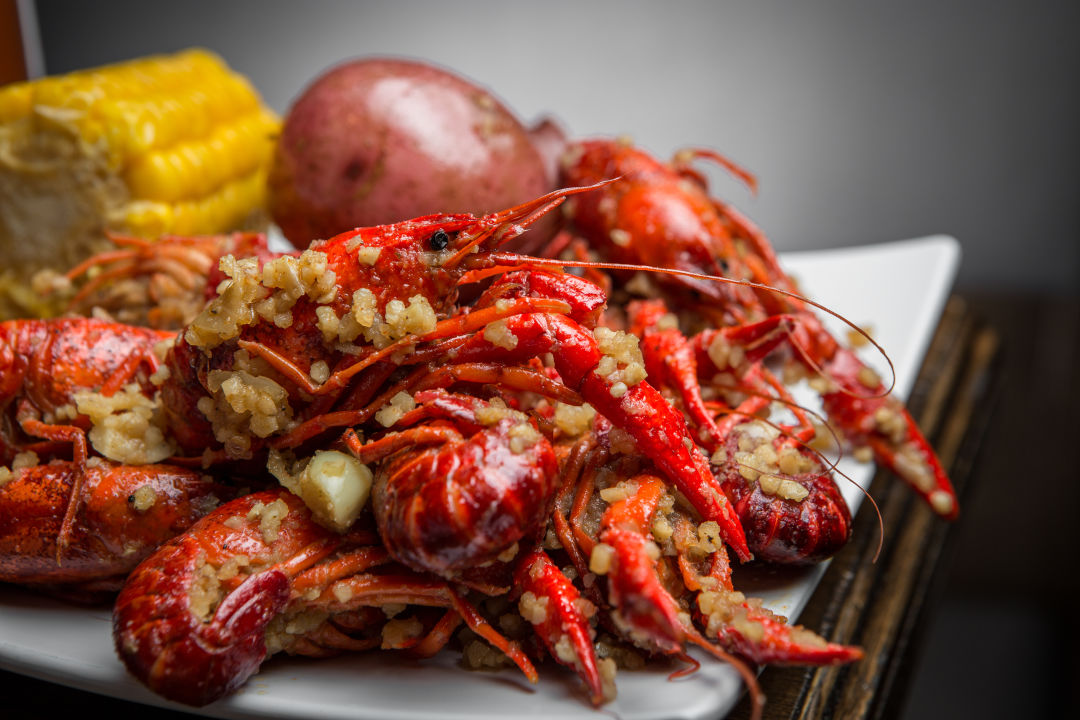
Cajun and Creole Cuisine: Given the strong cultural ties to Louisiana, it’s no surprise that many Texas restaurants offer classic Cajun and Creole dishes featuring crawfish. Think of creamy crawfish étouffée, a rich and flavorful stew served over rice, or spicy crawfish beignets, a savory take on the classic sweet pastry. You might also find crawfish po’boys, a hearty sandwich filled with fried crawfish, lettuce, tomato, and remoulade sauce. These dishes are often found in establishments that specialize in Southern comfort food and are a staple in areas with a significant Cajun population.
-
Seafood Platters and Mixes: In coastal towns and seafood-centric restaurants, crawfish often makes an appearance on large seafood platters, alongside shrimp, oysters, and fish. They might be boiled, fried, or sautéed as part of a mixed seafood grill or pasta dish. These larger platters offer a chance to sample a variety of seafood, with crawfish as a key component, showcasing its ability to complement other flavors.
-
Appetizers and Small Bites: For a lighter option or to start a meal, many establishments offer crawfish as an appetizer. This could include crawfish dip, crawfish bisque (a creamy, rich soup), or even spicy crawfish cakes, akin to crab cakes but made with crawfish meat. These smaller portions allow diners to enjoy the flavor of crawfish without committing to a full entrée, perfect for those exploring the culinary scene or attending a tasting event.
Seasonal Availability and Local Sourcing
Understanding the seasonality of crawfish is not just about timing your visit; it’s also about appreciating the local harvest and the efforts of Texas farmers and fishermen. The availability of fresh, local crawfish can vary year to year based on weather patterns and environmental conditions.
-
Supporting Local Farmers: Many regions in Texas have active crawfish farms that supply local markets and restaurants. When you choose to eat crawfish during its season, you are directly supporting these local agricultural businesses. This not only ensures the freshest possible product but also contributes to the local economy and preserves the tradition of crawfish farming in the state. Look for restaurants that proudly advertise their “local Texas crawfish” to guarantee a fresher, more sustainable choice.
-
The Importance of Freshness: The peak of crawfish season is when the crawfish are at their best. They are typically larger, more flavorful, and more abundant. After the peak, as the season winds down, the quality and quantity can decrease. This is why many crawfish aficionados are meticulous about timing their visits to coincide with the prime months. The flavor of a freshly caught and boiled crawfish is unparalleled, and this freshness is most pronounced during the peak season.
-
Navigating Restaurants: When dining out, don’t hesitate to ask your server about the origin and seasonality of the crawfish. Knowledgeable staff can provide insights into when the crawfish is at its best and where it’s sourced from. This transparency adds to the dining experience and helps you make informed choices. Some restaurants might even feature “off-season” crawfish that has been frozen, which, while still edible, doesn’t quite match the flavor and texture of fresh, in-season crawfish.
The pursuit of the perfect crawfish experience in Texas is a journey that combines an appreciation for nature’s bounty with a love for vibrant food culture. From the lively spectacle of a backyard boil to the refined preparations found in restaurants, Texas crawfish season offers a delicious adventure for every palate. Planning a trip around this seasonal delicacy can lead to unforgettable culinary explorations and a deeper connection with the unique flavors of the Lone Star State.
LifeOutOfTheBox is a participant in the Amazon Services LLC Associates Program, an affiliate advertising program designed to provide a means for sites to earn advertising fees by advertising and linking to Amazon.com. Amazon, the Amazon logo, AmazonSupply, and the AmazonSupply logo are trademarks of Amazon.com, Inc. or its affiliates. As an Amazon Associate we earn affiliate commissions from qualifying purchases.