
The very mention of “Crimson Tide” evokes images of unparalleled collegiate athletic prowess, a sea of passionate fans, and a deep-rooted tradition in the heart of the American South. For sports enthusiasts and casual observers alike, the University of Alabama football team, universally known as the Alabama Crimson Tide, represents more than just a sports franchise; it’s a cultural phenomenon, an economic engine for the state, and a compelling reason for countless visitors to experience Alabama. But how did this iconic moniker, “The Crimson Tide,” come to be? Its origin is as rich and captivating as the team’s storied history, intertwined with a moment of fierce competition, journalistic flair, and the gradual evolution of a legendary brand.
Beyond the gridiron, understanding the Crimson Tide is to understand a significant facet of Southern lifestyle and tourism. It draws travelers to Tuscaloosa, the vibrant city that hosts the university, offering a unique blend of game-day excitement, local culture, and historical landmarks. From luxury resorts to charming local hotels, accommodations during a Crimson Tide weekend transform into bustling hubs of activity, reflecting the profound impact this team has on travel and local economies. This exploration delves into the fascinating genesis of the name, the dynasty it represents, and how you can immerse yourself in the unforgettable experience that defines the Crimson Tide lifestyle.
The Origin Story: A Legendary Moniker Takes Hold
The enduring nickname “Crimson Tide” wasn’t deliberately chosen by a committee or an ad agency. Instead, it emerged organically from the crucible of an intense football game and the evocative prose of a sportswriter. This tale begins in the early 20th century, a time when collegiate athletics were still finding their footing, but already capturing the public’s imagination.
From Muddy Fields to a Poetic Phrase
The year was 1907. On a rain-soaked field in Birmingham, the University of Alabama football team faced off against their formidable rivals, the Louisiana State University (LSU) Tigers. The game was a brutal, hard-fought contest, characterized by relentless play in challenging conditions. The rain had turned the playing surface into a quagmire, transforming the pristine white jerseys of the Alabama players into a smeared canvas of red mud.
Observing this epic battle from the sidelines was Hugh Roberts, sports editor for the Birmingham Age-Herald. As he watched the Alabama players, drenched and mud-splattered, battling their opponents with unwavering determination, he was struck by a vivid image. He saw not just a football team, but a wave of players, their white jerseys stained a deep crimson by the wet earth, surging forward with unstoppable force. In his game recap the following day, Roberts famously described the Alabama team as the “Crimson Tide.”

The phrase immediately resonated. It captured the intensity of the game, the distinct visual of the players, and the relentless, almost tidal, power with which they played. It was more than a description; it was a poetic encapsulation of their spirit. While Alabama actually tied LSU 6-6 in that particular game, the name stuck. Over time, it grew from a catchy newspaper headline into the official and cherished nickname of the University of Alabama’s athletic teams, eventually becoming synonymous with excellence and a formidable presence in the Southeastern Conference (SEC) and national sports landscape. This story, passed down through generations, is a testament to the power of a well-chosen phrase and the lasting impact of a memorable sporting event.
More Than Just Colors: The Symbolism of Crimson and White
While the nickname “Crimson Tide” was born from a muddy field, the team’s official colors, crimson and white, predated the moniker and hold their own significant history. The color crimson was adopted by the University of Alabama in 1886. The story goes that a group of students were attending a baseball game in Mobile and noticed the vivid crimson of a local team’s uniforms. They were so impressed that they decided to bring the color back to Tuscaloosa as the primary color for their own athletic teams, pairing it with white.
These colors, crimson symbolizing strength, passion, and tradition, and white representing purity, clarity, and excellence, perfectly complement the “Crimson Tide” identity. They are more than just aesthetic choices; they are a visual representation of the university’s values and the relentless pursuit of victory that defines its athletic programs. Every jersey, every banner, every piece of fan apparel proudly displays these colors, creating a unified visual identity that is instantly recognizable across the globe. For visitors to Tuscaloosa, especially on game day, being immersed in a sea of crimson and white is an unforgettable part of the experience, a vibrant display of collective pride and heritage that speaks volumes about the local culture and the deep connection people feel to their team.
A Dynasty Forged in Crimson: The Legacy of Alabama Football
The nickname “Crimson Tide” isn’t merely a historical curiosity; it’s a living legend that continues to grow with each passing season. The name has become inextricably linked with a legacy of dominance, an unparalleled number of national championships, and a roster of coaches and players who have achieved legendary status. This rich history is a significant draw for sports tourism, attracting fans from across the nation and even internationally, eager to witness the tradition firsthand.
Iconic Coaches and Unforgettable Victories
The foundation of the Alabama Football dynasty has been built on the shoulders of extraordinary coaching talent. Two names, in particular, stand out: Paul “Bear” Bryant and Nick Saban.
Paul “Bear” Bryant: Arriving in 1958, Coach Bryant transformed a struggling program into a national powerhouse. His distinctive houndstooth hat and gruff demeanor became symbols of Alabama football. Over 25 years, Bryant led the Crimson Tide to 232 victories, 13 Southeastern Conference (SEC) championships, and an astounding six national championships. His tenure laid the groundwork for the enduring mythology of the Crimson Tide, establishing a tradition of excellence that became deeply ingrained in the university’s identity. Visiting the Paul W. Bryant Museum on the University of Alabama campus is a pilgrimage for many, offering a comprehensive look at the coach’s life and the golden era he ushered in.

Nick Saban: When Coach Saban took the helm in 2007, he inherited a program with a rich past but a desire for renewed dominance. What followed was an unprecedented era of success in modern college football. Saban’s “Process” approach to coaching and team building resulted in another six national championships, cementing the Crimson Tide’s status as arguably the greatest dynasty in college football history. His meticulous attention to detail and ability to consistently produce top-tier talent have made Alabama a perennial contender, drawing national media attention and legions of fans to Tuscaloosa for every home game. The anticipation of seeing the team under his leadership has made game tickets, and consequently, hotel bookings, some of the most sought-after commodities in the region.
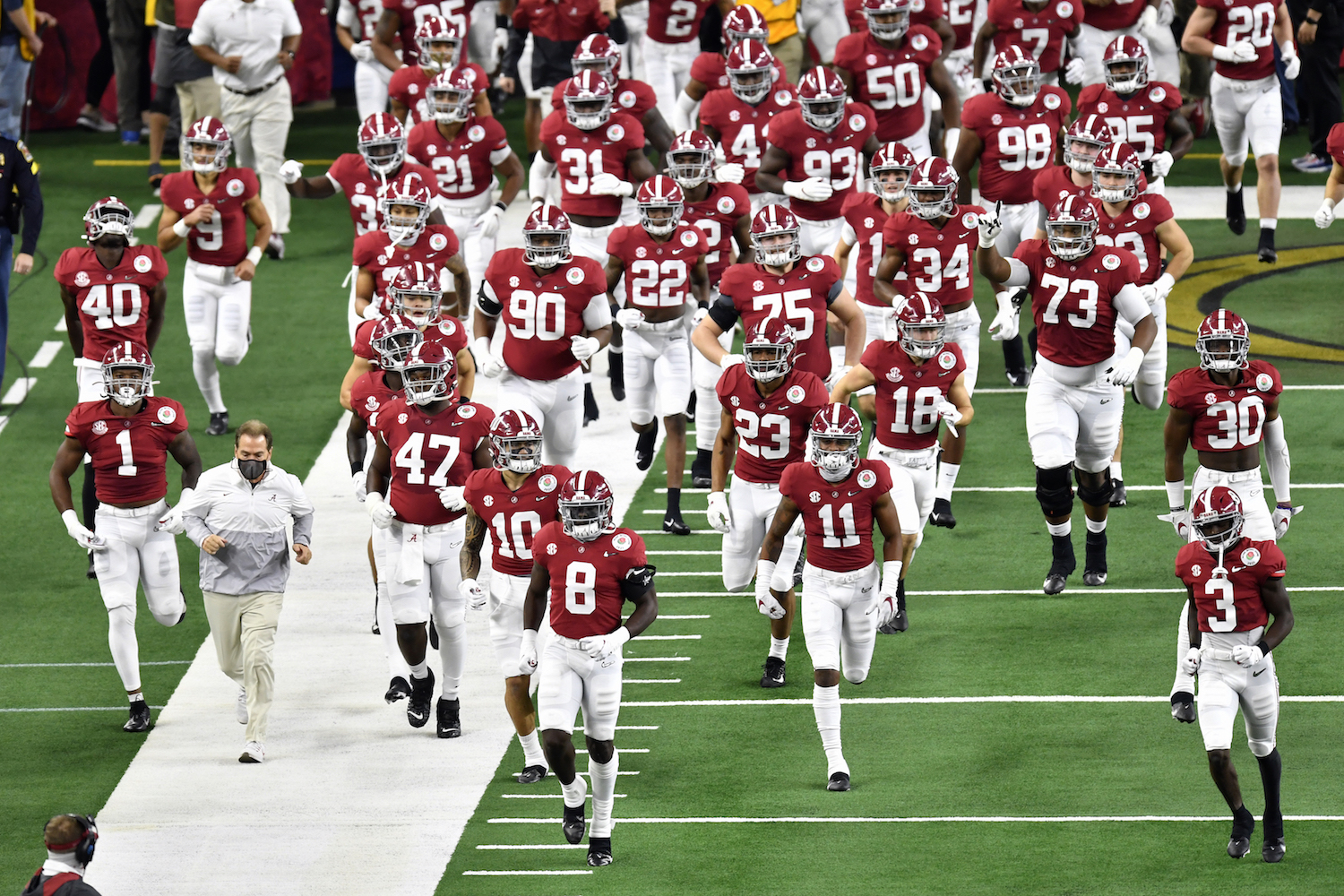
Beyond these two titans, countless legendary players have graced the Crimson Tide roster, from Heisman Trophy winners to NFL stars. Their individual stories contribute to the collective narrative of excellence, making the University of Alabama a beacon for aspiring athletes and a source of immense pride for its alumni and fans. The unparalleled success of Alabama Football under these coaches has not only produced memorable victories but has also cultivated a robust tourism industry around the team, influencing everything from local restaurant reservations to the demand for premium accommodation options.
The Power of the Elephant Mascot: Big Al’s Story
Complementing the fierce “Crimson Tide” moniker is the beloved elephant mascot, Big Al. While the team is called the Crimson Tide, the association with elephants is another unique aspect of Alabama’s identity. This connection also stems from a specific game and a sportswriter’s colorful description.
In 1930, sportswriter Everett Gill of the Atlanta Journal reported on Alabama’s dominant performance against Ole Miss. He wrote of the Crimson Tide players: “At the end of the quarter, the earth started to tremble, there was a distant rumble that grew with volume, and a herd of elephants came crashing through the line of scrimmage.” This vivid imagery, likening the powerful, charging Alabama players to a stampeding elephant herd, quickly gained traction.
The elephant became an unofficial symbol for the team, solidifying the idea of immense power and unstoppable force. It wasn’t until 1979 that the official costumed mascot, Big Al, made his debut. Big Al quickly became a fan favorite, embodying the playful yet powerful spirit of the Crimson Tide. Seeing Big Al on game day, interacting with fans, and leading cheers, is an integral part of the Tuscaloosa experience, especially for families. The unique combination of “Crimson Tide” and the elephant mascot creates a brand identity that is distinct, memorable, and deeply cherished by the fan base, drawing visitors to explore the merchandise and cultural artifacts celebrating this duality.
Experiencing the Tide: A Fan’s Guide to Tuscaloosa
For those eager to understand the full scope of “Why Alabama is Called The Crimson Tide,” a visit to Tuscaloosa is essential. This vibrant city, home to the University of Alabama, transforms into a bustling hub of activity, particularly during football season. It offers a unique blend of Southern charm, collegiate energy, and a rich cultural experience that extends far beyond the stadium walls.
Game Day Immersion: Beyond the Bryant-Denny Stadium
Game day in Tuscaloosa is an experience unlike any other, a true spectacle that exemplifies Southern lifestyle and tourism at its peak. It’s not just about the game itself, but the entire ritual that surrounds it.
- Tailgating Extravaganza: The heart of the game day experience is the tailgating. Thousands of fans, decked out in crimson and white, descend upon the campus and surrounding areas hours before kickoff. Tents pop up everywhere, adorned with Crimson Tide flags and memorabilia. The air fills with the aroma of barbecue, the sounds of live music, and the joyous chatter of friends and family. This elaborate social gathering is a quintessential Southern tradition, offering visitors an authentic taste of local hospitality and community spirit. Many local businesses, from catering services to rental companies, thrive on this vibrant pre-game atmosphere.
- The Walk of Champions: Approximately two hours before the game, fans line the path leading to Bryant-Denny Stadium to witness the “Walk of Champions.” Here, the players and coaching staff, led by Big Al and the Million Dollar Band, walk from the bus drop-off point into the stadium. The roar of the crowd, the cheers, and the palpable excitement create an electric atmosphere, offering fans a close-up glimpse of their heroes and a tangible connection to the team. It’s a moment of collective anticipation that fuels the game day energy.
- The Atmosphere in Bryant-Denny Stadium: Once inside the iconic Bryant-Denny Stadium, the sheer scale and intensity of the fan base are breathtaking. With a capacity exceeding 100,000, the stadium becomes a deafening sea of crimson, unified in its support for the team. The thunderous “Rammer Jammer” cheer, the iconic “Dixieland Delight” singalong, and the sight of Big Al hyping up the crowd all contribute to an unforgettable sensory experience. Even if you’re not a die-hard football fan, the cultural significance and sheer spectacle of a Crimson Tide game make it a bucket-list item for any traveler to Alabama.
Planning Your Visit: Accommodation and Attractions in Tuscaloosa
For those planning a trip to experience the Crimson Tide first-hand, Tuscaloosa offers a range of accommodation options and attractions that cater to diverse tastes and budgets.
Accommodation: During football season, booking hotels well in advance is highly recommended due to high demand. Tuscaloosa provides a variety of choices:
- Luxury & Boutique Hotels: For a premium experience, consider properties like the Hotel Capstone, located right on the University of Alabama campus, offering convenience and upscale amenities. The Embassy Suites by Hilton Tuscaloosa Downtown and the Graduate Tuscaloosa, with its quirky, collegiate-themed decor, are excellent choices in Downtown Tuscaloosa, putting you close to dining and entertainment.
- Mid-Range & Budget-Friendly: Numerous chain hotels and motels are available throughout the city, offering comfortable stays at more accessible price points. These include options further from the immediate campus area but still within easy reach via car or local transport.
- Vacation Rentals: For longer stays or group travel, consider booking vacation rentals or apartments. Platforms offer various options, from charming historic homes to modern apartments, providing a more localized and flexible experience.
Beyond Football Attractions: While Crimson Tide football is a major draw, Tuscaloosa also boasts other attractions for visitors looking to explore the city’s history and culture:
- Paul W. Bryant Museum: An essential stop for any football fan, this museum chronicles the life and legacy of Coach Bryant and the history of Alabama Football.
- University of Alabama Campus: Beyond the stadium, the beautiful campus itself is worth exploring, featuring historic buildings, lush green spaces, and a vibrant student atmosphere.
- Children’s Hands-On Museum of Tuscaloosa: A fantastic option for families, offering interactive exhibits for children of all ages.
- Kentuck Art Center & Festival: Celebrating folk art and local creativity, the Kentuck Art Center provides a different cultural experience, especially during its annual festival.
- Tuscaloosa Riverwalk: A scenic pathway along the Black Warrior River, perfect for a leisurely stroll, jog, or bike ride, offering beautiful views and access to parks and restaurants.
- Downtown Tuscaloosa: Explore the revitalized downtown area with its diverse array of restaurants, boutiques, and entertainment venues. It’s a great place to experience the city’s local culture and nightlife.
The Crimson Tide Lifestyle: Food, Culture, and Southern Charm
The influence of the Crimson Tide extends deeply into the very fabric of Tuscaloosa’s lifestyle and the broader culture of Alabama. It shapes not only weekends but also everyday conversations, local businesses, and the collective identity of its residents.
Culinary Delights: Tuscaloosa’s food scene reflects its Southern roots, with a strong emphasis on hearty comfort food, barbecue, and classic American fare. On game day, local restaurants are bustling, offering everything from casual pub food to upscale dining experiences. Many establishments are adorned with Crimson Tide memorabilia, creating an immersive dining experience where the passion for football is palpable. Sampling local delicacies like fried green tomatoes, shrimp and grits, or authentic Southern barbecue is an essential part of the travel experience in Tuscaloosa and the wider state of Alabama.
Southern Hospitality: Visitors to Tuscaloosa will quickly discover the renowned warmth of Southern hospitality. Locals are generally welcoming and eager to share their passion for the Crimson Tide, making it easy for travelers to feel at home, even amidst the fervor of game day. This welcoming atmosphere is a significant part of what makes visiting Alabama such a pleasant experience, contributing to its appeal as a tourist destination.
A Year-Round Phenomenon: While football season is undeniably the peak, the Crimson Tide is a year-round presence. The legacy lives on through recruiting news, spring practices, and the general pride that permeates the community. Local shops sell Crimson Tide gear year-round, and the university’s success in other sports (such as gymnastics, basketball, and baseball) further bolsters its reputation. The Crimson Tide isn’t just a team; it’s a lifestyle choice, a point of communal identity that binds generations and welcomes newcomers into a vibrant, passionate culture. Whether you’re a seasoned fan or a curious traveler, embracing the Crimson Tide lifestyle offers a unique glimpse into the heart of Alabama’s spirit.
Conclusion: The Enduring Legacy of the Crimson Tide
The journey from a muddy football field in 1907 to the global brand recognition of the Alabama Crimson Tide is a remarkable testament to the power of a captivating narrative and sustained excellence. What began as a sportswriter’s evocative description of a battling team has evolved into one of the most iconic and revered names in all of sports. “Crimson Tide” encapsulates not just the team’s colors, but its indomitable spirit, its relentless pursuit of victory, and the deep, unwavering passion of its fan base.
This legendary moniker, born of grit and determination, has shaped not only the identity of the University of Alabama but also the cultural landscape and tourism appeal of the entire state. From the historic triumphs under coaches like Bear Bryant and Nick Saban to the beloved presence of Big Al, the Crimson Tide represents a legacy of unparalleled achievement and a vibrant community spirit.
For travelers and enthusiasts alike, visiting Tuscaloosa offers an immersive experience into this unique phenomenon. It’s an opportunity to witness the electric atmosphere of game day at Bryant-Denny Stadium, explore fascinating landmarks, indulge in Southern hospitality, and partake in a lifestyle deeply interwoven with the team’s storied history. The Crimson Tide is more than just a football team; it’s a powerful symbol of identity, a source of profound pride, and a compelling reason to explore the rich culture and vibrant energy of Alabama. Roll Tide!
LifeOutOfTheBox is a participant in the Amazon Services LLC Associates Program, an affiliate advertising program designed to provide a means for sites to earn advertising fees by advertising and linking to Amazon.com. Amazon, the Amazon logo, AmazonSupply, and the AmazonSupply logo are trademarks of Amazon.com, Inc. or its affiliates. As an Amazon Associate we earn affiliate commissions from qualifying purchases.