
For any traveler planning a visit to Texas, understanding the state’s observance of Daylight Saving Time (DST) is more than just a trivial detail; it’s a critical piece of information that can significantly impact everything from flight schedules and ground transportation to planned activities and even personal well-being. Texas, like the majority of the United States, adjusts its clocks twice a year. This annual ritual, while seemingly simple, carries layers of history, practical considerations, and ongoing debate that are particularly relevant for those navigating the vast and diverse landscapes of the Lone Star State. This guide delves into the specifics of Texas’s time changes, offering insights and actionable advice for a seamless travel experience.
Understanding Daylight Saving Time in Texas
The practice of Daylight Saving Time in Texas aligns with the federal guidelines set forth for the United States. This means that clocks are adjusted forward in the spring and backward in the fall, a practice intended to make better use of natural daylight.
The Annual Shift: Spring Forward, Fall Back
The most fundamental aspect of DST is its biannual shift. In Texas, as in most of the United States, the change occurs on specific weekends:
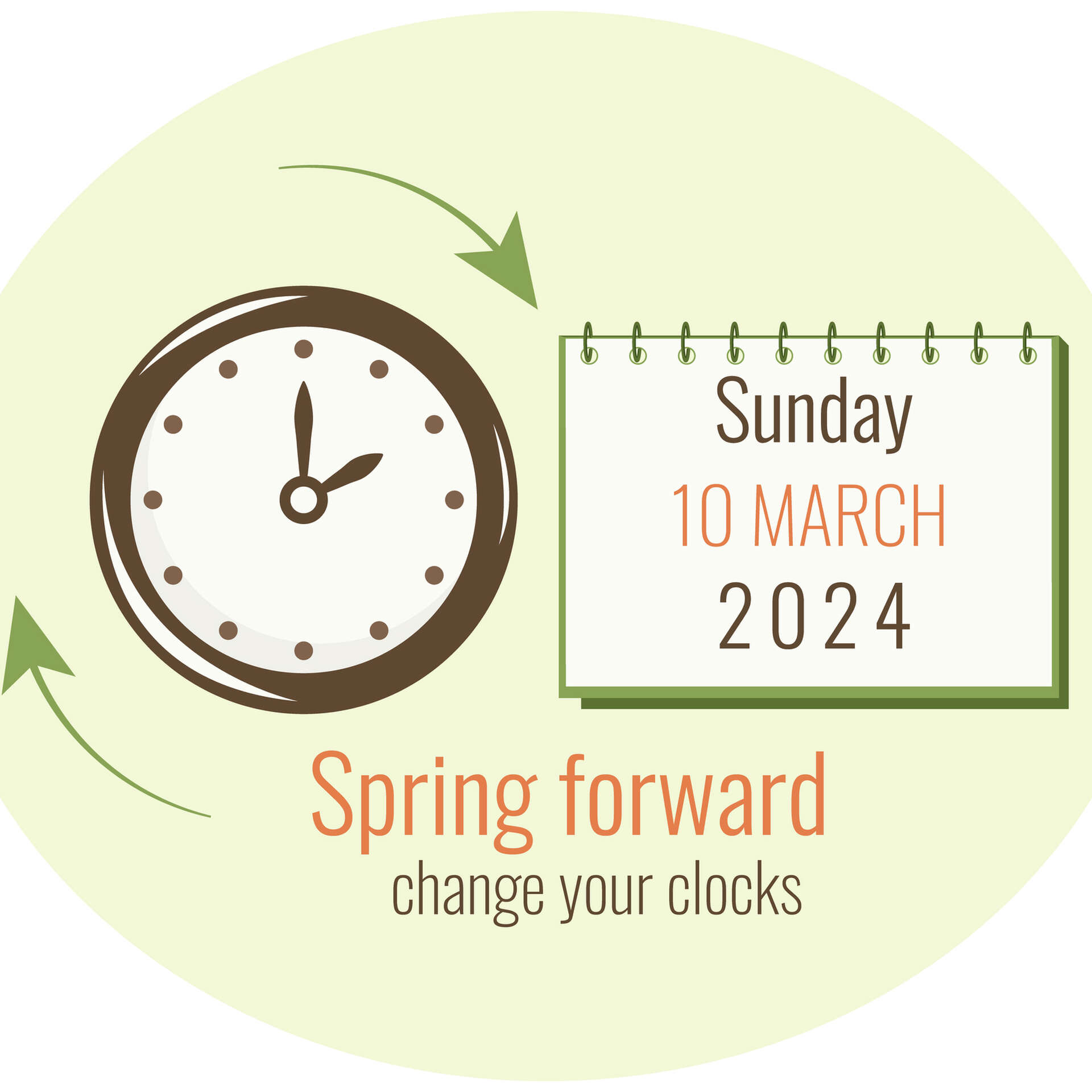
- Spring Forward: On the second Sunday in March, clocks “spring forward” one hour at 2:00 AM local time. This means 2:00 AM instantly becomes 3:00 AM, effectively “losing” an hour of sleep or the early morning. For travelers, this can mean a shorter night on a flight or an earlier start to a planned activity.
- Fall Back: On the first Sunday in November, clocks “fall back” one hour at 2:00 AM local time. This means 2:00 AM reverts to 1:00 AM, effectively “gaining” an hour. While this can offer an extra hour of rest, it can also lead to confusion if not properly accounted for in travel plans, potentially causing travelers to arrive an hour early for appointments or departures if they rely on devices that don’t auto-update.
These dates are consistent year after year, making them predictable for pre-trip planning, but the real challenge often lies in the coordination of schedules and personal adjustment.
Historical Context of DST
The concept of Daylight Saving Time isn’t new, nor is it universally accepted. It has roots dating back to the early 20th century, with proponents advocating for energy conservation during wartime and later for various economic benefits. The Uniform Time Act of 1966 established the system largely as we know it today in the United States, aiming for consistency across states, though exceptions exist. Texas has observed DST for decades, integrating it into the fabric of its seasonal rhythms, influencing everything from business hours to recreational activities. Understanding this history helps travelers appreciate the entrenched nature of the practice and why it continues despite ongoing debates.
Why Does Texas Observe DST?
Texas observes DST primarily due to its alignment with federal law and the perceived benefits. Proponents argue that it extends daylight into the evening hours during warmer months, which is believed to:
- Boost retail sales: More daylight encourages people to be out and about, shopping and dining.
- Increase tourism: Extended daylight makes outdoor activities and sightseeing more appealing later in the day, benefiting attractions and local economies.
- Improve road safety: More daylight during evening commutes can reduce accidents.
- Conserve energy: Though this benefit is increasingly debated, the original premise was that later sunsets reduce the need for artificial lighting in the evenings.
For travelers, the most tangible effect is the extended evening daylight during spring, summer, and early fall, which can allow for longer exploration and enjoyment of Texas’s diverse offerings.
Practical Implications for Travelers
The biannual time change, while a minor adjustment for residents, can pose several practical challenges for travelers. From flight logistics to personal well-being, acknowledging and planning for DST is crucial for a stress-free journey through Texas.
Impact on Flight Schedules and Ground Transportation
Perhaps the most critical consideration for travelers is the effect on transportation. Airlines and public transport systems are generally well-prepared for DST, and their schedules are updated accordingly. However, the exact moment of the time change (2:00 AM) can create temporary confusion:
- Departures and Arrivals: If you have an overnight flight arriving or departing around the time change, especially on the “spring forward” Sunday morning, it’s vital to confirm your schedule with your airline. An arrival scheduled for 3:00 AM local time on a “spring forward” day could feel like an arrival an hour earlier than expected if your body clock hasn’t adjusted. Similarly, a 1:00 AM departure on a “fall back” day technically happens twice, but airlines will specify which 1:00 AM they mean.
- Connections: Travelers with tight connections on the morning of a time change should double-check all legs of their journey. A missed connection due to a misread time change can cascade into significant delays and disruptions.
- Ground Transportation: Rental car pickups, bus schedules, train departures, and even ride-share services will operate on the new time. Always verify pick-up/drop-off times with local providers, especially for early morning arrangements on the day of the change.
Adjusting to the New Time Zone: Overcoming “Mini-Jet Lag”
Even a one-hour shift can induce a mild form of “jet lag,” particularly for sensitive individuals. When clocks spring forward, that lost hour can disrupt sleep patterns, leading to fatigue, irritability, and difficulty concentrating during the first few days. When clocks fall back, the extra hour might initially feel disorienting, potentially causing you to wake up “too early” by the new time.
- Pre-Adjustment: If possible, try to adjust your sleep schedule by 15-30 minutes each day leading up to the time change. For spring forward, go to bed slightly earlier; for fall back, slightly later.
- On-Arrival Strategies: Maximize exposure to natural light during the day and minimize it in the evenings to help reset your circadian rhythm. Stay hydrated, avoid excessive caffeine and alcohol, and maintain a regular meal schedule according to the new time.
- Listen to Your Body: Don’t overschedule yourself in the days immediately following a time change. Allow for flexibility and be prepared for potential dips in energy.
Planning Your Itinerary: Activities and Reservations
Travelers need to be meticulous when planning activities and making reservations around DST dates.
- Attractions and Tours: While most major attractions will account for the time change in their operating hours, smaller, privately run tours or attractions might have slight variations. Always confirm opening and closing times directly.
- Dining Reservations: A dinner reservation at 7:00 PM will remain 7:00 PM on the clock, but your internal body clock might feel it’s 6:00 PM (spring forward) or 8:00 PM (fall back), affecting your appetite or readiness.
- Appointments: Medical appointments, business meetings, or any time-sensitive engagements must be confirmed for the correct local time, especially if communicating with individuals who might be in a different time zone or are prone to DST confusion.
Navigating the Time Change Dates
Knowing when the change occurs is paramount. While the rules are fixed, human error or reliance on outdated information can lead to confusion. Proactive measures are key to navigating these dates smoothly.
Key Dates to Remember for Spring and Fall
As mentioned, the dates are:
- Second Sunday in March: Clocks spring forward.
- First Sunday in November: Clocks fall back.
These dates generally fall in the middle of typical spring break and late autumn travel seasons, making them particularly relevant for visitors. It’s advisable to mark these dates on your calendar and integrate them into your travel planning checklist. A quick search for “Daylight Saving Time [year]” will always confirm the exact dates for any given year.
Tools and Resources for Staying Informed
In today’s digital age, numerous tools can help travelers stay abreast of time changes:
- Smartphones and Computers: Most modern smartphones, tablets, and computers automatically update their time settings, provided they have an internet connection and are set to the correct local time zone. Ensure your device’s automatic time zone feature is enabled.
- Online Time Zone Converters: Websites like Time and Date, World Clock, or even a simple Google search can provide accurate local times and DST information for any location in Texas.
- Airline and Travel Apps: Many airline and travel booking apps will display times in local current time, automatically adjusting for DST. Always refer to these for the most up-to-date flight information.
- Local News and Weather: Tuning into local Texas news or weather forecasts can serve as a valuable reminder in the days leading up to the time change.
Geographic Nuances within Texas
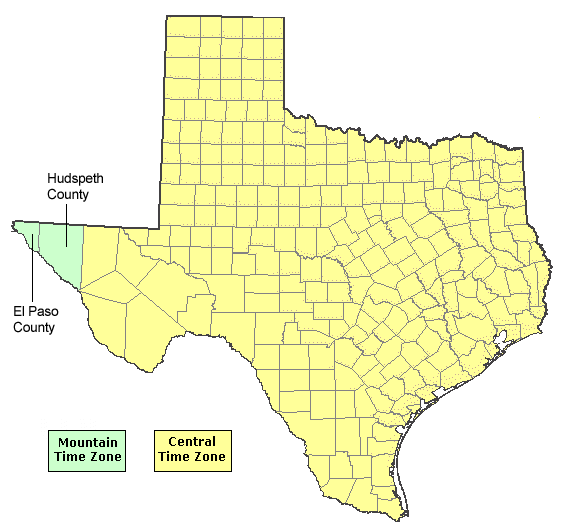
While most of Texas observes Central Standard Time (CST) and subsequently Central Daylight Time (CDT) during DST, there’s a significant exception that travelers must be aware of:
- El Paso and Hudspeth County: These two westernmost entities in Texas operate on Mountain Standard Time (MST) and Mountain Daylight Time (MDT). This means that if you’re traveling from, say, Dallas (CST) to El Paso (MST), you’ll effectively cross a time zone boundary in addition to any DST adjustments. When Central Standard Time is observing CDT, El Paso will be observing MDT, meaning there will always be a one-hour difference between the majority of Texas and El Paso/Hudspeth County.
For travelers crossing this internal time zone boundary, whether by air or by car, this distinction is critical for accurate scheduling. Always verify the local time zone when making plans for destinations in far West Texas.
Strategies for a Seamless Travel Experience
Beyond simply knowing when the time change occurs, adopting a proactive mindset and incorporating specific strategies can transform a potentially disruptive event into a minor footnote in your Texas travel adventure.
Pre-Trip Planning and Communication
- Review All Itinerary Details: Before your departure, meticulously review all flight confirmations, hotel bookings, tour vouchers, and reservation times against the DST dates. Pay extra attention to any activities scheduled for the morning of the time change.
- Communicate with Travel Companions: If traveling with others, ensure everyone is aware of the upcoming time change and understands its implications. Designate someone to be the “time keeper” if necessary.
- Inform Local Contacts: If you have friends, family, or business contacts in Texas whom you plan to meet, confirm meeting times explicitly, perhaps referencing “before the change” or “after the change” for clarity, especially if they are less diligent about tracking DST.
On-the-Ground Adjustments
- Set Reminders: Use your phone’s alarm or calendar to set reminders for the time change. Even if your phone adjusts automatically, a reminder can help prepare you mentally.
- Manual Clock Check: If you have a non-smartwatch or an older car, remember to manually adjust these clocks. It’s easy to forget these secondary time sources, leading to momentary confusion.
- Verify Public Clocks: Be cautious of public clocks, especially in smaller establishments, which might not be updated promptly. Always cross-reference with your automatically updating devices.
- Prioritize Sleep: On the “spring forward” weekend, try to get extra sleep the night before if possible. On the “fall back” weekend, enjoy the extra hour, but try to maintain your regular sleep schedule to avoid internal disruptions.
Embracing the Change: Maximizing Your Texas Adventure
Instead of viewing the time change as an inconvenience, consider how it might enhance your travel experience.
- More Daylight for Activities: The primary benefit of DST is the extended daylight in the evenings. This is particularly advantageous for exploring Texas’s natural parks, city sights, and outdoor attractions during the warmer months, allowing for longer excursions and beautiful sunset views.
- Flexible Mornings in Fall: When clocks “fall back,” early risers gain an extra hour of daylight in the morning, which can be perfect for quiet walks, early bird specials, or getting a head start on less crowded attractions before the main rush.
By understanding when the time change for Texas occurs and implementing smart travel strategies, visitors can easily navigate this biannual event. The key is preparation, vigilance, and a flexible mindset, ensuring that your journey through the diverse and vibrant landscapes of the Lone Star State is as smooth and enjoyable as possible.
LifeOutOfTheBox is a participant in the Amazon Services LLC Associates Program, an affiliate advertising program designed to provide a means for sites to earn advertising fees by advertising and linking to Amazon.com. Amazon, the Amazon logo, AmazonSupply, and the AmazonSupply logo are trademarks of Amazon.com, Inc. or its affiliates. As an Amazon Associate we earn affiliate commissions from qualifying purchases.