
For many, the name Cleveland conjures images of Ohio’s industrious lakeside city, a hub of culture and rock and roll. However, nestled in the heart of the Lone Star State lies another vibrant community bearing the same distinguished moniker: Cleveland, Texas. This often-overlooked Texas town offers a distinct charm, rich history, and a warm, inviting atmosphere that sets it apart from its northern namesake. For travelers seeking an authentic Texas experience away from the bustling metropolises, discovering Cleveland, Texas is a rewarding journey into the state’s diverse landscape and heritage.
Pinpointing Cleveland: A Gem in the Lone Star State
Understanding where Cleveland, Texas is geographically situated is the first step in appreciating its unique character and strategic importance within the region. It’s more than just a dot on a map; it’s a gateway to varied experiences.
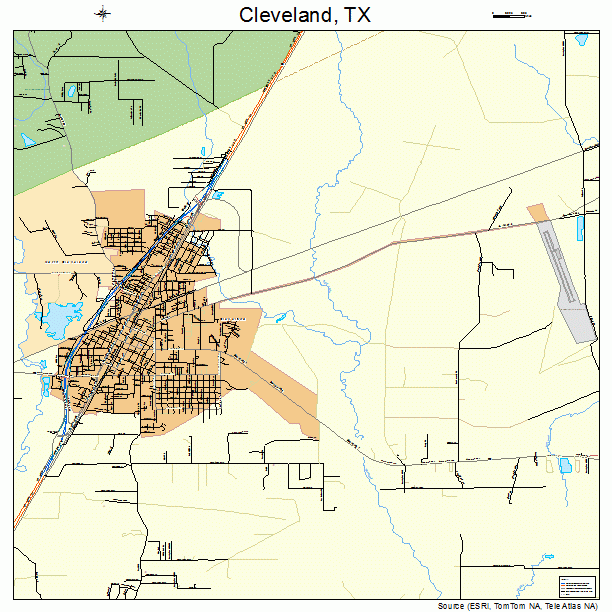
Geographical Coordinates and Surrounding Landscape
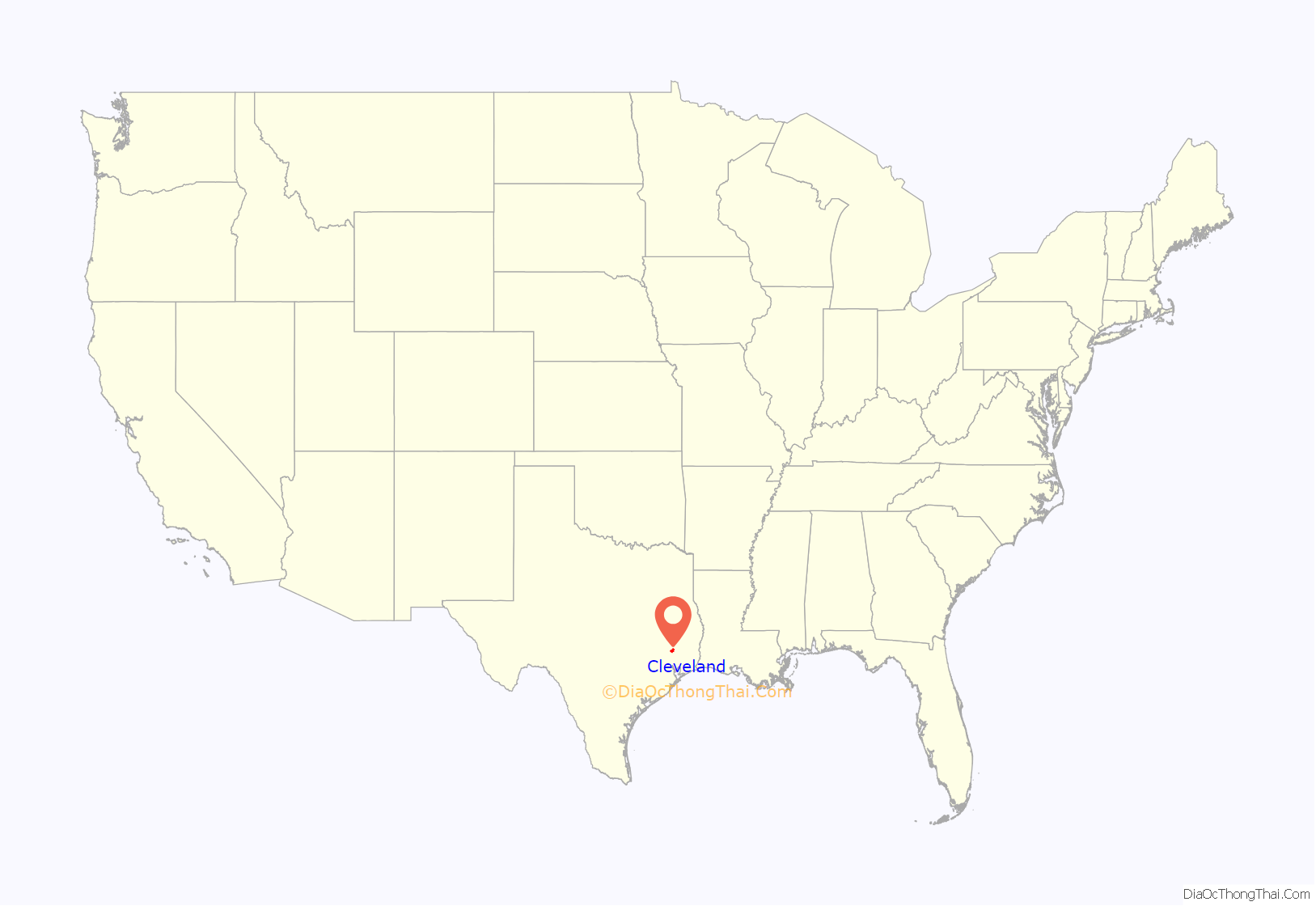
Cleveland, Texas is strategically located in Liberty County, approximately 45 miles northeast of Houston, one of the largest cities in the United States. Its position places it squarely in the East Texas timberlands, characterized by dense pine forests, lush wetlands, and a humid subtropical climate. The terrain here is markedly different from the flat plains of West Texas or the rugged beauty of the Texas Hill Country, offering a verdant backdrop that appeals to nature enthusiasts. The proximity to the Gulf Coast also means that while Cleveland is inland, it benefits from the broader regional climate patterns influenced by the Gulf of Mexico. Major arteries such as U.S. Highway 59 (which is now largely integrated into the Interstate 69 corridor) and State Highway 105 provide excellent connectivity, making it an accessible destination for those traveling from Houston or other parts of East Texas. The region is also traversed by the Trinity River, one of the longest rivers in Texas, which significantly contributes to the area’s natural beauty and ecological diversity.
Historical Roots and Early Development
The story of Cleveland, Texas began in the late 19th century, around 1878, when the Houston East and West Texas Railway extended its line through Liberty County. The town was named after President Grover Cleveland, a testament to the era’s political climate and the nation’s burgeoning expansion. Initially, Cleveland served as a vital timber and sawmill town, capitalizing on the abundant pine forests of the region. The railway was instrumental in transporting lumber to markets across Texas and beyond, cementing Cleveland’s role as an economic hub. The early settlers were a mix of Anglo-Americans, African Americans, and later, Hispanic immigrants, all contributing to the town’s evolving cultural fabric. This diverse heritage is still visible today, reflected in the local traditions, cuisine, and community spirit. Over the decades, as the timber industry evolved, Cleveland transitioned into a more diversified economy, benefiting from its strategic location near Houston and its role as a service center for surrounding agricultural and industrial areas. The town’s resilience and ability to adapt define its historical narrative, making it an intriguing destination for those interested in Texas history.
Unveiling Cleveland’s Charms: Attractions and Activities
While not a sprawling metropolitan area, Cleveland, Texas offers a surprising array of attractions and activities that cater to various interests, particularly for those who appreciate the outdoors and local heritage. Its charm lies in its authenticity and the opportunity to experience a slice of genuine East Texas life.
Exploring Nature and Outdoor Recreation
The natural surroundings are arguably Cleveland’s greatest asset. The town serves as an excellent base for exploring some of Texas’ most beautiful natural areas. Just a short drive away lies the Sam Houston National Forest, one of the four national forests in Texas. This vast expanse of pine and hardwood forest is a paradise for hikers, campers, birdwatchers, and horseback riders. The Lone Star Hiking Trail, a continuous 128-mile footpath, traverses the forest, offering challenging and scenic routes for adventurers. Fishing and boating are popular activities on Lake Livingston, one of the largest lakes in Texas, located slightly north of Cleveland. The lake is renowned for its excellent bass fishing and offers numerous public access points for recreation. Furthermore, the fringes of the Big Thicket National Preserve, a UNESCO Biosphere Reserve, are also within a reasonable driving distance, providing an opportunity to witness a remarkable diversity of plant and animal life in a truly unique ecological zone. Closer to town, local parks like Stancil Park offer recreational facilities, walking trails, and open spaces for families and individuals to enjoy.
Cultural Insights and Local Events
Cleveland’s cultural scene is deeply rooted in its history and community spirit. The Cleveland Historical Museum is a must-visit for anyone wishing to delve into the town’s past, showcasing artifacts, photographs, and exhibits that tell the story of its early settlers, the timber industry, and its evolution. The museum provides an intimate look at the lives of those who shaped Cleveland into what it is today. Throughout the year, the Cleveland Civic Center hosts various community events, festivals, and concerts, serving as a focal point for local gatherings. These events often highlight local talent, arts and crafts, and regional culinary traditions, offering visitors an authentic taste of East Texas culture. Seasonal festivals, like fall harvest celebrations or Christmas markets, bring the community together and provide engaging experiences for visitors.
Architectural Highlights and Historic Sites
While not a city of grand monuments, Cleveland possesses several buildings and sites that reflect its historical journey. The architecture of older homes and downtown commercial buildings often tells a story of the early 20th century, with styles ranging from Victorian to early 20th-century vernacular. Visitors can take a self-guided walking tour through certain parts of the downtown area to appreciate these historical structures. The old railway depot, though perhaps repurposed, often stands as a reminder of the railroad’s pivotal role in the town’s founding and growth. Exploring these sites offers a quiet yet profound appreciation for Cleveland’s enduring legacy and its connection to the broader narrative of Texas’ development.
The Pulse of the Community: Lifestyle and Local Flavor
To truly understand Cleveland, Texas, one must immerse oneself in its local lifestyle and savor its unique flavor. The community is welcoming, and the pace of life offers a refreshing contrast to the hustle and bustle of larger urban centers.
Culinary Delights and Dining Experiences
The culinary scene in Cleveland reflects its Texas roots, with a strong emphasis on hearty, comfort food. Expect to find establishments serving classic Texas barbecue, complete with slow-smoked meats and savory sides. Mexican and Tex-Mex cuisine is also widely popular, a testament to the state’s cultural fusion, offering everything from sizzling fajitas to comforting enchiladas. Local diners and cafes provide opportunities to enjoy traditional Southern breakfast dishes, homemade pies, and a strong cup of coffee, often served with a side of local gossip. While not a gourmet destination, Cleveland prides itself on offering good, honest food that embodies the warmth and hospitality of East Texas. Exploring these local eateries provides not just a meal but an authentic glimpse into the daily life and preferences of the community.
Shopping and Local Businesses
Shopping in Cleveland leans towards practical needs and local charm. The downtown area, though modest, offers a scattering of small businesses, antique shops, and specialty stores where visitors can find unique souvenirs or everyday necessities. Larger retail options are available in strip malls along the main highways, catering to the community’s general shopping requirements. Supporting these local businesses is a way to contribute directly to the town’s economy and often provides a more personalized shopping experience than what might be found in big-box stores. Farmers’ markets, when active, showcase local produce, artisanal goods, and crafts, offering another avenue for visitors to engage with the community and discover regional products.
Community Spirit and Annual Gatherings
Cleveland truly shines through its strong community spirit. Residents take pride in their town, and this is evident in the well-maintained public spaces and the numerous volunteer-led initiatives. Annual events, such as the Cleveland Livestock Show and Dairy Day, draw crowds from across the county and beyond, celebrating the agricultural heritage of the region with rodeos, livestock competitions, and family-friendly entertainment. Holiday parades and town square gatherings create a festive atmosphere, fostering a sense of belonging and camaraderie. Visitors who time their trip to coincide with one of these events will gain a deeper appreciation for the close-knit nature of Cleveland, Texas and the genuine hospitality of its people.
Planning Your Visit: Logistics and Travel Tips
Embarking on a journey to Cleveland, Texas is a straightforward affair, particularly for those traveling within Texas. A little planning can ensure a smooth and enjoyable experience.
Accessibility and Transportation
As mentioned, Cleveland is well-connected by major roadways. U.S. Highway 59 (part of the I-69 corridor) runs directly through town, making it easily reachable by car from Houston and points north and south. State Highway 105 provides east-west access. The closest major airport is George Bush Intercontinental Airport (IAH) in Houston, which is about a 45-minute to an hour’s drive away, depending on traffic. Renting a car from IAH is the most convenient way to reach and explore Cleveland and its surrounding natural attractions, as public transportation options within the town itself are limited.
Accommodation Options
While Cleveland does not boast an extensive array of luxury resorts, it offers practical and comfortable accommodation options that cater to travelers. Visitors can find several chain hotels and motels along the main highways, providing standard amenities and convenient access to local attractions and dining. For those seeking a more rustic or private experience, there are also vacation rentals and cabins available in the surrounding rural areas, especially near Lake Livingston or the Sam Houston National Forest. These options are ideal for families or groups looking for more space and a closer connection to nature. It’s advisable to book accommodations in advance, especially during peak travel seasons or when major local events are scheduled.
Best Time to Visit and What to Pack
The best time to visit Cleveland, Texas largely depends on preferred activities. Spring (March to May) and Fall (September to November) offer the most pleasant weather, with mild temperatures and lower humidity, making them ideal for outdoor activities like hiking and exploring the national forest. Summers (June to August) can be hot and humid, typical of East Texas, so if visiting then, plan indoor activities or water-based excursions. Winters (December to February) are generally mild, though cold fronts can bring occasional freezing temperatures.
When packing, consider the season and planned activities. For outdoor adventures, sturdy walking shoes, insect repellent, sunscreen, and appropriate clothing layers are essential. Given the casual nature of the town, comfortable attire is generally suitable. Don’t forget a camera to capture the natural beauty and local charm.
Beyond Cleveland: Day Trips and Regional Exploration
Cleveland’s strategic location makes it an excellent base for exploring a wider range of East Texas and Southeast Texas attractions.

Nearby Cities and Natural Wonders
A short drive south will take you to the bustling metropolis of Houston, where world-class museums, dining, and attractions like the NASA Johnson Space Center and the Kemah Boardwalk await. For a coastal experience, the historic island city of Galveston is also within a reasonable driving distance, offering beaches, Victorian architecture, and family-friendly entertainment. To the north, the piney woods extend towards Livingston and Huntsville, home to the Sam Houston State University and the imposing Sam Houston Monument. Each of these destinations offers a different facet of the diverse Texas experience, making Cleveland a convenient starting point for wider regional exploration.
In conclusion, Cleveland, Texas might not be on every traveler’s radar, but for those who seek to discover the authentic heart of East Texas, it offers a journey rich in history, natural beauty, and genuine community spirit. It’s a place where the pine trees whisper tales of the past, and the warm hospitality of its residents makes every visitor feel at home. From outdoor adventures in national forests to exploring local heritage and enjoying traditional Texas fare, Cleveland presents a compelling destination for a memorable travel experience.
LifeOutOfTheBox is a participant in the Amazon Services LLC Associates Program, an affiliate advertising program designed to provide a means for sites to earn advertising fees by advertising and linking to Amazon.com. Amazon, the Amazon logo, AmazonSupply, and the AmazonSupply logo are trademarks of Amazon.com, Inc. or its affiliates. As an Amazon Associate we earn affiliate commissions from qualifying purchases.