
The iconic image of the Texas Longhorn conjures visions of rugged individualism, vast open landscapes, and the undeniable spirit of the Lone Star State. But beyond the powerful symbolism, where can one truly encounter these magnificent creatures? This article delves into the heart of Texas and beyond, exploring the diverse environments and dedicated sanctuaries where the Texas Longhorn thrives, offering a rich tapestry of experiences for travelers, wildlife enthusiasts, and history buffs alike.
Our journey will guide you through the sprawling ranches that are the traditional home of the Texas Longhorn, the unique opportunities for up-close encounters, and the historical significance that makes these animals so central to Texan identity. Whether you dream of witnessing them roam free across the plains or wish to learn more about their heritage, this guide aims to illuminate the path to finding and appreciating the Texas Longhorn.

The Natural Habitat and Ranching Heritage of Texas Longhorns
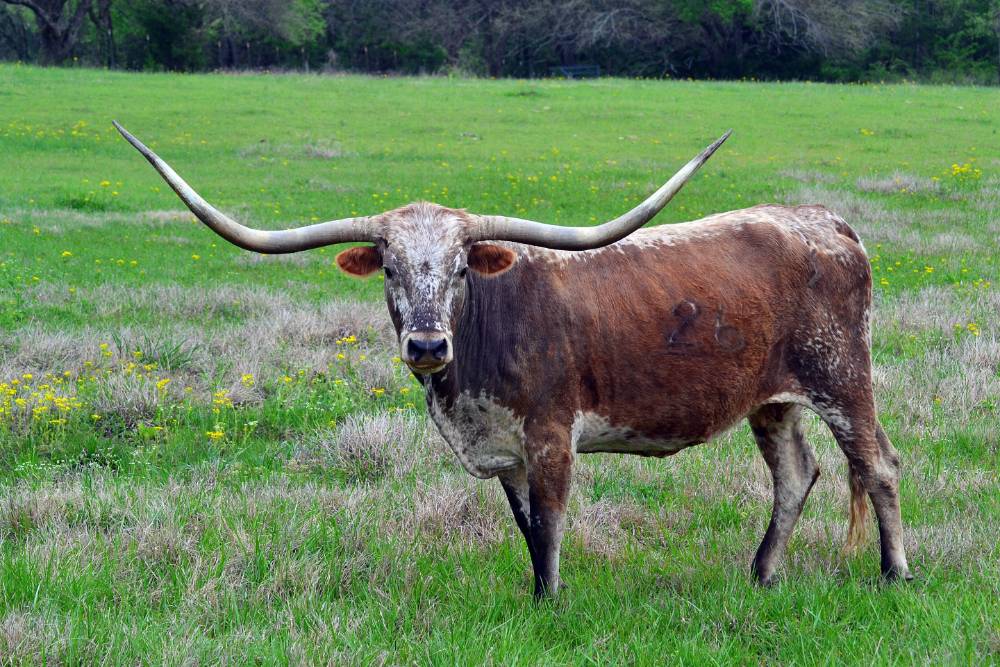
The Texas Longhorn is intrinsically linked to the history and geography of Texas. These hardy cattle, known for their impressive horns and resilience, are descendants of the original Spanish cattle brought to the Americas centuries ago. Their ability to adapt to harsh climates and scarce resources made them ideal for the burgeoning cattle industry that shaped the early Texan economy and culture.
Vast Ranches and Open Spaces
Today, the primary domain of the Texas Longhorn is the sprawling ranches scattered across Texas. From the rolling hills of the Texas Hill Country to the vast plains of West Texas, these ranches provide the ideal environment for longhorns to graze and roam. Many of these ranches are not just agricultural operations but also tourist destinations, offering visitors a glimpse into a bygone era and a chance to experience the authentic Texan ranching lifestyle.
Ranches like the 6666 Ranch and the King Ranch have a storied history with cattle, including Longhorns. While their primary focus may have evolved over the years, their legacy is deeply intertwined with the breeds that defined early Texan ranching. These large-scale operations often dedicate sections of their land to preserving Longhorn herds, ensuring the continuation of this unique breed.
Visitors to these ranches can often engage in various activities, from guided safaris and trail rides to simply observing the herds from a distance. The sheer scale of these properties means that spotting Texas Longhorns can feel like a genuine exploration, searching for these majestic animals against a backdrop of breathtaking Texan scenery. The landscape itself, characterized by scrub brush, mesquite trees, and wide-open skies, is a crucial element of the Longhorn experience, evoking a sense of freedom and untamed beauty.
The Importance of Preservation
While Longhorns were once nearly extinct due to crossbreeding with more commercially viable cattle breeds, dedicated ranchers and organizations have worked tirelessly to preserve the breed. This preservation effort is not just about maintaining a historical lineage but also about recognizing the unique qualities of the Texas Longhorn – its docility, adaptability, and the sheer aesthetic appeal of its impressive horns.
The resurgence of interest in Texas Longhorns has led to them being featured in various agricultural shows, rodeos, and even as prized possessions on smaller farms and hobby ranches. This renewed appreciation ensures that the breed remains a vibrant part of Texan agriculture and culture. Many ranches now actively participate in Longhorn shows, showcasing the finest specimens and educating the public about their heritage.
Experiencing the Texas Longhorn Up Close
Beyond the expansive ranches, numerous opportunities exist for more intimate encounters with the Texas Longhorn, allowing visitors to truly connect with these remarkable animals. These experiences often blend education, adventure, and the unique charm of Texan hospitality.
Guided Tours and Safaris
Many ranches and wildlife parks offer guided tours specifically designed to showcase their Longhorn populations. These tours can range from leisurely jeep excursions across the property to more adventurous horseback riding expeditions. Knowledgeable guides often share fascinating insights into the history, behavior, and care of Texas Longhorns, making the experience both enjoyable and educational.
These guided experiences provide a safe and structured way to observe the Longhorns in their natural or semi-natural environment. Participants often have the chance to get relatively close to the animals, observe their social dynamics, and marvel at the sheer size and curvature of their horns. Some tours might even include opportunities for feeding or interacting with trained Longhorns, under the supervision of experienced handlers.
For those seeking an even more immersive experience, some ranches offer overnight stays. This allows visitors to spend more time on the property, potentially witnessing Longhorns at different times of the day and experiencing the tranquil ambiance of rural Texas. Imagine waking up to the sound of cattle lowing and spending your days exploring the landscapes where these iconic animals reside.
Rodeos and Agricultural Fairs

The Texas Longhorn is a staple at many Texan rodeos and agricultural fairs. While they may not always be the primary focus of the competitive events, their presence adds a significant historical and cultural dimension. Seeing Longhorns paraded or featured in demonstrations serves as a living link to the state’s cattle-driving past.
Events like the Fort Worth Stockyards National Historic District often feature Longhorn cattle drives, offering a re-enactment of historical cattle movements through the city streets. These drives are a popular tourist attraction, providing a tangible connection to the era when Longhorns were central to the American West. The Stockyards themselves are a landmark, preserving the history and atmosphere of the old livestock markets.
Beyond these iconic events, numerous county fairs and smaller agricultural gatherings across Texas will often have Longhorn displays. These events are a fantastic way to experience local Texan culture, sample regional cuisine, and learn about the diverse livestock breeds that contribute to the state’s rich agricultural heritage.
Breeding Programs and Educational Centers
For those with a deep interest in the Texas Longhorn, visiting facilities dedicated to breeding and conservation offers a more in-depth understanding. Several ranches and educational centers focus on maintaining the genetic purity and health of Longhorn herds. These places often provide educational programs, workshops, and even opportunities for volunteers to get hands-on experience with the cattle.
These centers play a crucial role in the continued survival and success of the breed. By engaging with these programs, visitors not only support conservation efforts but also gain valuable knowledge about the challenges and rewards of raising Texas Longhorns. Some may even offer opportunities to learn about artificial insemination, genetics, and the practicalities of ranch management.
Beyond Texas: Where Else to Find These Majestic Beasts
While Texas is undoubtedly the heartland of the Texas Longhorn, their appeal and presence have extended far beyond the Lone Star State. Thanks to dedicated breeders and enthusiasts, these magnificent animals can now be found in various locations across the United States and even internationally, offering diverse opportunities for encounter and appreciation.
National Parks and Wildlife Refuges
Certain national parks and wildlife refuges have introduced Texas Longhorns as part of their conservation efforts or historical preservation programs. These locations offer a unique chance to see Longhorns in a protected, natural setting, often integrated with other native wildlife. For example, parks that focus on replicating historical ecosystems might include Longhorns to represent the fauna of past eras.
The National Park Service sometimes incorporates heritage breeds into its living history programs. While specific park names are not readily available for general Longhorn populations, researching parks with a focus on historical livestock or western expansion might yield such opportunities. These settings often provide a more untamed and expansive view of the Longhorn, allowing them to roam in environments reminiscent of their wilder ancestors.
Private Collections and Specialized Ranches
Across the United States, a growing number of private individuals and specialized ranches are dedicated to breeding and showcasing Texas Longhorns. These operations, often found in states with suitable climates and grazing land, provide another avenue for encountering the breed. Many of these owners are passionate about their animals and welcome visitors by appointment or through organized events.
States like Oklahoma, Kansas, Missouri, and even further afield in the Pacific Northwest and Northeastern United States have breeders actively involved in Longhorn associations. These breeders often participate in regional shows and sales, which can be excellent opportunities to see a wide variety of Longhorns and speak directly with owners about their experiences.
These private collections can range from small hobby farms with a few prized animals to larger operations focused on genetic improvement and breed promotion. Researching Texas Longhorn breeder directories or contacting regional Longhorn associations can help in identifying these locations. Some of these ranches may also offer guest accommodations, allowing for a more immersive stay with the animals.
International Presence
The allure of the Texas Longhorn is not confined to North America. Due to their distinctive appearance and robust nature, Longhorns have been exported to various countries, particularly in Europe, Australia, and South America. In these locations, they are often kept by private breeders, agricultural institutions, or even featured in specialized wildlife parks.
While finding Texas Longhorns outside of the United States might require more specific research, their presence in these international settings underscores the global fascination with this iconic breed. These international populations contribute to the breed’s genetic diversity and help maintain its presence worldwide. For travelers abroad with a keen interest in the Texas Longhorn, exploring local livestock directories or contacting agricultural organizations in their destination countries could reveal unexpected opportunities to see these impressive animals.
In conclusion, the Texas Longhorn is more than just a symbol; it is a living testament to the history, resilience, and spirit of Texas and the wider American West. Whether you seek them on the vast ranches of their homeland or discover them in unexpected corners of the world, the encounter with these magnificent creatures is an experience that resonates with the wild beauty and enduring legacy of these remarkable animals.
LifeOutOfTheBox is a participant in the Amazon Services LLC Associates Program, an affiliate advertising program designed to provide a means for sites to earn advertising fees by advertising and linking to Amazon.com. Amazon, the Amazon logo, AmazonSupply, and the AmazonSupply logo are trademarks of Amazon.com, Inc. or its affiliates. As an Amazon Associate we earn affiliate commissions from qualifying purchases.