
The Alamo, a name synonymous with bravery, sacrifice, and a pivotal moment in Texas history, stands as one of the most iconic landmarks in the United States. For many, it represents the spirit of resilience and the fight for freedom. But when one asks, “Where is The Alamo in Texas located?”, the answer is not just a simple address; it’s an invitation to explore a city rich in history, culture, and vibrant life. The Alamo’s presence anchors a significant historical district, drawing millions of visitors each year to its hallowed grounds and the surrounding city that pulses with a unique Texan charm.

To truly appreciate the significance of the Alamo, one must understand its geographical context. It is nestled in the heart of San Antonio, a city that blends its Spanish colonial past with a dynamic, modern present. This historic mission, once a frontier outpost, now resides in a bustling urban landscape, a testament to the enduring power of its story. Exploring the Alamo is not just about visiting a single site; it’s about immersing yourself in the narrative of Texas and experiencing the captivating atmosphere of San Antonio itself.
The Historic Heart of San Antonio
The Alamo is more than just a building; it’s a living testament to the 1836 Battle of the Alamo, where a small group of Texian defenders famously held out against a much larger Mexican army led by General Santa Anna. This heroic stand, though ultimately a defeat for the Texans, became a powerful rallying cry for independence, echoing the phrase “Remember the Alamo!” This pivotal event is deeply ingrained in the identity of Texas and draws history enthusiasts from across the globe.
The Mission Era and Beyond
Before becoming a fortress and a battlefield, the Alamo began its life as Mission San Antonio de Valero in the early 18th century. Established by Franciscan missionaries in 1718, its original purpose was to educate and convert the indigenous Coahuiltecan people to Christianity. The mission complex, originally sprawling, included a church, living quarters, workshops, and agricultural lands. Over the decades, as Spanish influence waned and Mexican rule began, the mission’s role shifted. It was secularized and eventually became a military post, leading to its designation as the “Alamo”. It was during this period that the iconic chapel, now the most recognizable structure of the Alamo, was built. The name “Alamo” itself is believed to have originated from the cavalry unit stationed there, the “Alamo de Parras,” from Coahuila, Mexico.
The story of the Alamo is intrinsically linked to the broader narrative of Texan independence and its eventual annexation by the United States. The 1836 battle was a crucial turning point in the Texas Revolution. The defenders, including legendary figures like Davy Crockett, Jim Bowie, and William B. Travis, fought valiantly for 13 days. Their sacrifice, though tragic, galvanized the Texian army and ultimately led to victory at the Battle of San Jacinto just a few weeks later. This historical significance is why the Alamo is not just a tourist attraction but a revered shrine to Texan valor.
The Alamo’s Location in Downtown San Antonio
The Alamo is strategically located in the heart of Downtown San Antonio, Texas. Its address is 300 Alamo Plaza, San Antonio, TX 78205. This central location makes it easily accessible for tourists visiting the city. It sits at the intersection of historical narratives and modern urban development, surrounded by the vibrant energy of the city.
Surrounding the Alamo is Alamo Plaza, a public space that often hosts events and serves as a starting point for exploring the surrounding historical sites. The plaza itself has a rich history, witnessing many of the events that unfolded around the mission. Today, it is a place where visitors can reflect on the past while enjoying the amenities of a modern city. The proximity of the Alamo to other significant San Antonio landmarks further enhances its appeal and makes for a comprehensive historical and cultural experience.
Exploring the Alamo and its Surroundings
Visiting the Alamo offers a profound glimpse into the past, but the experience extends far beyond the mission walls. The city of San Antonio itself is a treasure trove of historical sites, cultural experiences, and culinary delights, all deeply influenced by its Spanish heritage and its role in Texan history.
The Alamo Complex: What to See and Do
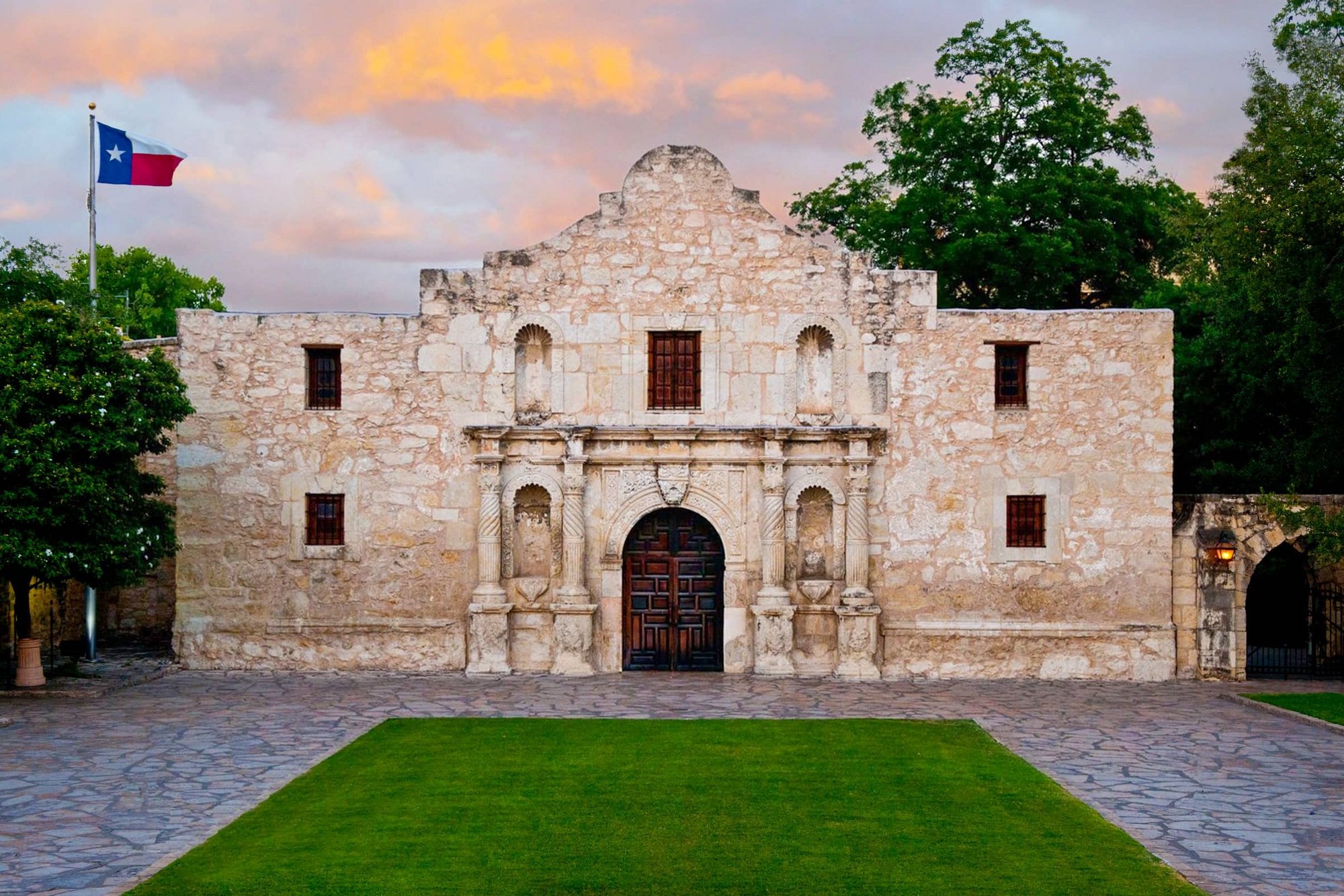
The Alamo complex today comprises several key areas. The most prominent is the Church, the iconic façade that most people associate with the landmark. Inside, visitors can learn about the history of the mission and the battle through exhibits and artifacts. The Long Barrack, believed to be one of the oldest buildings on the site, offers a more intimate look at the daily life of those who lived and fought there. It houses displays of weapons, uniforms, and personal items from the era.
Beyond the main structures, the grounds of the Alamo include beautiful gardens and a cemetery where many of the defenders are believed to be buried. Guided tours are highly recommended to gain a deeper understanding of the site’s complex history. These tours often provide fascinating anecdotes and insights that might be missed by a self-guided visit. Educational programs and reenactments are frequently held, bringing the history of the Alamo to life in a vivid and engaging way.

Nearby Attractions and Experiences in San Antonio
The Alamo is just one piece of the rich tapestry that is San Antonio. A short walk from the Alamo leads to the famous River Walk, a network of walkways that wind along the San Antonio River. This vibrant promenade is lined with restaurants, shops, and art galleries, offering a delightful experience for leisurely strolls, boat tours, and dining. The River Walk itself is a testament to San Antonio‘s ability to blend natural beauty with urban development.
Other significant historical sites in San Antonio include the other four missions that, along with the Alamo, form the San Antonio Missions National Historical Park, a UNESCO World Heritage Site. These include Mission Concepción, Mission San Jose, Mission San Juan, and Mission Espada. Each mission offers a unique perspective on the Spanish colonial era and the lives of the people who lived and worked there. Exploring these missions provides a comprehensive understanding of the historical context in which the Alamo played its crucial role.
For those interested in local culture and history, the Market Square (El Mercado) is a must-visit. It is one of the largest Mexican markets in the United States, offering a vibrant atmosphere, authentic Mexican cuisine, and a wide array of handcrafted goods. The Tower of the Americas, a prominent landmark, offers panoramic views of the city and the surrounding landscape, allowing visitors to grasp the geographical scope of San Antonio and its historical sites.
The city also boasts a thriving arts and culture scene. The San Antonio Museum of Art showcases a diverse collection, from ancient to contemporary art, with a particularly strong collection of Latin American art. The McNay Art Museum is another excellent option for art lovers, housed in a beautiful Spanish Colonial Revival mansion. For a taste of modern Texas, the Pearl District, a revitalized historic brewery complex, is now a trendy hub for dining, shopping, and entertainment.
Planning Your Visit to the Alamo
A trip to the Alamo and San Antonio can be an enriching and memorable experience. Careful planning ensures you make the most of your time, whether you’re a history buff, a family on vacation, or a traveler seeking authentic cultural immersion.
Accommodation Options in San Antonio
San Antonio offers a wide range of accommodation options to suit every budget and preference. For those seeking proximity to the Alamo and the River Walk, numerous hotels are available in the Downtown area. These range from luxury hotels offering premium amenities to more budget-friendly options.
For a more immersive experience, consider staying in a historic hotel. Many buildings in Downtown have been beautifully restored and offer a unique glimpse into the city’s past. For families, suites or apartments can provide more space and convenience. If you prefer a resort-style experience with extensive amenities, you might look at options slightly outside the immediate Downtown core, but still easily accessible.
Popular hotel chains and boutique hotels abound. Some well-regarded options in or near the Downtown area include the Hotel Emma (known for its luxury and historic setting), the Marriott Riverwalk, and the Hyatt Regency San Antonio Riverwalk. When booking, consider checking reviews and comparing prices on accommodation websites to find the best deal for your stay. Many hotels offer packages that include access to local attractions or dining credits, which can enhance your travel experience.
Tips for Visiting the Alamo and San Antonio
To make the most of your visit to the Alamo, it’s advisable to book tickets or timed entry passes in advance, especially during peak tourist seasons. This can help you avoid long queues and ensure you get to explore the site at your preferred time. Wear comfortable shoes, as you’ll likely be doing a lot of walking, both within the Alamo complex and as you explore the surrounding San Antonio attractions.
The weather in Texas can be quite warm, especially during the summer months, so stay hydrated and wear sun protection. Consider visiting during the spring or fall for more pleasant temperatures. When exploring the River Walk, take advantage of the various tour options, such as guided walking tours or narrated boat tours, to learn more about its history and development.
When it comes to food, San Antonio is renowned for its Tex-Mex cuisine. Be sure to sample some authentic dishes like enchiladas, tacos, and chili. Many restaurants along the River Walk and in other parts of the city offer delicious and varied menus. Exploring local markets like Market Square can also be a culinary adventure.
Finally, be prepared to immerse yourself in the rich history and vibrant culture of San Antonio. From the echoes of the Alamo battle to the lively rhythms of Market Square, the city offers a unique blend of experiences that capture the spirit of Texas. Whether you’re interested in historical landmarks, culinary exploration, or simply enjoying the local ambiance, San Antonio promises a fulfilling journey. Remember that the Alamo is not just a destination; it’s the starting point for a deeper understanding of a significant chapter in American history and the captivating city that cherishes its legacy.
LifeOutOfTheBox is a participant in the Amazon Services LLC Associates Program, an affiliate advertising program designed to provide a means for sites to earn advertising fees by advertising and linking to Amazon.com. Amazon, the Amazon logo, AmazonSupply, and the AmazonSupply logo are trademarks of Amazon.com, Inc. or its affiliates. As an Amazon Associate we earn affiliate commissions from qualifying purchases.