
The vast and varied landscape of Texas is known for its sprawling ranches, vibrant cities, and rich cultural tapestry. While the state is often pictured with images of the Gulf Coast, the Hill Country, or the bustling metropolises of Dallas and Houston, there exists a distinct region often referred to as the Texas Panhandle. This unique geographical area, situated at the uppermost reaches of the state, possesses a character all its own, shaped by its history, its natural wonders, and its resilient people. Understanding its location is the first step to appreciating its charm and the wealth of experiences it offers to travelers, history buffs, and those seeking an authentic slice of the American West.

Defining the Texas Panhandle: Geographical and Political Boundaries
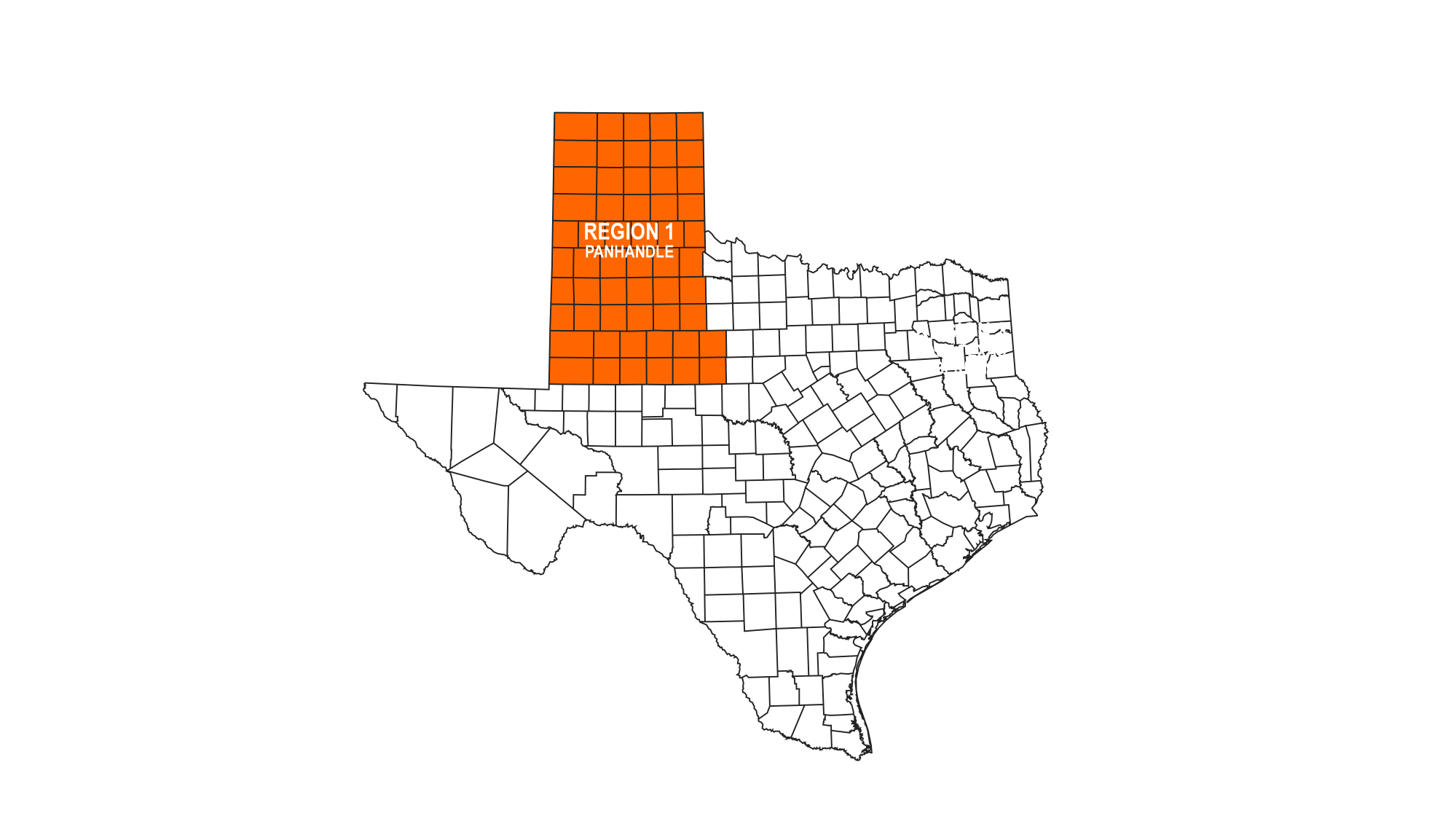
The Texas Panhandle is not merely an informal designation; it is a clearly defined geographical and political entity within Texas. Its unique shape, resembling a pan’s handle extending northward from the main body of the state, gives it its name. Geographically, the Panhandle is a high, semi-arid plateau. It is bordered by Oklahoma to the north and east, New Mexico to the west, and the rest of Texas to the south. This strategic positioning influences its climate, its ecosystems, and its historical development, setting it apart from the southern and eastern parts of the state.
The Northernmost Reaches of Texas
Politically, the Texas Panhandle comprises 26 counties in the northernmost part of Texas. This northernmost status is a key identifier. Unlike the rolling hills and dense pine forests found in East Texas or the subtropical climate of the Gulf Coast, the Panhandle is characterized by its flat terrain, vast open spaces, and a climate that experiences distinct seasons, including hot summers and cold, windy winters. The land is predominantly used for agriculture and ranching, reflecting a strong connection to the cowboy culture and the pioneering spirit of the American West. The Panhandle‘s location means it shares borders with three other states, which has historically facilitated cultural exchange and economic ties, further shaping its identity.
A Distinct Topographical Identity
The topography of the Texas Panhandle is a defining characteristic. It is largely characterized by the Great Plains, a vast expanse of flat or gently rolling land. This region is a significant portion of the larger North American Great Plains physiographic region. Unlike the more varied landscapes found elsewhere in Texas, the Panhandle‘s flatness is iconic, with an endless horizon that can be both awe-inspiring and humbling. This uniformity of terrain, however, is punctuated by significant geological features that add to its allure. The most prominent of these is the Palo Duro Canyon, often referred to as the “Grand Canyon of Texas.” This colossal geological formation, carved by the Palo Duro Creek, offers a dramatic contrast to the surrounding plains, showcasing colorful rock layers and offering breathtaking vistas. The presence of such natural wonders underscores that while the Panhandle might be geographically uniform in its broader strokes, it holds pockets of spectacular natural beauty and unique geological formations.
Key Cities and Hubs within the Texas Panhandle
While the Texas Panhandle is known for its wide-open spaces and rural landscapes, it is also home to several important cities that serve as cultural, economic, and transportation hubs for the region. These urban centers provide amenities, attractions, and a glimpse into the modern life of this historic area, while still retaining the characteristic spirit of the West Texas frontier. Understanding the location of these cities is crucial for navigating the Panhandle and accessing its diverse offerings.
Amarillo: The Economic and Cultural Heart
The undisputed largest city and economic engine of the Texas Panhandle is Amarillo. Located in the north-central part of the region, Amarillo is a vital crossroads, situated at the intersection of Interstate 40 and U.S. Highway 287. This strategic location makes it a key stop for travelers traversing the country and a significant center for commerce and industry in the Panhandle. Amarillo is famous for its vibrant cattle industry, its rich Route 66 heritage, and its unique attractions. Visitors flock to the city to experience the iconic Cadillac Ranch, a quirky art installation where ten Cadillacs are half-buried nose-down in the ground, inviting visitors to leave their mark with spray paint. Another must-visit is the Big Texan Steak Ranch, world-renowned for its 72-ounce steak challenge, a testament to the region’s hearty appetite and cowboy traditions. The city also boasts the American Quarter Horse Hall of Fame & Museum, celebrating the breed that is synonymous with the American West. Amarillo‘s hospitality sector is robust, with a wide range of hotels and lodging options to suit every traveler’s needs, from budget-friendly motels along Route 66 to more upscale accommodations.
Lubbock: A Center of Education and Culture
Further south in the Panhandle, Lubbock stands as another significant urban center. Situated in the southern part of the Panhandle, it is a major hub for education, healthcare, and agriculture. Lubbock is home to Texas Tech University, a large public research university that significantly influences the city’s culture and economy. The presence of the university brings a youthful energy and a vibrant arts scene to the city, with numerous galleries, theaters, and live music venues. Lubbock is also the birthplace of the legendary musician Buddy Holly, and the Buddy Holly Center is a popular attraction for music enthusiasts, preserving his legacy and showcasing his influence on popular music. The city’s economy is heavily tied to cotton farming, earning it the nickname “Hub City” for its role as a trade and distribution center for the surrounding agricultural region. For travelers, Lubbock offers a range of dining experiences, from authentic Texas barbecue to international cuisine, and a variety of accommodations, including hotels and bed and breakfasts.
Other Notable Towns and Communities
Beyond Amarillo and Lubbock, the Texas Panhandle is dotted with numerous smaller towns and communities, each with its own unique charm and historical significance. Towns like Plainview, Canyon (home to Palo Duro Canyon State Park), and Childress offer a more intimate glimpse into Panhandle life. These smaller communities often preserve local history through museums and historical markers, and their slower pace of life provides a refreshing contrast to the larger cities. Exploring these towns can lead to unexpected discoveries, from roadside diners serving classic comfort food to antique shops filled with treasures from the past. Each community contributes to the overall mosaic of the Texas Panhandle, offering a more localized and authentic travel experience for those willing to venture off the main highways.
Attractions and Experiences in the Texas Panhandle
The Texas Panhandle may be characterized by its wide-open spaces, but it offers a surprisingly diverse array of attractions and experiences for visitors. From natural wonders that dwarf human scale to attractions steeped in history and the unique culture of the West, there is something to captivate every traveler. The region’s identity is deeply intertwined with its landscape, its history, and its people, offering a journey that is both educational and exhilarating.
Natural Wonders and Outdoor Adventures
The most iconic natural attraction in the Texas Panhandle is undoubtedly Palo Duro Canyon State Park. This immense canyon, stretching for over 120 miles and plunging up to 800 feet deep, is a breathtaking testament to the power of erosion. Visitors can explore the canyon’s floor by hiking, biking, or horseback riding on its numerous trails, marveling at the vibrant colors of the rock formations, which include the famous Lighthouse Rock. The park also offers opportunities for camping, stargazing, and scenic drives, providing an immersive experience in the raw beauty of the Texas landscape. Beyond Palo Duro Canyon, the Panhandle‘s flat terrain lends itself to other outdoor activities. The vast skies are ideal for birdwatching and, given the region’s low light pollution, exceptional stargazing. Several smaller state parks and natural areas offer opportunities for exploration and a connection with the natural environment. For those interested in geology, the region’s sedimentary rock formations tell a story of millions of years of history.
Historical Sites and Cultural Immersion
The Texas Panhandle is rich in history, deeply connected to the era of westward expansion, cattle drives, and the development of Texas as a frontier state. Route 66, the historic “Mother Road,” winds its way through the Panhandle, bringing with it a nostalgic charm. Towns like Amarillo, Adrian (the geographical midpoint of Route 66), and Shamrock boast well-preserved diners, motels, and gas stations that evoke the golden age of American road travel. Visitors can drive sections of the original Route 66, stopping at quirky roadside attractions and soaking in the history of this iconic highway. The Panhandle‘s cowboy heritage is also on full display. Many ranches in the area continue traditional ranching practices, and visitors can often find opportunities for guided horseback riding tours or even short stays at working ranches, offering a genuine taste of ranch life. The Panhandle-Plains Historical Museum in Canyon is one of the largest history museums in Texas, covering the region’s natural history, Native American heritage, ranching, and oil industries. It offers an in-depth look at the forces that shaped this unique part of the state.
Unique Landmarks and Quirky Attractions
In addition to its natural and historical sites, the Texas Panhandle is known for its collection of unique and sometimes eccentric landmarks that draw visitors from far and wide. The aforementioned Cadillac Ranch near Amarillo is a prime example, a vibrant and ever-changing art installation that has become a symbol of the region’s artistic spirit and willingness to embrace the unconventional. The Big Texan Steak Ranch, while a dining establishment, is also a landmark in its own right, drawing attention for its legendary steak challenge and its kitschy, cowboy-themed atmosphere. Further exploration might lead to smaller, often privately-owned attractions that showcase local ingenuity and a passion for preserving unique aspects of Texas culture. These quirky stops add a layer of unexpected delight to any journey through the Panhandle, reminding travelers that adventure can be found in the most surprising places. From embracing the iconic symbols of Route 66 to celebrating the artistic expression of Cadillac Ranch, the Panhandle offers a travel experience that is both grounded in history and refreshingly original.
LifeOutOfTheBox is a participant in the Amazon Services LLC Associates Program, an affiliate advertising program designed to provide a means for sites to earn advertising fees by advertising and linking to Amazon.com. Amazon, the Amazon logo, AmazonSupply, and the AmazonSupply logo are trademarks of Amazon.com, Inc. or its affiliates. As an Amazon Associate we earn affiliate commissions from qualifying purchases.