
While the primary focus of this platform often revolves around the exciting world of travel, from exploring the vibrant culture of Austin to discovering the historical charm of San Antonio, and from finding the perfect resort for a luxurious getaway to planning a family trip to the Alamo, there are occasions when practical matters of everyday life intersect with our wanderlust. One such instance is the need to understand where to mail your tax return in the great state of Texas.
For many, filing taxes can feel like a chore, a stark contrast to the joy of booking a charming villa in the Hill Country or planning an adventure along the Texas Coast. However, just as meticulous planning goes into selecting the ideal accommodation for your travels, a little precision is required when it comes to fulfilling your tax obligations. This guide aims to demystify the process of mailing your tax return in Texas, ensuring you send it to the correct address for timely processing, whether you’re a resident of bustling cities like Houston or quieter towns.
Understanding Your Tax Return Mailing Options in Texas
Navigating the postal system for official documents like tax returns can sometimes feel as complex as deciphering the best travel guide for an unfamiliar destination. Fortunately, for tax returns in Texas, the process is largely streamlined, especially when dealing with federal tax returns filed with the Internal Revenue Service (IRS). While Texas does not have a state income tax, residents are still responsible for federal income taxes. This means the primary address you’ll need to concern yourself with is that of the IRS.
The IRS offers specific mailing addresses depending on the type of return you are filing and whether you are due a refund or need to enclose a payment. It’s crucial to consult the official IRS website or the specific instructions included with your tax forms for the most up-to-date and accurate mailing addresses. These addresses can vary slightly from year to year, and using an outdated address could lead to delays, much like booking an apartment that doesn’t meet your expectations.
Federal Tax Returns: The IRS Address in Texas
When it comes to federal income tax returns, the IRS has designated service centers that handle mail from various regions. For individuals and businesses in Texas, the relevant service center is typically located in Austin, Texas. This makes the process relatively straightforward for most Texan taxpayers.
Mailing Your Federal Tax Return to the Austin Service Center
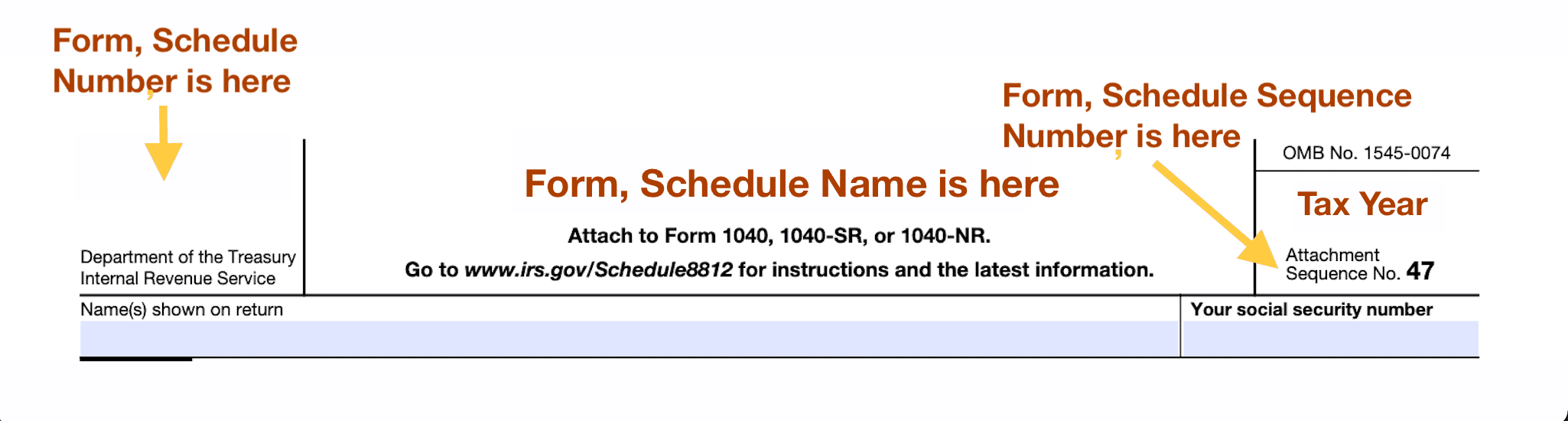
The specific mailing address for the Austin Service Center can be found in the instructions for the tax forms you are using, such as Form 1040. These instructions are readily available on the IRS website. However, for general guidance, the IRS often provides a range of addresses based on whether you are enclosing a payment or if you are expecting a refund.
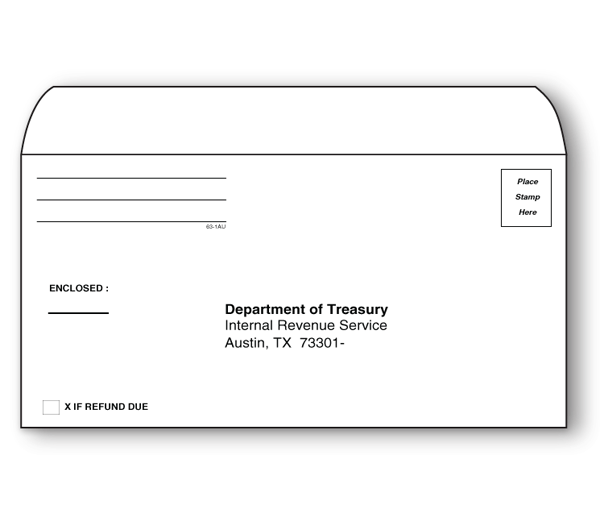
For example, if you are filing your federal income tax return and enclosing a payment, the address might differ from the one you would use if you are not enclosing a payment. It is paramount to double-check these details. A common mailing address for tax returns without a payment to the Austin Service Center often follows a format like:
Internal Revenue Service
Austin, TX 73301-0001
However, if your return includes a payment, the address might specify a different lockbox number or a slightly altered address to ensure prompt processing of your remittance. It’s always best practice to refer to the official IRS publications or the specific tax form instructions for the correct address.
Example of Address Variation (Illustrative – Always verify with IRS instructions):
-
For returns without payment:
Internal Revenue Service
Austin, TX 73301-0001 -
For returns with payment:
Internal Revenue Service
P.O. Box 12345
Austin, TX 73301-6345 (This is a placeholder and not an actual IRS address.)
The IRS website (IRS.gov) is the most reliable source for these addresses. You can typically find them by searching for “Where to File” or by looking at the specific instructions for the tax form you are completing. The information is usually presented in a clear table format, allowing you to quickly identify the correct address based on your state and the type of return. This is akin to consulting a detailed travel guide to find the exact location of a hidden gem.
State-Level Tax Considerations in Texas
As mentioned earlier, Texas is one of a handful of states that do not impose a state income tax on individuals. This significantly simplifies tax filing for residents, as you will only need to concern yourself with federal tax obligations. This is a notable advantage for Texans, freeing up resources and time that might otherwise be dedicated to state tax preparation.
However, it’s important to note that Texas does have other forms of taxation, such as sales tax and property tax. These are typically handled through different state agencies and have their own filing procedures and mailing addresses, which are distinct from income tax filings. For example, businesses that collect sales tax will interact with the Texas Comptroller of Public Accounts, not the IRS, for these matters.
While you won’t be mailing a state income tax return in Texas, it’s always wise to stay informed about any potential changes in state tax laws, though significant shifts in income tax policy are historically rare in the state. This proactive approach to understanding financial obligations can be as rewarding as discovering new attractions on a vacation.
Choosing the Right Mailing Method and Preparation
Once you have confirmed the correct IRS mailing address in Austin, the next step is to ensure your tax return is prepared and mailed correctly. This involves proper packaging, choosing a reliable mailing service, and understanding the importance of postmarks.
Preparing Your Tax Return for Mailing
Before you even consider the address, ensure your tax return is complete, accurate, and signed. Attach all necessary schedules and supporting documents. If you are enclosing a payment, make sure it is properly made out to the U.S. Treasury and signed. Using a checklist can be as helpful as a packing list for a long family trip.
- Accuracy is Key: Double-check all figures and personal information to avoid errors that could lead to processing delays.
- Signatures: Ensure your return is signed and dated.
- Supporting Documents: Include all required W-2s, 1099s, and other relevant forms.
- Payment: If making a payment, ensure it is in the correct form (check or money order) and payable to the U.S. Treasury.
Selecting a Mailing Service
For important documents like tax returns, it is highly recommended to use a mailing service that provides tracking and confirmation. This offers peace of mind and a record of your mailing date, which can be crucial if any issues arise.
- Certified Mail: This service provides proof of mailing and proof of delivery. It’s a reliable option for ensuring your return reaches its destination.
- Priority Mail with Tracking: Offered by the United States Postal Service (USPS), this service provides faster delivery and tracking capabilities.
- Private Carriers (e.g., FedEx, UPS): While these services can be more expensive, they often offer expedited delivery and robust tracking. However, ensure they deliver directly to the IRS Service Center address or are accepted by the IRS for tax document delivery. The IRS generally prefers mail sent through the USPS.
Always use the official postal service (USPS) for tax returns sent to the IRS. Private carriers may have different delivery protocols and might not be suitable for direct submission to IRS service centers.
Understanding the Postmark
The postmark date on your mailed tax return is considered the date of filing. This is especially important for meeting deadlines, such as the April 15th tax deadline. To ensure your return is considered timely, mail it several days in advance of the deadline, especially if you are not using an expedited shipping service.
- Allow Ample Time: Factor in standard delivery times and potential delays.
- Post Office Visit: For crucial deadlines, consider mailing your return directly at a post office to ensure it receives an official postmark on the day of mailing.
Where to Find the Most Current IRS Mailing Information
The digital age offers unparalleled access to information, and for tax-related matters, the IRS website is the most authoritative source. Relying on outdated advice or generic addresses can lead to complications, much like using an old map to navigate a modern city.
Navigating IRS.gov
The official website of the Internal Revenue Service is designed to be user-friendly and informative. To find the correct mailing address for your tax return, follow these steps:
- Visit IRS.gov: Go to the official website.
- Search Function: Utilize the search bar and type in “Where to File” or the specific form number (e.g., “Form 1040 instructions”).
- Tax Form Instructions: The most reliable place to find mailing addresses is within the instructions booklet for the specific tax form you are filing. These instructions are typically available as downloadable PDFs on IRS.gov.
- “Where to File” Page: The IRS also provides a dedicated “Where to File” page that lists addresses by state and type of tax return.

Specific Instructions for Different Tax Forms
The IRS has various forms for different tax situations. The mailing address can vary depending on whether you are filing an individual tax return (Form 1040 series), a business tax return (e.g., Form 1120), or other specific tax forms. Always refer to the instructions that accompany the exact form you are completing.
For instance, if you are a small business owner in Texas and need to file a business tax return, the IRS address might differ from the individual taxpayer address. Similarly, if you are filing an amended return (Form 1040-X), there will be a specific address for that as well.
Key Takeaway: The IRS headquarters are not located in Texas, but they operate service centers across the country, including one in Austin, which serves Texan taxpayers for federal income tax returns.
By diligently following these guidelines, you can ensure your tax return is mailed to the correct address, contributing to a smooth and timely tax filing process. This attention to detail mirrors the care one might take when planning an itinerary for a dream vacation, ensuring all the important elements are in place for a successful experience. Remember, while this guide provides general information, the IRS website and official tax form instructions remain the ultimate authorities for specific mailing details.
LifeOutOfTheBox is a participant in the Amazon Services LLC Associates Program, an affiliate advertising program designed to provide a means for sites to earn advertising fees by advertising and linking to Amazon.com. Amazon, the Amazon logo, AmazonSupply, and the AmazonSupply logo are trademarks of Amazon.com, Inc. or its affiliates. As an Amazon Associate we earn affiliate commissions from qualifying purchases.