
The Lone Star State, a land of sprawling ranches, ambitious dreams, and an undeniable spirit of “everything’s bigger in Texas,” extends this ethos to its educational institutions. Walk onto any Texas campus, and you’re likely to be struck by its sheer scale. These are not just schools; they are often sprawling complexes, encompassing vast athletic fields, numerous specialized buildings, and a student body that can rival the population of a small town. The question naturally arises: why are schools in Texas so big? This phenomenon is a complex tapestry woven from threads of history, demographics, geography, economics, and a deeply ingrained cultural value system. To truly understand the colossal nature of Texas schools, we must delve into these contributing factors.

The Foundation: Demographics and Geography
Texas is the second-largest state in the United States by both area and population. This immense geographical expanse and a rapidly growing populace are foundational to understanding the scale of its school districts.
Rapid Population Growth and Urban Sprawl
For decades, Texas has been a magnet for people seeking economic opportunity and a more affordable lifestyle. Cities like Houston, Dallas, San Antonio, and Austin have experienced explosive growth, fueled by industries like energy, technology, and aerospace. This influx of new residents, many of them families, directly translates into a burgeoning student population. To accommodate these growing numbers, school districts must either expand existing facilities or build new ones. Given the scale of the population increase, “expansion” often means creating significantly larger schools.
Furthermore, the characteristic urban sprawl of many Texas cities means that residential development often extends far beyond the traditional city limits. This decentralization necessitates schools that can serve vast geographical areas, often requiring students to travel considerable distances. The sheer size of these catchment zones dictates the need for larger student capacities within individual schools to minimize the number of campuses required. Imagine trying to serve a geographically dispersed population with many small schools; the logistical and financial implications would be staggering. Larger schools, while presenting their own challenges, can be a more efficient way to serve a wide area.
Vast Geographical Areas and Rural Considerations
It’s not just the booming urban centers contributing to big schools. Even in more rural parts of Texas, the vast distances between communities often lead to consolidated school districts. To provide educational services to sparsely populated areas, districts frequently encompass hundreds, if not thousands, of square miles. This geographical reality means that a single school might be the closest educational option for students spread across a significant portion of a county. Consequently, these rural schools often need to be larger to accommodate the entire student population within their extensive boundaries. Building numerous small schools across such vast distances would be cost-prohibitive and logistically challenging for transportation and staffing. Consolidation into fewer, larger schools becomes a pragmatic solution.
The Economic Engine: Funding and Efficiency
The economics of education in Texas play a significant role in the size of its schools. Funding mechanisms and a focus on efficiency often favor larger institutions.
The “Texas Size” Mentality and Investment
There’s a cultural element at play, a certain pride in Texas scale. This “Texas size” mentality often extends to investments in infrastructure, including schools. When building new schools or renovating existing ones, there’s a tendency to think big, to create facilities that are not just functional but also impressive. This can manifest in larger classrooms, more extensive athletic facilities, and a wider range of specialized rooms like science labs, art studios, and auditoriums. These amenities, while beneficial to students, contribute to the overall footprint of the school.
Moreover, in a state with a strong emphasis on economic development, schools are sometimes viewed as an investment in the future workforce. Larger schools can sometimes offer a broader array of vocational training and specialized programs, catering to the diverse needs of the state’s economy. The idea is that a well-equipped, large school can better prepare students for a wide range of career paths.
Economies of Scale and Operational Efficiency
From an operational perspective, larger schools can often benefit from economies of scale. Centralized administration, maintenance, and even the purchasing of supplies can become more cost-effective when managed for a larger student body. For example, having one large kitchen to serve 3,000 students might be more efficient than having three smaller kitchens serving 1,000 students each. Similarly, a single maintenance department can manage a larger campus.
This pursuit of operational efficiency is often driven by the state’s funding formulas for public education. While Texas funds its schools through a combination of local property taxes and state aid, districts are constantly looking for ways to maximize their resources. Larger schools can sometimes present a more efficient use of taxpayer money in terms of per-student operational costs, even if the initial construction cost is higher. This is a complex balancing act, as larger schools also come with higher transportation costs due to longer bus routes.
Athletic Programs and Community Hubs
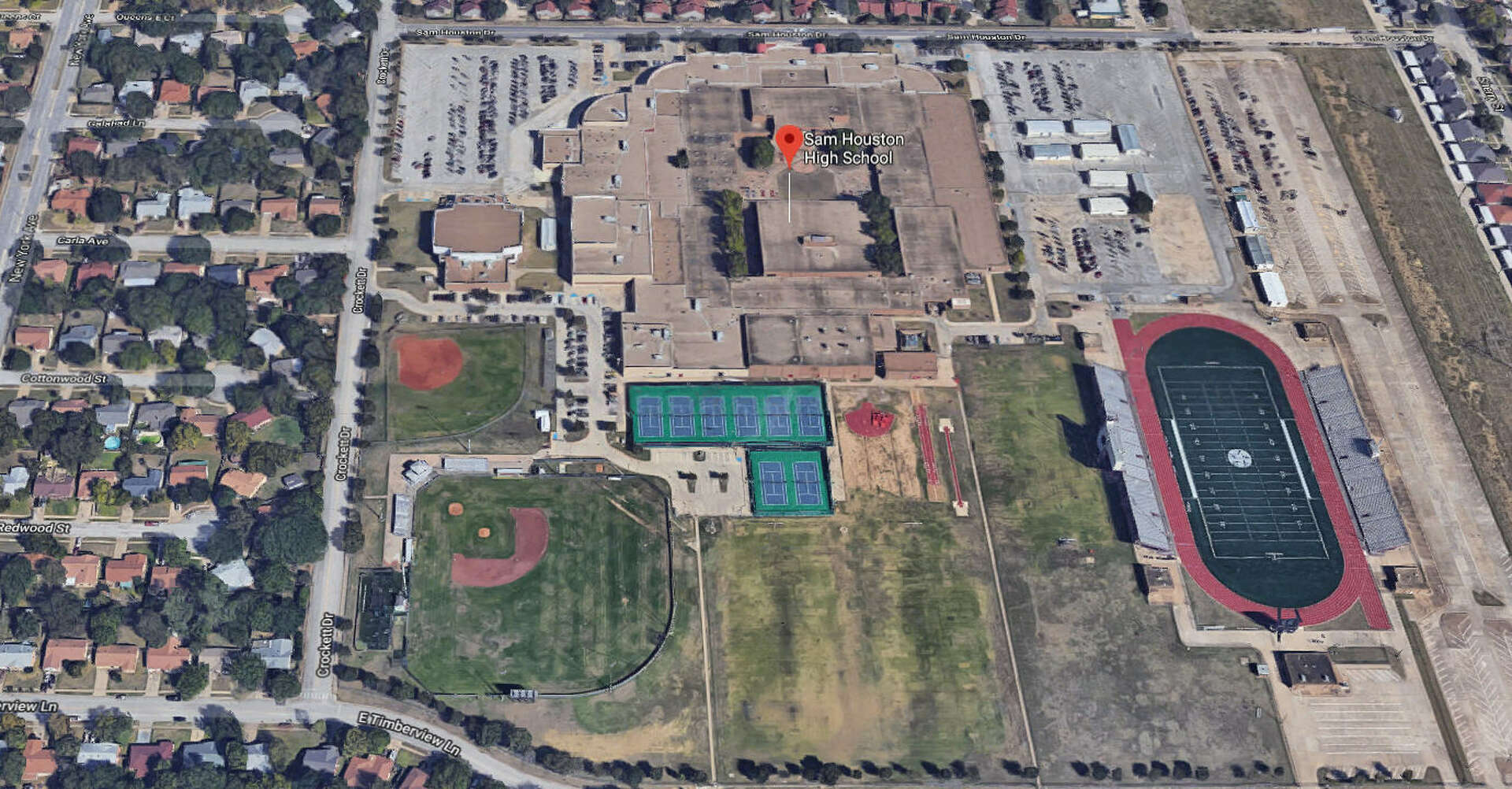
Texas is renowned for its passion for high school football and other athletics. These programs are often a central part of school identity and community life. The pursuit of competitive athletic teams requires significant infrastructure: large football stadiums, multiple baseball and softball fields, tennis courts, and extensive track and field facilities. These athletic complexes, often a source of immense pride for the school and the surrounding community, contribute substantially to the overall size of a school campus.
Beyond athletics, schools in Texas often serve as de facto community centers. They host events, meetings, and performances that are open to the public. The larger facilities of big schools are better equipped to accommodate these community gatherings, further cementing their role as central hubs within their locales. This dual role as educational institutions and community anchors contributes to the justification of their expansive physical presence.
The Impact: Challenges and Advantages of Scale
The largeness of Texas schools is not without its consequences, presenting both distinct advantages and significant challenges for students, educators, and communities.
Advantages of Scale
Larger schools often boast a wider array of academic programs, extracurricular activities, and specialized courses. This breadth of offerings can provide students with more opportunities to explore their interests, discover hidden talents, and engage in enriching experiences. For instance, a larger school might be able to support advanced placement (AP) classes in a wider range of subjects, specialized vocational programs, and a more diverse selection of clubs and organizations, from debate teams to robotics clubs.
Furthermore, larger schools can often attract and retain highly qualified teachers due to better resources, more specialized departmental teams, and potentially higher salaries funded by a larger tax base. The sheer number of students also allows for more specialized support staff, such as counselors, librarians, and special education professionals, to be employed.
From an extracurricular standpoint, the larger student population can fuel more robust and competitive sports teams, music ensembles, and theater productions. The depth of talent available in a larger pool can lead to highly successful programs that bring prestige to the school and the community.
Challenges of Scale
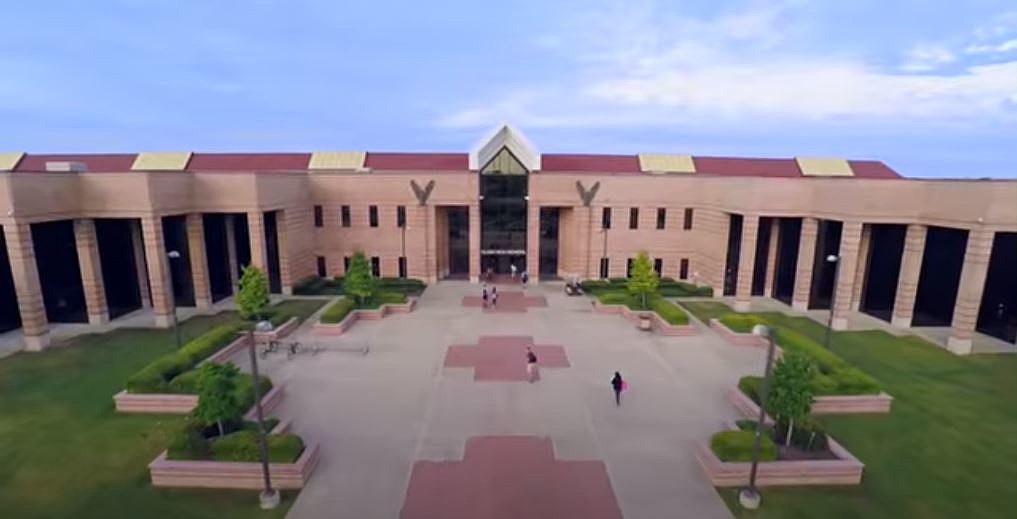
Despite the advantages, the enormous size of some Texas schools presents considerable challenges. A significant concern is the potential for students to feel lost or disengaged in such a large environment. The anonymity of a huge student body can make it difficult for students to form strong connections with teachers and peers, potentially leading to feelings of isolation. Building a sense of community and individual identity can be more challenging when one is one among thousands.
The logistics of managing such large student populations can also be daunting. Transportation becomes a major issue, with students often spending significant amounts of time on school buses traveling long distances. The sheer number of students moving through hallways, cafeterias, and common areas can create congestion and safety concerns. Effective discipline and supervision require a vast number of staff and well-defined procedures.
Moreover, the quality of education can be impacted. While larger schools may offer more programs, the individualized attention a student receives might be diluted. Teacher-student ratios, while potentially lower on paper due to specialized staff, can still feel high in practice when a single teacher is responsible for hundreds of students over the course of a day. The focus can sometimes shift from personalized learning to managing large groups.
In conclusion, the imposing size of schools in Texas is a multifaceted issue, deeply rooted in the state’s expansive geography, rapid demographic shifts, economic considerations, and a cultural inclination towards scale. While these large institutions offer a wealth of opportunities and can operate with a degree of efficiency, they also present unique challenges in fostering a sense of community and ensuring individualized attention for every student. The “Texas-sized” school is a reflection of the state itself – grand, ambitious, and constantly evolving.
LifeOutOfTheBox is a participant in the Amazon Services LLC Associates Program, an affiliate advertising program designed to provide a means for sites to earn advertising fees by advertising and linking to Amazon.com. Amazon, the Amazon logo, AmazonSupply, and the AmazonSupply logo are trademarks of Amazon.com, Inc. or its affiliates. As an Amazon Associate we earn affiliate commissions from qualifying purchases.