
The idea of being “paid to live” somewhere often conjures images of remote, idyllic locales or unique government incentives. In the United States, one destination stands out for famously offering its residents an annual financial dividend: Alaska. Known as the Last Frontier, this vast and captivating state captures the imagination of travelers and prospective residents alike with its breathtaking natural beauty, unique culture, and the intriguing prospect of the Alaska Permanent Fund Dividend (PFD). But how much does one truly get paid, and what does it really mean to live in a place where glaciers meet bustling cities, and wildlife roams free?
For many considering a move or a long-term stay in Alaska, the PFD is a significant draw. It’s a unique program designed to share the state’s natural resource wealth directly with its citizens. However, understanding the financial landscape of Alaska goes far beyond this single payment. It involves grappling with a high cost of living, exploring diverse economic opportunities, and embracing a lifestyle that is unlike almost anywhere else in the world. As experts in travel, accommodation, and unique lifestyle experiences, we delve into the multifaceted answer to this compelling question, providing a comprehensive guide for those enchanted by the prospect of calling Alaska home, whether temporarily or for the long haul.
The Allure of the Last Frontier: Beyond the Permanent Fund Dividend
Alaska has always held a mythical status in the American psyche. Its sheer scale, untamed wilderness, and dramatic landscapes offer an unparalleled sense of adventure and freedom. For many, the idea of “getting paid to live” there is simply icing on an already enticing cake. But before packing your bags, it’s essential to understand the cornerstone of this financial incentive: the PFD.
Understanding the Alaska Permanent Fund Dividend (PFD)
The Alaska Permanent Fund Dividend is a truly remarkable program. Established in 1976 through an amendment to the Alaska Constitution, the Alaska Permanent Fund was created to save a portion of the state’s oil revenues for future generations. Rather than spending all of the non-renewable resource wealth, a portion was set aside in an investment fund. In 1980, the dividend program was established, designed to distribute a portion of the fund’s earnings directly to eligible Alaskan residents.
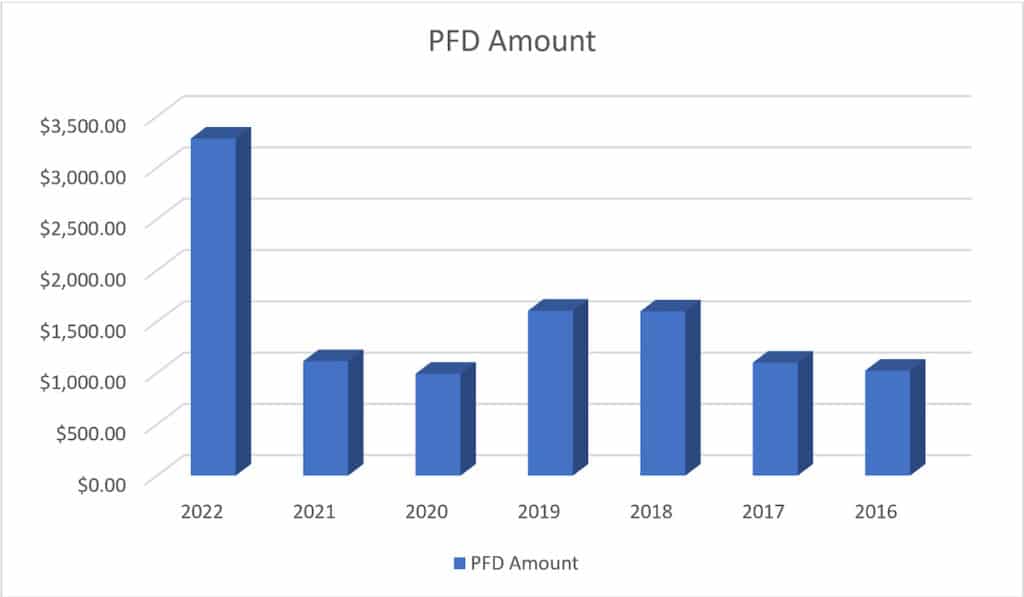
The amount of the PFD varies each year, dependent on the fund’s earnings and political decisions. It’s not a fixed salary but rather an annual bonus that fluctuates significantly. For example, in recent years, the dividend has ranged from a low of around $1,000 to a high of over $3,000 per person. While this sum can certainly be a welcome boost to an individual’s income, especially for a family, it’s crucial to understand that it’s not a primary source of income. It’s best viewed as a supplement, a unique benefit of Alaskan residency that helps offset some of the higher living costs or provides funds for travel, education, or other investments. The PFD reflects Alaska’s distinctive approach to resource management and its commitment to sharing prosperity with its people.
Eligibility and Requirements: Who Qualifies for Alaska’s Bounty?
The PFD is not simply handed out to anyone who steps foot in Alaska. There are strict eligibility requirements designed to ensure that the dividend benefits bona fide residents who intend to make Alaska their permanent home.
To qualify for the Alaska Permanent Fund Dividend, applicants must:
- Be an Alaskan resident for a full calendar year prior to the application period: This means if you move to Alaska in January, you won’t be eligible for a dividend until the following year’s application, after you’ve resided there for the entirety of the previous calendar year. For example, to apply for the 2024 PFD, you generally need to have been an Alaskan resident since January 1, 2023, and remained a resident through the application period.
- Intend to remain an Alaskan resident indefinitely: This is a key legal aspect, demonstrating a commitment to the state.
- Be physically present in Alaska for a minimum amount of time during the qualifying year: While there are exceptions for approved absences (e.g., military service, college students out of state), generally, residents must not be absent from Alaska for more than 180 days in the qualifying year.
- Not be incarcerated or convicted of certain felony offenses during the qualifying period.
The application process typically opens on January 1st and closes on March 31st each year. It’s an online process, and careful attention to detail is required to ensure all criteria are met. For those considering a move, understanding these requirements is the first practical step toward potentially receiving this unique financial benefit, adding a distinct dimension to the “lifestyle” of an Alaskan resident.
Balancing the Books: The Cost of Alaskan Living
While the allure of the PFD is strong, it’s imperative to balance this benefit against the realities of Alaskan living, particularly its notoriously high cost. For travelers planning extended stays or individuals considering relocation, understanding these financial dynamics is crucial.
Navigating High Costs in Major Alaskan Cities
Life in Alaska, especially in its more populated areas, comes with a significantly higher price tag than most other U.S. states. This elevated cost of living is largely due to the challenges of transportation and supply chain logistics. Most goods must be shipped or flown in, adding considerable expense.
- Groceries: Expect to pay 25-50% more for everyday groceries compared to the contiguous United States. Fresh produce, dairy, and specialty items are particularly affected.
- Utilities: Heating costs can be exorbitant, especially during the long, cold winters. Electricity rates are also generally higher.
- Fuel: Gasoline prices often exceed the national average, especially in remote communities.
In cities like Anchorage, the largest city and economic hub, residents find a blend of urban amenities and wilderness access, but at a premium. Juneau, the capital, is even more expensive due to its isolation and reliance on air and sea transport. Fairbanks, known for its extreme temperatures, presents unique challenges, with residents often needing vehicles equipped for severe winter conditions, adding to maintenance and fuel costs. Even smaller towns like Ketchikan, Sitka, Seward, or Homer grapple with high prices for essential goods and services. When planning a budget for an Alaskan adventure or a permanent move, these factors must be weighed carefully against any potential PFD payment.
Economic Opportunities and Seasonal Work
Despite the high cost of living, Alaska offers a vibrant and often lucrative job market, particularly in specific sectors. For those seeking to earn a living in the state, understanding these opportunities is key.
- Resource Industries: The backbone of Alaska’s economy remains its resource industries. Oil and gas provide high-paying jobs, though often requiring specific skills and extended shifts in remote locations like the North Slope. The commercial fishing industry, especially salmon and crab fishing, also offers seasonal opportunities for hard work and significant earnings, drawing individuals from all over the world to ports like Dutch Harbor.
- Tourism: Given the state’s status as a premier travel destination, tourism is a major employer, especially during the summer months. From tour guides and hospitality staff to cruise ship employees and lodge workers, seasonal tourism jobs abound. Many travel enthusiasts explore these opportunities as a way to live and work in Alaska for a season, often with accommodation and meals included, which significantly offsets the high cost of living. This sector perfectly aligns with the “Travel” and “Experiences” themes of our site.
- Healthcare and Education: These sectors offer stable, year-round employment, often with competitive salaries to attract professionals to remote or challenging environments.
- Government: With Juneau as the state capital and a significant federal presence, government jobs are also a steady source of employment.
For those planning to move, securing employment beforehand is highly recommended. Many jobs, especially those in specialized fields, require specific certifications or experience. However, for a unique experience, seasonal work in tourism or fishing can provide a fantastic immersion into the Alaskan lifestyle, offering a chance to earn money while exploring the “Destinations” and “Attractions” that draw millions to the state.
Housing and Accommodation in the Alaskan Wilderness
Finding suitable and affordable accommodation is another critical consideration for anyone pondering an extended stay or relocation to Alaska. The market for both rentals and property purchases can be challenging.
- Rental Market: Rental prices, particularly in major cities like Anchorage and Juneau, are substantially higher than the national average. Availability can also be limited, especially for desirable properties or during peak seasons. For those taking seasonal jobs, employer-provided housing is a common benefit and can make living in Alaska much more feasible financially.
- Property Ownership: Buying property in Alaska can be a significant investment. Beyond the purchase price, building costs are high due to transportation of materials and specialized construction techniques required for the climate. Maintenance costs, particularly for heating and snow removal, are also important factors. In remote areas, properties might offer incredible solitude and access to nature but often come with logistical challenges, such as reliance on well water, septic systems, or off-grid power.
- Alternative Accommodation: For those venturing beyond traditional housing, Alaska offers a range of unique accommodation options. From charming wilderness cabins and cozy bed-and-breakfasts to high-end resorts and lodges (Hotel Captain Cook in Anchorage being a notable example), the state caters to diverse tastes and budgets for travelers. For long-term stays, considering apartment rentals or shared living arrangements can help manage costs. Our “Accommodation” section often highlights options for those seeking both short-term luxury and longer, more budget-conscious stays.
Lifestyle and Community: The True Alaskan Compensation
Beyond the financial intricacies, the true “payment” of living in Alaska often comes in the form of an unparalleled quality of life, defined by its incredible natural environment and tight-knit communities.
Embracing the Outdoor Lifestyle and Natural Wonders
For outdoor enthusiasts, Alaska is a veritable paradise. The sheer scale and untouched beauty of its wilderness offer endless opportunities for adventure, forming the core of the Alaskan lifestyle.
- National Parks and Preserves: Home to eight National Parks, including the iconic Denali National Park with Mount Denali, North America’s highest peak, Alaska provides unparalleled access to pristine environments. These “Landmarks” are not just attractions; they are backyards for residents.
- Activities Galore: Whether it’s world-class fishing for salmon and halibut, thrilling hikes through mountain ranges like the Chugach Mountains, kayaking among icebergs, wildlife viewing (bears, moose, eagles, whales), or winter sports like skiing and dog mushing, there’s always an adventure waiting. The Aurora Borealis, or Northern Lights, dances across the night sky for months, offering a celestial spectacle that is a priceless perk of residency, especially around Fairbanks.
- Connecting with Nature: The ability to step out your door and immediately be immersed in nature fosters a unique connection to the environment. This constant access to awe-inspiring landscapes and wildlife is often cited by residents as the primary reason they choose to live in Alaska, far outweighing purely monetary considerations.
This aspect of Alaskan life directly feeds into our “Experiences” and “Guides” sections, showcasing how living there provides opportunities for activities that most people only dream of experiencing on vacation.
Cultural Richness and Community Spirit
Alaskan culture is a rich tapestry woven from the traditions of indigenous Native Alaskan peoples, the rugged individualism of pioneers, and the resilience required to thrive in a challenging environment.
- Native Alaskan Heritage: The indigenous cultures, including the Inupiat, Yup’ik, Athabascan, Tlingit, Haida, and Tsimshian, contribute profoundly to the state’s identity, art, and traditions. Festivals, art markets, and cultural centers like the Alaska Native Heritage Center in Anchorage offer deep insights into this vibrant heritage, aligning with our “Local Culture” theme.
- Resilient Communities: Due to the often-remote nature of many towns, communities in Alaska are known for their strong bonds and self-reliance. Neighbors often depend on each other, fostering a sense of camaraderie and mutual support. This close-knit community spirit is particularly evident in smaller towns and villages, where local events and traditions play a central role in social life.
- Unique Traditions: From the Iditarod Trail Sled Dog Race to annual celebrations of the summer solstice, Alaska boasts unique traditions that reflect its history and environment. Embracing these local customs is an essential part of becoming a true Alaskan.
This strong community aspect, combined with the reverence for the land, creates a distinctive “Lifestyle” that is a powerful draw for many.
Is Moving to Alaska Right for You? A Holistic View
Ultimately, the question of “How much do you get paid to live in Alaska?” transcends a simple dollar amount. It requires a holistic assessment of financial benefits and challenges, lifestyle considerations, and personal priorities.
Travel, Tourism, and the Alaskan Experience
For those interested in the broader scope of travel and tourism, Alaska offers a plethora of experiences. While residents benefit from the PFD, visitors contribute significantly to the state’s economy, supporting the very industries that create jobs for locals.
- Destinations and Attractions: From the glaciers of Prince William Sound to the wildlife of Kenai Fjords National Park or the historic charm of Skagway and Nome, Alaska’s destinations are world-class. Our guides often highlight how to explore these areas, whether through luxury cruises, rugged overland adventures, or unique guided tours.
- Accommodation Variety: Tourists can choose from rustic cabins, upscale resorts like the Alyeska Resort near Girdwood, or boutique hotels that offer exceptional “Amenities” and “Experiences.” Understanding the cost of living as a resident can also inform a traveler’s expectations about pricing in general in the state.
- Local Culture and Food: Engaging with Alaskan food, particularly fresh seafood like salmon and crab, and participating in local festivals enriches any visit. This interaction also supports the local economy, indirectly contributing to the state’s ability to fund programs like the PFD.
For many, a long-term stay in Alaska might start as an extended travel experience, perhaps through seasonal work, before evolving into full residency.
Planning Your Alaskan Adventure or Relocation
Deciding to move to Alaska is a major life decision that involves careful planning and preparation.
- Research Thoroughly: Understand the specific costs in the region you’re considering, research job markets, and familiarize yourself with the unique challenges of cold climates and remoteness.
- Financial Preparedness: Ensure you have a substantial savings cushion. The PFD, while helpful, will not cover the high cost of establishing a new life. Factor in moving expenses, initial accommodation, and the higher price of goods.
- Embrace the Lifestyle: Alaska demands resilience, adaptability, and a genuine love for the outdoors. The long, dark winters and endless summer days require a unique mindset. Embrace the chance to connect deeply with nature and engage with a distinct culture.
- Consider a Visit First: For those seriously contemplating a move, spending an extended period in Alaska during different seasons can provide invaluable insight. This can range from a summer work experience to renting an apartment for a few months in a city like Anchorage or Fairbanks to gauge suitability.
In conclusion, while Alaska does “pay” its residents through the unique Alaska Permanent Fund Dividend, this payment is merely one piece of a complex financial and lifestyle puzzle. The true compensation comes from the unparalleled access to wild beauty, the vibrant outdoor activities, the strong sense of community, and the profound experience of living in a place that truly defines “the Last Frontier.” For those prepared to embrace its challenges and rewards, Alaska offers a life rich in experiences that money alone cannot buy.
LifeOutOfTheBox is a participant in the Amazon Services LLC Associates Program, an affiliate advertising program designed to provide a means for sites to earn advertising fees by advertising and linking to Amazon.com. Amazon, the Amazon logo, AmazonSupply, and the AmazonSupply logo are trademarks of Amazon.com, Inc. or its affiliates. As an Amazon Associate we earn affiliate commissions from qualifying purchases.