
The vast and diverse landscapes of Texas are a significant draw for travelers, offering everything from the sprawling urban energy of Houston and Dallas to the historic charm of San Antonio and the natural beauty of the Texas Hill Country. Whether you’re seeking a luxurious resort stay, a family adventure, or a budget-friendly exploration of local culture and iconic landmarks, the Lone Star State promises a memorable experience. However, one aspect that frequently defines a Texas visit, especially during certain times of the year, is the heat. For many, the question “Why is it so hot in Texas?” is more than just a casual inquiry; it’s a practical consideration for planning travel, packing, and enjoying the multitude of activities and attractions the state has to offer.
The intense summer temperatures are a hallmark of the Texan climate, influencing everything from what you’ll find in your hotel suite to the best times to visit iconic landmarks like the Alamo or explore the natural wonders of Big Bend National Park. Understanding the meteorological and geographical factors behind this phenomenon is key to appreciating and navigating the state’s climate. This article delves into the reasons behind Texas’s often sweltering heat, offering insights that can help travelers make the most of their journey, from securing the perfect accommodation to planning unforgettable experiences.
The Geographic and Atmospheric Factors Driving Texas Heat
The primary reasons for Texas’s heat are a combination of its vast geographical location, prevailing atmospheric patterns, and specific climatic features. Understanding these elements provides a clear picture of why sunshine often translates to scorching temperatures across the state.
Latitude and Solar Radiation
Texas is situated in the mid-latitudes of the Northern Hemisphere, meaning it receives a significant amount of direct solar radiation, particularly during the summer months. The sun’s angle is higher in the sky, concentrating its energy over a smaller surface area. This geographical positioning is a fundamental reason for the overall warmth experienced across much of the continental United States, but Texas feels this effect acutely due to other contributing factors. The sheer expanse of the state also means that different regions experience variations in solar intensity, but the overall impact is a consistent and often potent source of heat.
The Influence of the Gulf of Mexico
The presence of the Gulf of Mexico to the southeast plays a dual role in Texas weather. On one hand, it moderates temperatures somewhat in coastal areas, providing a slight cooling effect compared to inland regions. However, more significantly, the warm waters of the Gulf of Mexico act as a massive reservoir of heat and moisture.
High Humidity and Heat Index
During the summer, warm, moist air masses are frequently drawn northward from the Gulf of Mexico by prevailing winds. This influx of humidity is a critical factor in why Texas feels so hot, even when the thermometer reading might not be at its absolute peak. High humidity prevents sweat from evaporating efficiently from the skin, which is the body’s natural cooling mechanism. As a result, the perceived temperature, known as the “heat index,” can feel considerably hotter than the actual air temperature. This oppressive mugginess can make even simple outdoor activities, like exploring the historic streets of Galveston or enjoying a boat tour on Lake Travis, feel more challenging. Travelers seeking accommodations often prioritize those with robust air conditioning systems, such as the amenities offered at resorts like the JW Marriott San Antonio Hill Country Resort & Spa or boutique hotels in Austin, to combat this pervasive humidity.
Continental Air Masses and Inland Heat
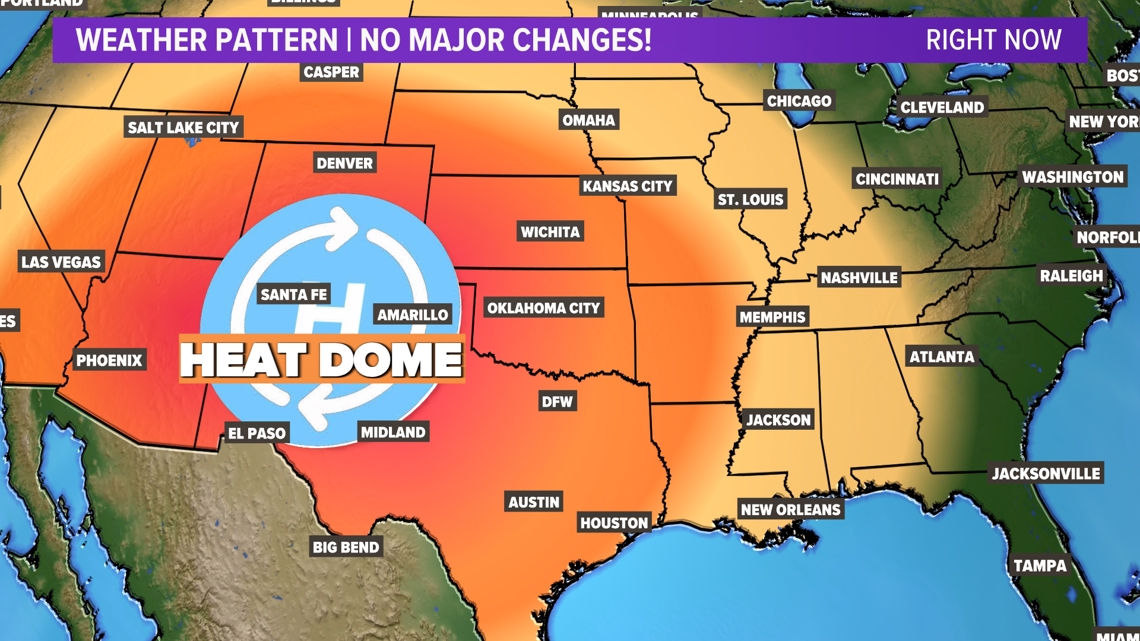
Inland Texas, far from the moderating influence of the coast, experiences the full brunt of continental heat. During the summer, high-pressure systems often settle over the southwestern United States, leading to clear skies, calm conditions, and intense solar heating of the landmass.
Drought Conditions and Reduced Evaporative Cooling
When Texas experiences drought conditions, the lack of moisture in the soil reduces the amount of evaporative cooling that would normally occur from vegetation and the ground. This phenomenon, known as evapotranspiration, normally helps to lower air temperatures. During dry spells, the land absorbs and retains more heat, leading to even higher surface temperatures and a feedback loop that exacerbates the heat. This can impact the natural landscapes around landmarks like Palo Duro Canyon State Park, making hikes more strenuous.
Urban Heat Island Effect
In Texas’ major urban centers, such as Houston, Dallas, and Austin, the urban heat island effect further intensifies the heat. Cities are characterized by large amounts of concrete, asphalt, and buildings, which absorb and retain more solar radiation than natural landscapes. This trapped heat is then released slowly at night, keeping urban areas significantly warmer than surrounding rural areas. This effect can make exploring city attractions, even with planned stops at air-conditioned venues like the Perot Museum of Nature and Science in Dallas, feel more intense. Travelers often seek hotels in these cities, like the The Adolphus in Dallas or the Four Seasons Hotel Austin, with excellent cooling systems and convenient access to indoor activities.

Seasonal Variations and Heat Waves
While summer is synonymous with heat in Texas, the intensity and duration of high temperatures can vary significantly from year to year, often influenced by larger climate patterns.
The Core of Summer: June, July, and August
The months of June, July, and August typically represent the peak of the heat season in Texas. During this period, the sun is at its highest, and the atmospheric conditions for heat accumulation are most favorable. High-pressure systems are more persistent, leading to extended periods of cloudless skies and direct, unfiltered sunlight. Temperatures regularly soar into the 90s and frequently breach the 100-degree Fahrenheit mark across much of the state. This is the time when many popular outdoor attractions, from visiting the San Antonio Riverwalk to exploring the vastness of West Texas, require careful planning to avoid the harshest midday sun.
Extended Shoulder Seasons: Late Spring and Early Fall
The heat in Texas doesn’t always neatly confine itself to the summer months. Often, the warm weather begins to build in April and May, with temperatures reaching summer-like levels well before the official start of the season. Similarly, the heat can linger well into September and even October, especially in the southern and western parts of the state. These extended shoulder seasons can offer a mixed bag for travelers; while they might allow for visits to outdoor landmarks like the Natural Bridge Caverns with fewer crowds, they also mean that planning for heat mitigation is often necessary outside of the traditional summer vacation period.
Heat Waves and Record-Breaking Temperatures
Occasionally, Texas experiences prolonged heat waves, where temperatures remain exceptionally high for days or even weeks, often accompanied by very high humidity. These periods can push temperatures into triple digits consistently and lead to record-breaking highs. Such heat waves can significantly impact daily life and travel plans, making outdoor activities potentially dangerous and increasing the reliance on air-conditioned environments. Visitors during these times might find themselves spending more time in their chosen accommodation, perhaps a comfortable suite at the Omni Dallas Hotel, or seeking refuge in museums and indoor attractions.
Preparing for and Enjoying Texas Heat
While the heat in Texas can be intense, it doesn’t have to detract from your travel experience. With a bit of planning and awareness, you can comfortably explore the state’s diverse offerings, from its vibrant cities and historic sites to its breathtaking natural landscapes.
Strategic Planning for Travel and Activities
The most effective way to manage Texas heat is to plan your travel and activities strategically. Consider visiting during the shoulder seasons of spring (March to May) and fall (September to November) when temperatures are generally more moderate, though still warm. If traveling during the summer, aim to schedule outdoor activities for the early morning or late evening, when the sun’s intensity is lower. Midday hours are best reserved for indoor explorations, such as visiting the Space Center Houston or enjoying the air-conditioned halls of the Kimbell Art Museum in Fort Worth.
Accommodation and Amenities
Choosing the right accommodation is paramount for a comfortable stay in Texas. Look for hotels, resorts, or apartments with reliable and powerful air conditioning systems. Many establishments, from luxury resorts like the The Ritz-Carlton, Dallas to budget-friendly options, highlight their cooling amenities in their descriptions and reviews. Features like swimming pools, shaded patios, and even in-room fans can make a significant difference in staying cool and relaxed. Consider accommodations that offer easy access to indoor dining and entertainment, or those situated near attractions that are primarily indoors. For longer stays or family trips, renting a villa or apartment with self-catering facilities can provide more control over your environment and the ability to prepare cool meals and drinks.

Staying Hydrated and Protected
Regardless of the season, staying hydrated is crucial when visiting Texas. Carry a reusable water bottle and refill it frequently. Avoid excessive consumption of dehydrating beverages like alcohol and caffeine, especially during the hottest parts of the day. Dress in lightweight, breathable clothing, such as cotton or linen, in light colors. Sunscreen with a high SPF, a wide-brimmed hat, and sunglasses are essential for protecting your skin and eyes from the intense solar radiation. If you plan on engaging in strenuous outdoor activities, such as hiking in Big Bend National Park or cycling around Austin, pace yourself, take frequent breaks in the shade, and consider using cooling towels.
By understanding the underlying reasons for Texas’s heat and implementing these practical strategies, travelers can ensure a safe, enjoyable, and memorable experience exploring the vast wonders of the Lone Star State. Whether you’re drawn to its vibrant cities, rich history, or stunning natural beauty, Texas offers a unique blend of attractions that can be savored in any weather with the right preparation.
LifeOutOfTheBox is a participant in the Amazon Services LLC Associates Program, an affiliate advertising program designed to provide a means for sites to earn advertising fees by advertising and linking to Amazon.com. Amazon, the Amazon logo, AmazonSupply, and the AmazonSupply logo are trademarks of Amazon.com, Inc. or its affiliates. As an Amazon Associate we earn affiliate commissions from qualifying purchases.