
The moniker “Lone Star State” is more than just a catchy nickname for Texas; it is a profound historical emblem woven into the very fabric of its identity. This enduring title harks back to a pivotal period in Texas history when it stood as an independent nation, an audacious act of self-determination that forever shaped its destiny and distinct character. To understand why this single star holds such immense cultural and historical weight, one must journey back to the turbulent 19th century, a time of revolution, struggle, and the birth of a republic.
The story of the Lone Star is a testament to the resilience, independent spirit, and unique historical trajectory of Texas. It reflects a legacy of overcoming adversity, standing apart, and forging an identity that continues to resonate powerfully with Texans and fascinate observers worldwide. This article delves into the historical narratives, the key figures, and the symbolic power that solidified “The Lone Star State” as not just a name, but a defining feature of a vast and vibrant land. From the battlefields of the Texas Revolution to its proud display on the state flag and beyond, the single star tells a compelling story of statehood, sovereignty, and an unwavering spirit of independence.
The Dawn of Independence: A Star is Born
The journey to becoming the Lone Star State began amidst the volatile political landscape of early 19th-century North America. What is now Texas was then a northern territory of Mexico, populated by a mix of indigenous peoples, Mexican settlers, and a growing influx of Anglo-American immigrants. Tensions simmered over cultural differences, governmental control, and the issue of slavery, ultimately boiling over into a full-blown rebellion.
From Mexican Province to Independent Nation
In the early 1830s, the centralist policies of Mexican President Antonio López de Santa Anna clashed sharply with the desire for greater autonomy among the Anglo settlers and many Tejano (Mexican-Texan) residents. The Mexican government’s attempts to assert tighter control, including dissolving state legislatures and disarming militias, ignited a fierce resistance. Key figures like Stephen F. Austin, initially advocating for peaceful negotiation, eventually recognized the inevitability of conflict. The breaking point arrived with open hostilities, leading to a declaration of independence.
The Texas Revolution and Its Iconic Symbol
The Texas Revolution officially began in October 1835. The conflict saw legendary battles such as the Siege of the Alamo in San Antonio, where a small band of defenders fought to the last man, inspiring cries of “Remember the Alamo!” This bravery, though ending in defeat, fueled the Texan resolve. On March 2, 1836, delegates gathered at Washington-on-the-Brazos to formally declare independence from Mexico, establishing the Republic of Texas.
It was during this fervent period of revolution that the single star emerged as a powerful symbol. The flag of the Republic of Texas, designed by Charles B. Stewart and officially adopted in 1839, prominently featured a single white star on a blue vertical stripe, flanked by red and white horizontal stripes. This became known as the “Lone Star Flag“.
The Significance of the Single Star
The lone star on the flag was not arbitrary; it encapsulated the revolutionary spirit and aspirations of the newly independent nation. It symbolized unity, representing the entirety of Texas standing alone, independent and sovereign. It evoked the idea of a single, unified purpose among the diverse populations who fought for independence. Furthermore, it represented the resolve to stand distinct and independent from Mexico, and for a time, distinct from the United States as well. The star thus became a beacon of autonomy, a visual declaration of a new nation carved out of struggle and determination.
The Republic of Texas: A Decade of Self-Governance
For nearly ten years, from 1836 to 1845, Texas existed as a sovereign nation, an experiment in self-governance on the North American continent. This decade solidified the meaning of the Lone Star and cemented its place in the Texan identity.
Crafting a National Identity
During its time as a republic, Texas faced the monumental task of establishing and maintaining its national identity. It elected presidents, established a government, and navigated complex diplomatic relations with major global powers. Figures like Sam Houston, the revered hero of the Battle of San Jacinto and the republic’s first and third president, became synonymous with this era of independence. The unique challenges of self-governance—from defending its borders against Mexican attempts to reclaim the territory to fostering economic stability—all contributed to a fierce sense of Texan pride and exceptionalism, with the Lone Star at its heart.
The Lone Star Flag and Its Design
The official design of the Lone Star Flag, adopted in 1839, intentionally mirrored some aspects of the United States flag while asserting its own unique symbolism. The red, white, and blue colors were deliberately chosen to represent bravery (red), purity (white), and loyalty (blue) – virtues deemed essential to the young republic. The single white star, set against a field of blue, stood as a clear and unmistakable declaration: Texas was one and indivisible, a singular entity navigating its destiny. It was a flag designed to inspire patriotism, communicate sovereignty, and differentiate Texas from its former ruler and potential annexer.
Challenges and Triumphs of a Young Republic
The Republic of Texas faced immense internal and external pressures. Financial instability was a constant struggle, and ongoing border disputes with Mexico threatened its security. Diplomatic recognition from countries like the United States, France, and the United Kingdom provided some legitimacy but did not alleviate all concerns. Despite these challenges, the republic managed to lay foundational institutions, develop a legal system, and cultivate a distinct culture that prized independence and self-reliance. This period of self-determination indelibly etched the Lone Star into the collective Texan consciousness as a symbol of their hard-won freedom and identity.
Annexation and the Perpetuation of the Symbol
The independent existence of the Republic of Texas was ultimately temporary. Economic pressures, the threat from Mexico, and a strong desire by many Texans to join the United States led to the decision to pursue annexation.

Joining the United States
In 1845, after years of debate and political maneuvering, Texas officially became the 28th state of the United States. This was not a surrender of identity but a strategic move, albeit one that sparked the Mexican-American War. Crucially, even as Texas shed its republican status to become a state, it retained its most powerful symbol: the Lone Star. The Lone Star Flag continued to fly, adopted as the official state flag in 1879, a testament to its enduring significance.
The Star’s Enduring Power in Statehood
Upon entering the Union, Texas brought with it a unique legacy of being a former independent nation. This history imbued its statehood with a distinctive pride and a sense of having “joined” rather than simply being “created” by the United States. The Lone Star became a potent reminder of this past, signifying not just statehood but also the spirit of independence that preceded it. It served as a powerful link to a formative period when Texans forged their own path, fought their own battles, and governed themselves. This singular history differentiates Texas from almost every other U.S. state, fostering a deep-seated sense of state pride and exceptionalism.
The Lone Star in Texas Law and Culture
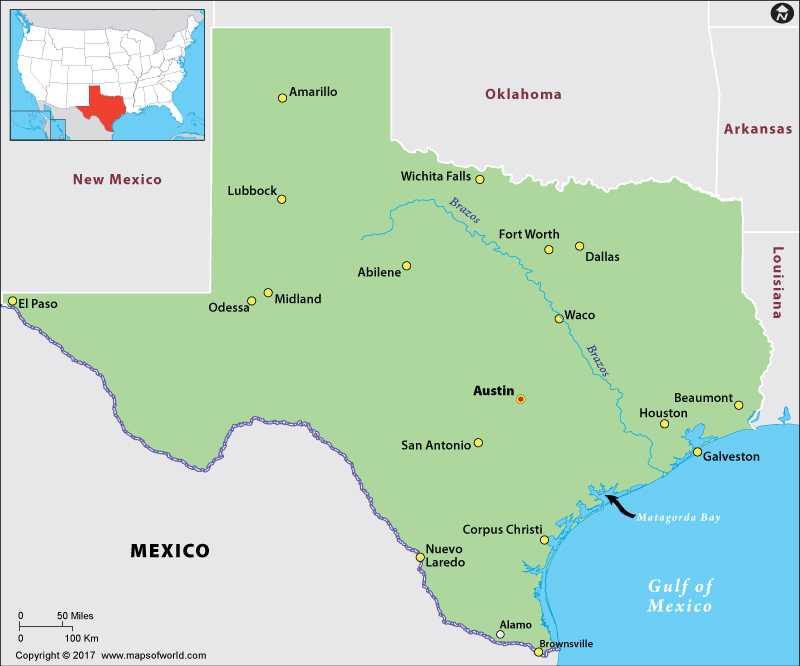
The Lone Star is not merely a historical relic; it is embedded in contemporary Texas life. It is featured prominently on the state seal, state flag, and countless official and unofficial symbols across the state. From government buildings in Austin to the badges of law enforcement officers, the star is ubiquitous. It represents the unified identity of the vast state, stretching from the piney woods of East Texas to the deserts of West Texas, from the bustling metropolises of Houston and Dallas to the historic charm of San Antonio. The star legally symbolizes the state’s unity and its distinctive past, a perpetual reminder of its journey.
Beyond the Banner: The Lone Star’s Modern Resonance
Today, the Lone Star transcends its historical origins to symbolize a powerful and multifaceted identity for Texas. It’s a cultural touchstone, a source of pride, and a recognizable emblem that encapsulates the very essence of the Lone Star State.
A Symbol of Texas Pride and Identity
The Lone Star embodies the fierce independence, resilience, and unique spirit often associated with Texans. It signifies a distinct cultural identity that celebrates its history, its vast open spaces, its diverse people, and its larger-than-life persona. Texans often express an intense pride in their state, and the Lone Star serves as a potent focal point for this sentiment. It’s seen on everything from sports team logos to business branding, academic institutions, and personal adornments. This pervasive presence reinforces the idea that Texas is a place unlike any other, with a history and spirit that sets it apart.
Economic and Social Reflections of the Star
The Lone Star also symbolically represents the state’s economic prowess and its forward-looking ambition. Texas is a leader in energy, technology, agriculture, and aerospace, and its economic dynamism is often framed within the context of its pioneering spirit—a spirit perfectly captured by the idea of the bold, singular star charting its own course. Socially, it represents a diverse population united under a common, proud heritage, striving for progress while honoring tradition. The star is a constant visual reminder of the unique confluence of history, culture, and progress that defines modern Texas.
Iconic Landmarks and Cultural Homage
The legacy of the Lone Star is physically manifested throughout Texas. Historic sites like the Alamo in San Antonio and the San Jacinto Battleground State Historic Site are not just places; they are monuments to the events that forged the Lone Star identity. Museums across the state, such as the Bullock Texas State History Museum in Austin, dedicatedly preserve and interpret the narrative of the Texas Republic and the enduring power of its symbol. Even the Texas State Capitol building proudly displays the star, a grand architectural homage to the state’s foundational principles. These landmarks serve as tangible connections to the past, allowing both residents and visitors to engage directly with the history behind the Lone Star moniker.
Experiencing the Historical Heart of Texas
To truly grasp the significance of the Lone Star State name, one must immerse themselves in the rich historical tapestry that defines Texas. The journey through its history is as vast and varied as the state itself.
Visiting Revolutionary Sites
For history enthusiasts, a pilgrimage to the sites of the Texas Revolution is essential. The Alamo in San Antonio stands as a powerful symbol of courage and sacrifice. Nearby, the San Jacinto Battleground State Historic Site marks the decisive victory that secured Texan independence. Further east, Washington-on-the-Brazos, often called the “Birthplace of Texas”, offers a glimpse into the humble settings where the Declaration of Independence was drafted and the republic was formed. These locations are not merely historical markers; they are immersive experiences that transport visitors back to the pivotal moments when the Lone Star was forged in the fires of revolution.
Museums and Archives: Preserving the Legacy
Beyond the battlefields, numerous museums and archives meticulously preserve the story of the Lone Star State. The Bullock Texas State History Museum in Austin provides a comprehensive journey through Texas history, with engaging exhibits on the republic era. The Texas State Library and Archives Commission, also in Austin, houses invaluable documents, including original copies of the Declaration of Independence and historical flags. These institutions offer deep insights into the political, social, and cultural forces that shaped Texas and enshrined the Lone Star as its emblem.

The Enduring Spirit of the Lone Star State
Ultimately, “Why Texas Is Called The Lone Star State?” is a question that unlocks a deep understanding of its character. It is a name born from a declaration of independence, solidified through a decade as a sovereign nation, and proudly carried into statehood. The Lone Star remains a powerful, unifying symbol of Texas’s distinct history, its unwavering spirit of independence, and its enduring pride. It serves as a constant reminder of the audacious journey from a vast, untamed territory to a powerful and influential state within the United States, forever defined by that single, shining star. It is a legacy that continues to shape its identity, its culture, and its place on the world stage, ensuring that the spirit of the Lone Star State shines brightly for generations to come.
LifeOutOfTheBox is a participant in the Amazon Services LLC Associates Program, an affiliate advertising program designed to provide a means for sites to earn advertising fees by advertising and linking to Amazon.com. Amazon, the Amazon logo, AmazonSupply, and the AmazonSupply logo are trademarks of Amazon.com, Inc. or its affiliates. As an Amazon Associate we earn affiliate commissions from qualifying purchases.