
The question of whether Texas will “flip blue” has become a recurring theme in political discourse, particularly as the state’s demographic landscape continues to shift. While Texas has historically been a staunchly Republican stronghold, a confluence of factors suggests that its political future might not be as red as it once seemed. This exploration delves into the potential for a political transformation in the Lone Star State, examining the demographic trends, urban-rural divides, and the evolving voter base that could influence its electoral destiny. The very notion of “flipping blue” implies a significant shift from Republican to Democratic control in statewide elections, a monumental undertaking given the state’s entrenched political identity.
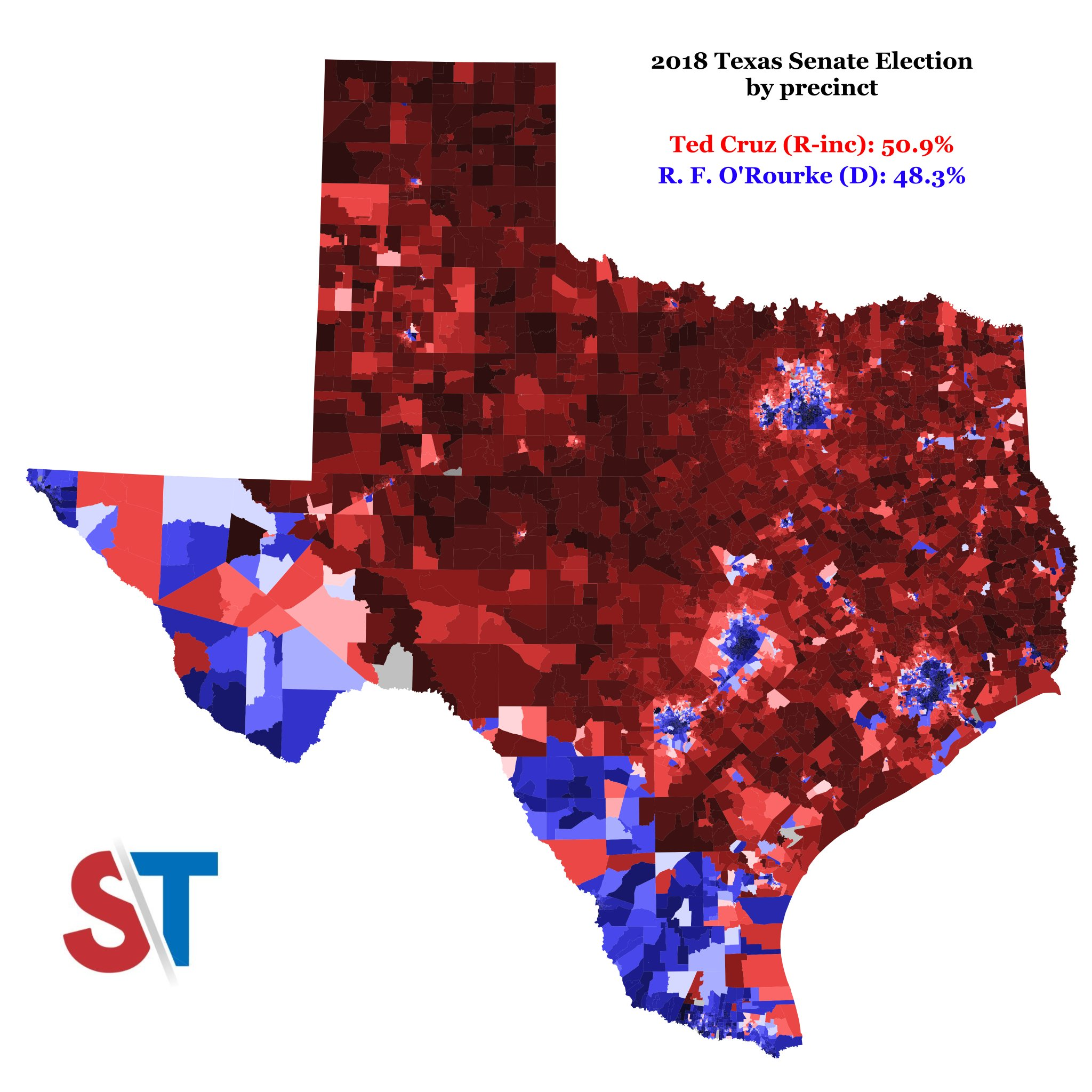
Shifting Demographics: The Engine of Change
At the heart of the “Will Texas Flip Blue?” debate lies the undeniable reality of its rapidly changing demographics. Texas is one of the fastest-growing states in the United States, driven largely by migration from other states and a burgeoning natural population increase. This growth is not uniform; it is concentrated in its major metropolitan areas and their surrounding suburbs, which tend to lean more Democratic.
The Urban Core’s Growing Influence
Cities like Houston, Dallas, Austin, and San Antonio are vibrant hubs of economic activity and cultural diversity. These urban centers are attracting a younger, more diverse population, often drawn by job opportunities in sectors like technology, healthcare, and education. This influx includes a significant number of people from more liberal regions of the country, as well as a growing Hispanic population, which has historically voted in lower numbers but is showing increasing engagement.
Austin, in particular, stands out as a progressive enclave within the state. Known for its live music scene, tech industry, and laid-back atmosphere, it has long been a Democratic bastion. The growth of Austin and its surrounding suburbs, like Travis County, has a disproportionate impact on state-level politics due to its sheer population size and voting potential. Similarly, the suburban rings around Dallas and Houston are becoming increasingly competitive, with traditionally Republican suburbs showing signs of shifting towards the Democratic Party. These areas are often characterized by a more educated electorate and a greater presence of younger families, demographics that tend to favor Democratic candidates.
The sheer scale of these urban centers means that winning these areas is crucial for any Democratic candidate seeking to challenge Republican dominance. The concentration of voters in these areas allows for efficient campaigning and mobilization efforts, making them a focal point for political strategists. The infrastructure and amenities that these cities offer, from world-class hotels like the Hotel ZaZa in Houston to diverse culinary experiences and abundant tourism attractions, contribute to their appeal and continued growth, further solidifying their importance in the state’s political calculus.
The Suburban Frontier: A Battleground for Hearts and Minds
The suburbs surrounding Texas‘s major cities are emerging as critical battlegrounds. Historically, these areas have been reliable Republican territory, but this trend is showing signs of erosion. As mentioned, younger families and professionals are moving into these suburban communities, bringing with them different political perspectives. Furthermore, as cities expand outward, formerly rural areas are being absorbed into suburban sprawl, further diluting the traditional conservative base.
The Dallas-Fort Worth Metroplex, for instance, has seen significant shifts in its suburban counties. Areas that were once reliably Republican are now competitive, and some have even elected Democratic representatives. This is partly due to increased diversity in these areas and a growing disconnect between traditional Republican platforms and the concerns of a more varied suburban populace. The availability of diverse accommodation options, from luxury resorts to family-friendly apartments, caters to this growing and varied population, reflecting the broader societal changes occurring.
The Houston Metropolitan Area, with its sprawling suburbs, also presents a complex political tapestry. The sheer size of Harris County and its surrounding counties means that even small shifts in voter turnout can have a substantial impact. Campaigns are increasingly focusing on targeted outreach to suburban voters, addressing issues such as education, healthcare, and economic opportunity. The diversity of attractions and landmarks within the greater Houston area, from the Space Center Houston to the Museum District, contributes to the region’s allure for a diverse range of residents.
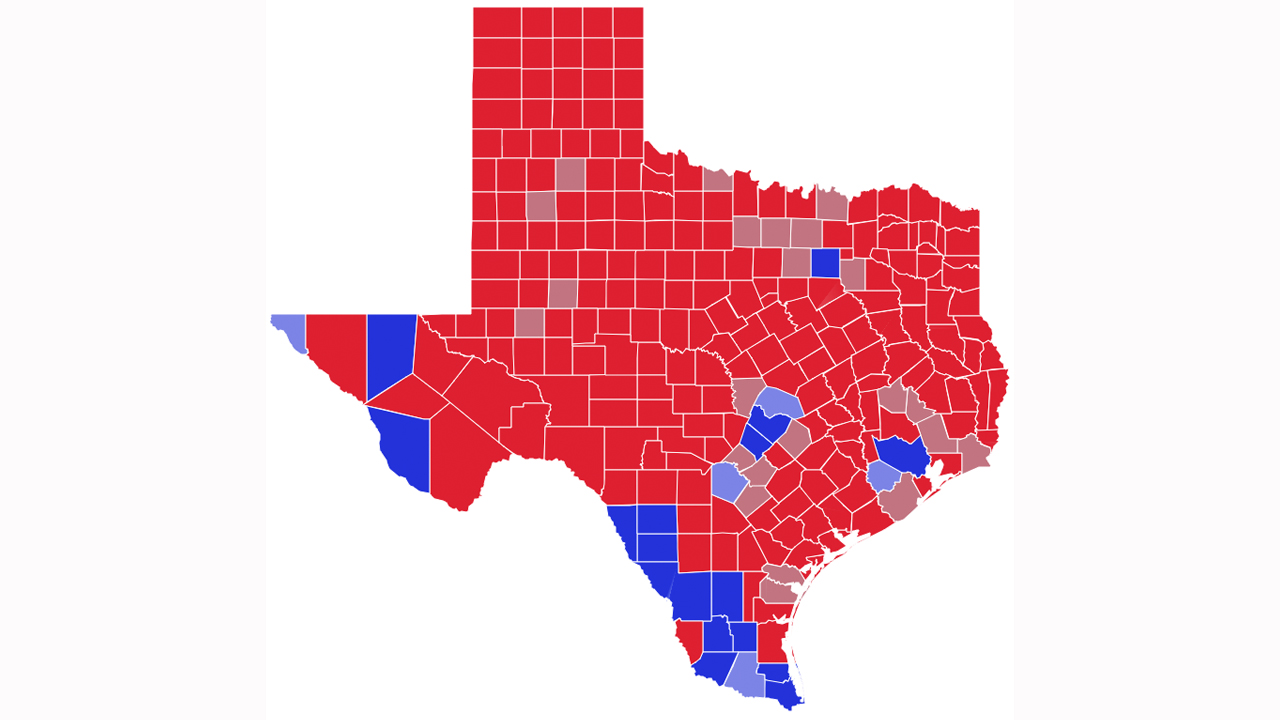
The “flipping blue” narrative often hinges on the assumption that these suburban shifts will continue and accelerate. If Democrats can consistently win over these swing suburban voters, it could fundamentally alter the electoral map of Texas. This requires a nuanced approach, understanding the specific concerns of these communities and tailoring messages accordingly, rather than relying on broad, statewide narratives.
The Hispanic Vote: An Untapped Reservoir?
The Hispanic population in Texas is another key demographic factor in the “Will Texas Flip Blue?” conversation. Texas has the second-largest Hispanic population in the United States, and this group’s political leanings are of paramount importance. Historically, the Hispanic vote in Texas has been less monolithic than often portrayed, with a significant portion voting Republican. However, there are indications of a growing Democratic inclination, particularly among younger generations and in urban areas.
Several factors contribute to this potential shift. Increased voter registration and turnout efforts within the Hispanic community are crucial. Issues such as immigration reform, economic opportunity, and social justice resonate deeply with many Hispanic voters, and Democratic platforms often align more closely with these concerns. The cultural richness of Texas, from its vibrant food scene to its historical landmarks, is deeply intertwined with its Hispanic heritage, a fact that political campaigns are increasingly recognizing.
However, it’s essential to avoid generalizations. The Hispanic community in Texas is diverse, encompassing various national origins, socioeconomic statuses, and cultural backgrounds. Some segments of the Hispanic electorate may remain aligned with Republican values, particularly those emphasizing traditional social conservatism or economic policies that benefit small business owners. Therefore, for Democrats to effectively capture the Hispanic vote, targeted and culturally sensitive outreach is essential, acknowledging the diversity within the community. The sheer number of Hispanic voters, coupled with their potential to be a swing demographic, makes them a central focus for both parties.
The Urban-Rural Divide: A Persistent Chasm
While demographics are shifting, the persistent urban-rural divide in Texas remains a significant obstacle for Democrats aiming to “flip blue.” Texas is a vast state, and its political landscape is sharply divided between its populous urban centers and its more sparsely populated rural areas. These rural areas have historically been and continue to be a bedrock of Republican support.
Rural Redoubts: The Conservative Stronghold
Rural Texas often embodies a strong sense of traditional values, a deep connection to the land, and a skepticism of government intervention. Industries like oil and gas, agriculture, and ranching are cornerstones of the rural economy, and these sectors often align with conservative economic policies. The cultural identity of rural Texas is distinct from its urban counterparts, and this translates into voting patterns.
For Democrats to make inroads in rural Texas, they need to present a compelling vision that addresses the specific concerns of these communities. This could include advocating for policies that support rural economies, improve infrastructure, and ensure access to healthcare and education. However, overcoming the deeply ingrained conservative sentiment and party loyalty in these areas is a formidable challenge. The tourism and hospitality sectors in rural Texas, while important for local economies, do not typically drive the same kind of political engagement as major urban centers.

Bridging the Gap: The Challenge for Democrats
The challenge for Democrats is to find ways to bridge this urban-rural divide. Simply focusing on winning urban areas is not enough to “flip” the entire state. They need to persuade a critical mass of voters in suburban and exurban areas and, ideally, make some gains in rural communities. This requires a multi-pronged strategy that acknowledges the diverse needs and values of Texans across the state.
The increasing urbanization and diversification of Texas are undeniable trends. However, the state’s vastness and the deep-seated political identity of its rural regions mean that a complete “flip blue” is a long-term prospect, not an immediate certainty. The political journey of Texas will likely involve continued competition, with Democratic gains concentrated in urban and suburban areas, while rural regions remain largely conservative. The outcome will depend on the ability of both parties to adapt to changing demographics and effectively mobilize their respective bases. The allure of Texas as a travel destination, with its diverse landmarks and lifestyle opportunities, continues to draw people from all walks of life, each bringing their own perspectives that will eventually shape the state’s political future. Whether this influx ultimately leads to a blue wave or reinforces the red tide remains one of the most compelling questions in American politics.
LifeOutOfTheBox is a participant in the Amazon Services LLC Associates Program, an affiliate advertising program designed to provide a means for sites to earn advertising fees by advertising and linking to Amazon.com. Amazon, the Amazon logo, AmazonSupply, and the AmazonSupply logo are trademarks of Amazon.com, Inc. or its affiliates. As an Amazon Associate we earn affiliate commissions from qualifying purchases.