
The question of whether Alabama experiences tornadoes is not a hypothetical one; it’s a matter of understanding the meteorological realities of this Southern state. Alabama, situated in the heart of “Dixie Alley,” is no stranger to the destructive power of tornadoes. This region is a well-known hotspot for severe weather, and Alabama is frequently in the path of these powerful rotating columns of air. Understanding this phenomenon is crucial for anyone planning a trip, considering a long-term stay, or simply curious about the climate of this diverse state.
This article aims to delve into the prevalence of tornadoes in Alabama, explore the factors that contribute to their formation, and offer insights relevant to travelers and residents alike, all within the context of the rich experiences Alabama offers. From the vibrant culture and delicious cuisine to the stunning natural landmarks and diverse accommodation options, Alabama presents a compelling destination. However, acknowledging and preparing for the potential for severe weather is a responsible aspect of experiencing all that the state has to offer.
Understanding Tornado Alley and Alabama’s Place
The term “Tornado Alley” is a colloquial designation for a broad area in the central United States where tornadoes are most frequent. While the exact boundaries can shift and are debated among meteorologists, the traditional core includes states like Texas, Oklahoma, and Kansas. However, in recent decades, meteorologists have increasingly recognized “Dixie Alley,” a southeastern extension of this phenomenon, which prominently features states like Alabama, Mississippi, and Louisiana.
The unique geographical and atmospheric conditions in Dixie Alley make it particularly susceptible to tornado outbreaks. Unlike the Great Plains, where warm, moist air from the Gulf of Mexico collides with dry air from the Rocky Mountains, Dixie Alley experiences a more complex interaction of air masses. Here, warm, humid air from the Gulf clashes with cooler, drier air moving south from the Midwest, often exacerbated by the presence of the Appalachian Mountains. This collision, combined with strong wind shear (changes in wind speed and direction with height), creates the ideal environment for the formation of supercell thunderstorms, the most prolific tornado producers.
Alabama’s Tornado History and Risk Factors
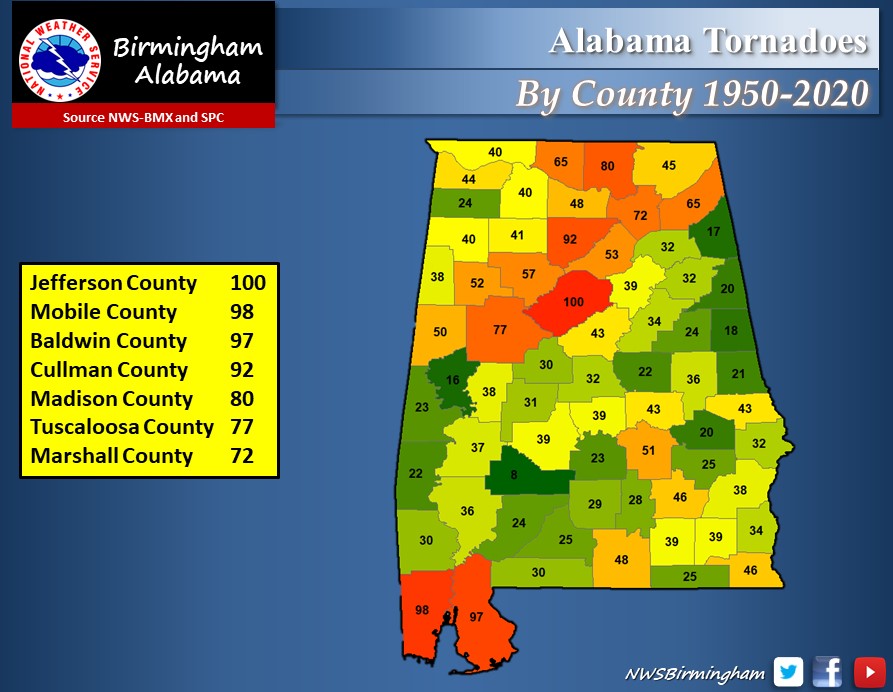
Alabama has a significant history of tornado activity. The state has experienced numerous devastating tornadoes throughout its recorded history, with some of the most severe events causing widespread destruction and loss of life. These events are not isolated incidents but rather part of a recurring pattern that underscores the state’s vulnerability. The risk is not uniform across Alabama; certain areas are more prone to severe weather than others. For instance, central and southern Alabama often face a higher threat due to their proximity to moisture sources and the typical storm tracks.
Several factors contribute to Alabama’s elevated tornado risk:
- Geographical Location: Positioned within Dixie Alley, Alabama is in a prime location for the convergence of the necessary atmospheric ingredients for tornado formation.
- Moisture Availability: The proximity to the Gulf of Mexico provides a consistent source of warm, moist air, which is a key fuel for thunderstorms.
- Atmospheric Instability: The contrast between warm, moist air at the surface and cooler, drier air aloft creates atmospheric instability, allowing thunderstorms to grow vertically and intensely.
- Wind Shear: The change in wind speed and direction with altitude is crucial for rotating thunderstorms, known as mesocyclones, which can then spawn tornadoes. This shear is often present in the weather systems that move through Alabama.
- Terrain: While not as flat as the Great Plains, Alabama’s terrain, with its rolling hills and river valleys, can influence storm behavior, sometimes aiding in tornado development or track.
Understanding these factors helps paint a clearer picture of why Alabama, despite its many attractions, must also contend with the threat of tornadoes.
Preparing for Tornado Season in Alabama
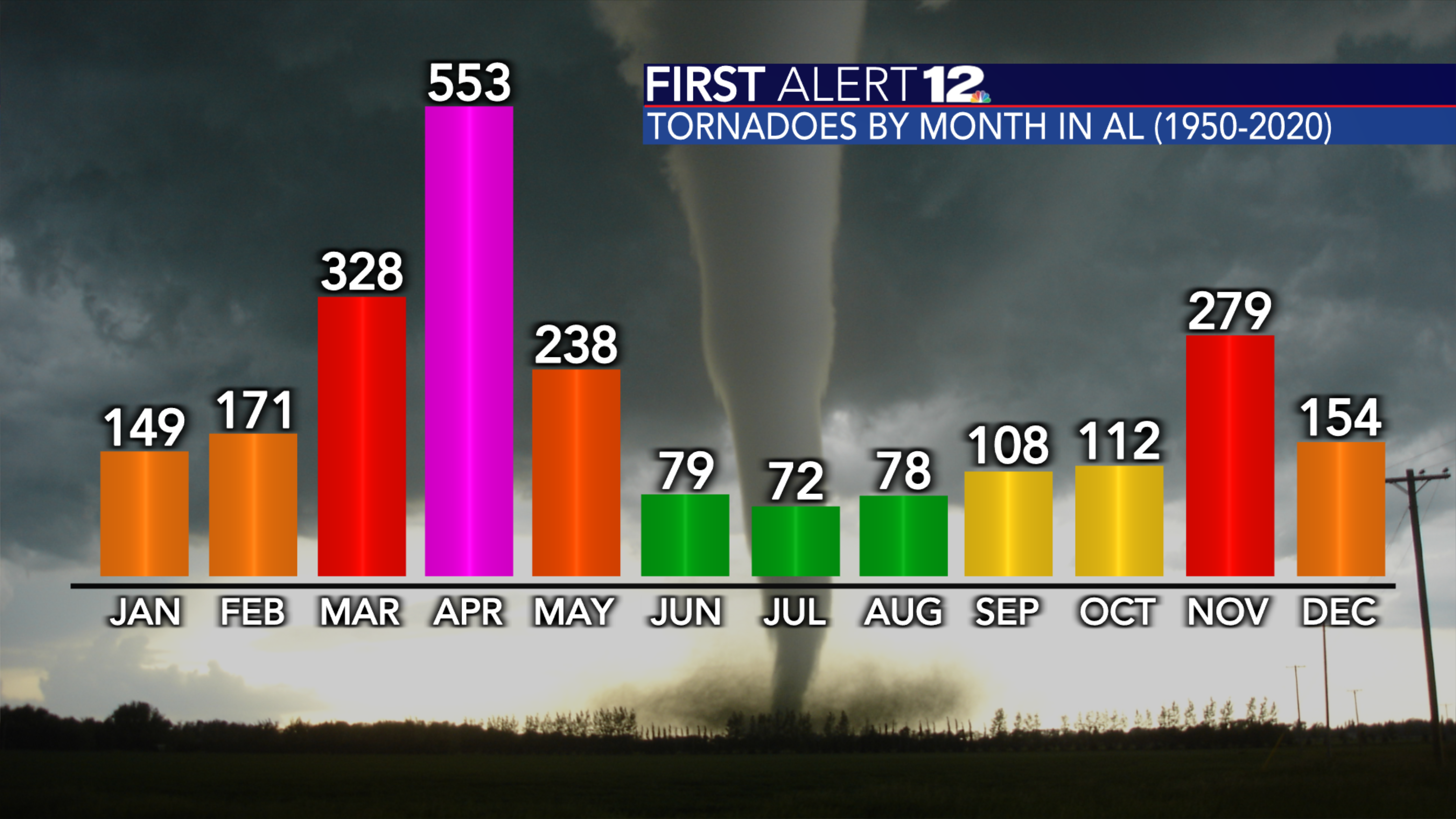
Given the reality of tornado activity, preparation is key for both residents and visitors to Alabama. Tornado season in Alabama is not confined to a single period but generally sees an increase in activity during the spring months, particularly March, April, and May. However, tornadoes can and do occur at other times of the year, including fall.
Travel Planning and Safety Tips
For those planning a trip to Alabama, whether for a leisure vacation exploring destinations like Gulf Shores or a business trip to Birmingham, understanding the potential for severe weather is paramount.
- Stay Informed: Before and during your trip, monitor weather forecasts from reliable sources such as the National Weather Service or local news channels. Weather apps with real-time alerts are also invaluable.
- Know Your Accommodation’s Plan: If staying in a hotel, resort, or apartment, inquire about their severe weather procedures. Many hotels have designated safe areas in interior rooms or basements. Look for accommodations with basements or sturdy interior rooms as potential shelters. For example, a luxury resort like the Ritz-Carlton, Grand Cayman might have robust emergency protocols.
- Identify Safe Zones: Familiarize yourself with safe locations in any building you are in. The safest place is typically an interior, windowless room on the lowest floor of a sturdy building. Avoid mobile homes, vehicles, and large open areas.
- Emergency Kit: Consider having a basic emergency kit ready, especially if you are on an extended stay. This might include water, non-perishable food, a flashlight, batteries, a first-aid kit, and a battery-powered radio.
- Travel Routes: Be aware of your travel routes and potential detours. Severe weather can cause road closures due to flooding or debris. It’s wise to have alternative routes planned, especially when exploring landmarks like the USS Alabama Battleship Memorial Park.
- Respect Warning Systems: Understand the difference between a tornado watch (conditions are favorable for tornadoes) and a tornado warning (a tornado has been sighted or indicated by radar). Take warnings seriously and act immediately.

Experiencing Alabama’s Charm Amidst the Weather
Despite the potential for severe weather, Alabama offers a wealth of experiences that make it a worthwhile destination. The state boasts a rich tapestry of local culture, from the historic streets of Mobile to the vibrant arts scene in Montgomery. Food enthusiasts will delight in the Southern cuisine, with specialties like barbecue, seafood, and pecan pie.
For those interested in history and landmarks, Alabama is home to significant sites such as the Civil Rights Memorial Center and the stunning natural beauty of Cheaha State Park, the highest point in Alabama. Accommodation options are plentiful, ranging from quaint bed and breakfasts to luxury suites and family-friendly resorts. Whether you’re looking for a budget-friendly adventure or a luxurious lifestyle experience, Alabama caters to diverse preferences.
By being informed and prepared for the meteorological realities, visitors and residents can fully enjoy the warmth of the people, the richness of the history, and the beauty of the landscapes that make Alabama such a unique and inviting state. The presence of tornadoes is a significant aspect of its climate, but it should not deter one from experiencing the many wonders it holds. With the right precautions, exploring Tuscaloosa or enjoying a beach vacation in Orange Beach can be done safely and memorably.
LifeOutOfTheBox is a participant in the Amazon Services LLC Associates Program, an affiliate advertising program designed to provide a means for sites to earn advertising fees by advertising and linking to Amazon.com. Amazon, the Amazon logo, AmazonSupply, and the AmazonSupply logo are trademarks of Amazon.com, Inc. or its affiliates. As an Amazon Associate we earn affiliate commissions from qualifying purchases.