
Navigating the administrative landscape of a new state or simply ensuring your vehicle is legally compliant within Alabama can seem daunting. Car registration is a fundamental requirement for all vehicle owners, serving not only as a legal mandate but also as a crucial component in maintaining public safety and funding essential state services. Whether you’ve just moved to the Yellowhammer State, purchased a new vehicle, or simply need to renew your existing registration, understanding the precise steps and requirements is paramount. This comprehensive guide aims to demystify the process, offering clear, actionable insights into how to successfully register your car in Alabama. By adhering to the guidelines outlined by the Alabama Department of Revenue (ADOR) and your local county tag office, you can ensure a smooth and hassle-free experience, keeping you on the right side of the law and on the road with confidence.
Understanding Alabama’s Vehicle Registration Requirements
Before you even think about heading to the tag office, it’s crucial to understand the foundational requirements set forth by Alabama law. Knowing who needs to register, what documents are essential, and the financial obligations involved will save you considerable time and potential frustration.
Who Needs to Register a Car in Alabama?
The requirement to register a vehicle in Alabama extends to several categories of individuals and scenarios:
- New Residents: If you have recently moved to Alabama and established residency, you are generally required to register your out-of-state vehicle within 30 days of moving. This is a critical timeframe to observe to avoid penalties. Establishing residency typically involves actions like obtaining an Alabama driver’s license, registering to vote, or enrolling children in local schools.
- New Vehicle Purchases: Any vehicle purchased, whether new or used, from a dealership or a private seller, must be registered in the buyer’s name. Dealerships typically handle the initial registration paperwork for new car sales, but private sales require the buyer to take the initiative.
- Vehicle Transfers: When a vehicle’s ownership changes hands (e.g., gifted, inherited), the new owner must register it in their name.
- Annual Renewals: All registered vehicles in Alabama require annual renewal of their registration. This is a recurring process to ensure ongoing compliance.
Failure to register your vehicle promptly can result in fines, penalties, and even impoundment, underscoring the importance of understanding and adhering to these requirements.
Key Documents You’ll Need
Gathering the correct documentation is arguably the most critical step in the registration process. Missing even one item can lead to delays. While specific requirements can vary slightly by county or individual circumstance, the following documents are universally essential:
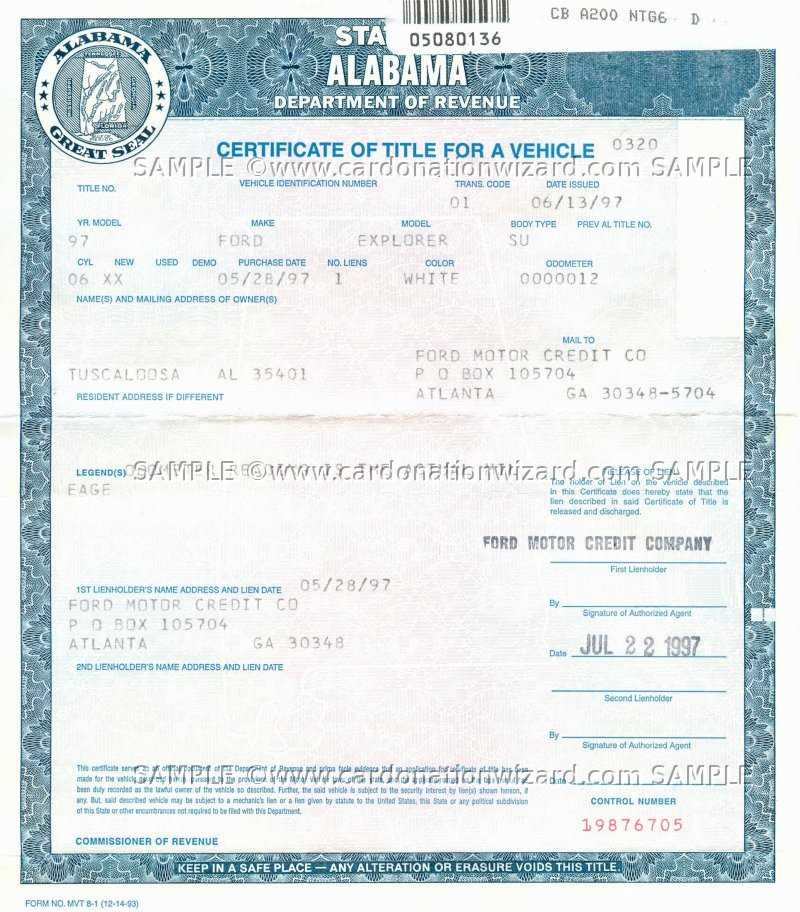
- Proof of Ownership: This is typically the vehicle’s original Certificate of Title. If you’ve just purchased a new car, you might have the Manufacturer’s Statement of Origin (MSO) or a bill of sale and application for title. For used vehicles, the previous owner’s signed-over title is essential. Ensure all liens have been properly released if applicable.
- Proof of Alabama Insurance: Alabama law mandates that all vehicles operated on public roads must be covered by liability insurance. You will need to provide proof of current liability insurance that meets the state’s minimum requirements. This can be an insurance card, a copy of your policy, or a declaration page.
- Valid Identification: A current, unexpired driver’s license (preferably an Alabama driver’s license if you’re a resident) or a state-issued identification card is required.
- Bill of Sale: For newly purchased vehicles (especially private sales), a bill of sale detailing the purchase price, buyer and seller information, and vehicle details is often required and helps in calculating taxes.
- Odometer Disclosure Statement: For vehicles 10 model years old or newer, an odometer disclosure statement, usually included on the title, is necessary to confirm the mileage at the time of sale.
- Proof of Residency: If you’re a new resident registering an out-of-state vehicle, you may need additional proof of your Alabama address, such as a utility bill, lease agreement, or mortgage statement.
- Social Security Number (SSN): Your SSN or federal employer identification number (FEIN) is required for identification and tax purposes.
It’s always a good practice to contact your specific county’s tag office beforehand or check their website to confirm any unique requirements or forms. For example, some counties like Jefferson County or Montgomery County might have specific local forms or procedures.
Understanding Vehicle Taxes and Fees
Registering a car in Alabama involves more than just processing paperwork; it also includes several financial obligations. These fees and taxes contribute to state and local infrastructure, public safety, and administrative costs.
- Ad Valorem Tax: This is a property tax assessed on the value of your vehicle. It is generally due at the time of registration or renewal. The amount varies based on the vehicle’s assessed value and the tax rate in your specific county. New residents bringing vehicles from out of state are subject to this tax.
- Registration Fees: There is a standard state registration fee, which can vary slightly depending on the type of vehicle (e.g., passenger car, truck, motorcycle).
- License Plate Fees: A fee for the license plate itself is also part of the total cost. If you’re getting a standard plate, this is included. If you opt for a personalized or specialty plate (e.g., collegiate, environmental, military), there will be an additional annual fee.
- Issuance Fees: Some counties may also levy small issuance fees for processing the transaction.
- Title Fees: If you are applying for a new title, there will be a separate title application fee.
It’s important to remember that these fees are typically collected at your local county tag office. Due to the variable nature of ad valorem tax, it’s difficult to provide an exact figure without knowing your vehicle’s value and your county of residence. However, be prepared for these costs, which can range from a few hundred dollars to more, especially for newer, higher-value vehicles.
The Step-by-Step Registration Process
With a clear understanding of the requirements and necessary documentation, you can now confidently approach the actual registration process. While it primarily involves a visit to your local county tag office, preparing diligently will ensure efficiency.
Gathering Your Documentation
Before leaving your home, organize all your required documents. Create a checklist and double-check each item. Ensure all copies are clear and legible. For original documents like your title, safeguard them carefully. Having everything in order will significantly expedite your visit to the tag office. This proactive step prevents the frustration of being turned away due to a missing paper and having to make multiple trips.
Visiting Your Local Tag Office
Vehicle registration in Alabama is handled at the county level. This means you will need to visit the Motor Vehicle Division or Tag & Title Office in the county where you reside. For instance, if you live in Birmingham, you’d visit the Jefferson County office. If you’re in Montgomery, you’d go to the Montgomery County office. Similarly, residents of Mobile would visit the Mobile County office, and those in Huntsville would head to the Madison County office.
It’s highly recommended to check the specific office hours, address, and whether appointments are required or recommended. Some offices may offer online queueing systems or have specific days/times for certain transactions. Be prepared for potential wait times, especially during peak hours.
Completing the Registration
Once at the tag office, a representative will review your submitted documents. They will verify your identity, insurance, and ownership details. You will likely complete an application form for registration and title. During this step, the ad valorem tax, registration fees, and any applicable plate fees will be calculated and collected. Payment methods typically include cash, credit/debit cards, and sometimes checks, but it’s best to confirm accepted methods beforehand.
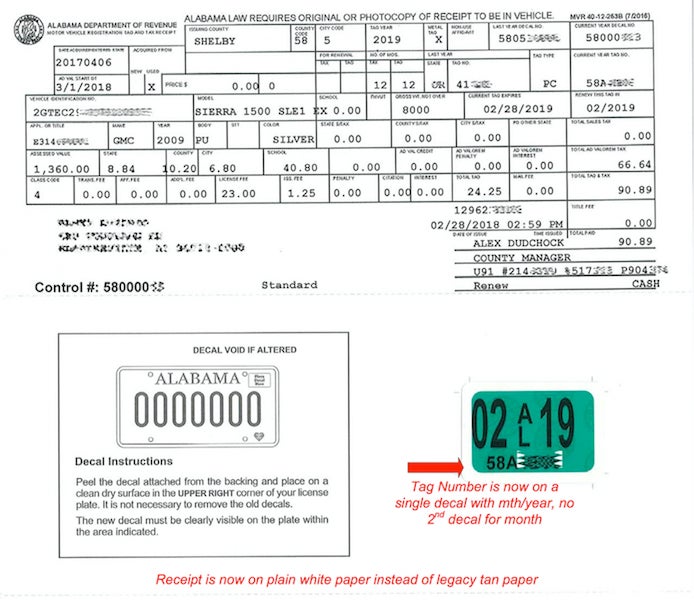
Upon successful processing and payment, you will be issued a new license plate (if applicable), a registration decal to be affixed to your plate, and a registration receipt. This receipt serves as your temporary proof of registration until your official title arrives in the mail from the Alabama Department of Revenue (which can take several weeks).
Specific Scenarios and Considerations
While the general process remains consistent, certain situations warrant specific attention and may have additional requirements.
Registering a Newly Purchased Vehicle
- From a Dealership: When purchasing from a licensed Alabama dealership, they often handle the initial title application and registration paperwork as part of the sale. They collect all necessary fees and taxes and submit them on your behalf. You’ll typically leave with a temporary tag, and your permanent plate and registration will be mailed to you.
- From a Private Seller: If you purchase a vehicle from a private party, the responsibility for registration falls entirely on you. You’ll need the properly signed-over original title from the seller, a bill of sale, proof of insurance, and your ID. The process then follows the standard steps of visiting your local county tag office. Ensure the title is clear of any liens before purchasing.
Out-of-State Vehicle Registration
New residents bringing a vehicle from another state to Alabama must adhere to a specific procedure:
- Obtain an Alabama Driver’s License: While not strictly required before registration, it’s highly recommended to obtain an Alabama driver’s license first, as it simplifies the process and serves as primary proof of residency.
- Bring Out-of-State Title: Your original out-of-state title is crucial. If a lienholder holds the title, you may need a copy of the title and a letter from the lienholder allowing Alabama to issue a new title.
- Vehicle Identification Number (VIN) Verification: In some cases, particularly if the vehicle’s title history is complex or if requested by the tag office, a VIN inspection may be required. This is usually done by law enforcement officers to ensure the VIN on the vehicle matches the title and is not stolen.
- Proof of Alabama Residency: As mentioned, utility bills, lease agreements, or other official documents demonstrating your new Alabama address are often required.
The 30-day window for new residents to register their vehicles is critical; failure to meet this deadline can result in penalties.
Vehicle Inspections
A notable aspect of vehicle registration in Alabama is the absence of mandatory annual safety or emissions inspections for most passenger vehicles. Unlike many other states, Alabama does not require vehicles to pass a mechanical inspection or an emissions test as a prerequisite for registration or renewal. While this simplifies the process, it places the onus on vehicle owners to ensure their vehicles are roadworthy and environmentally sound.
Maintaining Your Vehicle Registration
Registration isn’t a one-time event; it’s an ongoing responsibility. Understanding how to renew and update your information, along with the consequences of non-compliance, is vital for long-term legal operation of your vehicle.
Annual Renewals
Vehicle registration in Alabama must be renewed annually. The renewal month is determined by the first letter of the vehicle owner’s last name. For example, individuals with last names starting with “A” or “D” typically renew in October, while those with “M” or “N” renew in February. A full schedule is available on the Alabama Department of Revenue website and your county tag office’s portal.
You will typically receive a renewal notice in the mail or via email a few weeks before your registration expires. Renewals can often be completed:
- Online: Many counties offer convenient online renewal portals, allowing you to pay fees and receive your new decal by mail.
- By Mail: You can mail your renewal notice and payment to your county tag office.
- In Person: You can visit your county tag office.
- Self-Service Kiosks: Some counties have self-service kiosks available for quick renewals.
Regardless of the method, you will need your renewal notice, proof of insurance, and payment for the ad valorem tax and registration fees.
Updating Your Information
It is your responsibility to keep your vehicle registration information current.
- Change of Address: If you move within Alabama, especially to a different county, you must update your address with the Alabama Department of Revenue and potentially transfer your registration to the new county. This ensures you receive renewal notices and are assessed the correct ad valorem tax for your new location.
- Vehicle Modifications: While Alabama doesn’t have strict modification laws, major changes to a vehicle that alter its classification or value might warrant an update to your registration, though this is less common for standard passenger cars.

Consequences of Non-Compliance
Operating an unregistered vehicle in Alabama can lead to significant legal and financial repercussions.
- Fines and Penalties: You can be ticketed for driving with an expired or unregistered tag, resulting in fines that increase with the duration of non-compliance.
- Impoundment: In severe cases, particularly for repeated offenses or excessively expired tags, your vehicle could be impounded, incurring towing and storage fees in addition to fines.
- Insurance Issues: In an accident, driving an unregistered vehicle could complicate insurance claims, potentially leading to your insurer denying coverage or increasing your liability.
- Legal Troubles: Persistent non-compliance can escalate to more serious legal issues, including court appearances and higher legal costs.
By diligently keeping your vehicle registration current and accurate, you avoid these potential headaches and contribute to the overall safety and regulatory framework of Alabama’s roadways.
Registering a car in Alabama is a straightforward process when approached with preparation and an understanding of the state’s requirements. From gathering the necessary documents to understanding the tax implications and adhering to annual renewals, each step is designed to ensure legal compliance and the smooth operation of vehicles within the state. By following this guide, residents and newcomers alike can navigate the process efficiently, ensuring they can enjoy Alabama’s beautiful roads worry-free.
LifeOutOfTheBox is a participant in the Amazon Services LLC Associates Program, an affiliate advertising program designed to provide a means for sites to earn advertising fees by advertising and linking to Amazon.com. Amazon, the Amazon logo, AmazonSupply, and the AmazonSupply logo are trademarks of Amazon.com, Inc. or its affiliates. As an Amazon Associate we earn affiliate commissions from qualifying purchases.