
The opening riff of Lynyrd Skynyrd‘s “Sweet Home Alabama” is instantly recognizable, an anthem that has transcended generations and genres to become synonymous with the American Deep South. More than just a catchy tune, Sweet Home Alabama is a cultural touchstone, a lyrical journey into the heart of a state often misunderstood, celebrated, and debated. For anyone looking to delve into the local culture, historical context, and vibrant spirit of Alabama, understanding this song is an essential first step. It encapsulates a blend of defiance, pride, and an undeniable love for one’s roots, offering a unique lens through which to appreciate the state’s tourism appeal, its rich musical heritage, and its complex social history.

This article explores the multifaceted narrative woven into “Sweet Home Alabama”, examining how it serves as an enduring symbol of Alabama’s local culture, influences perceptions, and invites visitors to experience the state beyond stereotypes. We’ll unpack the song’s origins, its response to contemporary critiques, and its lasting impact on how Alabama is understood and celebrated both domestically and internationally. Through its verses, we discover not just a band’s opinion, but a vibrant tapestry of Southern identity, musical innovation, and a call to experience the real Alabama.
The Cultural Tapestry of Alabama Woven into the Lyrics
“Sweet Home Alabama” emerged in 1974, a pivotal moment in American history, particularly for the Deep South. The song is often misinterpreted as a simple ode to a state, but its true depth lies in its role as a cultural response, a declaration of identity, and a celebration of a specific way of life that resonated deeply with many. From a tourism perspective, understanding this context is crucial to appreciating the unique cultural fabric that still defines much of Alabama today. It invites tourists to look beyond superficial narratives and engage with the nuanced realities of Southern heritage.
Responding to Critics: The Context of the 1970s
The lyrics of Sweet Home Alabama are famously a direct retort to two songs by Canadian folk artist Neil Young: “Southern Man” (from 1970’s After the Gold Rush) and “Alabama” (from 1972’s Harvest). Both of Young’s songs critically addressed racism and the lingering legacy of slavery in the American South. Lynyrd Skynyrd, a band from Jacksonville, Florida, felt these songs painted an overly simplistic and negative picture of the entire South.
Their response, Sweet Home Alabama, was an assertion of Southern pride, aiming to showcase a different perspective. This isn’t just a historical footnote; it’s a key to understanding the defensive yet proud spirit that visitors might still encounter in parts of Alabama. The song encouraged people to look beyond external critiques and appreciate the hospitality, musical innovation, and natural beauty that defined the region for its inhabitants. For tourists interested in understanding complex historical narratives, engaging with this cultural dialogue is an essential “activity.” It encourages a deeper exploration of local perspectives versus external judgments.
Celebrating the Deep South’s Identity
Beyond the rebuttal, the song is a heartfelt celebration of Alabama itself. The repeated chorus, “Sweet home Alabama, where the skies are so blue, sweet home Alabama, Lord, I’m coming home to you,” evokes a powerful sense of longing and belonging. This sentiment resonates with anyone who has deep roots in a place and speaks to the strong sense of regional identity prevalent throughout the state.
The song paints a picture of a welcoming place, a haven. This portrayal, despite its controversial lines, has significantly shaped the perception of Alabama for many, instilling a sense of curiosity and warmth. Tourists often seek authentic cultural experiences, and this song provides a soundtrack to Alabama’s self-identity. It highlights the state’s natural beauty (“skies are so blue”) and its comforting, familiar atmosphere, which are compelling reasons for travel. It suggests that Alabama is a place where one can truly feel at home, even as a visitor.
The Myth and the Reality: Unpacking the “Southern Man” Image
Perhaps the most debated line in the song is the mention of “Governor George Wallace.” Wallace was a staunch segregationist, famous for his “segregation now, segregation tomorrow, segregation forever” speech. The line, “In Birmingham they love the governor,” has been a source of enduring controversy. Lynyrd Skynyrd members later clarified that the line was not an endorsement of Wallace’s policies but rather a commentary on the political reality of the time and the band’s belief that Young shouldn’t generalize about an entire region. Some also interpret it as ironic or even critical.
This complexity is precisely what makes Alabama a fascinating destination for cultural tourism. Engaging with sites like the Birmingham Civil Rights Institute, the Rosa Parks Museum in Montgomery, or the Edmund Pettus Bridge in Selma provides a tangible way to understand the very real struggles and triumphs that shaped the state. The song, in its controversial lines, implicitly invites visitors to explore these historical sites and form their own understanding, going beyond the simplified “Southern Man” narrative to grasp the nuances of Alabama’s past and present. It offers a powerful “tip” for cultural travelers: delve into the history to truly understand the local identity.
Musical Heartlands and Tourist Hotspots
Beyond its social commentary, Sweet Home Alabama is also a celebration of the state’s unparalleled musical heritage, particularly referencing the legendary recording studios of Muscle Shoals. For music aficionados and cultural tourists, this aspect of the song serves as an irresistible invitation to explore one of America’s most fertile musical grounds, a place where local talent shaped global sounds.
Muscle Shoals: A Mecca for Music Lovers
The lyrics “Now Muscle Shoals has got the Swampers, and they’ve been known to pick a song or two” refer to the Muscle Shoals Rhythm Section, a group of session musicians who recorded at Fame Studios and later opened their own studio, Muscle Shoals Sound Studio. These Swampers were instrumental in creating the iconic sound for countless hits by artists such as Aretha Franklin, The Rolling Stones, Paul Simon, and countless others.
For music-focused tourists, Muscle Shoals is a living museum, an essential pilgrimage site. Visiting Fame Studios or Muscle Shoals Sound Studio offers a tangible connection to music history, where guided tours tell stories of legendary recording sessions and allow visitors to stand in the very rooms where iconic tracks were laid down. This area offers a unique activity: a deep dive into the roots of American music. The local culture of Muscle Shoals is intrinsically tied to its musical output, making it a vibrant destination for those seeking a true cultural experience.
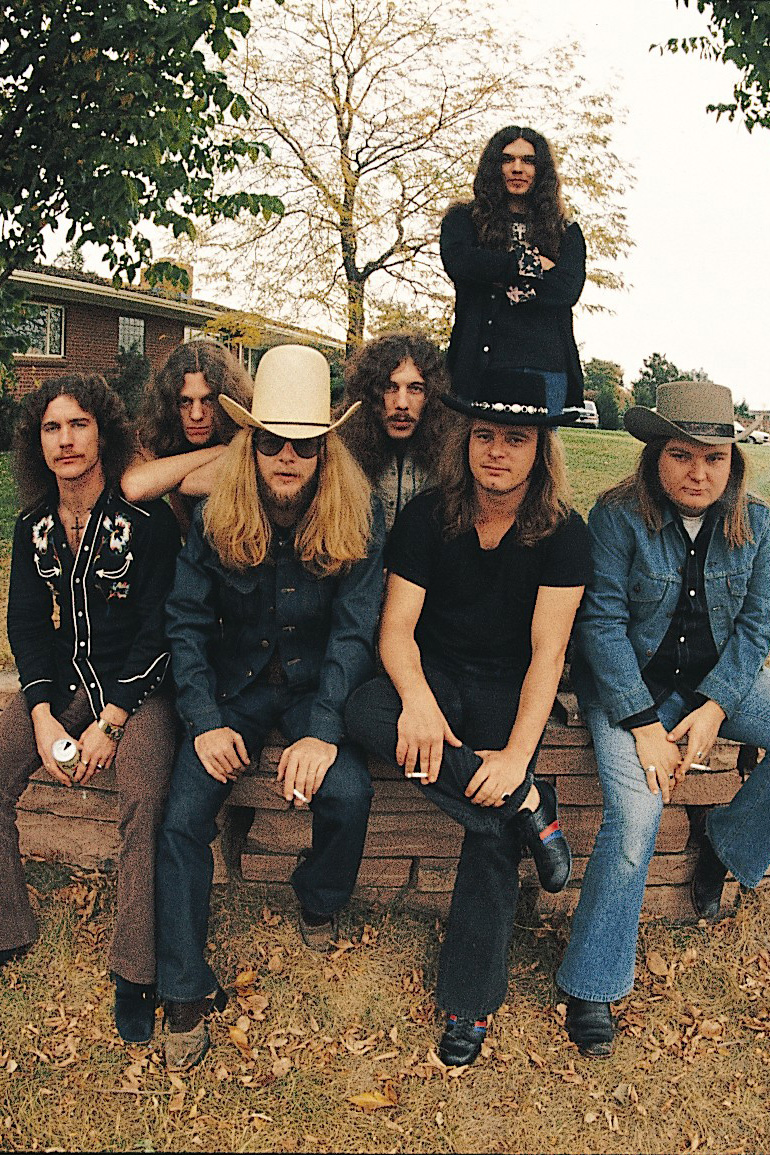
Lynyrd Skynyrd’s Ode to Southern Hospitality
Beyond Muscle Shoals, the song evokes a broader sense of Southern hospitality and community. While not explicitly stated in the lyrics about Alabama, the general spirit of welcome and warmth is a hallmark of the region that many tourists seek. Lynyrd Skynyrd, through this anthem, subtly positions Alabama as a place of refuge and familiarity, inviting listeners to share in its comforts.
This aspect of the song contributes to Alabama’s tourism appeal by highlighting the intangible, yet highly valued, experience of genuine connection with locals. Activities like exploring local markets, dining at family-run restaurants, or attending community festivals offer opportunities to experience this hospitality firsthand. “Sweet Home Alabama” effectively acts as a brand ambassador, setting an expectation of friendliness and approachability for potential visitors.
Beyond the Music: Exploring Alabama’s Rich Heritage
While music forms a significant part of Alabama’s cultural identity, the state offers a vast array of heritage experiences that extend beyond its famous studios. The song’s broader celebration of Alabama as “home” encourages visitors to explore its diverse attractions. From the pristine beaches of the Gulf Coast to the Appalachian foothills, Alabama boasts natural beauty that complements its rich history.
Cultural activities in Alabama include historical tours of antebellum homes, visits to civil rights landmarks, exploration of Native American heritage sites, and enjoying its vibrant culinary scene which often features traditional Southern food. The “local culture” element of Alabama is multifaceted, and the song’s popularity draws attention to the state as a whole, encouraging a comprehensive exploration of its offerings. It’s a call to experience the full spectrum of what makes Alabama distinct, from its historical gravitas to its stunning landscapes and innovative food traditions.
Alabama Today: The Song’s Enduring Legacy on Tourism and Local Pride
Decades after its release, “Sweet Home Alabama” continues to shape perceptions of the state, serving as both an iconic anthem and a point of ongoing discussion. For tourism, its enduring presence means that visitors often arrive with certain preconceived notions, making it a critical piece of the cultural puzzle that Alabama presents to the world.
Driving Cultural Understanding Through Song
The song acts as an informal ambassador for Alabama, albeit a controversial one at times. It generates curiosity and conversation, prompting many to ask: “What is Sweet Home Alabama really about?” This inquiry naturally leads to a deeper engagement with the state’s history, culture, and people. Rather than shying away from its contentious elements, the song can be leveraged as a starting point for dialogue, encouraging tourists to learn about Alabama’s journey and evolution.
Travelers seeking authentic cultural experiences will find that understanding the song’s historical and social context enhances their visit. It provides a unique “tip” for cultural immersion: listen to the music, understand its background, and then compare it with the lived reality you encounter. This approach allows for a richer, more informed appreciation of Alabama’s complexities, moving beyond stereotypes to a nuanced understanding of its local culture.
Modern Interpretations and Community Engagement
Today, “Sweet Home Alabama” is played at sporting events, celebrated in local festivals, and is undeniably woven into the fabric of daily life for many Alabamians. Its presence reflects a deep sense of pride and a communal spirit. While the debate around some of its lyrics persists, the core sentiment of affection for home remains powerful.
For communities within Alabama, the song is often a source of shared identity. This collective pride can be seen in local events, art, and even the hospitality extended to visitors. Tourists can engage with this aspect of local culture by participating in events where the song is celebrated, visiting local music venues, or simply striking up conversations with locals about what “Sweet Home Alabama” means to them. Such interactions offer invaluable insights into the heart of the state and its people, making for memorable travel experiences.

Planning Your Own “Sweet Home Alabama” Experience
For those inspired by the song to visit Alabama, the possibilities for culturally rich activities are vast. A journey through Alabama can be structured around the themes of the song itself.
- Music Trail: Start in Muscle Shoals to explore the legendary studios and understand the “Swampers” legacy. Consider a visit to the Alabama Music Hall of Fame in Tuscumbia.
- Civil Rights Journey: Head to Birmingham, Montgomery, and Selma to engage with the sites that shaped American history, offering a vital counter-narrative and deeper understanding of the issues alluded to in the song.
- Nature & Hospitality: Explore the state’s natural beauty, from the Appalachian Plateaus to the Gulf Coast beaches, and experience the famed Southern hospitality in its charming small towns and bustling cities.
- Culinary Exploration: Sample the local food, from barbecue joints to seafood shacks, which reflects the rich cultural traditions and agricultural bounty of the state.
These activities offer tips for crafting a truly immersive visit, allowing travelers to connect with the authentic local culture that “Sweet Home Alabama” attempts to capture. The song, in essence, is an invitation to explore, to question, and ultimately, to understand the unique spirit of Alabama.
“Sweet Home Alabama” is far more than a simple rock anthem; it is a complex cultural artifact that reflects and shapes the identity of a state. For the discerning tourist, it serves as a fascinating entry point into Alabama’s local culture, inviting exploration of its rich musical heritage, its profound civil rights history, and the enduring pride of its people. By understanding the song’s context and controversies, visitors can unlock a deeper appreciation for Alabama’s multifaceted charm, experiencing firsthand the “sweet home” sentiment that continues to define this remarkable corner of the USA. It’s a call to action for cultural travelers: come to Alabama, listen to its stories, and discover its true essence for yourself.
LifeOutOfTheBox is a participant in the Amazon Services LLC Associates Program, an affiliate advertising program designed to provide a means for sites to earn advertising fees by advertising and linking to Amazon.com. Amazon, the Amazon logo, AmazonSupply, and the AmazonSupply logo are trademarks of Amazon.com, Inc. or its affiliates. As an Amazon Associate we earn affiliate commissions from qualifying purchases.