
Planning a trip to a new destination involves a myriad of logistical considerations, from flights and accommodations to local attractions and dining reservations. Among the most fundamental, yet often overlooked, details is understanding the local time zone. For those setting their sights on the vibrant coastal city of Mobile, Alabama, knowing the correct time zone is paramount to a smooth and enjoyable travel experience. Mobile operates within the Central Time Zone, observing both Central Standard Time (CST) and Central Daylight Time (CDT) throughout the year, a distinction that carries significant implications for travelers from various parts of the globe.
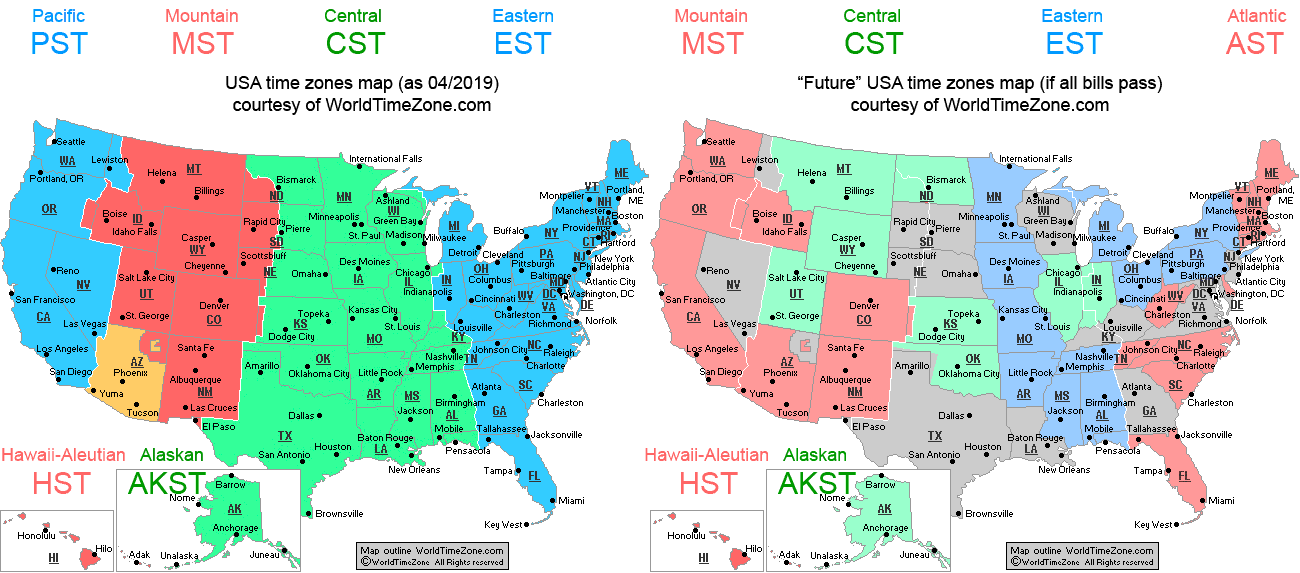
This guide delves into the specifics of Mobile’s time zone, outlining how it functions, why it’s crucial for your travel plans, and offering practical tips to ensure you stay on schedule, maximize your visit, and truly immerse yourself in the rich tapestry of this historic Southern city.
Understanding Mobile’s Time Zone: Central Standard Time (CST) and Central Daylight Time (CDT)
At its core, Mobile, Alabama adheres to the rhythm of the Central Time Zone, one of the primary time zones in the United States. This means that depending on the time of year, visitors will experience either Central Standard Time or Central Daylight Time.
The Basics of CST/CDT
Central Standard Time (CST) is observed during the fall and winter months. It is 6 hours behind Coordinated Universal Time (UTC), often denoted as UTC-6. This is the baseline time for Mobile when Daylight Saving Time is not in effect.
When spring arrives, Mobile, like most of Alabama and a significant portion of the USA, transitions to Central Daylight Time (CDT). During CDT, the clocks are advanced by one hour, making it UTC-5. This adjustment is designed to make better use of daylight hours, shifting an hour of daylight from the morning to the evening.
Daylight Saving Time in Mobile
The shift from CST to CDT, and vice versa, is governed by Daylight Saving Time (DST). In the USA, DST typically begins on the second Sunday in March, when clocks “spring forward” one hour. It concludes on the first Sunday in November, when clocks “fall back” one hour, returning to standard time.
For travelers, this biannual change is crucial. A March trip might coincide with the “spring forward,” meaning you lose an hour, while an October/November journey could gain an hour. Missing this adjustment can lead to missed flights, appointments, or simply confusion about local operating hours. Always confirm the exact date of the DST change if your travel plans fall near these periods to ensure your itinerary remains perfectly aligned with Mobile’s local time.
Why Time Zones Matter for Your Mobile Travel Plans
Understanding Mobile’s time zone is more than just a trivial detail; it’s a foundational element of effective travel planning that impacts virtually every aspect of your trip. From avoiding scheduling mishaps to managing personal well-being, acknowledging the time difference is key.
Planning Your Arrival and Departure
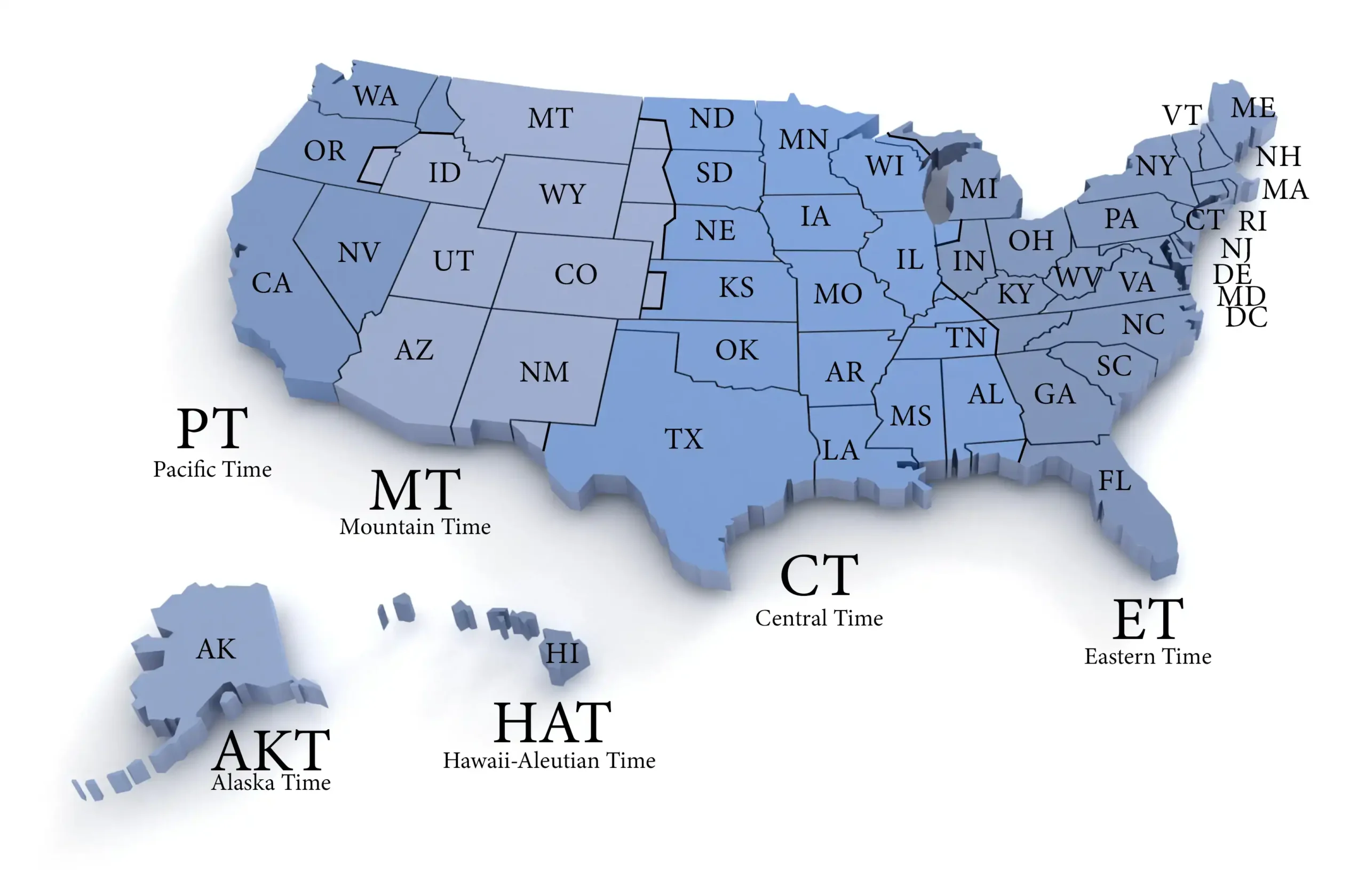
Perhaps the most critical impact of time zones is on transportation schedules. Flights, trains, and buses are meticulously timed according to the local zones of their departure and arrival points. If you’re flying into Mobile Regional Airport from, say, the Eastern Time Zone, remember there’s a one-hour difference (EST/EDT is one hour ahead of CST/CDT). This means a flight departing at 9:00 AM Eastern will land at approximately 9:00 AM Central, plus flight time. Conversely, traveling from the Pacific Time Zone (three hours behind CST/CDT) or even the Mountain Time Zone (two hours behind CST/CDT) requires a more substantial mental adjustment.
Accurate time zone awareness is also vital for hotel check-in and check-out times. Arriving an hour late or early due to a miscalculation could impact your access to your room or incur additional charges. Furthermore, if you’re coordinating pick-ups or drop-offs with local friends or transportation services, clarity on the time zone ensures everyone is on the same page. For those coming from vastly different time zones, such as international travelers, the time shift can also lead to jet lag, making a pre-planned adjustment strategy essential for enjoying your first few days in Mobile.
Business Hours and Local Operations
Mobile’s attractions, restaurants, shops, and essential services all operate according to Central Time. Imagine planning a visit to the historic USS Alabama Battleship Memorial Park or a stroll through Historic Blakeley State Park, only to arrive an hour after closing because you forgot to adjust your watch.
Dining reservations, especially for popular Mobile eateries known for their fresh seafood and Southern cuisine, are strictly adhered to local time. Similarly, scheduling tours, museum visits, or even a simple salon appointment requires adherence to CST/CDT. Staying mindful of the local time ensures you don’t miss out on any experiences and can efficiently plan your daily itinerary without unexpected closures or delays.
Communication with Home
For many travelers, staying connected with family, friends, or colleagues back home is a priority. When your home base is in a different time zone, careful planning of calls, video chats, or virtual meetings becomes necessary. If your family is on the East Coast, they are an hour ahead, so a 7:00 PM call in Mobile would be 8:00 PM for them. Conversely, communicating with loved ones on the West Coast means they are three hours behind. Being considerate of these differences ensures you don’t call at inconvenient hours, allowing for more meaningful and uninterrupted conversations.
Navigating Time Across Time Zones: Tips for Travelers to Mobile
While the concept of time zones might seem straightforward, the practicalities of adjusting to a new one, especially when crossing multiple zones, can sometimes be challenging. Here are some actionable tips to ensure a seamless time transition during your trip to Mobile, Alabama.
Before You Go: Pre-Trip Preparation
- Consult a World Clock or Time Converter: Prior to your departure, use online tools or smartphone apps to clearly understand the time difference between your origin and Mobile. Knowing this in advance helps you mentally prepare and adjust your internal clock.
- Adjust Your Watch/Phone Proactively: Many travelers find it helpful to set their watch or phone to Mobile’s time zone a day or two before departure. This helps you start thinking in the new time frame even before you arrive. For smartphones, ensure your device’s automatic time zone setting is enabled, so it updates instantly upon arrival.
- Review Your Itinerary: Double-check all flight times, hotel bookings, tour schedules, and reservation confirmations, ensuring they are all understood in Mobile’s local time. Pay particular attention if your travel dates fall around the Daylight Saving Time change.
Upon Arrival: Adjusting to Mobile Time
- Embrace Local Time Immediately: As soon as your plane lands in Mobile, make a conscious effort to operate on Central Time. Adjust your sleep schedule, meal times, and activities to align with the local rhythm.
- Seek Sunlight and Stay Hydrated: For those experiencing jet lag, exposure to natural light in the morning can help reset your circadian rhythm. Staying well-hydrated throughout your journey and during your stay can also alleviate some symptoms of fatigue.
- Avoid Napping (If Possible): While tempting, long naps can sometimes exacerbate jet lag. If you must rest, keep naps short (20-30 minutes) to avoid falling into deep sleep cycles that make it harder to sleep at night.
Tools and Technology
Modern technology is your best friend when it comes to managing time zones. Most smartphones automatically update to the local time zone when connected to a cellular network. However, it’s always wise to manually confirm. World clock apps allow you to simultaneously view multiple time zones, making it easy to schedule calls home. Wearable technology, like smartwatches, can also sync to local time and offer helpful reminders.
Mobile’s Unique Charm Beyond the Clock
While time management is crucial, remember that your ultimate goal is to experience the unique allure of Mobile, Alabama. This city, rich in history and vibrant culture, offers a myriad of attractions that make any logistical planning worthwhile.
Exploring Mobile’s Rich History and Culture
Mobile is not just a city; it’s a living museum. As the original birthplace of Mardi Gras in the USA, its streets burst with color and history, influenced by French, Spanish, British, and American heritage. Taking the time to visit its historic districts like the Oakleigh Garden Historic District or the Church Street East Historic District provides a glimpse into centuries past. Ensuring you’re on Central Time means you can seamlessly join guided tours, catch historical reenactments, or visit museums like the Mobile Carnival Museum without missing a beat.
Culinary Delights and Southern Hospitality
Mobile’s culinary scene is a testament to its coastal location and Southern heritage. From fresh Gulf Coast seafood at establishments like Wintzell’s Oyster House to comforting Southern cuisine and vibrant brunch spots, there’s a flavor for every palate. Adhering to the local time zone ensures you arrive punctually for those coveted dinner reservations, enjoy happy hour specials, or experience the lively nightlife that Mobile has to offer. The famed Southern hospitality is best experienced when you’re relaxed and unhurried, not stressed by a time zone mix-up.
Outdoor Adventures and Coastal Beauty
Beyond its urban charm, Mobile serves as a gateway to stunning natural beauty and outdoor adventures. Just a short drive away, you can explore the pristine beaches of Dauphin Island, embark on a dolphin-watching cruise, or kayak through the tranquil waters of the Mobile-Tensaw Delta. Each of these activities is time-sensitive, with boat tours, park opening hours, and sunset views dictated by the sun’s position within the Central Time Zone. Accurate timekeeping allows you to perfectly time your adventures, ensuring you capture the breathtaking sunsets over the Gulf or catch the early morning calm of the delta.
In conclusion, understanding that Mobile, Alabama is in the Central Time Zone, observing CST (UTC-6) and CDT (UTC-5) with Daylight Saving Time adjustments, is a fundamental piece of information for any traveler. By planning proactively and making a conscious effort to adjust your internal clock, you can navigate your journey with ease and fully immerse yourself in all the incredible experiences Mobile has to offer, from its historic streets to its delicious cuisine and stunning natural landscapes. Travel smart, stay on time, and enjoy every moment in this jewel of the Gulf Coast.
LifeOutOfTheBox is a participant in the Amazon Services LLC Associates Program, an affiliate advertising program designed to provide a means for sites to earn advertising fees by advertising and linking to Amazon.com. Amazon, the Amazon logo, AmazonSupply, and the AmazonSupply logo are trademarks of Amazon.com, Inc. or its affiliates. As an Amazon Associate we earn affiliate commissions from qualifying purchases.