
Planning a trip to a new city often involves a myriad of details: where to stay, what to see, and how to get around. Yet, one fundamental piece of information that travelers sometimes overlook, to their detriment, is the local time zone. Understanding the temporal identity of your destination is paramount for seamless travel, ensuring timely arrivals, scheduled activities, and effective communication. For those setting their sights on the vibrant heart of Alabama, Birmingham, knowing its time zone is the first step towards a well-organized and stress-free visit.
Birmingham, Alabama, operates on Central Time. Specifically, this means during the standard period of the year, it adheres to Central Standard Time (CST), which is UTC-6. When Daylight Saving Time (DST) is observed, the city switches to Central Daylight Time (CDT), which is UTC-5. This seemingly simple fact carries significant implications for anyone traveling to Birmingham, from coordinating flights to scheduling dinner reservations, and even just knowing when your favorite attractions open and close. This guide will delve into the intricacies of Birmingham’s time zone, why it matters for your travel plans, and how to navigate time differences like a seasoned globetrotter.
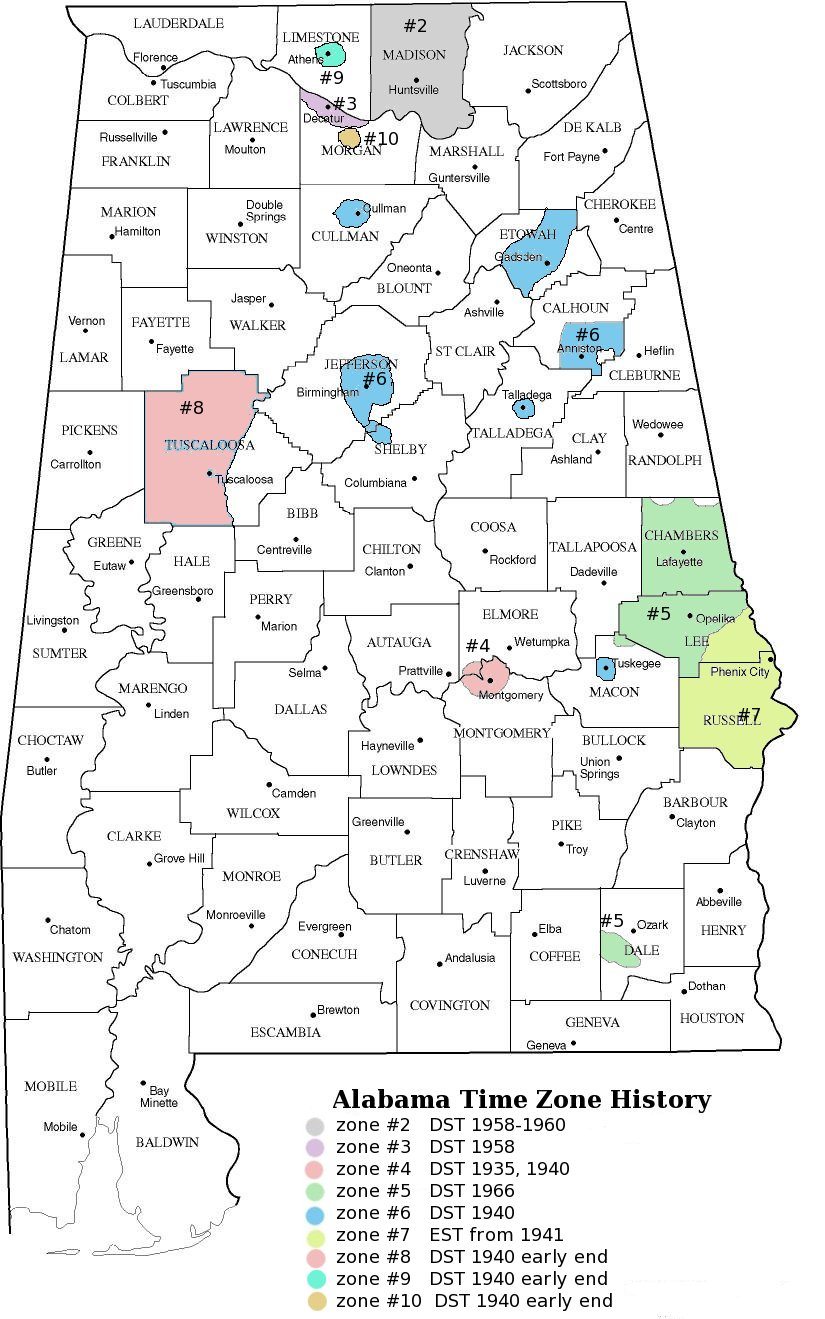
Understanding Central Time: Birmingham’s Temporal Identity
Birmingham’s placement within the Central Time Zone is a geographical reality that impacts daily life and travel planning significantly. This time zone encompasses a broad swath of the United States, Canada, and Mexico, creating a consistent temporal framework across these regions.
The Basics of Central Standard Time (CST)
Central Standard Time (CST) is defined as being six hours behind Coordinated Universal Time (UTC-6). This means that when it is noon UTC, it is 6:00 AM in Birmingham during CST. The designation of “Standard Time” indicates the period outside of Daylight Saving Time. For Birmingham, this typically runs from early November until mid-March. Cities and states within the Central Time Zone share this common clock, simplifying communication and coordination for those traveling within this region. For instance, if you are traveling from Mississippi or Tennessee, also on Central Time, your internal clock won’t need recalibrating upon arrival in Birmingham.
Daylight Saving Time (DST) and Its Impact
The annual shift to Daylight Saving Time (DST) introduces an important variable into the time zone equation. In the United States, DST begins on the second Sunday in March and ends on the first Sunday in November. During this period, clocks “spring forward” by one hour, meaning Birmingham moves from CST (UTC-6) to Central Daylight Time (CDT), which is UTC-5. This change extends daylight into the evening, a popular measure for various economic and recreational reasons.
For travelers, the transition to DST means adjusting arrival times and pre-booked schedules. For example, a flight scheduled to land at 10:00 AM CST in February would land at 10:00 AM CDT in April, effectively an hour later by the sun’s position. While most modern devices automatically adjust, understanding this shift is crucial for manual timepieces and for mentally preparing for the change. It’s a key factor when planning activities that rely on natural light, such as visiting outdoor attractions or enjoying evening strolls.
Practical Implications for Travelers
Beyond simply knowing the time, understanding CST/CDT has practical implications for every aspect of your trip. Consider arrival times for flights, buses, or trains. A departure from an Eastern Time Zone city like Atlanta (which is one hour ahead of Birmingham) will mean you gain an hour upon arrival, but you must factor in the time zone difference when booking. Similarly, coordinating with friends or family in different time zones requires a quick mental calculation. For business travelers, missing a meeting due to a time zone miscalculation is an avoidable pitfall. Even something as simple as calling for a taxi or confirming a reservation relies on an accurate understanding of local time.
Why Time Zones Matter for Your Birmingham Travel Plans
The seemingly simple concept of a time zone transforms into a critical planning tool when you’re traveling. For Birmingham, this means more than just setting your watch; it’s about optimizing your experience, avoiding common travel pitfalls, and truly immersing yourself in the destination.
Synchronizing Flights and Arrivals
One of the most immediate impacts of time zones is on transportation. When booking flights, train tickets, or bus services, the departure and arrival times are always stated in the local time of the respective airport or station. If you’re flying from the Eastern Time Zone, say from New York City or Miami, you’ll “gain” an hour when you land in Birmingham. Conversely, if you’re flying in from the Mountain Time Zone (two hours behind) or Pacific Time Zone (three hours behind), you’ll “lose” hours.
It’s crucial to confirm these details not just for your arrival, but also for connecting flights, especially if they span multiple time zones. Miscalculating can lead to missed connections, additional costs, and significant stress. Always double-check your itinerary, noting both the departure and arrival times and their respective local time zones. Many travel apps and airline websites provide this information clearly, but a quick mental confirmation can prevent a major headache.
Planning Meetings and Appointments
Whether your trip to Birmingham is for business or pleasure, you’ll likely have specific appointments to keep. Business meetings, restaurant reservations, tour bookings, or even a scheduled call with loved ones back home all hinge on accurate time zone awareness. A 9:00 AM meeting in Birmingham is not the same as a 9:00 AM meeting in Atlanta (which would be 10:00 AM Birmingham time).
When scheduling, always state the time zone explicitly, e.g., “Tuesday at 2:00 PM CST” or “Wednesday at 11:00 AM CDT.” This eliminates ambiguity and ensures everyone is on the same page. For personal appointments, like a spa treatment or museum entry, arriving late due to a time zone error could mean forfeiture of your booking or a delayed experience. Utilizing calendar apps that automatically adjust for time zones is highly recommended for tech-savvy travelers.
Maximizing Your Birmingham Experience
Beyond logistics, understanding Birmingham’s time zone allows you to make the most of your visit. Jet lag, while less severe within continental United States travel, can still impact your first day. Knowing you’ll gain an hour coming from the East Coast might mean you feel less tired initially, or conversely, losing hours from the West Coast might mean you plan a lighter first day.
The local time dictates operating hours for attractions, shops, and restaurants. Vulcan Park and Museum, the Birmingham Civil Rights Institute, and Sloss Furnaces National Historic Landmark all adhere to Birmingham time. Knowing the precise local time ensures you arrive when they’re open and avoid disappointment. Furthermore, planning evening activities like catching a Birmingham Barons baseball game at Regions Field or enjoying dinner in Downtown Birmingham requires an accurate sense of local time to make reservations and arrive promptly.
Navigating Time Across the United States and Beyond
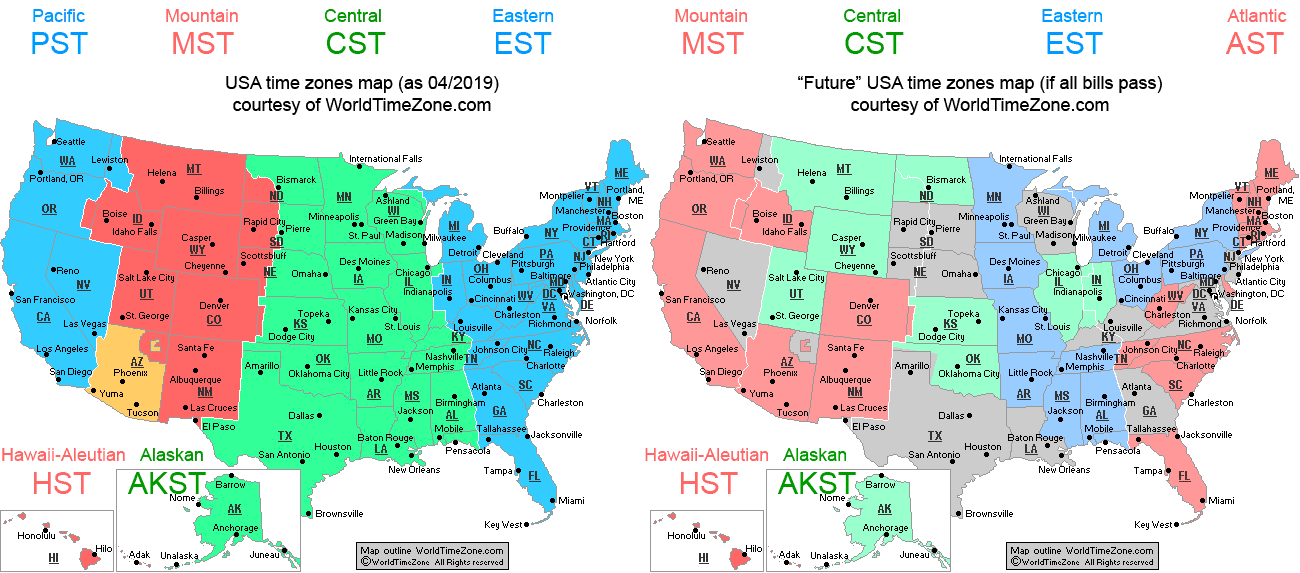
While Birmingham is firmly in Central Time, travelers often come from or continue to other regions, making a broader understanding of time zones essential. The United States alone spans six different time zones, not including its territories.
Major US Time Zones at a Glance
The continental United States is divided into four primary time zones:
- Eastern Time Zone (ET): UTC-5 (EST) / UTC-4 (EDT). Home to major cities like New York, Miami, and Atlanta. One hour ahead of Central Time.
- Central Time Zone (CT): UTC-6 (CST) / UTC-5 (CDT). Encompasses Birmingham, Chicago, Dallas, and New Orleans.
- Mountain Time Zone (MT): UTC-7 (MST) / UTC-6 (MDT). Includes Denver, Salt Lake City, and Phoenix (parts of Arizona do not observe DST). One hour behind Central Time.
- Pacific Time Zone (PT): UTC-8 (PST) / UTC-7 (PDT). Home to Los Angeles, San Francisco, and Seattle. Two hours behind Central Time.
Beyond the continental US, there are also the Alaska Time Zone (three hours behind Central Time) and the Hawaii Time Zone (four hours behind Central Time and does not observe DST). Understanding these differences is critical for long-distance travel within the country.
Adjusting to Time Differences: Tips for Travelers
When crossing multiple time zones, particularly from west to east, jet lag can be a real concern. While traveling to Birmingham from an adjacent time zone might only entail a one-hour shift, coming from the Pacific Time Zone means a three-hour adjustment. Here are a few tips:
- Adjust Before You Go: A few days before your trip, gradually shift your sleep schedule by an hour or so each day towards Birmingham’s time.
- Hydrate: Drink plenty of water before, during, and after your flight to combat dehydration, which can worsen jet lag symptoms.
- Manage Light Exposure: Seek natural light upon arrival in Birmingham to help reset your circadian rhythm. Avoid bright lights in the evening if you need to sleep earlier.
- Stay Active: Gentle exercise can help alleviate fatigue and promote better sleep.
- Limit Caffeine and Alcohol: While tempting, these can disrupt sleep patterns and exacerbate jet lag.
Cross-Country Travel Considerations
For those embarking on extensive cross-country road trips or multi-city itineraries that include Birmingham, maintaining an accurate sense of time is an ongoing task. GPS systems and smartphone clocks will generally update automatically, but it’s wise to have a backup, like a traditional watch or a mental note of time zone boundaries. States like Texas and Florida are split between Central and Eastern Time, meaning a drive across certain state lines could involve a sudden hour change. Being aware of these geographical nuances ensures you don’t miss a turn, an exit, or an important appointment along the way.
Birmingham, Alabama: A Destination Worth Your Time
With the logistical details of time zones firmly in hand, you’re now better equipped to fully enjoy what Birmingham has to offer. This vibrant city, often celebrated in publications like Southern Living, is a rich tapestry of history, culture, culinary delights, and natural beauty.
Beyond the Clock: What Birmingham Offers
Birmingham’s allure extends far beyond its Central Time Zone designation. It’s a city of resilience and transformation, recognized globally for its pivotal role in the Civil Rights Movement, showcased powerfully at the Birmingham Civil Rights Institute and adjacent Kelly Ingram Park and 16th Street Baptist Church. But it’s also a modern metropolis with a thriving food scene, craft breweries, and a burgeoning arts and entertainment landscape. The city skillfully blends its industrial heritage, visible at Sloss Furnaces National Historic Landmark, with contemporary urban renewal, exemplified by green spaces like Railroad Park.
Local Attractions and Activities
Your time in Birmingham can be packed with diverse activities. Here’s a glimpse:
- History & Culture: Explore the impactful exhibits at the Birmingham Civil Rights Institute or climb to the top of Vulcan Park and Museum for panoramic city views.
- Family Fun: The McWane Science Center offers interactive exhibits for all ages, while the Birmingham Zoo is a perennial favorite.
- Outdoor Escapes: Wander through the serene Birmingham Botanical Gardens or enjoy a picnic and people-watching at Railroad Park.
- Culinary Scene: From upscale dining to casual eateries, Birmingham is renowned for its Southern-inspired cuisine and innovative chefs. Don’t miss the chance to sample local barbecue or a craft beer from one of the many local breweries.
- Sports & Entertainment: Catch a minor league baseball game with the Birmingham Barons at Regions Field or check the schedule for live music and theater performances.
Planning Your Itinerary with Time in Mind
When crafting your Birmingham itinerary, build in buffer time, especially on your arrival day. If arriving from a different time zone, consider a relaxed first evening. Group attractions that are geographically close, like the Birmingham Civil Rights Institute and Kelly Ingram Park, to maximize efficiency. Always check the operating hours of specific venues, as these can vary seasonally and often involve closing times that might be earlier than you expect, particularly for museums or historical sites. Remember that during CDT, you’ll have more daylight in the evening, which can be perfect for exploring outdoor areas or dining al fresco.

Essential Tools and Resources for Time Zone Management
In today’s interconnected world, managing time zones on the go is easier than ever, but knowing which tools to trust can make a difference.
- Smartphones and Devices: Modern smartphones, smartwatches, and laptops automatically detect your location and adjust to the local time zone. Ensure your device’s “automatic time zone” setting is enabled.
- World Clock Apps: Dedicated world clock applications (often built into operating systems) allow you to track multiple time zones simultaneously, making it easy to compare Birmingham’s time with your home city or other destinations.
- Online Converters: Websites like Time and Date or WorldTimeBuddy are excellent resources for quickly converting times between different cities and checking current time zone status, including DST observance.
- Airline and Travel Apps: Most reputable airlines and third-party booking sites will display flight times in local time for both departure and arrival, often with an explicit note about time zone changes. Pay close attention to these details on your booking confirmations.
By leveraging these tools and maintaining a proactive approach to time zone awareness, your journey to Birmingham, Alabama, will be smooth, punctual, and ultimately, far more enjoyable. Understanding that Birmingham resides in the Central Time Zone (CST/CDT) is not just a trivial fact; it’s a cornerstone of effective travel planning, allowing you to immerse yourself fully in the city’s unique charm without missing a beat.
LifeOutOfTheBox is a participant in the Amazon Services LLC Associates Program, an affiliate advertising program designed to provide a means for sites to earn advertising fees by advertising and linking to Amazon.com. Amazon, the Amazon logo, AmazonSupply, and the AmazonSupply logo are trademarks of Amazon.com, Inc. or its affiliates. As an Amazon Associate we earn affiliate commissions from qualifying purchases.