
Alabama, often celebrated for its vibrant cultural heritage, stunning Gulf Coast beaches, and a rich history that echoes through its charming towns and bustling cities, also holds a distinct allure for outdoor enthusiasts. Among its myriad offerings, deer hunting stands out as a premier activity, drawing hunters from across the nation eager to experience the state’s abundant wildlife and diverse landscapes. For those contemplating a visit to Alabama with a deer hunt in mind, understanding the intricacies of its hunting seasons is paramount. This guide provides a professional and insightful look into when deer hunting commences in the Yellowhammer State, delving into the regulations, planning considerations, and the broader tourism opportunities that make a hunting trip to Alabama an unforgettable experience.

Deer hunting in Alabama is not merely a sport; it is an ingrained tradition, a vital component of wildlife management, and a significant driver of local tourism, particularly in rural communities. The state boasts a robust white-tailed deer population, carefully managed to ensure healthy herds and sustainable hunting opportunities year after year. Whether you’re a seasoned hunter planning your annual expedition or a curious traveler looking to engage with Alabama’s unique outdoor culture, knowing the precise timing of the hunting seasons is the first step towards a successful and rewarding adventure. From the early days of archery to the heart of gun season, Alabama’s deer hunting calendar is structured to provide ample opportunities while balancing conservation efforts.
Understanding Alabama’s Deer Hunting Seasons
The starting dates for deer hunting in Alabama are not monolithic; they are carefully orchestrated by the Alabama Department of Conservation and Natural Resources (ADCNR) and vary based on several factors, including the type of weapon used, the specific zone within the state, and whether the deer is antlered or unantlered. This methodical approach ensures optimal wildlife management and diverse opportunities for hunters.
General Season Overview
Typically, Alabama’s deer hunting seasons span from mid-fall through late winter, providing an extensive window for enthusiasts. The season generally kicks off in October with archery hunting and extends well into January or even early February for certain weapon types in specific zones. This long season is a significant draw for many, allowing flexibility in planning a hunting trip around other commitments. The ADCNR annually publishes detailed regulations, and consulting the current year’s official Hunting and Fishing Digest is always the most reliable source for precise dates. This document is a critical resource for anyone planning to hunt in Alabama, detailing not only season dates but also bag limits, licensing requirements, and other vital information.
Key Dates by Zone and Weapon Type
Alabama is divided into several hunting zones, each with slightly different opening and closing dates for various weapon types. This zoning system accounts for regional differences in deer populations, habitat, and traditional hunting practices.
- Archery Season: Archery hunters typically enjoy the earliest start, often beginning in mid-October across most, if not all, zones. This early season provides a tranquil hunting experience, often characterized by milder weather and active deer movement as bucks begin to enter the rut. Archery season usually runs concurrently with other weapon seasons for a significant period.
- Gun/Muzzleloader Season: The highly anticipated gun and muzzleloader seasons generally commence later, often in November, after the archery season has been underway for a few weeks. These seasons are usually staggered by zone. For instance, northern zones might open a bit later than southern zones, or vice-versa, depending on ADCNR’s assessment of deer populations and breeding cycles. Muzzleloader season often has a dedicated early period or runs alongside gun season, offering another unique challenge for hunters.
- Special Youth Seasons: Alabama actively promotes youth involvement in hunting through special youth deer hunting days. These specific weekends, typically in early fall, allow licensed youth hunters (usually 15 years of age or younger) to hunt deer under the supervision of a licensed adult, providing a safe and focused environment for learning and experience. These dates are usually announced well in advance and are an excellent opportunity for families to introduce younger generations to the sport.
Understanding these distinctions is crucial. A hunter traveling from afar needs to ensure their planned dates align with the open seasons for their chosen weapon type and the specific region they intend to hunt in Alabama.
Antlered vs. Unantlered Deer
Adding another layer of detail to the hunting seasons is the distinction between antlered (buck) and unantlered (doe) deer. While antlered deer are often the primary target for many hunters, the harvest of unantlered deer is critical for herd management, helping to control population size and maintain a healthy buck-to-doe ratio.
- Antlered Deer Seasons: The season for antlered bucks typically runs throughout the entire duration of the archery and gun/muzzleloader seasons. Bag limits for antlered deer are generally lower, often limited to one per day and a set number per season, sometimes with specific antler restrictions (e.g., a minimum number of points or antler length) to promote the growth of mature bucks.
- Unantlered Deer Seasons: Seasons for unantlered deer are often more restricted, opening later and closing earlier than antlered deer seasons, or having specific periods during the broader season when they are legal to harvest. The ADCNR carefully sets these dates to manage local deer populations effectively. Bag limits for unantlered deer can be more generous during designated periods, encouraging hunters to help manage doe populations in areas where they are abundant.
Hunters must be diligent in identifying their target and understanding the specific regulations for antlered and unantlered deer to ensure legal and ethical hunting practices.
Essential Regulations and Permits for Hunters
A successful and legal deer hunting trip to Alabama hinges on a thorough understanding and adherence to the state’s comprehensive hunting regulations. These rules are in place to ensure hunter safety, promote ethical practices, and maintain the long-term health of Alabama’s deer population.
Licensing Requirements
Before setting foot in any hunting territory, securing the appropriate licenses is non-negotiable. Alabama offers different licensing structures for residents and non-residents, reflecting the state’s investment in wildlife management for its citizens while also welcoming visitors.
- Resident vs. Non-Resident Licenses: Alabama residents generally pay lower fees for hunting licenses. Non-residents, including those visiting for tourism purposes, must purchase non-resident licenses, which are typically more expensive but grant the same hunting privileges.
- Specific Hunting Licenses: Beyond a basic hunting license, deer hunters will often need additional permits or stamps. This could include an “all-game” license, which covers deer and other species, or specific “deer tags” or “deer stamps” that must be purchased in conjunction with a base hunting license. Some licenses might be for a full season, while others are available for shorter durations (e.g., 3-day or 10-day non-resident licenses), catering to tourists on shorter trips.
- Where to Purchase: Licenses can be conveniently purchased online through the ADCNR website, at various probate offices, or from approved retail vendors throughout the state. It is advisable to purchase licenses well in advance of your trip to avoid any last-minute complications.
Bag Limits and Harvest Reporting
Alabama enforces strict bag limits to prevent overharvesting and ensure sustainable deer populations. These limits dictate how many deer a hunter can legally take in a day and over the entire season.
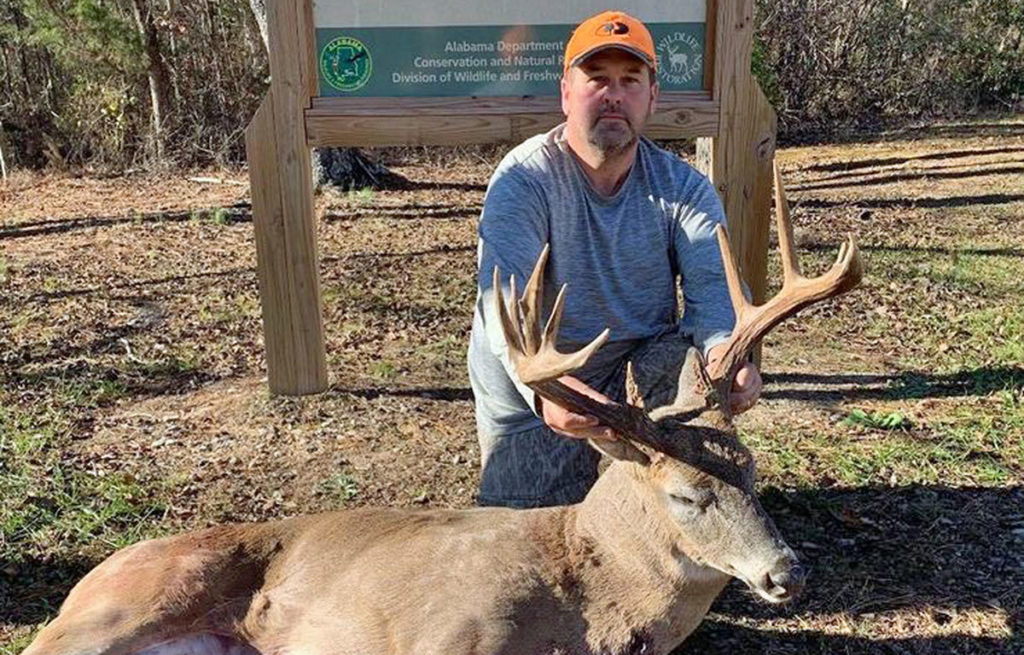
- Daily and Season Bag Limits: As mentioned, limits vary for antlered and unantlered deer. For antlered deer, it’s typically one per day, with a seasonal limit (e.g., three antlered bucks per season). For unantlered deer, limits can be more generous, especially during specific “doe days” or designated management areas, but hunters must always check the current regulations for the specific zone and period.
- Mandatory Harvest Reporting (Game Check System): One of the most crucial requirements in Alabama is the mandatory reporting of all harvested deer and turkeys through the Game Check system. This system allows the ADCNR to collect vital data on harvest rates, which is essential for managing deer populations. Hunters must report their kill within 48 hours of harvest or prior to processing the carcass or leaving the state. This can be done online or via a mobile app, making it accessible even in remote hunting locations. Failure to report a harvest is a serious violation.
Weapon Restrictions and Safety
Alabama also has specific rules regarding the types of weapons allowed for deer hunting and strongly emphasizes hunter safety.
- Legal Firearms and Archery Equipment: The regulations specify legal calibers for rifles, minimum poundage for bows, and allowable types of broadheads. Shotguns, muzzleloaders, and certain handguns are also permitted during their respective seasons. Prohibited weapons often include fully automatic firearms or those with excessively large magazines.
- Hunter Safety Courses: While not always mandatory for adult hunters with prior experience, hunter safety courses are highly recommended, especially for new hunters and often required for younger hunters. These courses cover essential safety practices, ethics, and basic hunting techniques, fostering responsible and safe outdoor recreation.
- General Safety Guidelines: Beyond formal courses, hunters are expected to adhere to general safety guidelines, including wearing hunter orange during gun season (to be visible to other hunters), practicing safe firearm handling, and using tree stands safely. Tree stand accidents are a leading cause of hunting injuries, making proper installation and use of safety harnesses paramount.
Planning Your Alabama Deer Hunting Trip (Tourism Focus)
For the traveling hunter, a deer hunting expedition to Alabama is more than just the hunt; it’s an opportunity to immerse oneself in the state’s natural beauty and experience its hospitality. Planning properly ensures a smooth and enjoyable trip.
Choosing Your Hunting Ground
Alabama offers a variety of hunting environments, each with its own characteristics and appeal.
- Public Lands (Wildlife Management Areas – WMAs): The ADCNR manages numerous Wildlife Management Areas (WMAs) across the state, providing public hunting opportunities. These areas are typically well-managed, often with specific regulations tailored to their unique ecosystems. Popular WMAs include those found within national forests like the Talladega National Forest and Bankhead National Forest, offering vast tracts of land. Hunting on WMAs usually requires a WMA license in addition to general hunting licenses. They often have sign-in/sign-out procedures and may have different season dates or bag limits than statewide regulations, so checking specific WMA regulations is critical.
- Private Land Hunting: A significant portion of Alabama’s hunting occurs on private land. This can involve leasing land for the season, joining a hunting club, or booking a guided hunt through an outfitter. Outfitters often provide a full-service experience, including lodging, meals, and professional guides who know the land and deer movements intimately. This option is particularly attractive for non-resident tourists seeking a hassle-free and potentially more successful hunt. Researching reputable outfitters in areas known for good deer populations is recommended.
Accommodation and Logistics
Securing suitable accommodation and managing travel logistics are vital for any hunting trip, especially when traveling from out of state.
- Types of Stays Near Hunting Areas: Depending on your budget and preference, options range from rustic cabins and campgrounds near WMAs to comfortable hotels in nearby towns. Many rural areas catering to hunters also offer specialized lodging, such as hunting lodges or vacation rentals designed with hunters in mind (e.g., with game cleaning stations).
- Importance of Booking in Advance: During peak hunting season (November-December), accommodations in popular hunting regions can book up quickly. It is highly advisable to make reservations well in advance, especially if you plan to hunt on weekends or during holiday periods.
- Travel Considerations: Consider the distance to your chosen hunting location and the necessary transportation for your equipment. If flying into Alabama, major airports like Birmingham-Shuttlesworth International Airport or Montgomery Regional Airport can serve as gateways, requiring ground transportation to your final destination. Ensure compliance with airline regulations for transporting firearms and ammunition.
Beyond the Hunt: Exploring Local Tourism
A deer hunting trip to Alabama doesn’t have to be solely about the chase. The state offers a wealth of other tourism opportunities that can enrich your visit.
- Outdoor Activities: When not hunting, explore other outdoor pursuits. Many WMAs and national forests offer excellent hiking trails, bird watching, and fishing opportunities. Alabama’s diverse ecosystems support various freshwater fish species, making it a prime destination for anglers.
- Local Culture and Cuisine: Discover the local charm of nearby towns. Experience Alabama’s famous Southern hospitality, savor traditional Southern cuisine—from barbecue to fresh seafood (especially closer to the coast)—and visit local museums or historical sites. Cities like Montgomery, the state capital, or Birmingham, known for its vibrant food scene and civil rights history, offer rich cultural experiences. Even smaller towns near hunting grounds often have unique attractions, local diners, and friendly faces eager to share their community with visitors.
- Family-Friendly Options: If you’re bringing family who aren’t hunting, consider destinations that offer something for everyone. Mobile, with its historic downtown and proximity to the Gulf, or educational attractions throughout the state, can provide memorable experiences beyond the hunt.
Ethical Hunting and Conservation in Alabama
Deer hunting in Alabama is deeply intertwined with conservation. Hunters play a crucial role in maintaining healthy ecosystems and robust wildlife populations through ethical practices and financial contributions.
Sustainable Practices
Responsible hunting is a cornerstone of wildlife management. By adhering to bag limits, season dates, and specific harvest regulations, hunters directly contribute to the sustainability of the deer herd. Ethical hunters also practice selective harvesting, focusing on older, mature animals or those that contribute to herd health, rather than simply pursuing the largest antlers. Respect for wildlife and their habitat, including minimizing disturbance and leaving no trace, ensures that Alabama’s natural resources remain pristine for future generations.
Contributing to Conservation Efforts
Every hunting license and permit purchased in Alabama contributes directly to wildlife conservation. These funds are vital for financing habitat improvement projects, conducting wildlife research, enforcing game laws, and maintaining public hunting lands. This financial support from hunters is a critical component of the “user-pays, public-benefits” model of wildlife conservation in the United States, allowing the ADCNR to implement programs that benefit not only deer but all of Alabama’s diverse flora and fauna. By participating in licensed hunting, visitors and residents alike become active partners in the state’s ongoing conservation success story.
In conclusion, deer hunting in Alabama offers an unparalleled experience, blending thrilling outdoor adventure with a rich tradition of conservation. Knowing when deer hunting starts, understanding the various seasons by weapon and zone, and adhering to all regulations are the foundational steps for any successful trip. Beyond the hunt itself, Alabama invites visitors to explore its unique culture, stunning landscapes, and warm hospitality, making a hunting expedition here a truly comprehensive tourism experience. Plan your trip responsibly, embrace the spirit of the outdoors, and discover why Alabama remains a top destination for deer hunting enthusiasts.
LifeOutOfTheBox is a participant in the Amazon Services LLC Associates Program, an affiliate advertising program designed to provide a means for sites to earn advertising fees by advertising and linking to Amazon.com. Amazon, the Amazon logo, AmazonSupply, and the AmazonSupply logo are trademarks of Amazon.com, Inc. or its affiliates. As an Amazon Associate we earn affiliate commissions from qualifying purchases.