
Alabama, often synonymous with its vibrant summers and humid warmth, presents a nuanced and inviting cooler season that many travelers overlook. Understanding when the crisp air arrives can profoundly influence your travel plans, offering a different perspective on this Southern gem. While the rest of the country might be bracing for severe winter, Alabama typically eases into its cold season with a gentle transition, providing a refreshing escape from harsher climates.
The term “cold” in Alabama is relative, especially when compared to its northern counterparts. Instead of heavy snowfalls and prolonged sub-zero temperatures, the state experiences a milder winter characterized by cool mornings, pleasant afternoons, and occasional frosty nights. For those seeking to explore its diverse landscapes, from the foothills of the Appalachian Mountains to the sandy shores of the Gulf Coast, knowing the timing of this seasonal shift is key to an optimal travel experience.
Decoding Alabama’s Seasonal Shift: An Overview
Alabama’s climate is classified as humid subtropical, meaning it experiences hot, humid summers and mild winters. This climate pattern dictates a slower, more gradual transition into cooler temperatures compared to regions further north. The shift from the intense summer heat begins subtly in early autumn, progressively deepening as the year draws to a close.
The Mild Southern Winter
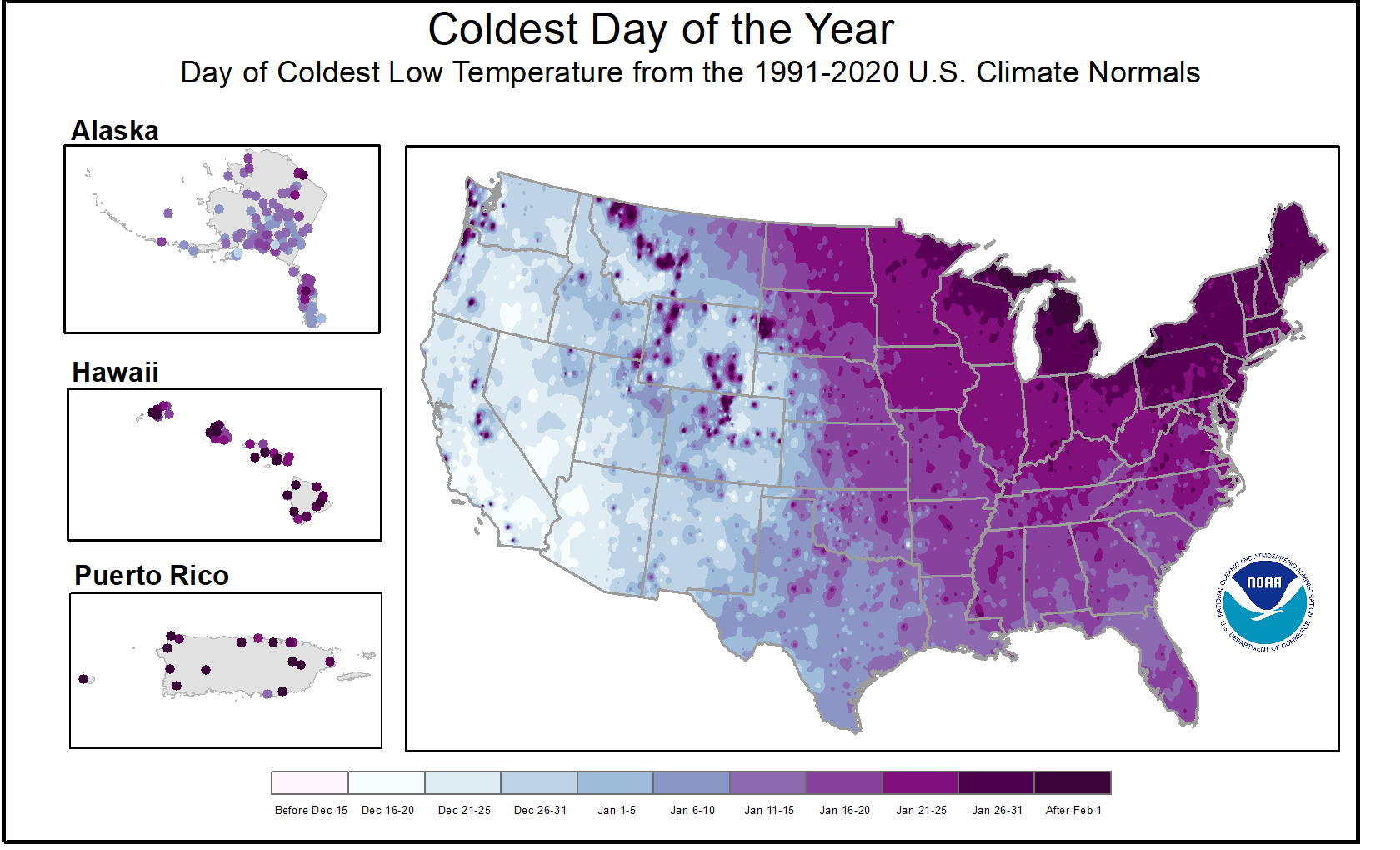
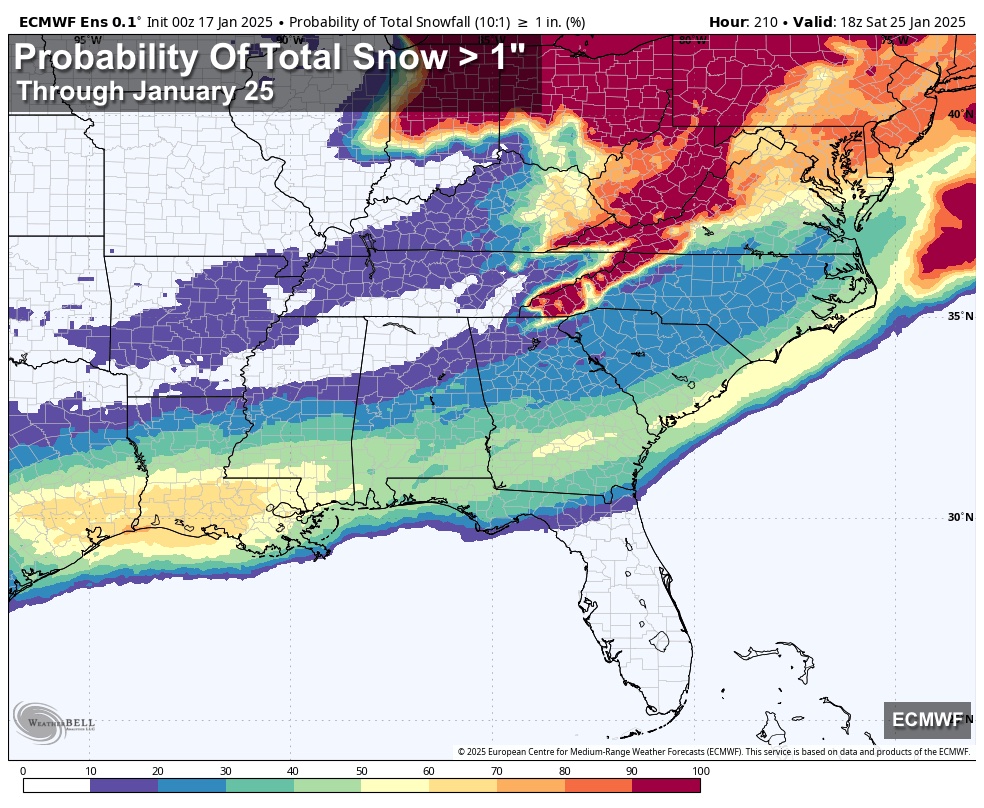
A defining characteristic of an Alabama winter is its mildness. While temperatures certainly drop, extended periods below freezing are relatively uncommon, particularly in the southern half of the state. Snow is a rare and often celebrated event, typically limited to brief dustings in the northernmost counties, such as those near Huntsville or Birmingham. Instead, travelers can anticipate sunny, brisk days perfect for outdoor exploration without the biting cold that can deter adventurers elsewhere. This mildness extends through much of February, often giving way to an early spring bloom, making the “cold season” a relatively short and agreeable window.
Regional Climate Variations
The timing and intensity of cold weather in Alabama are not uniform across the state. Geographic factors play a significant role. Northern Alabama, particularly the elevated areas of the Appalachian Mountains and cities like Huntsville, will generally experience cooler temperatures sooner and with greater intensity. Frosts are more frequent, and the occasional snow flurry is not entirely out of the question.
Conversely, the central and southern regions, including major cities like Montgomery and Mobile, and especially the Gulf Coast communities of Gulf Shores and Orange Beach, retain warmth longer into the season. The moderating effect of the Gulf of Mexico ensures milder winters, where daytime temperatures might still reach the 60s Fahrenheit even in January. This regional variance means that a “cold” trip to Alabama can range from brisk mountain air to temperate coastal breezes, offering diverse options for winter travel.
Typical Onset of Cooler Temperatures
Pinpointing the exact moment when Alabama “gets cold” is an art, not a science, given climate variability. However, historical data and general weather patterns provide a reliable framework for what travelers can expect.
Autumn’s Gentle Embrace: September and October
The first hints of cooler weather typically arrive in late September, especially in northern Alabama. While daytime highs often remain in the comfortable 70s and low 80s Fahrenheit, evenings begin to cool down, bringing a refreshing crispness to the air. October solidifies this trend. The intense humidity of summer noticeably recedes, and average temperatures settle into the 60s and 70s during the day, with nights dipping into the 40s and 50s. This period is often considered prime time for outdoor activities, as the oppressive heat has lifted, but truly cold weather has yet to set in. It’s an ideal time for exploring state parks like Cheaha State Park or enjoying festivals in charming towns such as Fairhope.
November: The True Prelude to Winter
November marks the definitive transition to cooler weather across most of Alabama. Average daily temperatures drop further, often ranging from the low 50s to upper 60s Fahrenheit. Nights can regularly dip into the 30s, and the first widespread frosts become common, particularly outside of the immediate Gulf Coast region. The deciduous trees begin to display their subtle fall foliage, especially beautiful in the northern hills. By the end of November, it’s safe to assume that the summer warmth is a distant memory, and light jackets or sweaters are essential for daytime excursions, with heavier coats needed for evenings.
December’s Chill and Beyond
December is typically when Alabama experiences its most consistently “cold” weather. Average daytime temperatures typically hover in the 40s and 50s Fahrenheit, with nights frequently falling below freezing, particularly inland. January and early February are usually the coldest months, with some days failing to climb out of the 30s. However, these cold snaps are often interspersed with milder periods, where temperatures can rebound into the 60s, a phenomenon known as “January thaws.” While snow remains rare, sleet or freezing rain can occur during intense cold fronts. By mid-February, signs of spring often begin to emerge, with trees budding and early flowers blooming, signaling the gradual retreat of winter’s embrace.
Planning Your Alabama Winter Escape

Understanding Alabama’s cold season allows for tailored travel planning, ensuring you make the most of your visit. This period offers a unique charm, devoid of the summer crowds and heat.
Activities and Experiences for Cooler Weather
Winter in Alabama opens up a range of activities that are less pleasant in the heat. Hiking and exploring the numerous state parks, such as Oak Mountain State Park, become invigorating experiences. Cities like Birmingham and Mobile offer vibrant cultural scenes, with museums, art galleries, and historic sites providing indoor entertainment. The Space & Rocket Center in Huntsville is an excellent all-weather attraction. For wildlife enthusiasts, winter is prime birdwatching season along the Dauphin Island migratory routes. Even the Gulf Coast, while too cool for swimming for most, offers serene beach walks, opportunities for fishing, and a chance to enjoy seafood without the summer bustle.
Packing Essentials for an Alabama Winter
Given the mild yet variable nature of an Alabama winter, layering is paramount. Start with comfortable base layers, add long-sleeved shirts, and bring a mix of sweaters and fleeces. A medium-weight jacket or coat will suffice for most days, though a heavier, waterproof option is wise for colder snaps or unexpected rain. Don’t forget comfortable walking shoes, and perhaps waterproof boots if you plan on significant outdoor exploration. Hats, gloves, and scarves are generally optional but can be welcome additions for early mornings or late evenings, especially in northern regions. Even in winter, sunglasses are a good idea due to the prevalence of sunny days.
Unique Winter Travel Considerations in Alabama
Beyond general weather patterns, a few specific considerations can enhance your cooler-season travel to Alabama.
Coastal vs. Mountainous Adventures
Deciding between a coastal or mountainous Alabama winter trip depends entirely on your preference for “cold.” If you prefer the mildest possible conditions, the Gulf Coast is your best bet, offering pleasant strolls and moderate temperatures. For those who appreciate a true crispness in the air, the higher elevations near Cheaha State Park or the regions around Huntsville and Gadsden will deliver a more traditional cool-weather feel, complete with potential for frost-kissed landscapes. Each offers distinct activities, from exploring the civil rights history in Montgomery and Tuscaloosa to enjoying the natural beauty of state parks.
Festive Seasons and Local Events
The onset of cooler weather often coincides with a vibrant period of holiday festivities and local events. From elaborate Christmas light displays in cities like Birmingham and Mobile to New Year’s celebrations and early Mardi Gras preparations along the Gulf Coast, Alabama offers a festive atmosphere. Checking local tourism boards for event calendars in your chosen destination can reveal unique cultural experiences that are only available during the cooler months. Many towns host parades, craft fairs, and food festivals that embrace the seasonal shift, providing a warm, community-focused welcome.
Preparing for Unpredictable Weather
While generally mild, Alabama’s winter weather can be unpredictable. Cold fronts can sweep through, causing temperatures to drop significantly within hours, and occasional severe weather, including thunderstorms, is not unheard of even in winter. It’s always wise to monitor local weather forecasts leading up to and during your trip. Having flexible clothing options and an awareness of local weather advisories will ensure you’re prepared for any sudden changes, allowing for seamless enjoyment of your Alabama travel experience.
The Best Time to Visit for a Cooler Climate
For travelers specifically seeking a break from heat and humidity, but not necessarily looking for extreme cold or snow, Alabama’s late autumn and early winter offer an ideal window.
Avoiding the Crowds and Heat
The period from late October through early March consistently offers cooler temperatures, lower humidity, and significantly fewer crowds compared to the peak summer months. Popular attractions, from the Birmingham Zoo to the historic districts of Mobile, become more navigable and enjoyable. Restaurants and accommodations may also offer better availability and potentially lower rates, enhancing the overall value of your trip. This quieter season allows for a more intimate and relaxed exploration of the state’s natural beauty and cultural offerings.
Embracing the Off-Peak Season
Visiting Alabama when it “gets cold” means embracing its off-peak travel season. This translates to more serene experiences, whether you’re enjoying a quiet walk through a botanical garden or delving into the rich history of the Civil Rights Trail. The reduced visitor traffic allows for greater interaction with locals and a more authentic feel for the state. It’s a chance to see Alabama transform, shedding its summer persona for a charmingly brisk and welcoming winter character, making for a truly memorable travel experience.
LifeOutOfTheBox is a participant in the Amazon Services LLC Associates Program, an affiliate advertising program designed to provide a means for sites to earn advertising fees by advertising and linking to Amazon.com. Amazon, the Amazon logo, AmazonSupply, and the AmazonSupply logo are trademarks of Amazon.com, Inc. or its affiliates. As an Amazon Associate we earn affiliate commissions from qualifying purchases.