
Embarking on an Alaska cruise is an unparalleled journey, a breathtaking exploration of rugged wilderness, magnificent glaciers, and vibrant coastal towns. Unlike many tropical cruise destinations, the Last Frontier demands a unique approach to packing. The weather in Alaska can be famously unpredictable, shifting from crisp sunshine to misty rain and cool breezes, often within the same day. This comprehensive guide will ensure you’re perfectly prepared for both the majestic outdoor adventures and the comfortable onboard experience, making your trip truly unforgettable. We’ll delve into everything from essential apparel to specialized gear, ensuring every traveler, whether on a luxury escape or a budget-friendly family trip, is ready to embrace the wonders of this incredible destination.
Understanding Alaska’s Climate and Cruise Experience
The key to packing effectively for an Alaska cruise lies in understanding the region’s unique climate and the dual nature of the cruise experience itself – balancing adventurous shore excursions with the relaxed or sometimes formal atmosphere on the ship. This understanding forms the bedrock of a smart packing strategy, impacting everything from your choice of outerwear to the footwear you’ll depend on.
The Alaskan Weather Paradox
Alaska’s weather during the cruise season (typically May to September) is a fascinating paradox. While summer months can bring surprisingly warm and sunny days, especially in places like Juneau or Skagway, you should always be prepared for cool temperatures, strong winds, and rain, particularly when sailing through fjords or approaching massive ice formations like the Hubbard Glacier or within Glacier Bay National Park. The temperature can fluctuate wildly, often dropping significantly as you near glaciers or travel through the shaded parts of the Inside Passage. This variability means that a single warm jacket isn’t enough; versatility through layering is paramount. Your travel experience will be greatly enhanced by the foresight to pack for all possibilities, ensuring comfort whether you’re whale watching under clear skies or exploring a rainforest trail in a light drizzle.
Onboard vs. Onshore Activities
A cruise to Alaska offers a diverse range of activities, both on the ship and during port stops. Onboard, you might find yourself enjoying a casual buffet, attending a Broadway-style show, relaxing by an indoor pool, or perhaps indulging in a specialty dining experience that calls for more formal attire. Many cruise lines host optional “formal nights” or “smart casual” evenings, which are part of the luxury lifestyle aspect of cruising. Meanwhile, onshore activities can range from gentle strolls through historic towns like Ketchikan or Sitka to adventurous excursions such as glacier treks, kayaking, zip-lining, or wildlife viewing. Each of these experiences requires different types of clothing and gear. For instance, a robust, waterproof outfit is essential for a zodiac tour of Tracy Arm Fjord, while a comfortable sweater and slacks might be perfect for an evening show. Understanding this distinction is crucial for optimizing your packing and ensuring you’re ready for every facet of your Alaskan adventure.
Essential Apparel for Every Alaska Cruise Traveler
The core principle for packing for an Alaska cruise is layering. This strategy allows you to easily adapt to the changing temperatures and conditions, from the warmth of the ship’s interior to the brisk air on deck or during a shore excursion. By building an effective layering system, you ensure comfort and preparedness for any scenario, making your journey through this magnificent destination much more enjoyable.
Layering System: Your Best Defense Against the Elements
A three-part layering system is highly recommended for [Alaska](https://lifeoutofthebox.com/alaska]:
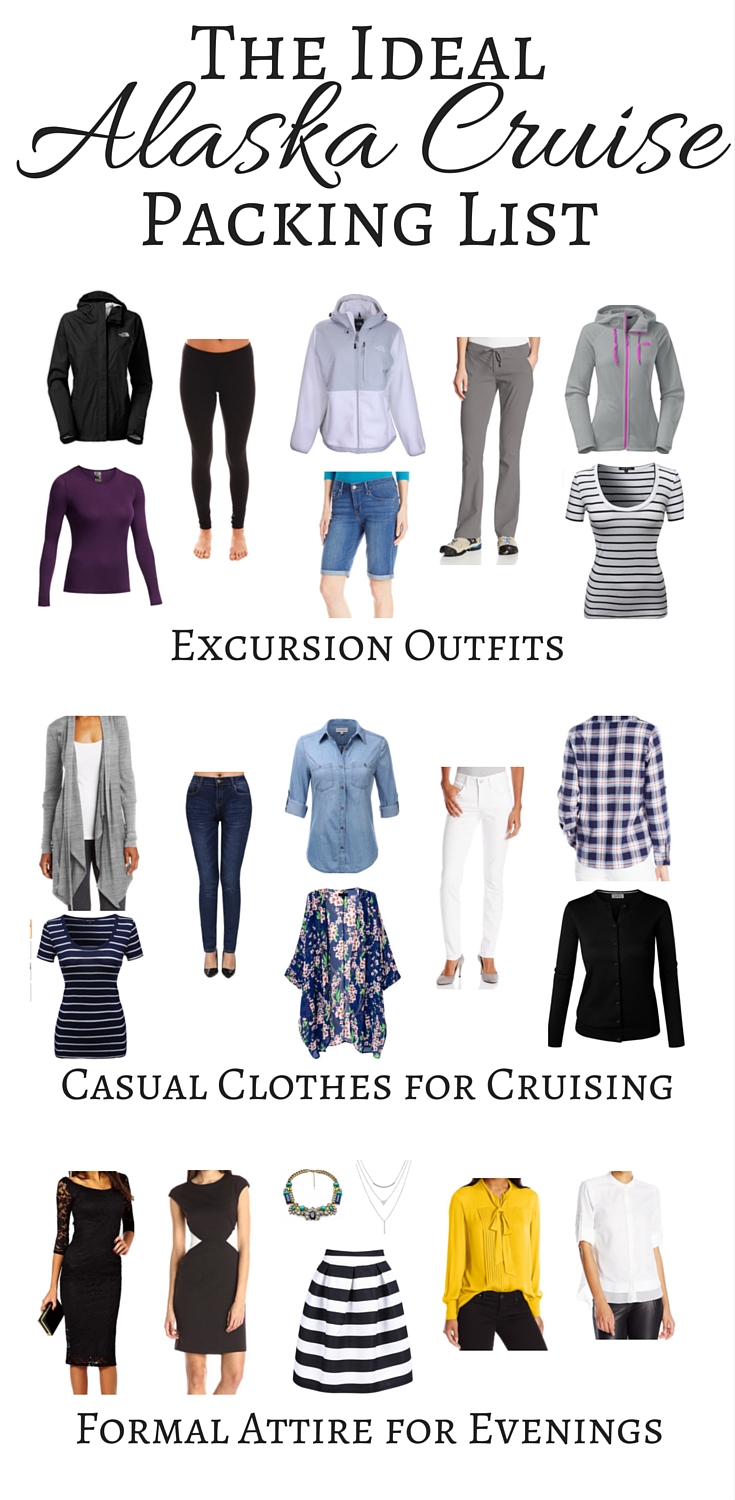
- Base Layers: These are worn next to your skin and should be made of moisture-wicking material like merino wool or synthetic fabrics. They help regulate body temperature by pulling sweat away from your skin, keeping you dry and warm. Think of comfortable long-sleeve shirts and leggings. They are light, packable, and essential for cooler days or active excursions.
- Mid-Layers: This layer provides insulation. Fleece jackets, wool sweaters, or down vests are ideal choices. They trap warm air close to your body, offering warmth without excessive bulk. A medium-weight fleece jacket is incredibly versatile, suitable for wear on its own on mild days or as a crucial insulating layer under your outer shell.
- Outer Layers: This is your protective shield against wind and rain. A waterproof and windproof jacket is non-negotiable. Look for one with a hood for extra protection. Ideally, it should be breathable to prevent overheating during physical activities. Waterproof pants are also highly recommended for excursions like hiking, kayaking, or even just walking around a rainy port town. These elements are critical for any outdoor activity, ensuring you remain dry and comfortable even in inclement weather.
Footwear for Comfort and Exploration
Your feet will thank you for choosing the right shoes. You’ll need a variety to cover different activities:
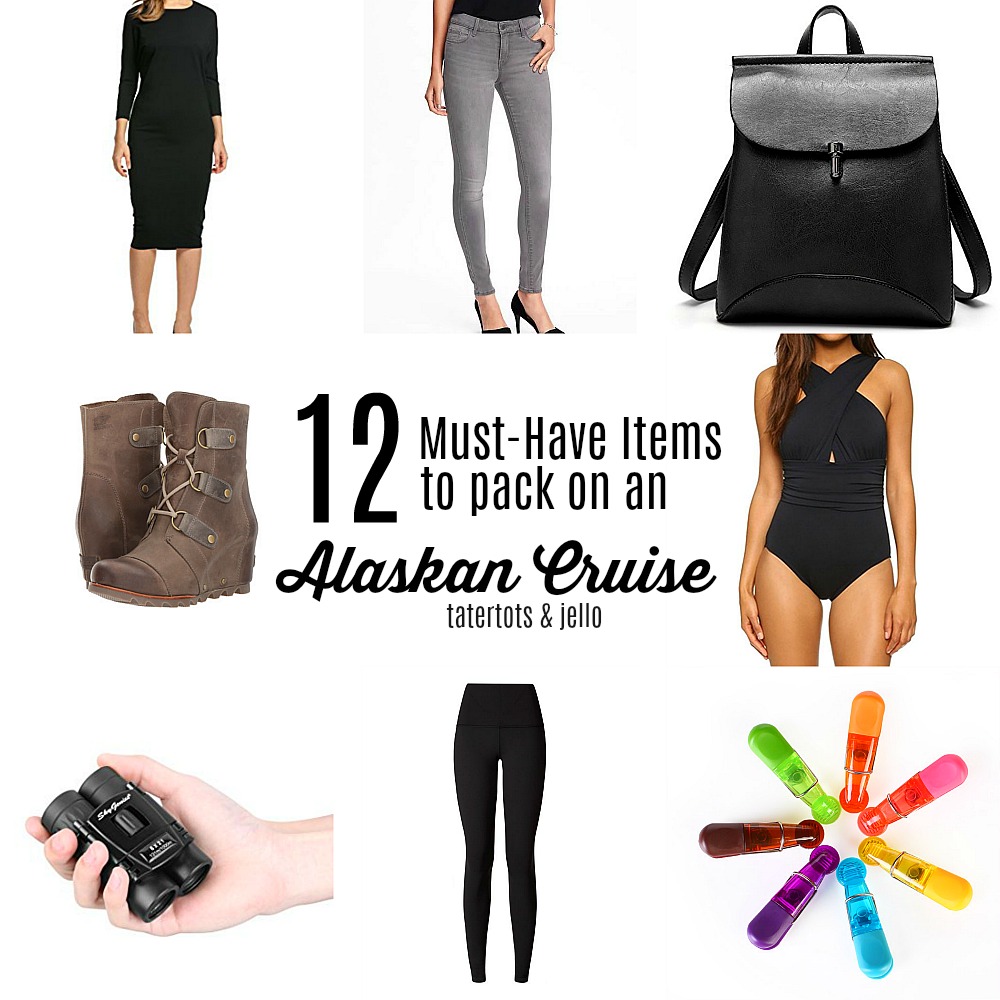
- Waterproof Hiking Boots: Essential for shore excursions involving walking on uneven terrain, wet trails, or glacier visits. Ensure they are comfortable, broken-in, and provide good ankle support.
- Comfortable Walking Shoes: For strolling through charming port towns like Skagway or Juneau, visiting local shops, or enjoying less strenuous activities. Sneakers or walking sandals (if the weather is unexpectedly warm) are suitable.
- Non-Slip Shoes for Deck: The ship’s decks can be wet or slippery, especially near pools or during adverse weather. Shoes with good grip are important for safety.
- Dressier Shoes: If you plan on participating in formal nights or specialty dining, bring a pair of dress shoes or elegant flats. For women, comfortable heels are fine, but prioritize comfort for walking on the ship.
Headwear, Handwear, and Accessories
These small items make a big difference in staying warm and comfortable:
- Warm Hat: A fleece or wool hat that covers your ears is vital, especially when viewing glaciers from the ship’s deck or during chilly excursions.
- Gloves or Mittens: Waterproof gloves are best for active outdoor excursions. Otherwise, a warm pair of fleece or wool gloves will suffice for most other activities.
- Scarf: A versatile accessory that adds warmth and can protect your neck from wind.
- Sunglasses: Even on cloudy days, the glare off the water and glaciers can be intense. Polarized sunglasses offer the best protection.
- Small Umbrella: A compact, travel-sized umbrella can be useful for light drizzles in port towns, though your waterproof outer layer will be the primary defense.
Formal and Casual Onboard Attire
While Alaska cruises emphasize rugged exploration, life onboard can offer opportunities for dressing up.
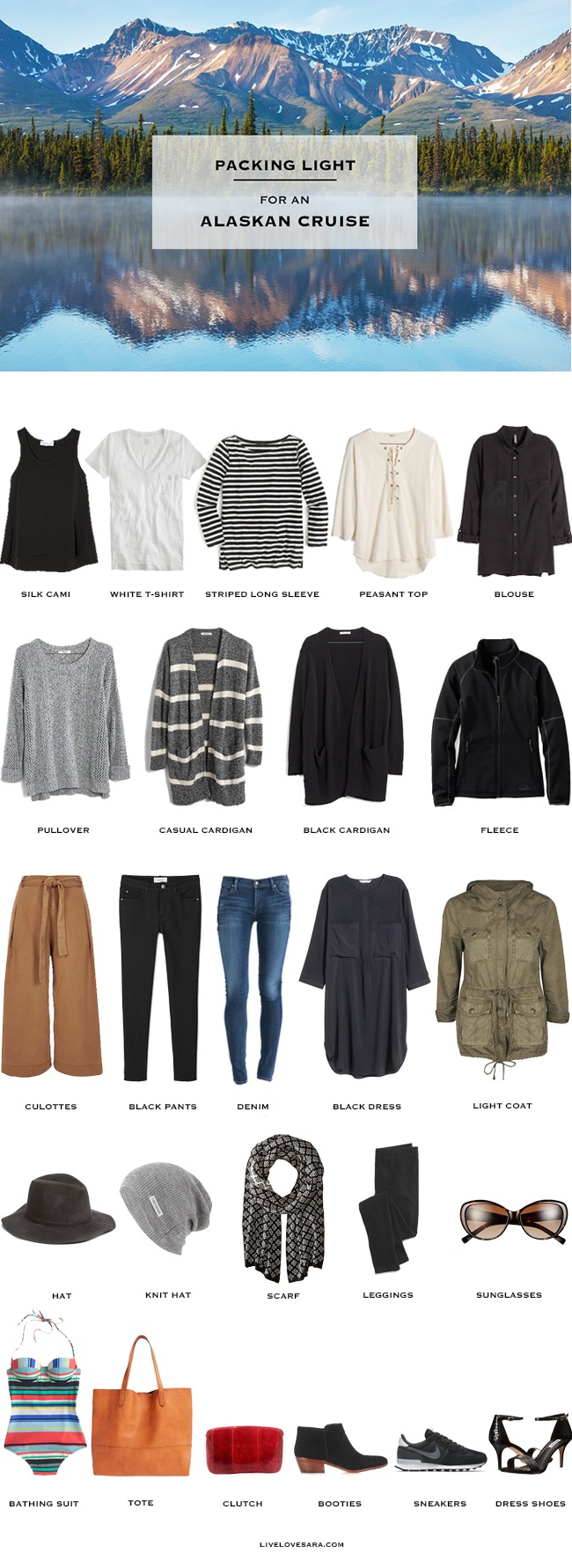
- Evening Wear: Most cruise lines have at least one or two formal nights. For these, women might pack cocktail dresses, evening gowns, or elegant pant suits. Men typically wear suits or tuxedos (though a dark suit with a tie is generally sufficient). Even if you opt out of formal nights, many specialty restaurants request “smart casual” attire, meaning slacks and a collared shirt for men, and dresses, skirts, or dressy slacks for women.
- Casual Resort Wear: For daytime on the ship and casual evenings, comfortable resort wear is perfect. This includes jeans, khakis, sweaters, blouses, and polo shirts. Focus on comfort and layers that can be easily added or removed as you move between indoor and outdoor areas of the ship. Remember that even indoors, temperatures can vary.
Beyond Clothing: Practical Essentials and Comfort Items
Packing for an Alaska cruise isn’t just about clothes; it’s about preparing for every aspect of your travel experience, from health and safety to capturing memories and staying connected. These additional items will contribute significantly to your comfort, convenience, and peace of mind throughout your journey.
Health, Safety, and Personal Care
Being prepared for minor health issues or personal needs can save you hassle and money while at sea or in remote ports.
- Medications: Bring an ample supply of any prescription medications in their original containers, along with copies of your prescriptions. Also, pack over-the-counter essentials like pain relievers, motion sickness medication (highly recommended for rough seas or small boat excursions), antacids, and allergy medication.
- First-Aid Kit: A small, personal first-aid kit with band-aids, antiseptic wipes, blister treatment, and any personal necessities is invaluable.
- Sunscreen and Lip Balm with SPF: Despite the cooler temperatures, the sun’s rays can be intense, especially with reflection from water and glaciers. Protecting your skin and lips is crucial.
- Insect Repellent: While onboard is generally bug-free, shore excursions, particularly into forested areas, might expose you to mosquitoes and other biting insects.
- Toiletries: Pack your preferred toiletries, keeping in mind that while ships provide basics, you might prefer your own brands or specialty items. Travel-sized options can save space and weight.
Photography and Electronics
Alaska is a photographer’s dream. Don’t miss the opportunity to capture its stunning landscapes and wildlife.
- Camera Gear: A good quality camera with a zoom lens is highly recommended for wildlife viewing (bears, eagles, whales) and distant glaciers like Mendenhall Glacier. Bring extra batteries and memory cards; you’ll take more photos than you think! A waterproof bag or cover for your camera is also a smart idea.
- Binoculars: Absolutely essential for spotting wildlife, identifying distant landmarks, and getting a closer look at glacier activity from the ship’s deck. A compact, waterproof pair is ideal.
- Chargers and Power Bank: Don’t forget chargers for all your electronic devices (phone, camera, tablet). A portable power bank is invaluable for keeping devices charged during long days of excursions or when outlets are scarce.
- Adapter/Converter: Check if your cruise ship provides US-standard outlets. If traveling internationally, ensure you have the correct adapters.
Documents, Money, and Communication
Stay organized with your important papers and ready for financial transactions.
- Travel Documents: Passport/ID, cruise tickets, flight information, hotel reservations (pre/post-cruise), and any excursion confirmations. Keep copies of important documents separate from the originals.
- Credit Cards and Cash: Major credit cards are widely accepted, but it’s wise to carry some cash for small purchases, tips, or in places where card readers might be unavailable (e.g., small local markets or remote tour operators). US currency is used in Alaska.
- Phone and Communication: Check your cell phone plan for international roaming options if you wish to stay connected. Ship Wi-Fi packages can be expensive but are often the only option at sea. Consider downloading offline maps for port towns.
Small Comforts for Your Cabin
Enhance your onboard experience with a few thoughtful additions to your luggage.
- Reusable Water Bottle: Stay hydrated while minimizing plastic waste. Many ships have water refilling stations.
- Small Backpack or Daypack: Indispensable for shore excursions to carry water, snacks, extra layers, camera, and souvenirs. Look for one that’s water-resistant.
- Books or E-Reader: For downtime in your cabin, relaxing on deck, or during sea days.
- Headphones: For listening to music, podcasts, or audiobooks without disturbing others.
- Power Strip (Non-Surge Protector): Cabins often have limited outlets. A multi-outlet strip (ensure it’s not a surge protector, as these are often prohibited on ships) can be very useful for charging multiple devices simultaneously.
- Magnets with Hooks: Cabin walls are often metal, and these can be great for hanging hats, small bags, or even wet items to dry, helping to keep your cabin tidy.
Special Considerations for Different Traveler Types
The beauty of an Alaska cruise is its appeal to a wide range of travelers. Whether you’re planning a memorable family vacation, seeking a luxurious escape, or an adventurer keen on specific excursions, tailoring your packing to your specific travel style and needs is essential for a seamless journey.
Families with Children
Traveling with children requires extra foresight, especially when heading to a destination with variable weather and diverse activities.
- Kid-Specific Layers: Just like adults, children need multiple layers. Pack plenty of moisture-wicking base layers, warm fleeces, and waterproof outer jackets and pants. Kids tend to get colder faster and wetter more often, so extra sets are advisable. Brightly colored outerwear can also make it easier to spot them in crowds.
- Entertainment: Beyond the ship’s kids’ clubs, pack small, portable entertainment options for cabin downtime, travel days, and potentially long waits for excursions. Books, coloring supplies, small toys, and tablets pre-loaded with movies or games are lifesavers.
- Favorite Snacks: While ships offer plenty of food, familiar snacks can provide comfort and prevent meltdowns, especially for picky eaters or during times when ship dining isn’t convenient.
- Stroller Considerations: If traveling with very young children, consider a compact, all-terrain stroller that can handle uneven sidewalks in port towns. Ensure it’s easy to fold and store.
- Waterproof Backpack: A small, child-sized waterproof backpack can be great for older kids to carry their own essentials during excursions.
Luxury vs. Budget Travel Packing
Your lifestyle choices can also influence your packing list, even for a destination like Alaska.
- Luxury Travel: If you’re opting for a premium or luxury cruise line, you might want to pack higher-end casual wear for daily ship activities and more sophisticated attire for specialty dining and evening events. Consider bringing designer activewear for the gym or spa, and perhaps an extra formal outfit. You might also pack premium travel accessories like noise-canceling headphones or high-end binoculars. The emphasis here is on quality, comfort, and perhaps a touch more style, aligning with the elevated experiences offered by luxury cruise lines or resorts like the fictional “Glacier View Grand Hotel” if you had a pre/post-cruise stay.
- Budget Travel: For budget-conscious travelers, versatility and durability are key. Focus on multi-purpose items that can be worn in various settings. Opt for fewer, but high-quality, interchangeable pieces that can be mixed and matched. Prioritize functional items over fashionable ones. Instead of buying new formal wear, see if you can borrow or find something suitable in your existing wardrobe. Packing light can also save on airline baggage fees, which is a significant consideration for budget travelers. Reusable items like a water bottle or coffee cup also fit into this sustainable and cost-effective approach.
Preparing for Specific Excursions
Some of Alaska’s most iconic experiences require specific gear.
- Whale Watching/Wildlife Tours: Binoculars are paramount. A good zoom lens for your camera is also crucial. Dress in your warmest layers, as these boat tours can be quite chilly and windy on the open water. A waterproof outer layer is essential to protect against sea spray.
- Glacier Treks/Hiking: For more strenuous activities, sturdy, waterproof hiking boots with good ankle support are a must. Microspikes or crampons might be provided by your tour operator for glacier walks, but check in advance. Layers that allow for significant movement and breathability are key.
- Kayaking/Zodiac Tours: Prepare to get wet! Waterproof pants and jacket are absolutely essential, along with waterproof bags for electronics. Many tour operators provide some gear like dry bags or life vests, but your personal base layers and outer shells are critical.
- Dog Sledding: Often involves snow. Warm, waterproof boots, heavy gloves, and a very warm hat are necessary. Operators typically provide outer insulated gear, but your personal layers underneath are important.
Pre-Cruise Planning and Packing Strategies
Effective preparation extends beyond just deciding what to bring; it also involves researching your itinerary and employing smart packing techniques. A well-planned approach will not only save you stress but also enhance your overall travel experience, allowing you to fully immerse yourself in the beauty of Alaska.
Researching Your Itinerary and Cruise Line
Every Alaska cruise itinerary is unique, offering different port calls and experiences. Your specific route and chosen cruise line will influence your packing strategy.
- Port Calls: Look up the typical weather and common activities for each port. For example, Juneau might involve a trip to Mendenhall Glacier or a whale watching tour, while Skagway is known for its historical walking tours and the White Pass & Yukon Route Railroad. Ketchikan is often associated with rainforest hikes and totem poles. Knowing what you’ll be doing in each location helps you select the right clothing and gear.
- Cruise Line Dress Codes: Review your cruise line’s specific dress code policies. While most are quite flexible, some premium lines may have stricter requirements for dinner or specialty restaurants. Understanding these ahead of time prevents last-minute wardrobe dilemmas. Check if they have specific themed nights or events that might require particular attire.
- Ship Amenities: Consider the amenities available on your ship. Does it have an indoor pool or hot tubs? You’ll need a swimsuit. Is there a gym? Pack workout clothes and appropriate shoes. Knowing what’s available helps avoid overpacking unnecessary items while ensuring you have what you need to utilize the ship’s offerings fully. This also ties into the
AccommodationandHotelsaspects of travel, where understanding amenities enhances the stay.
Smart Packing Techniques
Efficient packing is an art form, especially when dealing with layers and bulky items.
- Roll Your Clothes: Rolling clothes tightly can save significant space in your luggage and minimize wrinkles. This technique is particularly effective for base layers and mid-layers.
- Packing Cubes: These organizational marvels help compress clothing, separate items by type or outfit, and make it easier to locate specific items without rummaging through your entire suitcase. They are excellent for keeping your layered clothing system organized.
- Weight Limits: Be mindful of airline baggage weight limits, especially if you have connecting flights or are on a budget airline. Heavy winter gear can quickly push you over the limit. Weigh your bags before heading to the airport.
- Carry-On Essentials: Always pack a carry-on bag with at least one complete change of clothes, any essential medications, travel documents, valuables, and electronics. This ensures you have crucial items even if your checked luggage is delayed. A rain jacket and hat in your carry-on are also wise, as you might need them immediately upon arrival.
- Wear Bulkiest Items: Wear your bulkiest items, like your waterproof hiking boots and heaviest jacket, on your travel days to save space and weight in your luggage.
In conclusion, packing for an Alaska cruise requires thoughtful preparation, but the effort is well worth it. By embracing the layering philosophy, understanding the dual nature of onboard and onshore activities, and anticipating the variable Alaskan weather, you’ll be perfectly equipped for an adventure of a lifetime. From the majestic glaciers to the charming port towns, every moment will be more enjoyable when you are comfortable, prepared, and ready to explore the breathtaking beauty of the Last Frontier. So, pack smart, embrace the unpredictable, and prepare to be amazed by the wonders of Alaska.
LifeOutOfTheBox is a participant in the Amazon Services LLC Associates Program, an affiliate advertising program designed to provide a means for sites to earn advertising fees by advertising and linking to Amazon.com. Amazon, the Amazon logo, AmazonSupply, and the AmazonSupply logo are trademarks of Amazon.com, Inc. or its affiliates. As an Amazon Associate we earn affiliate commissions from qualifying purchases.