
The allure of the open road, the promise of untamed wilderness, and the challenge of a truly epic journey – for many, the idea of driving to Alaska from the lower 48 United States is a quintessential adventure. It conjures images of majestic mountains, vast forests, and encounters with wildlife that define the Last Frontier. But is it actually possible? And if so, what does such an undertaking entail? The definitive answer is a resounding “yes,” but it’s far more than just a drive; it’s a pilgrimage, a test of preparedness, and an unforgettable immersion into the raw beauty of North America.
This journey is not merely about traversing miles; it’s about embracing the spirit of exploration, navigating diverse landscapes, and experiencing the profound sense of accomplishment that comes with reaching Alaska by your own wheels. From the temperate forests of the Pacific Northwest to the subarctic expanses of the Yukon Territory, the drive to Alaska is a tapestry of natural wonders and cultural encounters, demanding foresight, resilience, and an insatiable curiosity.
The Definitive Answer: Yes, But It’s an Adventure
Driving to Alaska is not only feasible but a cherished rite of passage for many adventurers. However, it’s crucial to understand that this isn’t a simple interstate cruise. The route inherently involves crossing international borders and navigating vast stretches of less populated territory. It’s a journey that typically spans several days, covering thousands of miles, and demands careful preparation.
Understanding the Route: Through Canada
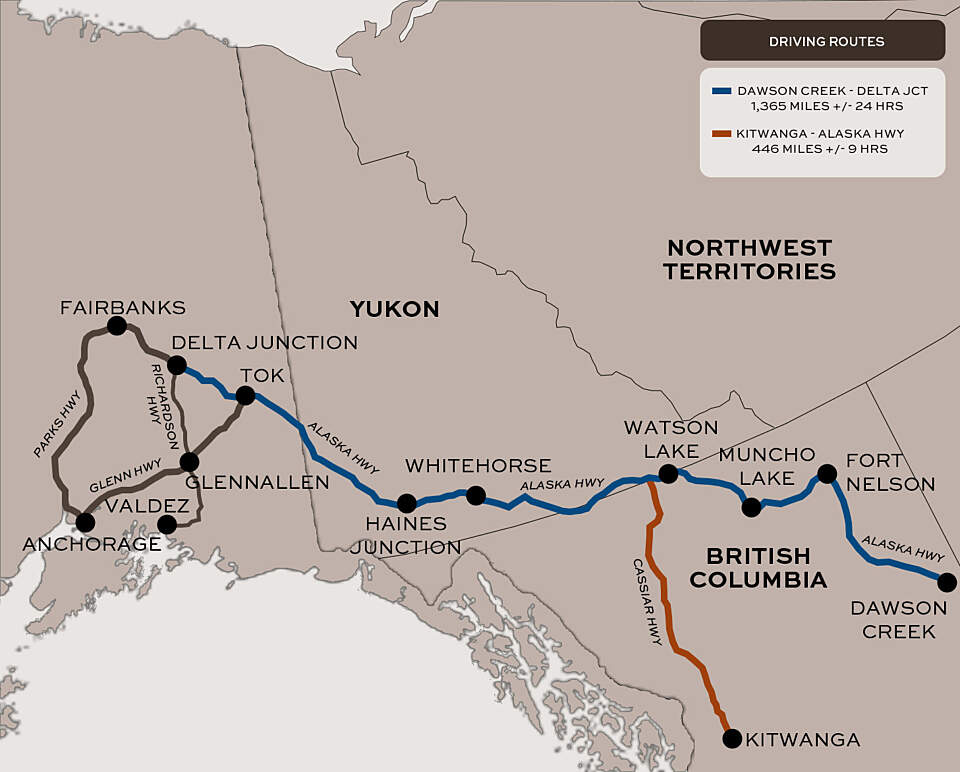
The geographical reality dictates that there is no direct road connecting the lower 48 United States to Alaska without passing through Canada. The primary route, and the one most associated with driving to Alaska, is the historic Alaska Highway, also known as the Alcan. This vital artery was constructed during World War II and remains the backbone of overland travel to Alaska.
The Alaska Highway begins in Dawson Creek, British Columbia, Canada, and stretches for approximately 1,387 miles (2,232 kilometers) northwest through Yukon Territory before entering Alaska at Delta Junction. Depending on your starting point in the United States, you’ll first drive north through states like Washington, Idaho, or Montana, and then proceed into British Columbia or Alberta to reach the highway’s start. This international leg adds a layer of complexity requiring valid passports and an understanding of customs regulations.
Why Drive? The Allure of the Open Road
In an age of rapid air travel, one might wonder why anyone would opt for such a lengthy drive. The answer lies in the experience itself. Driving to Alaska offers unparalleled opportunities for immersion:
- Spectacular Scenery: The journey takes you through diverse ecosystems, from dense forests and rolling plains to glacial valleys and towering mountain ranges. Every turn offers a postcard-worthy vista.
- Flexibility and Freedom: Unlike flying, driving allows for spontaneous detours, leisurely stops, and the freedom to explore off-the-beaten-path attractions.
- Wildlife Viewing: The remote nature of the route means frequent opportunities to spot grizzly bears, black bears, moose, caribou, Dall sheep, and eagles in their natural habitats.
- Sense of Accomplishment: Conquering the distance and challenges of the Alaska Highway instills a profound sense of achievement and a deeper connection to the vastness of the continent.
- Cost-Effectiveness (Potentially): For families or those traveling with significant gear, driving can sometimes be more economical than flying and shipping belongings.
Planning Your Epic Journey: Essential Considerations
A successful drive to Alaska hinges on meticulous planning. This isn’t a trip to be undertaken lightly; preparation can make the difference between a memorable adventure and a regrettable ordeal.
Vehicle Preparation and Maintenance
Your vehicle is your lifeline on this journey. It must be in top condition.
- Comprehensive Inspection: Before departing, have a certified mechanic perform a thorough inspection, checking brakes, tires (including a full-sized spare), fluids, battery, belts, and hoses.
- Tires: Good quality, all-season or all-terrain tires are essential, as you’ll encounter varying road surfaces, including gravel sections. Two spares are recommended for added peace of mind.
- Emergency Kit: Pack a robust emergency kit including jumper cables, basic tools, extra fluids (oil, coolant), a tire repair kit, first-aid supplies, a flashlight, blankets, and non-perishable food.
- Four-Wheel Drive (4WD) or All-Wheel Drive (AWD): While not strictly mandatory in summer, 4WD/AWD vehicles offer better traction and handling on unpaved sections or in adverse weather.
- Documentation: Ensure your vehicle registration, driver’s license, and insurance (check if your policy covers Canada) are all current and easily accessible.
Border Crossings: United States and Canada Requirements
Crossing international borders requires specific documentation and an understanding of customs regulations.
- Passports: All travelers, including children, must have valid passports to enter Canada and re-enter the United States (or enter Alaska from Canada).
- Customs Declarations: Be prepared to declare all goods, including firearms, alcohol, and tobacco. Restrictions apply to certain items, particularly firearms, which are heavily regulated in Canada. It’s generally advisable not to bring firearms unless you are absolutely sure of the legality and have completed all necessary paperwork.
- Pet Travel: If traveling with pets, ensure you have current vaccination records (especially rabies) and any required health certificates. Canada has specific requirements for pet entry.
- COVID-19 and Other Health Regulations: Always check the latest entry requirements for both Canada and the United States prior to travel, as health regulations can change rapidly.
Best Time to Travel
The optimal time to drive to Alaska is during the summer months, typically late May through early September.
- Summer Advantages: Longer daylight hours, warmer temperatures, and most services (lodging, fuel, attractions) are fully operational. Road conditions are generally at their best, though construction is common.
- Shoulder Seasons (Spring/Fall): Early spring (April-May) or late fall (September-October) can offer fewer crowds and unique beauty, but come with colder temperatures, increased chances of snow, and reduced services. Many seasonal businesses along the highway close outside peak summer.
- Winter Travel: Driving the Alaska Highway in winter is an extreme undertaking, only recommended for experienced winter drivers with fully prepared vehicles. Days are short, temperatures are brutally cold, and services are minimal.
Budgeting for the Drive
This trip is an investment in experience, but it comes with costs.
- Fuel: This will be a significant expense. Fuel prices in remote parts of Canada and Alaska are often higher than in the lower 48. Plan for an average of 3,500-4,000 miles (or more, depending on your starting point and desired detours) at varying fuel efficiency.
- Accommodation: Depending on your preference, budget for hotels, motels, or campgrounds. Reservations are recommended during peak season.
- Food: Eating out can add up quickly. Packing a cooler with snacks and some meals can save money.
- Vehicle Maintenance: Factor in potential unexpected repairs or planned maintenance checks along the way.
- Attractions and Activities: Set aside funds for national park fees, tours, or other experiences.
Navigating the Alaska Highway: Iconic Routes and Road Conditions
The Alaska Highway is the undisputed king of routes to Alaska, but there are also variations and feeder roads to consider.
The Alaska Highway (Alcan): The Main Artery
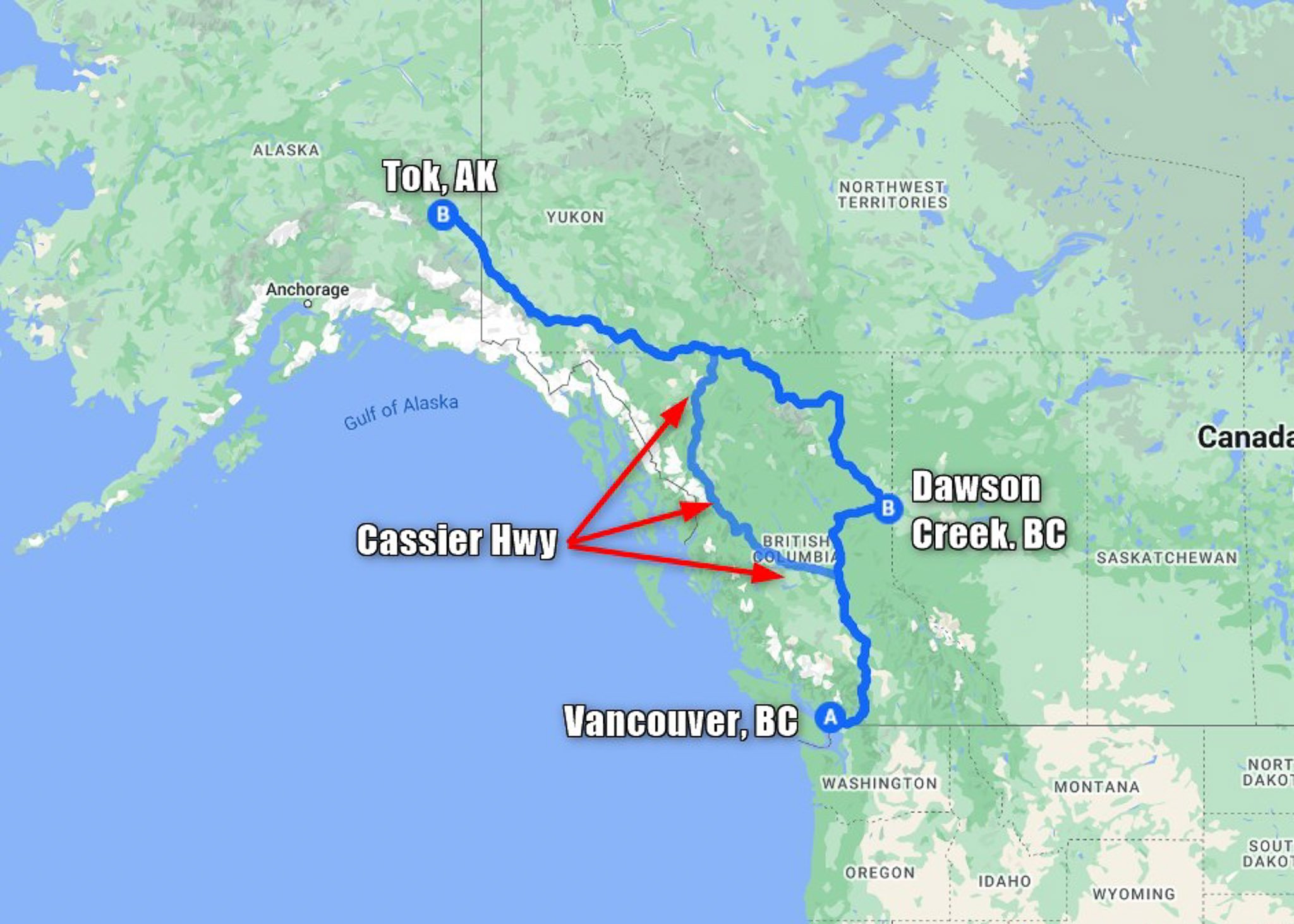
Starting in Dawson Creek, British Columbia, the Alaska Highway traverses diverse landscapes. While largely paved today, sections can still be rough, particularly after harsh winters or heavy truck traffic.
- Highlights: The historic Milepost 0 in Dawson Creek, the stunning Liard River Hot Springs, the quirky Signpost Forest in Watson Lake, the vibrant city of Whitehorse in Yukon Territory, and the majestic landscapes of Kluane National Park and Reserve.
- End Point: The official end of the Alaska Highway is Delta Junction, Alaska, which then connects to the Richardson Highway leading to Fairbanks or the Denali Highway for those venturing further south.
Alternative and Scenic Detours
While the Alcan is the main route, several other roads offer alternative entry points or scenic additions:
- Cassiar Highway (Highway 37): A more southerly route through British Columbia, offering a more remote and often rugged experience. It eventually connects back to the Alaska Highway near Watson Lake. Known for its dramatic scenery and wildlife.
- Stewart-Cassiar Highway Loop: Combine the Cassiar Highway with a detour to the small towns of Stewart, British Columbia, and Hyder, Alaska, for unique coastal scenery and bear viewing opportunities.
- Icefields Parkway (Alberta): For those starting further east, connecting through Alberta allows a spectacular detour through Banff National Park and Jasper National Park before heading west towards British Columbia and the Alcan.
Road Conditions and Safety Tips
The condition of the Alaska Highway varies.
- Paved, but Patchy: While mostly paved, frost heaves, potholes, and gravel sections are common. Drive defensively and be prepared for sudden changes in road surface.
- Construction: Summer is construction season. Expect delays, flaggers, and driving on loose gravel.
- Wildlife Hazards: Wildlife is abundant, especially at dawn and dusk. Always be vigilant for animals on or near the road. A collision with a moose or caribou can be devastating.
- Fuel and Services: Services are available, but spacing can be considerable (sometimes 100 miles or more between towns). Plan your fuel stops carefully and consider carrying extra fuel. Keep your tank at least half full.
- Communication: Cell service is sporadic to non-existent on long stretches. A satellite phone or two-way radio can be a valuable safety tool. Let someone know your itinerary.
What to Pack and Expect Along the Way
The vastness of the journey demands a thoughtful approach to packing and an open mind for the unexpected.
Essential Gear and Supplies
Beyond vehicle maintenance items, consider:
- Navigation: GPS is helpful, but a detailed physical map (like The Milepost guide) is indispensable, especially where digital signals fail.
- Water and Food: Carry plenty of drinking water and non-perishable snacks.
- Clothing: Layered clothing suitable for varying temperatures, from warm sunny days to cool evenings, even in summer. Rain gear is a must.
- Camping Gear: Even if you plan to stay in motels, a basic camping setup can offer flexibility or serve as a backup in an emergency.
- Bear Spray: Recommended for hiking and exploring in wilderness areas. Know how to use it safely.
- Insect Repellent: Mosquitoes and other biting insects can be prolific, particularly in summer.
- Camera and Binoculars: To capture the breathtaking scenery and observe wildlife from a distance.
Accommodation and Fuel Stops
The communities along the Alaska Highway and feeder routes are generally small but offer essential services.
- Motels and Lodges: Available in towns like Fort Nelson, Watson Lake, Whitehorse, and Tok. Booking ahead during peak season is advisable.
- Campgrounds: Numerous provincial, territorial, and private campgrounds dot the route, often offering beautiful settings.
- Fuel Stations: Typically found in these towns. Keep an eye on your fuel gauge and fill up whenever possible. Some stations are only open during daylight hours.
Wildlife Encounters and Wilderness Preparedness
The journey through Canada and Alaska is a prime opportunity for wildlife viewing.
- Observe from a Distance: Always maintain a safe and respectful distance from all wildlife. Never feed animals.
- Bear Safety: Be bear-aware, especially when hiking or camping. Store food properly and carry bear spray.
- Emergency Procedures: Know what to do in case of a breakdown in a remote area. Stay with your vehicle, especially in colder weather.
Cultural Experiences and Points of Interest
The route is rich with history and culture.
- Indigenous Cultures: Many communities along the way have strong Indigenous roots. Take the opportunity to learn about the First Nations and Native Alaska cultures.
- Historical Sites: Explore museums and interpretive centers detailing the construction of the Alcan and the region’s pioneering history.
- Quirky Attractions: Don’t miss the Signpost Forest in Watson Lake, a unique collection of directional signs from around the world.
- Hot Springs: Relax in natural hot springs like the Liard River Hot Springs in British Columbia.
Arriving in Alaska: Exploring the Last Frontier
After days of driving through stunning wilderness, the moment you cross the border into Alaska at Port Alcan and reach Delta Junction is incredibly rewarding.
Major Entry Points and Cities
Once in Alaska, the Alaska Highway officially ends at Delta Junction. From there, you have options:
- Fairbanks: Located further north, Fairbanks is Alaska’s second-largest city, known for its gold rush history, the University of Alaska Fairbanks, and as a prime spot for viewing the Northern Lights.
- Anchorage: Alaska’s largest city, Anchorage, is accessible via the Richardson Highway south from Delta Junction and then the Glenn Highway. Anchorage serves as a hub for further exploration of Southcentral Alaska, including Denali National Park and Preserve, the Kenai Peninsula, and the Chugach Mountains.
Beyond the Drive: Local Alaska Travel
Your journey doesn’t end when you reach an Alaskan city. Alaska itself is vast, and many incredible destinations require further travel.
- Coastal Towns: Explore charming coastal communities like Seward, Homer, or Valdez by extending your road trip.
- Bush Planes and Ferries: To reach truly remote areas or destinations like Juneau (which is not accessible by road), you’ll often need to utilize bush planes or the Alaska Marine Highway ferry system.
- Denali National Park and Preserve: A must-visit, but access within the park is restricted to park buses beyond a certain point.

The Reward of the Journey
Driving to Alaska is more than just a means to an end; it’s an experience that carves indelible memories. It’s about witnessing the raw, untamed beauty of North America, pushing your limits, and truly earning the right to say you’ve driven to the Last Frontier. The challenges melt away when you stand amidst the grandeur of Alaska, knowing every mile of that incredible journey was earned. It’s a trip that changes perspectives, broadens horizons, and solidifies your connection to the wild heart of the continent. So, pack your bags, prepare your vehicle, and set forth on an adventure of a lifetime.
LifeOutOfTheBox is a participant in the Amazon Services LLC Associates Program, an affiliate advertising program designed to provide a means for sites to earn advertising fees by advertising and linking to Amazon.com. Amazon, the Amazon logo, AmazonSupply, and the AmazonSupply logo are trademarks of Amazon.com, Inc. or its affiliates. As an Amazon Associate we earn affiliate commissions from qualifying purchases.