
The celestial ballet of the Northern Lights, or Aurora Borealis, captivates imaginations worldwide. For many aspiring aurora chasers, the dream involves a trip to the far north, with Alaska often topping the list of desired destinations. But the expansive wilderness of the 49th state presents a crucial question for visitors: specifically, “Can you see the Northern Lights from Anchorage, Alaska?” The short answer is yes, it is possible, but it comes with significant caveats. While Anchorage is the largest city in Alaska and a primary gateway for travelers, its urban sprawl and accompanying light pollution present challenges for aurora viewing. Success often hinges on a combination of factors, including solar activity, weather conditions, time of year, and crucially, strategic planning to venture beyond the city’s illuminated core. This comprehensive guide will delve into the nuances of aurora hunting from Anchorage, offering insights and practical advice to maximize your chances of witnessing this breathtaking natural spectacle.
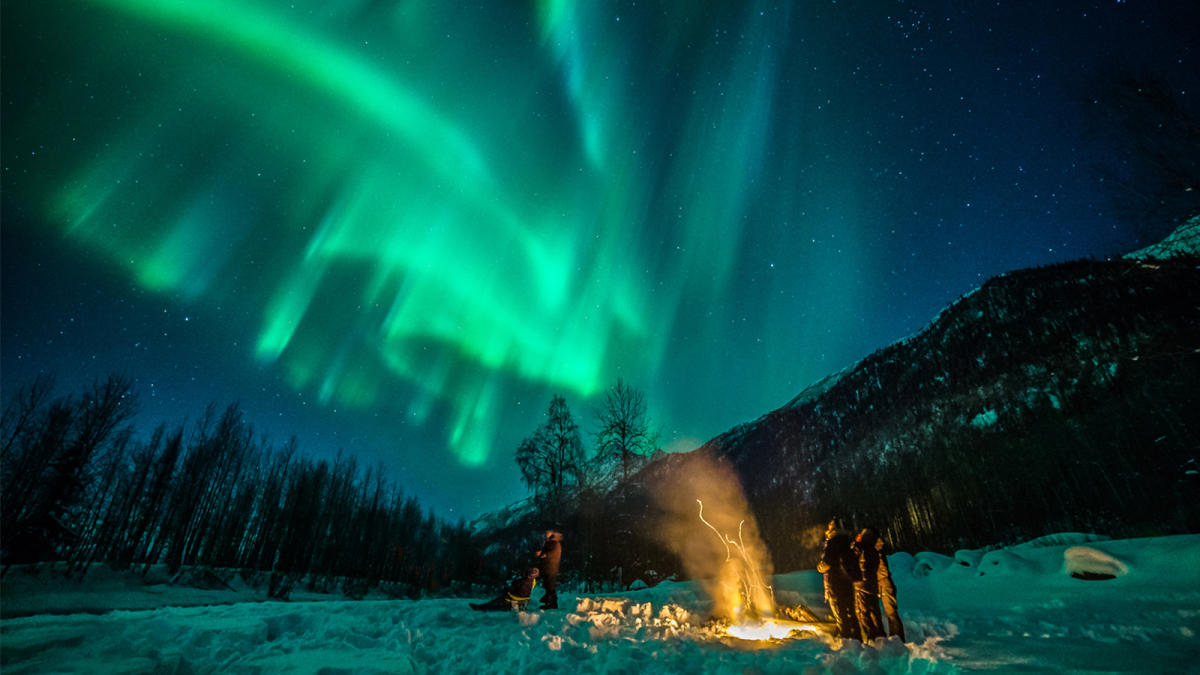
Anchorage’s Location and the Aurora Borealis Challenge
Understanding Anchorage’s geographical context is paramount when assessing its viability as an aurora viewing destination. Situated in southcentral Alaska, at roughly 61 degrees North latitude, Anchorage is indeed within the general vicinity where the aurora is visible. However, its specific location and characteristics introduce both opportunities and hurdles.
Geographical Considerations: Light Pollution and Latitude
The primary obstacle to seeing the Northern Lights directly from downtown Anchorage is light pollution. As Alaska’s largest urban center, Anchorage emits a substantial amount of artificial light, which scatters in the atmosphere and effectively dims the fainter auroral displays. Just as city lights obscure distant stars, they can overpower all but the most intense aurora. For a truly captivating view, dark skies are essential.
While Anchorage’s latitude is favorable, it’s not as ideally positioned as locations further north, such as Fairbanks, which sits closer to the magnetic North Pole and thus more consistently beneath the Aurora Oval. This means that while Anchorage can experience strong auroral displays, these events need to be powerful enough to overcome the city’s inherent challenges.
The Aurora Oval: Alaska’s Advantage
Alaska is strategically located beneath the Aurora Oval, a band of intense auroral activity that encircles the magnetic North Pole. This placement significantly increases the likelihood of seeing the Northern Lights across much of the state, including the Anchorage area, especially when solar activity is high. The oval shifts and expands with geomagnetic storms, sometimes dipping further south or intensifying to cover broader regions. When the Kp-index, a measure of geomagnetic activity, reaches 4 or higher, the chances of seeing the aurora from areas around Anchorage increase considerably. Even a Kp of 2 or 3 can produce visible aurora if skies are dark and clear enough.
Best Time of Year: Darkness is Key
The crucial factor for any aurora viewing is darkness. This makes the winter months in Alaska the prime time. From late August through early April, the nights are sufficiently long and dark to allow the aurora to be seen. Peak viewing season typically runs from late September to late March, when temperatures are colder, but the nights are at their longest, providing more hours of darkness for the aurora to appear. Within this window, the hours between 10 PM and 3 AM are generally considered the most active. Avoid planning your trip around the summer solstice (June) when Alaska experiences nearly 24 hours of daylight; the aurora simply cannot compete with the extended twilight.
Maximizing Your Chances: Beyond Anchorage City Limits
To truly optimize your opportunity to witness the Aurora Borealis near Anchorage, escaping the pervasive glow of the city lights is non-negotiable. This often means a short drive, but the reward of a truly dark sky can transform a faint shimmer into a vibrant dance.
Escaping Light Pollution: The Essential Journey
The difference between viewing the aurora from within Anchorage and just outside its limits can be astonishing. Even a 20-30 minute drive can make a significant impact. Look for areas with minimal artificial lighting, preferably with an unobstructed view of the northern horizon. Finding a dark spot away from streetlights, commercial buildings, and residential areas is paramount. The darker the sky, the more sensitive your eyes will become, allowing you to perceive even fainter auroral displays.
Popular Viewing Spots Near Anchorage
Fortunately, several accessible locations within a reasonable drive from Anchorage offer much better viewing conditions:
- Glenn Highway North: Heading north on the Glenn Highway offers numerous pull-offs and vantage points as you leave the city behind. Areas towards Eagle River, Eklutna Lake (if road conditions permit), or further into the Matanuska Valley past Palmer and Wasilla provide progressively darker skies. The open landscapes and views of the Chugach Mountains provide a stunning backdrop.
- Turnagain Arm (Seward Highway South): While facing south is generally not ideal for the aurora, certain spots along the Seward Highway towards Girdwood can work, especially during strong displays. Look for pull-offs on the side of the highway opposite Turnagain Arm with clear northern views, or consider spots higher up in the mountains away from the immediate coastal light. However, be cautious of coastal fog and cloud cover, which can be prevalent.
- Potter Marsh: Located just south of Anchorage along the Seward Highway, Potter Marsh offers a slightly darker alternative to the immediate city. While still relatively close to urban lights, its open expanse can provide better viewing opportunities than closer-in city parks during moderate aurora activity.
- Talkeetna: For a more dedicated escape, a drive to Talkeetna (about 2.5 hours north of Anchorage) places you in a much darker environment with excellent chances, especially if paired with views of Denali on clear nights. This makes for a great overnight trip.
When selecting a viewing spot, consider safety, road conditions (especially in winter), and available facilities. Always check weather and road reports before heading out.
Organized Tours: The Benefit of Local Expertise
For those unfamiliar with the terrain or uncomfortable driving in winter conditions, joining an organized aurora tour from Anchorage is an excellent option. Local tour operators specialize in aurora chasing, possessing intimate knowledge of the best viewing locations, current road conditions, and aurora forecasts. They often provide comfortable transportation, hot beverages, and sometimes even professional photography assistance. This allows you to relax and focus on the experience, leaving the logistics to the experts. Many tours will take you as far north as the Matanuska Valley or even to remote cabins where light pollution is virtually non-existent.
Factors Influencing Aurora Visibility
While location and time of year are critical, the appearance of the Northern Lights is ultimately a natural phenomenon dependent on a combination of unpredictable elements. Understanding these factors will help set realistic expectations and enhance your aurora hunting strategy.
Solar Activity: The Engine of the Aurora
The aurora is caused by charged particles from the sun interacting with the Earth’s magnetic field and atmosphere. Therefore, solar activity is the primary driver. Space weather forecasts, often expressed using the Kp-index (planetary K-index), predict geomagnetic activity levels. A higher Kp-index (on a scale of 0-9) indicates stronger geomagnetic storms and, consequently, more intense and widespread auroral displays. A Kp of 4 or higher generally provides good chances near Anchorage in dark locations, while a Kp of 5 or 6 can make it visible even from slightly light-polluted areas. Keeping an eye on aurora forecast websites and apps is essential for planning your chase.
Weather Conditions: Clear Skies Are Paramount
Even with powerful solar activity, the aurora cannot be seen if clouds obscure the sky. Clear, dark skies are absolutely crucial. Alaska’s winter weather can be fickle, with clear nights often following cold snaps. Always check the local weather forecast specifically for cloud cover before venturing out. Websites and apps that provide hourly cloud cover predictions can be invaluable. Sometimes, driving just a short distance can get you out from under a localized cloud bank, so staying flexible is key.
Patience and Persistence: A Natural Phenomenon
The Northern Lights are not on a fixed schedule. They can appear suddenly, last for minutes or hours, and then fade away just as quickly. Aurora hunting requires patience and persistence. Be prepared to wait, often in cold conditions, and accept that some nights might not yield a spectacular show. It’s a natural wonder, not a guaranteed spectacle. Many successful aurora chasers will tell you that their best sightings came after hours of waiting. Dress warmly, bring snacks and hot drinks, and enjoy the experience of being under the vast Alaskan night sky, even if the aurora remains elusive.
Planning Your Aurora Chase Trip to Alaska
A trip to Alaska with the goal of seeing the Northern Lights requires careful planning, especially when based out of Anchorage. Thoughtful preparation can make the difference between a frustrating search and a magical memory.
When to Visit: Best Months for Dark Skies
As mentioned, the prime viewing season is from late September through late March. Within this window, consider the following:
- September/October: While nights are getting longer, temperatures are milder, and there’s often less snow, making driving easier. Fall colors can also add to the daytime scenery.
- November/December: The shortest days and longest nights occur, offering maximum darkness. However, temperatures drop significantly, and heavy snowfall can make travel challenging.
- January/February: Often considered the sweet spot for aurora viewing. The coldest months, but also typically the clearest due to very cold, dry air. Nights are still long.
- March: Days begin to lengthen, but nights remain dark enough for good viewing. Temperatures start to moderate, and spring break crowds might arrive.
Aim for a trip duration of at least 3-5 nights to increase your chances, as aurora visibility depends heavily on atmospheric conditions and solar activity, which vary daily.
What to Pack: Essential Gear for Cold Nights
Being comfortable is crucial for successful aurora hunting in Alaska’s winter. Expect temperatures to be well below freezing. Essential packing items include:
- Layered Clothing: Base layers (wool or synthetic), mid-layers (fleece), and a heavy, waterproof/windproof outer shell.
- Warm Footwear: Insulated, waterproof boots rated for extreme cold.
- Headwear: A warm hat that covers your ears.
- Hand Protection: Gloves or mittens (mittens are often warmer). Hand warmers are also highly recommended.
- Camera Gear: A tripod is essential for long exposure photography, along with extra batteries (cold drains them quickly). A wide-angle lens is preferred.
- Headlamp or Flashlight: With a red light setting to preserve night vision.
- Hot Beverages and Snacks: To keep you warm and energized during long waits.
Alternative Aurora Destinations in Alaska
While Anchorage provides a convenient starting point, if your primary goal is guaranteed aurora viewing, consider heading further north. Fairbanks is widely regarded as Alaska’s best aurora viewing city, largely due to its proximity to the Aurora Oval and consistently colder, drier, clearer weather. Options like Coldfoot or Bettles even further north, near the Arctic Circle, offer truly remote and dark viewing experiences, often accessible by small plane. These destinations, however, typically require more specialized travel arrangements and come with higher costs.
Combining Aurora Hunting with Other Alaskan Experiences
A trip to Alaska doesn’t have to be solely about the Northern Lights. During daylight hours, Anchorage and its surroundings offer a wealth of winter activities. Enjoy cross-country skiing or fat biking on groomed trails, dog sledding tours, snowshoeing in the Chugach Mountains, or exploring the local museums and wildlife conservation centers. The city also offers excellent dining and cultural experiences. Incorporating these daytime adventures ensures a fulfilling trip, regardless of whether the aurora decides to make an appearance.
Conclusion: Your Alaskan Aurora Adventure Awaits
Witnessing the Northern Lights from Anchorage, Alaska is a definite possibility, provided you approach it with realistic expectations and a willingness to venture beyond the city’s glow. While Anchorage’s light pollution presents a challenge, its accessible location, combined with Alaska’s position under the Aurora Oval, means that with the right planning, patience, and a bit of luck, you can experience this phenomenal display. Choose the darkest months, monitor solar activity, seek out clear skies away from urban lights, and consider joining an expert-led tour. Even if the aurora remains elusive, your journey into the heart of Alaska’s winter wonderland promises unforgettable experiences. Prepare for the cold, embrace the adventure, and keep your eyes on the northern sky – the magic of the Aurora Borealis might just be waiting for you.
LifeOutOfTheBox is a participant in the Amazon Services LLC Associates Program, an affiliate advertising program designed to provide a means for sites to earn advertising fees by advertising and linking to Amazon.com. Amazon, the Amazon logo, AmazonSupply, and the AmazonSupply logo are trademarks of Amazon.com, Inc. or its affiliates. As an Amazon Associate we earn affiliate commissions from qualifying purchases.