
For many aspiring travelers dreaming of an Alaskan adventure, the pristine wilderness, majestic glaciers, and abundant wildlife are the primary allure. Yet, a common, often whispered, concern inevitably surfaces: what about the mosquitoes? The short, unequivocal answer is yes, Alaska does indeed have mosquitoes. However, understanding their prevalence, seasonal patterns, and effective mitigation strategies is key to ensuring these tiny inhabitants don’t overshadow the grandeur of your trip. Far from being an insurmountable obstacle, preparing for Alaska’s mosquito population is a fundamental aspect of planning a successful and enjoyable visit to the Last Frontier.
The Unavoidable Truth: Alaska’s Mosquito Reality
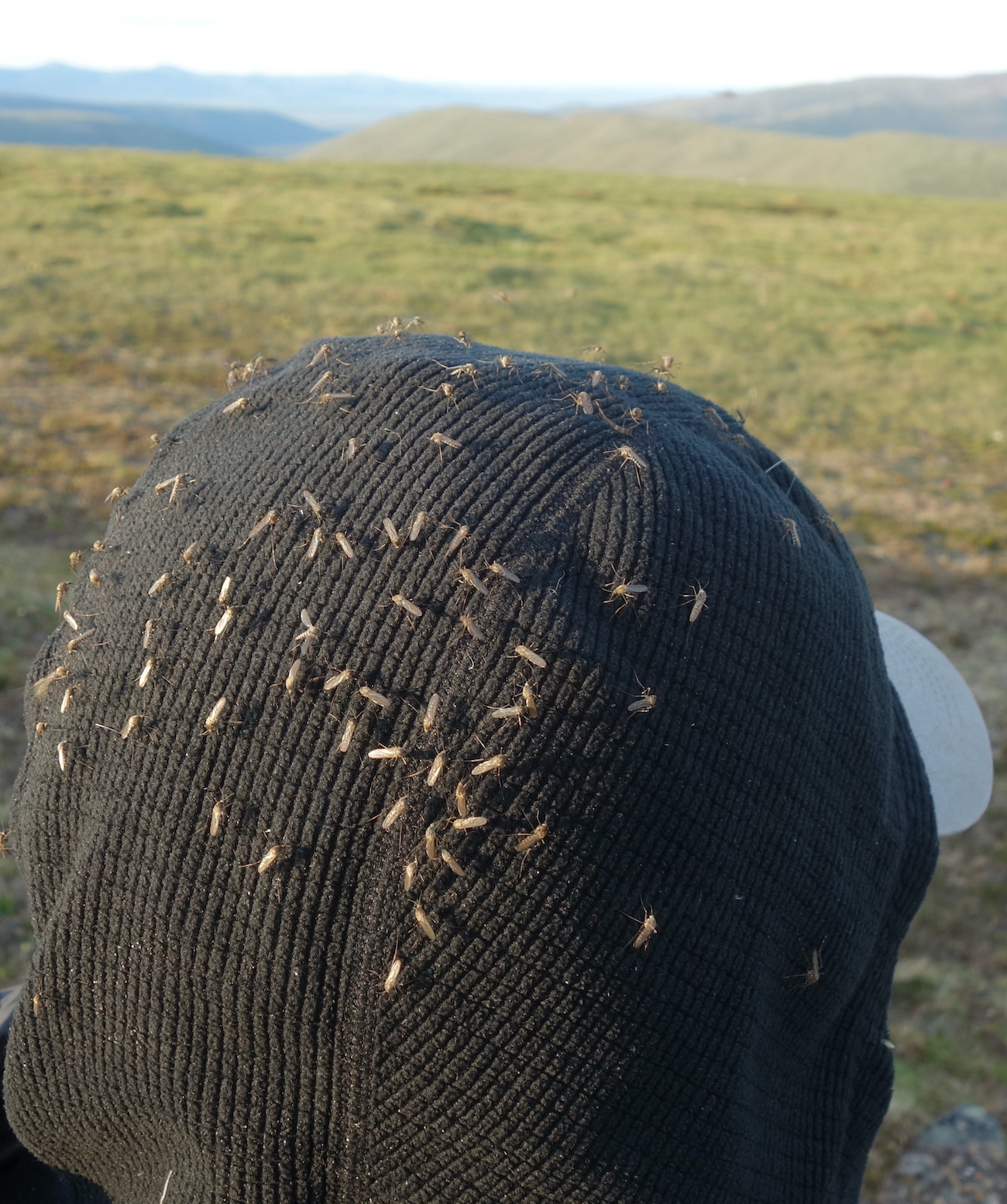
Alaska’s reputation for magnificent, untamed wilderness often precedes it, but so too, for some, does its fame as a mosquito haven. It’s not an exaggeration; the state can boast some of the densest mosquito populations on Earth during peak season. But why is this so? And when and where should travelers expect to encounter these buzzing pests?
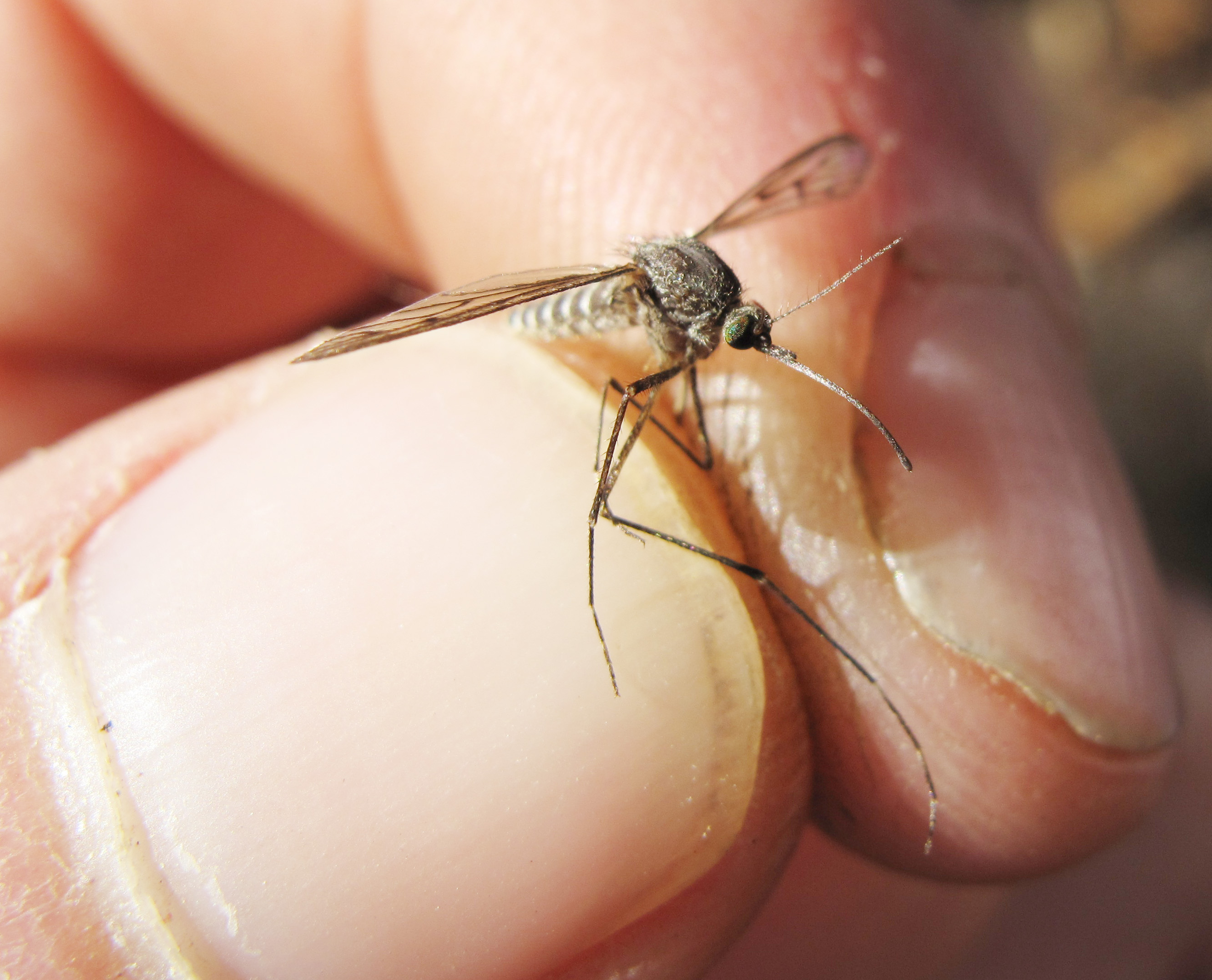
Why the Last Frontier is a Mosquito Paradise
The unique climatic and geological conditions of Alaska conspire to create an ideal breeding ground for mosquitoes. Firstly, much of the state, particularly the interior and northern regions, is characterized by tundra and vast wetlands. As the long, dark winter gives way to the intense, almost continuous daylight of summer, the frozen ground thaws, releasing enormous quantities of standing water. This water, combined with myriad lakes, ponds, slow-moving rivers, and glacial meltwater, provides countless stagnant pools – the perfect nurseries for mosquito larvae.
The sheer volume of unfrozen water, coupled with the relatively short, but incredibly vibrant, growing season, allows mosquitoes to hatch and mature at an accelerated rate. Unlike more temperate climates where mosquito populations might be spread out over several months, Alaska experiences an explosive emergence. The lack of natural predators in sufficient numbers to control such a massive population further contributes to their proliferation. The absence of widespread human development across vast areas also means fewer disturbances to their natural breeding cycles. Essentially, Alaska offers an undisturbed, water-rich environment with ample food sources for these insects, allowing them to thrive on an epic scale.
Seasonal Cycles and Geographical Hotspots
The mosquito experience in Alaska is highly dependent on both the time of year and your specific location. Generally, the mosquito season begins in late May or early June, coinciding with the rapid snowmelt. The peak of mosquito activity typically occurs from mid-June through July. During this period, especially in interior regions and near wetlands, river systems, or vast tracts of tundra, the sheer number of mosquitoes can be astounding.
Areas like Denali National Park, the Yukon-Kuskokwim Delta, and the vast wilderness surrounding Fairbanks are renowned for their robust mosquito populations. If your travel plans involve hiking, fishing, or camping in these interior, forested, or boggy areas during peak summer, you should expect to encounter significant numbers of mosquitoes.
Conversely, coastal areas tend to have fewer mosquitoes due to the cooler temperatures, consistent breezes, and different hydrological patterns. Cities like Anchorage and Juneau, while not entirely mosquito-free, generally experience much lighter populations compared to their inland counterparts. Higher elevations, such as mountain passes or glacial regions, also offer some respite from the buzzing hordes. By August, as temperatures begin to cool and the summer season wanes, mosquito numbers typically start to decline, making late August and September prime times for those seeking fewer bugs.
Preparing for Your Alaskan Adventure: Essential Mosquito Defense
Understanding the enemy is the first step; equipping yourself to deal with them is the crucial next. An Alaskan itinerary, particularly one focused on outdoor activities, must include a robust mosquito defense strategy. With the right gear and knowledge, you can significantly mitigate their nuisance and focus on the breathtaking scenery and unique experiences Alaska offers.
Packing Your Anti-Mosquito Arsenal
Effective mosquito defense begins with smart packing. While repellents are essential, clothing forms your primary physical barrier.
- Long Sleeves and Pants: Even in summer, pack lightweight, long-sleeved shirts and long pants. Opt for breathable fabrics that offer good coverage.
- Light Colors: Mosquitoes are often attracted to darker colors. Choosing light-colored clothing can make you less of a target.
- Head Nets: A mosquito head net is an invaluable, lightweight, and inexpensive item that can provide instant relief, especially when mosquitoes are swarming around your face. Pair it with a wide-brimmed hat to keep the net off your skin.
- Bug Jackets/Suits: For serious backcountry excursions or areas with extremely high mosquito populations, a full bug jacket or suit (often made of fine mesh) can offer comprehensive protection without the need for excessive repellent application on your body.
- Tents with Fine Mesh: If camping, ensure your tent’s mesh is fine enough to keep out even the smallest of biting insects.
Choosing and Applying Effective Repellents
Repellents are a critical component of your defense strategy. Not all repellents are created equal, and understanding their active ingredients is vital.
- DEET (N,N-diethyl-meta-toluamide): This is the gold standard for mosquito repellent efficacy. Products containing 20-30% DEET offer excellent protection for several hours. Higher concentrations (up to 100%) don’t necessarily provide longer protection but can last for a more extended period. Always follow product instructions carefully, especially when applying to skin.
- Picaridin: An increasingly popular alternative to DEET, picaridin is effective against mosquitoes and ticks. It’s often preferred for its less greasy feel and lack of plastic-damaging properties. Concentrations of 20% picaridin are comparable to 30% DEET in effectiveness.
- Oil of Lemon Eucalyptus (OLE): This is a plant-based repellent recognized by the CDC. It can offer comparable protection to lower concentrations of DEET, typically lasting a few hours. Ensure you’re using products with OLE, not just lemon eucalyptus essential oil, which is not registered as a repellent.
- Permethrin-Treated Clothing: Permethrin is an insecticide (not a repellent) that can be applied to clothing, tents, and gear (never directly to skin). It kills mosquitoes and ticks on contact and can remain effective through several washes. Many outdoor apparel brands also sell pre-treated clothing.
Application Tips: Apply repellents to exposed skin and clothing according to manufacturer instructions. Avoid applying to cuts, wounds, or irritated skin. When using sunscreen, apply sunscreen first, then repellent. Reapply as needed, especially after sweating or swimming.
Camp and Lodge Strategies
Even when staying in lodges or cabins, basic precautions can enhance your comfort.
- Screens: Ensure windows and doors in your accommodation have intact screens. Keep them closed, especially at dawn and dusk.
- Mosquito Coils/Thermacells: These devices can provide a small, localized zone of protection around a patio or campsite by emitting repellent vapors.
- Sleeping Nets: If camping or staying in rustic cabins, a portable mosquito net to drape over your sleeping area can offer peace of mind and an undisturbed night’s sleep.
Beyond the Buzz: Other Alaskan Biting Insects
While mosquitoes often steal the spotlight, Alaska’s insect population includes other biting nuisances that travelers should be aware of. Understanding these additional pests can help you refine your defense strategy and minimize discomfort.
Midges, Black Flies, and No-See-Ums
Alaska is also home to:
- Midges (Gnats): These tiny flies, often called “no-see-ums” in some regions, are minuscule but can deliver a surprisingly irritating bite. They often appear in swarms, particularly during still, warm evenings or near damp, marshy areas. Their small size allows them to slip through coarser mesh screens, making fine mesh essential for head nets and tents.
- Black Flies (Buffalo Gnats): Larger than midges, black flies are stout-bodied, hump-backed flies that inflict a painful, often bleeding bite. They are most active during the day, especially near running water, and are attracted to carbon dioxide. Unlike mosquitoes, which often buzz around before biting, black flies can land and bite almost unnoticed, leaving an itchy welt.
- Horse Flies and Deer Flies: These larger, aggressive flies have a powerful bite and are generally active during the hottest parts of the day, particularly near water or open fields.
These insects, while often less talked about than mosquitoes, can be equally, if not more, irritating due to the nature of their bites. The good news is that many of the same protective measures against mosquitoes – long clothing, effective repellents (especially DEET and picaridin), and head nets – are also effective against these other biting flies.
Understanding Their Impact on Outdoor Activities
The presence of biting insects can significantly impact your enjoyment of Alaska’s famed outdoor activities.
- Hiking and Backpacking: Trails through forested or marshy areas can become challenging if you’re constantly swatting. Proper clothing and head nets are crucial.
- Fishing: Anglers often find themselves at the mercy of mosquitoes and black flies, especially during peak season near riverbanks and lakes. Repellent and protective clothing are non-negotiable.
- Camping: Setting up camp and relaxing outdoors can be tough. Well-screened tents and bug shelters become your sanctuary.
- Wildlife Viewing: While waiting patiently for a glimpse of a bear or moose, you might become an unwitting target for hundreds of hungry insects. Patience combined with protection is key.
However, it’s vital to remember that the insects are part of the ecosystem. Wildlife, like birds and bats, rely on them as a food source, highlighting their role in the vast Alaskan wilderness. Their presence doesn’t negate the experience; it simply underscores the need for thorough preparation.
Strategic Planning for a Bug-Free(r) Alaskan Experience
While mosquitoes and other biting insects are an undeniable part of the Alaskan summer, strategic planning can significantly minimize their impact on your travel experience. By making informed decisions about your timing and destinations, you can enjoy the incredible beauty of the Last Frontier with fewer bothersome encounters.
Timing Your Visit: When Mosquitoes are Less Prevalent
One of the most effective ways to mitigate mosquito exposure is to adjust your travel dates.
- Late Spring (May): While the season is just beginning, May often sees fewer mosquitoes compared to June and July. Snowmelt is still progressing, and temperatures are cooler, delaying the full emergence. This can be a great time for wildlife viewing (bears emerging from hibernation) and fewer crowds.
- Late Summer/Early Fall (August and September): As temperatures cool and the days shorten, mosquito populations naturally decline. Late August and September offer some of the most pleasant conditions for outdoor activities, with significantly fewer bugs. This period also brings the spectacular fall foliage (especially in September) and excellent chances for viewing the Northern Lights as the nights grow longer. While some insects may linger, they are generally in much lower numbers than in peak summer.
Choosing these shoulder seasons not only reduces your insect encounters but can also mean fewer tourists and potentially better deals on accommodations and tours.
Choosing Your Destination Wisely
The geography of Alaska plays a crucial role in insect prevalence.
- Coastal Areas: Destinations along the coast, such as Seward, Valdez, Ketchikan, and Glacier Bay National Park, benefit from cooler temperatures and consistent ocean breezes. These conditions are less conducive to large mosquito populations compared to the interior. Cruises and coastal excursions often offer a remarkably bug-free experience.
- Higher Elevations: Mountainous regions and high-elevation trails, like those in parts of the Chugach National Forest, tend to have fewer mosquitoes. The cooler air and reduced standing water at higher altitudes make them less attractive breeding grounds.
- Cities and Developed Areas: While no urban area is entirely immune, cities like Anchorage and Juneau often have local mosquito control efforts and simply less wild, swampy terrain directly within their limits, leading to fewer bugs. If your trip is more focused on cultural sites, museums, and city-based tours, insects will be less of a concern.

Embracing the Wilderness: Mindset and Management
Ultimately, visiting Alaska means immersing yourself in a wild and untamed environment. Mosquitoes and other insects are an integral part of this ecosystem. Instead of viewing them as a deterrent, approach your trip with a proactive mindset.
- Preparation is Key: With the right clothing, effective repellents, and an understanding of peak seasons and locations, you can significantly reduce their nuisance factor.
- Focus on the Grandeur: Don’t let the thought of bugs overshadow the unparalleled beauty, incredible wildlife, and profound sense of wilderness that defines Alaska. Most travelers who visit Alaska during mosquito season, armed with proper protection, still describe it as an unforgettable, life-changing experience. The moments spent gazing at a breaching whale, hiking through a wildflower-strewn meadow, or witnessing a glacier calve into the sea will far outweigh any temporary discomfort from insects.
In conclusion, while Alaska undeniably has mosquitoes, they are a manageable aspect of your journey, not a reason to avoid this magnificent destination. With thoughtful planning, appropriate gear, and a prepared mindset, you can fully enjoy the boundless wonders of the Last Frontier.
LifeOutOfTheBox is a participant in the Amazon Services LLC Associates Program, an affiliate advertising program designed to provide a means for sites to earn advertising fees by advertising and linking to Amazon.com. Amazon, the Amazon logo, AmazonSupply, and the AmazonSupply logo are trademarks of Amazon.com, Inc. or its affiliates. As an Amazon Associate we earn affiliate commissions from qualifying purchases.