
The mention of Alaska often conjures images of majestic glaciers, endless snowfields, and a persistent chill that defines the very essence of the Last Frontier. It’s a common misconception, however, that Alaska is perpetually frozen, a land where warmth is an alien concept. While its northern latitude certainly guarantees long, cold winters, the notion that Alaska never experiences warmth is far from the truth. In reality, the state boasts a surprisingly diverse climate, with significant regional variations that can, indeed, lead to genuinely hot conditions, especially during its brief but brilliant summer months. For travelers planning an adventure to this magnificent state, understanding these climatic nuances is not just interesting, but essential for a well-prepared and enjoyable trip.
The Myth vs. The Reality: Alaska’s Diverse Climate
Alaska’s sheer size and varied topography create a mosaic of microclimates, challenging any simplistic portrayal of its weather. From the temperate rainforests of the Panhandle to the arid Arctic tundra, temperatures can swing dramatically, not just between seasons but also across different regions within the same day.
A Land of Extremes: Understanding Geographic Influences
The geographical diversity of Alaska is the primary driver of its complex climate. The coastal areas, particularly the Southeast Panhandle and the Southcentral region around Anchorage and the Kenai Peninsula, are moderated by the Pacific Ocean. Here, temperatures are generally milder, with more precipitation and less extreme heat or cold. Summers are pleasant, often in the 60s Fahrenheit (15-20°C), with occasional climbs into the 70s (20-25°C). The interior, on the other hand, exemplified by cities like Fairbanks, experiences a continental climate. This means hotter summers and much colder winters due to its distance from the ocean’s moderating influence and the presence of mountain ranges like the Alaska Range, which block maritime air masses. The Arctic North Slope, bordering the Arctic Ocean, remains the coldest part of the state, where even summer temperatures are typically cool, rarely exceeding 50°F (10°C).
Dispelling the Perpetual Winter Stereotype
The stereotype of perpetual winter largely stems from Alaska’s latitude and the images of its vast wilderness. While snow can linger on mountain peaks year-round and glaciers are a prominent feature, the lowland areas and populated regions do experience a distinct summer. This season brings not only significant warmth but also lush greenery, vibrant wildflowers, and an incredible burst of life. The daylight hours stretch immensely, with many areas experiencing the Midnight Sun phenomenon, which itself contributes to warming the ground and air over prolonged periods.
Summer in the Last Frontier: When Warmth Prevails
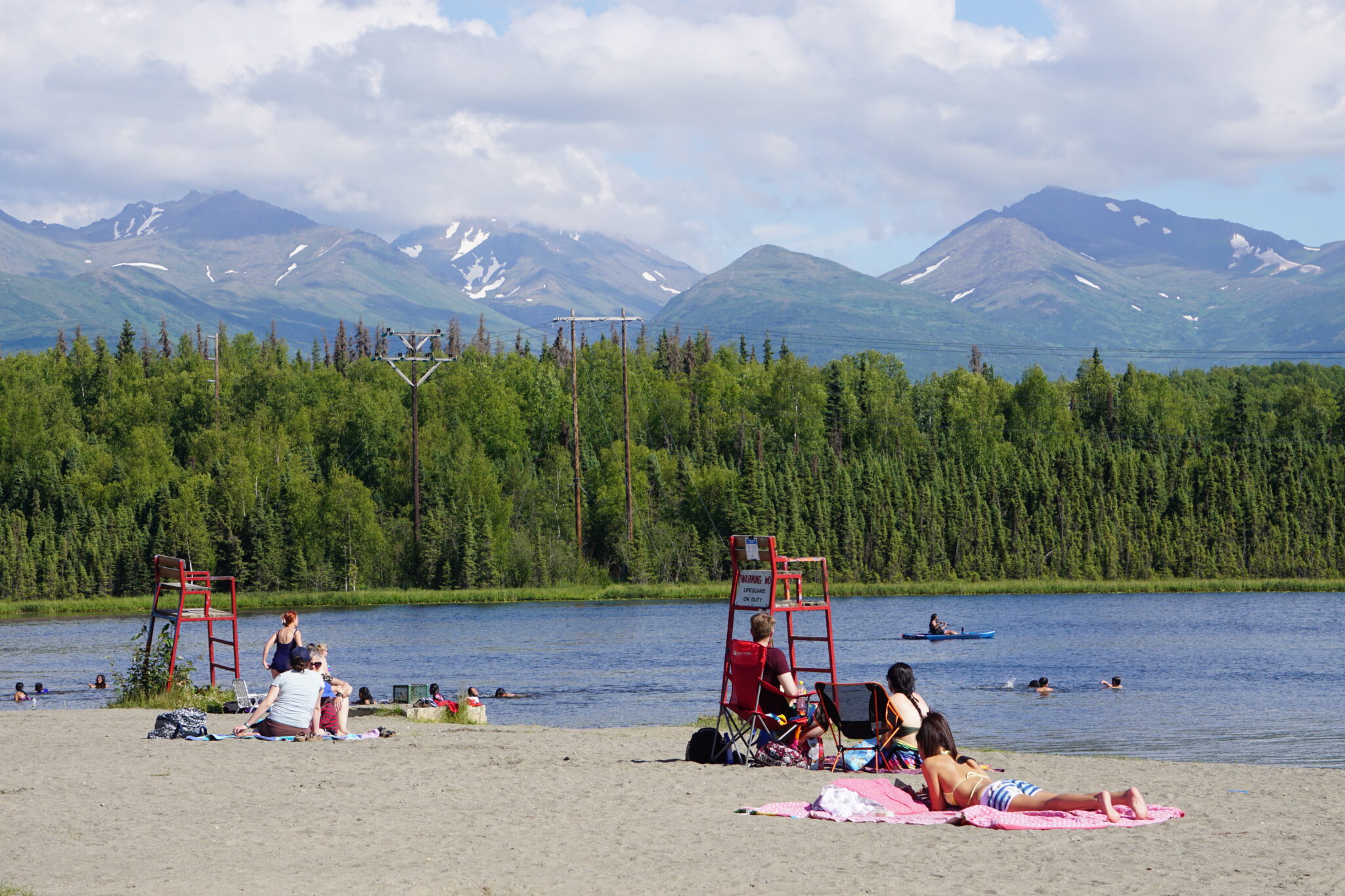
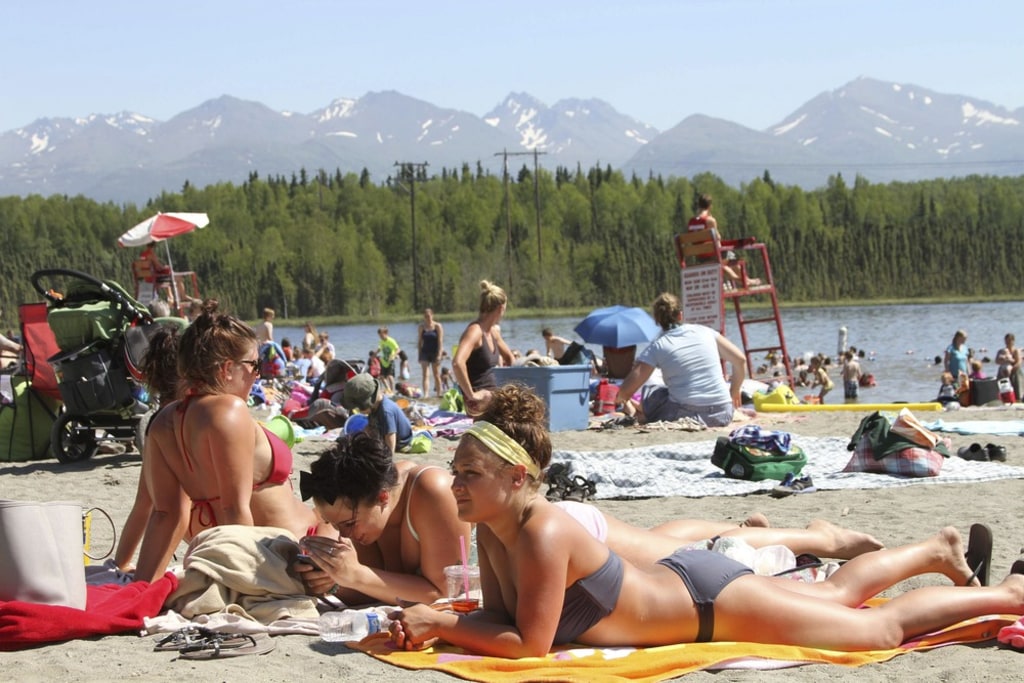
For those wondering if it gets hot in Alaska, summer is the definitive answer. From late May through August, especially in the interior and south-central parts of the state, temperatures can surprise even the most seasoned travelers.
Peak Temperatures and Record Highs
While “hot” is relative, Alaska’s interior regularly sees summer temperatures climb into the 70s°F (21-26°C), and often into the low 80s°F (27-29°C). Days in the 90s°F (32°C and above) are not unheard of, particularly in Fairbanks and surrounding areas, which hold many of the state’s heat records. The highest recorded temperature in Alaska was 100°F (38°C) in Fort Yukon in 1915, a testament to the fact that extreme heat is indeed possible. Even Anchorage, the state’s largest city, has seen temperatures in the high 80s°F (around 31°C), making for genuinely warm days perfect for outdoor activities.
Regional Variations: From the Interior to the Coast
The distinction between regions is crucial for understanding summer temperatures.
- Interior Alaska (e.g., Fairbanks, Denali National Park): Experiences the warmest summers, averaging 60-70°F (15-21°C) but frequently hitting 80°F (27°C) or higher. These areas often have low humidity, making the heat feel more comfortable.
- Southcentral Alaska (e.g., Anchorage, Seward, Talkeetna): Summers are mild and pleasant, typically in the 60s°F (15-20°C), with occasional spikes into the 70s°F (21-26°C). The proximity to the coast moderates the extremes.
- Southeast Alaska (e.g., Juneau, Ketchikan): Characterized by a maritime climate with cooler, wetter summers. Temperatures usually range from 55-65°F (13-18°C), with less frequent warm days compared to the interior.
- Arctic and Western Alaska (e.g., Utqiaġvik, Nome): Remains cool even in summer, with average temperatures rarely breaking 50°F (10°C). Warm days are an anomaly here, making it the one region where “hot” is truly a foreign concept.
The Phenomenon of the Midnight Sun and Its Impact
One of the most defining characteristics of an Alaskan summer is the extended daylight, known as the Midnight Sun. North of the Arctic Circle, the sun can remain above the horizon for weeks or even months. Even in Anchorage, there are nearly 19 hours of daylight around the summer solstice. This prolonged exposure to sunlight contributes significantly to warming the land and air. While it doesn’t directly make it “hotter” in terms of peak temperature, it extends the period of warmth throughout the day and night, allowing the ground and water to absorb more solar energy, which in turn influences ambient temperatures. This constant daylight also fuels the incredibly rapid growth of vegetation and encourages wildlife activity, creating a vibrant, energetic atmosphere.
Beyond Summer: A Look at Other Seasons
While summer is Alaska’s warmest season, the shoulder seasons also offer unique climates and experiences, slowly transitioning from the vibrant warmth to the crisp chill.
Spring’s Thaw and Early Warmth
Spring in Alaska, typically from April to May, is a period of dramatic transformation. Snow and ice begin to melt, rivers swell, and the landscape awakens. Temperatures gradually rise, with daytime highs in the 40s and 50s°F (4-15°C) becoming common in many areas. While not “hot,” these months offer increasingly mild days, perfect for witnessing wildlife emerge from hibernation and the first wildflowers blooming. The air is often fresh and crisp, and the increasing daylight hours are a welcome change after the long winter.
Autumn’s Chill and Breathtaking Colors
September and early October mark Alaska’s brief but spectacularly beautiful autumn. The warm days of summer give way to cooler temperatures, typically ranging from the 30s to 50s°F (0-15°C). While the mercury drops, the landscape ignites with brilliant reds, oranges, and yellows as the tundra and deciduous trees turn. This season offers clear, crisp air and often stable weather, making it ideal for hiking and photography, though travelers should be prepared for overnight frosts and a quick transition towards winter conditions, particularly in the interior.
Winter’s Embrace: Cold, But Not Always Bitter
Finally, winter (November to March) reasserts Alaska’s reputation for cold. Temperatures plummet, with averages well below freezing across much of the state. Interior cities like Fairbanks can experience long stretches where temperatures remain -20°F to -40°F (-29°C to -40°C), sometimes even colder. Coastal areas are milder but still cold, often hovering around 0°F to 20°F (-18°C to -7°C). However, even in winter, there are variations; prolonged periods of extreme cold are usually broken by milder spells. And importantly, the dry cold of the interior often feels less biting than a damp cold elsewhere. While it certainly doesn’t get “hot,” the winter offers its own unique beauty and activities, from northern lights viewing to dog sledding, demonstrating that Alaska’s allure isn’t solely dependent on warmth.
Preparing for Your Alaskan Adventure: What to Expect and Pack
Understanding Alaska’s varied climate is crucial for any traveler. Whether you encounter a surprisingly hot summer day or a crisp autumnal morning, being prepared ensures comfort and enjoyment.
Layering is Key: Dressing for Variable Weather
Regardless of the season, the golden rule for dressing in Alaska is layering. Even on a hot summer day, evening temperatures can drop significantly, and weather conditions can change rapidly.
- Base Layer: Moisture-wicking material to keep sweat away from your skin.
- Mid-Layer: Insulating fleece or wool for warmth.
- Outer Layer: Waterproof and windproof jacket, even in summer, to protect against rain and sudden chills.
- Accessories: A warm hat, gloves, and sturdy, waterproof footwear are advisable, even in summer, especially if venturing into the wilderness or on glaciers.
Hydration and Sun Protection: Essential Even in Cooler Climates
Even with cooler average temperatures, the intensity of the summer sun in Alaska, especially with the extended daylight hours and reflection off water or snow, necessitates proper sun protection. Pack high-SPF sunscreen, sunglasses, and a wide-brimmed hat. Hydration is equally important. While not typically associated with cold climates, physical activity and dry air can lead to dehydration, so always carry water. Mosquito repellent is also a summer essential, particularly in interior areas and near standing water.
Seasonal Activities and Temperature Considerations
Your choice of activities will heavily depend on the season and the temperatures you expect.
- Summer (June-August): Ideal for hiking, fishing, wildlife viewing (bears, moose, migratory birds), kayaking, rafting, and exploring cities like Anchorage and Juneau. Prepare for warm days but cool evenings and potential rain.
- Spring/Autumn (April-May, September-October): Excellent for photography, seeing fall foliage, and avoiding peak crowds. Be ready for varied temperatures, from mild to chilly, and potentially wet conditions. Some tours and facilities might have reduced hours or be closed.
- Winter (November-March): Focuses on snow-based activities like skiing, snowboarding, dog mushing, ice fishing, and, most famously, aurora borealis viewing. Requires extensive cold-weather gear.
The Allure of Alaska’s Warm Season: Experiences to Cherish
While the initial question focuses on temperature, the presence of warm weather unlocks a plethora of unique experiences that make an Alaskan summer truly unforgettable.
Wildlife Viewing and Outdoor Expeditions
Warm temperatures and abundant daylight in summer are prime conditions for wildlife. Bears are active, salmon run in the rivers attracting eagles and fishermen, and migratory birds fill the skies. Kayaking through fjords, hiking in Denali National Park, or cruising the Inside Passage for whale watching are all enhanced by the comfortable weather. The absence of extreme cold makes multi-day backpacking trips and remote cabin stays more accessible and enjoyable.
Exploring Cities and Cultural Events
Alaska’s cities come alive in the summer. Anchorage hosts vibrant farmers’ markets and street festivals. Fairbanks celebrates the Midnight Sun with special baseball games played under natural daylight late into the night. Cultural centers and museums offer insights into Alaska’s Indigenous cultures and pioneer history, all accessible in pleasant conditions. The Alaska State Fair in Palmer in late August showcases giant vegetables and local crafts, epitomizing the warmth and abundance of the season.
The Best Time for Scenic Drives and Photography
With the land thawed and verdant, summer offers the best conditions for scenic drives along routes like the Seward Highway or the Parks Highway, which offer breathtaking vistas of mountains, glaciers, and wildlife. The long daylight hours provide ample time for photography, capturing the stunning landscapes in soft, extended light. Whether you’re chasing the reflections of mountains in calm lakes or the vibrant colors of wildflowers, the relatively hot and extended days of summer provide unparalleled opportunities to explore and capture the beauty of the Last Frontier.
In conclusion, while Alaska is undeniably a land of ice and snow for much of the year, dismissing its capacity for warmth would be a significant oversight. During its glorious summer, particularly in the vast interior, it not only gets warm but can genuinely get hot, offering a surprising and inviting climate for travelers eager to explore its natural wonders under the glow of the Midnight Sun.
LifeOutOfTheBox is a participant in the Amazon Services LLC Associates Program, an affiliate advertising program designed to provide a means for sites to earn advertising fees by advertising and linking to Amazon.com. Amazon, the Amazon logo, AmazonSupply, and the AmazonSupply logo are trademarks of Amazon.com, Inc. or its affiliates. As an Amazon Associate we earn affiliate commissions from qualifying purchases.