
The question “Does the sun go down in Alaska?” is one that sparks curiosity and immediately conjures images of endless summer days or perpetual winter nights. It’s a question that delves into the heart of what makes Alaska, the United States’ largest and northernmost state, such a singularly captivating travel destination. The simple answer is both yes and no, a paradox rooted in the physics of our planet and the unique geographical position of the Last Frontier. Far from being a mere meteorological quirk, Alaska’s extreme variations in daylight hours fundamentally shape the landscape, wildlife, local culture, and, most importantly, the travel experiences available to visitors. Understanding these light cycles is not just about scientific knowledge; it’s about unlocking the potential for adventure, tranquility, and breathtaking natural phenomena that define an Alaskan journey. From the vibrant energy of the Midnight Sun to the serene, star-dusted canvases of the Polar Night, Alaska’s relationship with the sun offers a spectrum of unparalleled travel opportunities. This article will explore the fascinating reality of Alaska’s light, guiding you through its scientific underpinnings, the unique experiences it affords, and practical advice for planning your unforgettable Alaskan adventure.
Unraveling the Midnight Sun and Polar Night
Alaska’s position, straddling the Arctic Circle, is the primary driver behind its dramatic light variations. This isn’t just about longer or shorter days; it’s about periods where the sun simply doesn’t set, or barely rises, for weeks or even months on end.
The Science Behind Alaska’s Extreme Light
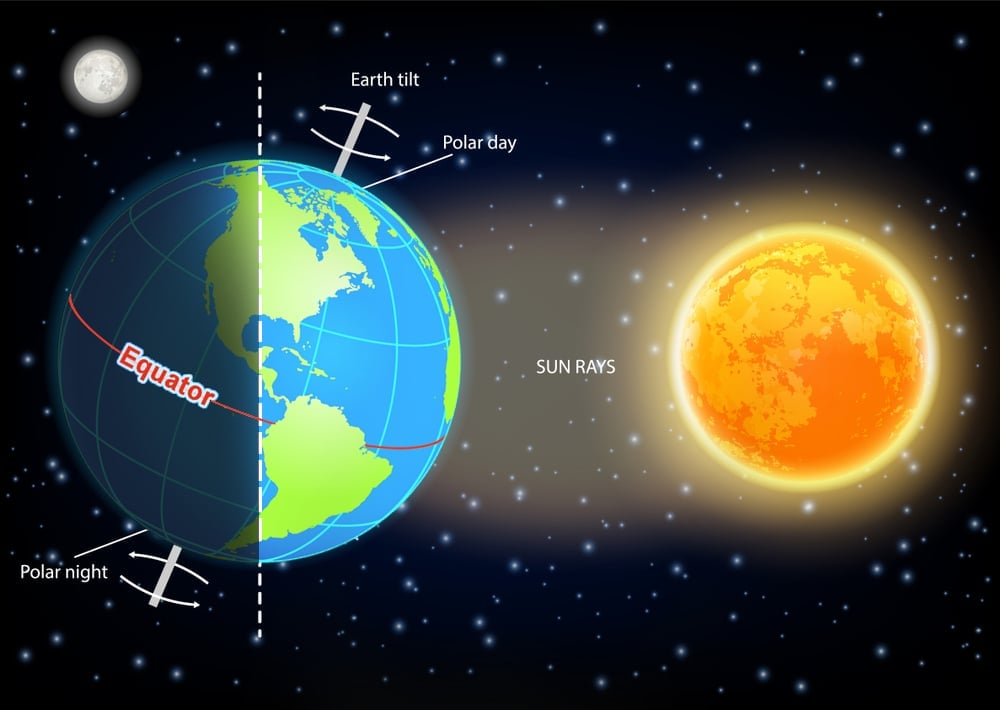
The Earth’s axis is tilted at approximately 23.5 degrees relative to its orbit around the sun. This tilt is the reason we have seasons. As the Earth revolves, different parts of the planet are tilted towards or away from the sun. When the Northern Hemisphere is tilted towards the sun during summer, areas near the North Pole, like much of Alaska, experience continuous daylight because the sun never dips below the horizon from their perspective. Conversely, in winter, when the Northern Hemisphere is tilted away, these same regions face prolonged periods of darkness. The further north you go in Alaska, the more pronounced these effects become.
The Phenomenon of the Midnight Sun
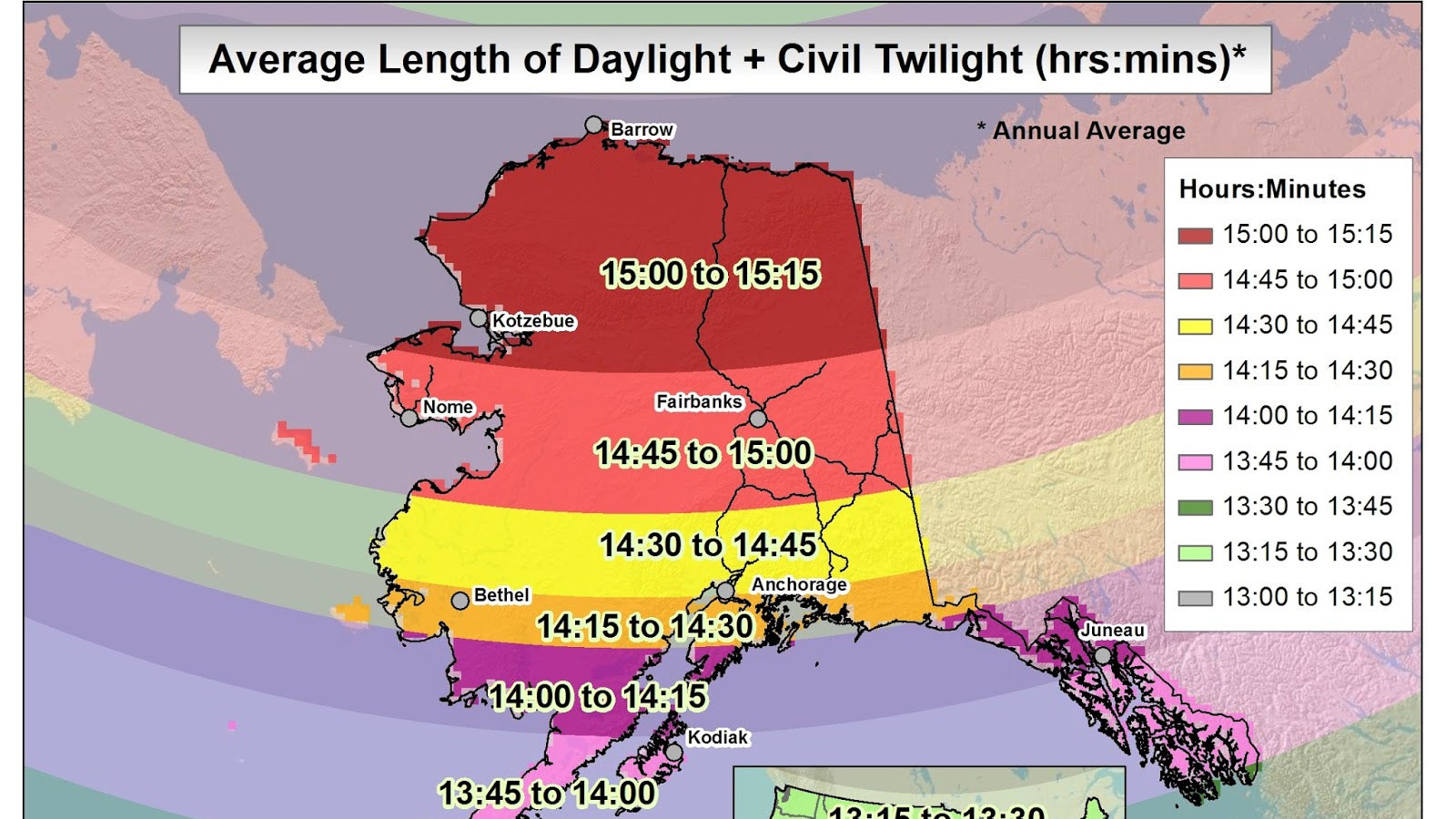
The Midnight Sun is perhaps Alaska’s most iconic summer phenomenon. For travelers, it means an extended playground where adventures can stretch deep into what would ordinarily be night. North of the Arctic Circle, the sun literally remains visible 24 hours a day for a period. In places like Utqiagvik (formerly Barrow), the northernmost city in the United States, the sun doesn’t set for approximately 80 days, from mid-May to early August. Even in cities further south, like Fairbanks, which is just a few degrees south of the Arctic Circle, residents and visitors experience nearly 24 hours of usable daylight, with the sun dipping briefly below the horizon for only a few hours of twilight. This creates an incredibly energetic and surreal atmosphere, where the concept of time can become delightfully fluid.
Embracing the Polar Night
The flip side of the Midnight Sun is the Polar Night, an equally dramatic period of prolonged darkness during the winter months. Again, the intensity varies by latitude. In Utqiagvik, the sun disappears completely below the horizon for about 65 days, from mid-November to late January. However, this doesn’t mean absolute pitch blackness around the clock. Instead, residents experience a prolonged period of “civil twilight” or “nautical twilight,” where the sky takes on ethereal hues of deep blue, purple, and even red during the brief periods when the sun is closest to the horizon. This muted light creates a profoundly peaceful and often stunningly beautiful landscape, perfect for specific winter activities and providing a stark contrast to the lively summer months.
Experiencing Alaska’s Unique Light Cycles as a Traveler
The extreme light variations are not just interesting scientific facts; they are integral to the Alaskan travel experience, dictating the rhythm of life and the nature of available activities throughout the year.
Summer Adventures Under the Midnight Sun
Visiting Alaska during the summer means embracing the Midnight Sun, which extends opportunities for exploration and adventure well beyond conventional hours. Hikers can trek through breathtaking landscapes in Denali National Park or the Chugach Mountains until late evening, enjoying crisp, clear air and fewer crowds. Fishing enthusiasts can cast lines for salmon and halibut at midnight, a truly unique experience. Wildlife viewing becomes a round-the-clock affair, with opportunities to spot bears, moose, caribou, and eagles in perpetual daylight. Cities like Anchorage and Fairbanks buzz with activity, hosting Midnight Sun baseball games, garden tours, and vibrant street festivals. The sheer energy of summer is palpable, encouraging visitors to push their boundaries and experience more. Practical tips for enjoying the Midnight Sun include bringing an eye mask for sleeping, ensuring your accommodation has good blackout curtains, and trying to maintain a consistent sleep schedule despite the persistent daylight.
Winter Wonderland and the Northern Lights
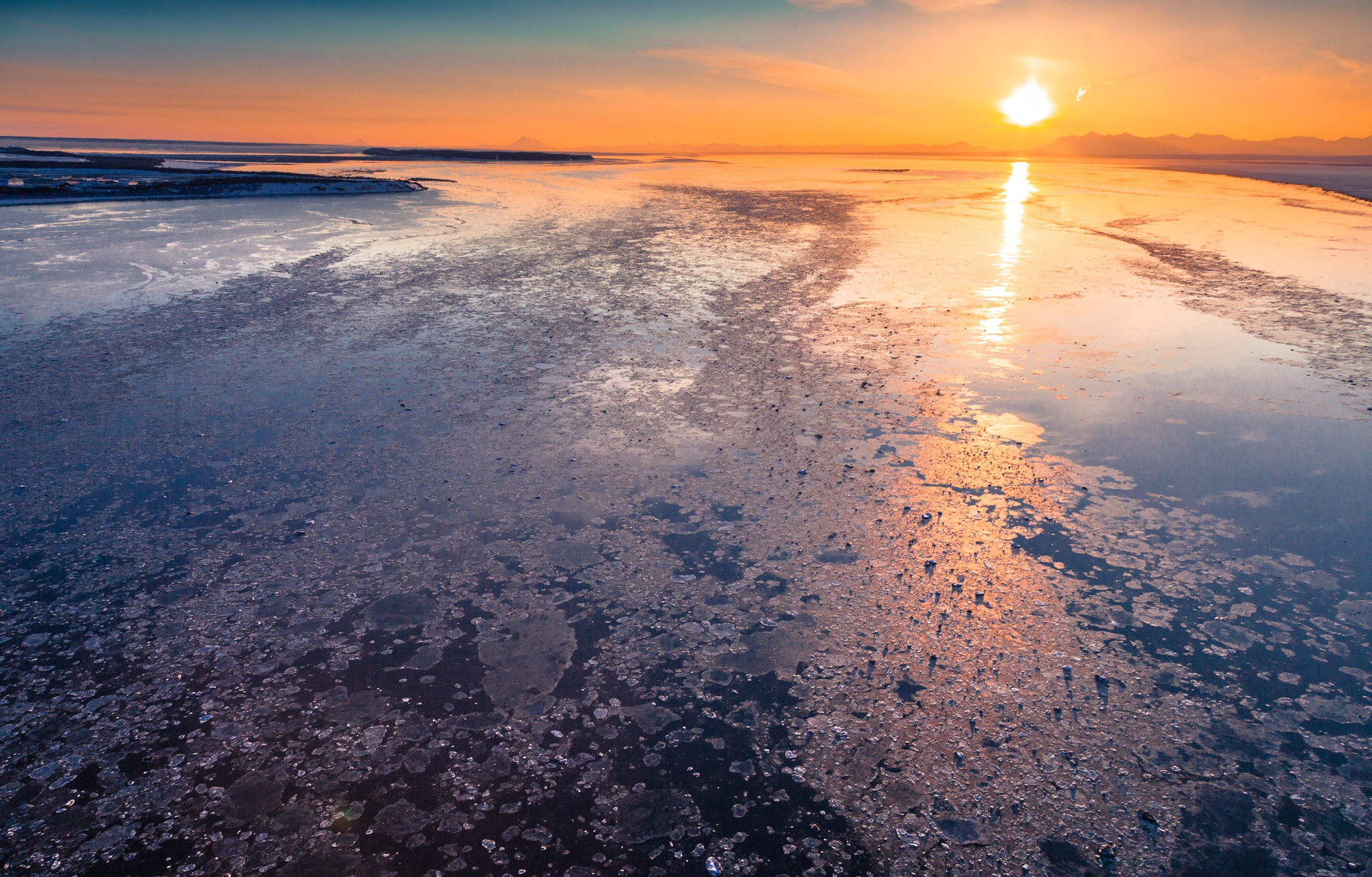
While summer offers endless daylight, winter in Alaska presents a completely different, yet equally mesmerizing, set of experiences under the veil of extended darkness and snow. The reduced daylight hours and long nights create the perfect conditions for witnessing the awe-inspiring Aurora Borealis (the Northern Lights). Regions in the interior, especially around Fairbanks, are considered some of the best places on Earth to see this celestial dance, with dedicated tours and viewing lodges available. Beyond the aurora, winter in Alaska is a playground for snow-based activities. Dog sledding, ice fishing, cross-country skiing, and snowshoeing offer intimate ways to connect with the pristine wilderness. The landscape transforms into a hushed, glittering wonderland, often punctuated by dramatic sunrises and sunsets that paint the sky with vibrant, fleeting colors. Winter travel demands proper cold-weather gear and a willingness to embrace the quiet beauty of the season.
Planning Your Alaskan Journey: When to Visit
Choosing the best time to visit Alaska depends entirely on what you want to experience, as each season offers a distinct charm influenced by its unique light cycle.
Peak Season (Summer: June-August)
The summer months represent Alaska’s peak travel season, primarily driven by the long daylight hours, milder temperatures, and the accessibility of virtually all attractions and activities.
- Pros: Maximum daylight for sightseeing and outdoor activities, comfortable temperatures (average 50s-70s°F), all tour operators and accommodations are fully operational, prime season for wildlife viewing, fishing, hiking, and cruising.
- Cons: Higher prices for flights and lodging, larger crowds at popular sites like Denali National Park, advance bookings are essential.
- Ideal for: First-time visitors, families, cruise passengers, avid hikers, wildlife photographers, and anyone looking to experience Alaska’s vibrant outdoor culture.
Shoulder Seasons (Spring: May, Fall: September)
The shoulder seasons offer a compelling alternative for travelers seeking a balance between good weather, fewer crowds, and potentially lower costs.
- Pros: May (Spring): Longer daylight hours are returning, melting snow, blooming wildflowers, excellent opportunities for early wildlife viewing (bears emerging from hibernation), fewer tourists than mid-summer, good value. September (Fall): Spectacular autumn foliage (especially in the interior), crisp air, significantly fewer crowds, good chances to see the Aurora Borealis as nights lengthen, salmon runs are active.
- Cons: Variable weather, some attractions may have limited hours or close towards the end of September, early May can still be quite cold and muddy.
- Ideal for: Budget-conscious travelers, those who prefer a quieter experience, photographers seeking vibrant fall colors, and early Northern Lights enthusiasts.
Winter Exploration (October-April)
While challenging for some, winter in Alaska offers incredibly rewarding and distinct experiences, defined by its short daylight hours and long nights.
- Pros: Best time for Aurora Borealis viewing, unique winter sports like dog sledding and ice skating, fewer tourists, a profound sense of tranquility and solitude, often lower prices for accommodations.
- Cons: Extremely cold temperatures, very limited daylight, some roads and attractions may be inaccessible, restricted flight schedules to certain remote areas.
- Ideal for: Dedicated Northern Lights hunters, winter sports enthusiasts, travelers seeking a truly unique and peaceful Alaskan experience, and those interested in cultural events like the Iditarod Trail Sled Dog Race (held in March).
Practical Tips for Navigating Alaska’s Light Extremes
Regardless of when you visit, being prepared for Alaska’s unique light cycles is key to a comfortable and enjoyable trip.
Managing Sleep Schedules
During the summer’s Midnight Sun, it can be surprisingly difficult for your body’s natural circadian rhythm to adjust to constant daylight.
- Summer Solutions: Pack an eye mask (a good quality, comfortable one is essential), ensure your accommodation has effective blackout curtains (many Alaskan hotels and lodges are well-equipped for this), try to stick to a consistent bedtime, and avoid stimulating activities close to when you plan to sleep. Consider melatonin supplements if you struggle with sleep in new environments.
- Winter Solutions: While the long nights might seem conducive to sleep, some individuals can experience Seasonal Affective Disorder (SAD) due to reduced daylight. To counteract this, maximize exposure to natural light during the short daytime hours, consider a light therapy lamp (especially if staying for an extended period), maintain an active lifestyle, and ensure adequate Vitamin D intake.
Photography Considerations
Alaska’s extreme light conditions present both challenges and incredible opportunities for photographers.
- Midnight Sun Photography: The continuous soft light during the Midnight Sun can be ideal for landscape and wildlife photography, offering an extended “golden hour” effect. However, harsh midday sun can still create strong shadows, so knowing how to use diffusers or finding shade is useful. Don’t forget to capture the late-night activities under the bright sky.
- Polar Night & Aurora Photography: Photographing the Northern Lights requires specific gear (a wide-angle lens, sturdy tripod, fast aperture) and knowledge of long-exposure techniques. The low light of winter also provides opportunities for stunning snowscapes, starry night skies, and intimate portraits against a dramatic backdrop.
Clothing and Gear
Layering is paramount in Alaska year-round, but specific considerations for light extremes are important.
- Summer: Even with the sun out, evenings can be cool, especially near glaciers or on the water. Pack layers, including a waterproof and windproof outer shell. Sunglasses and a wide-brimmed hat are crucial for protection from the continuous sun.
- Winter: Essential winter gear includes a warm, insulated, waterproof winter coat; insulated waterproof boots; thermal base layers; warm hats, gloves, and scarves. Hand and foot warmers can also be a lifesaver during long periods outdoors, especially when waiting for the Northern Lights.
In conclusion, the answer to “Does the sun go down in Alaska?” is a resounding “it depends.” It depends on the season, your location within the vast state, and your willingness to embrace a world where the sun can defy conventional expectations. This unique relationship with light is not just a scientific marvel but the very essence of what makes Alaska an extraordinary travel destination. Whether you’re seeking the boundless energy of the Midnight Sun or the serene, starlit beauty of the Polar Night, Alaska promises an unforgettable adventure shaped by the rhythms of the cosmos itself. Plan wisely, prepare for the extremes, and embark on a journey that will forever change your perception of day and night.
LifeOutOfTheBox is a participant in the Amazon Services LLC Associates Program, an affiliate advertising program designed to provide a means for sites to earn advertising fees by advertising and linking to Amazon.com. Amazon, the Amazon logo, AmazonSupply, and the AmazonSupply logo are trademarks of Amazon.com, Inc. or its affiliates. As an Amazon Associate we earn affiliate commissions from qualifying purchases.