
Alaska, the United States’ largest and most northern state, conjures images of majestic glaciers, vast wilderness, and, undeniably, extreme cold. For prospective travelers, the question “How cold is it in Alaska right now?” isn’t just a matter of curiosity; it’s a critical component of planning an unforgettable and comfortable journey. Unlike many destinations where temperature fluctuations are minor, Alaska’s climate is a study in dramatic extremes, varying significantly by season, region, and even time of day. Understanding these nuances is paramount for anyone venturing into the Last Frontier, ensuring appropriate preparation for the unique experiences Alaska offers, from aurora viewing to dog sledding or exploring national parks. This article serves as an insightful guide to deciphering Alaska’s current cold, its implications for travel, and how to prepare for its often formidable yet breathtaking conditions.
Understanding Alaska’s Diverse Climates and Seasonal Variations
Alaska’s sheer size and varied topography mean that “how cold” is never a single, simple answer. The state encompasses several distinct climatic zones, each with its own temperature profile, especially during the colder months.
Coastal vs. Interior vs. Arctic Regions
The coastal regions, including cities like Anchorage and Juneau, experience a maritime climate, characterized by milder winters and heavy snowfall, thanks to the moderating influence of the Pacific Ocean. While still cold, temperatures rarely plummet to the extreme lows seen elsewhere. Anchorage, for instance, often sees winter temperatures hovering between 10°F and 30°F (-12°C to -1°C), with occasional dips below zero. Juneau, further south, can be slightly warmer but often wetter.
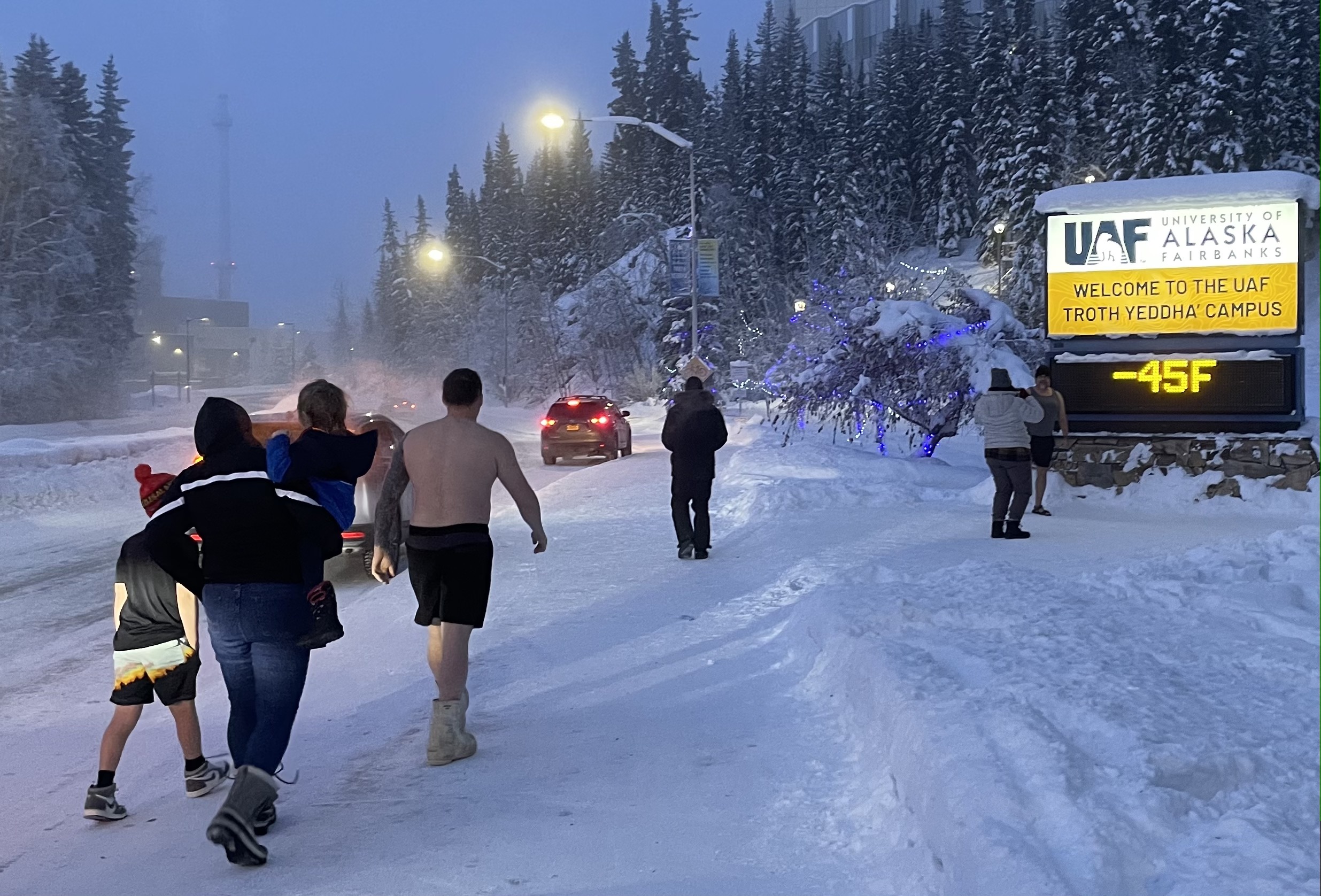
Journeying inland, the climate transitions to a continental one. Cities like Fairbanks, located in the heart of the interior, are renowned for their severe winters. Here, the absence of oceanic influence allows temperatures to plunge dramatically. It’s not uncommon for Fairbanks to experience sustained periods of -20°F to -40°F (-29°C to -40°C) from December through February, with record lows even colder. This intense cold also brings stunningly clear skies, making it a prime location for viewing the Northern Lights.
Further north, above the Arctic Circle, lies the Arctic region. Places like Utqiagvik (formerly Barrow), the northernmost settlement in the United States, endure the most extreme cold. Here, temperatures can remain below 0°F (-18°C) for months, often accompanied by fierce winds, making the “feel like” temperature much lower. This region experiences prolonged periods of darkness in winter, contributing to the intense cold.
Winter’s Deep Freeze: What to Expect
Winter in Alaska typically spans from late October to early April, with the coldest months being December, January, and February. During this time, travelers should anticipate daily temperatures across the state to be below freezing. Even in the relatively milder south-central regions, ice and snow are constant features. The interior’s deep freeze is a characteristic of the season, where daylight hours are short, often lasting only a few hours around the winter solstice. This sustained cold creates a unique landscape, with frozen rivers, snow-covered mountains, and often a crisp, dry air that can make the cold feel less penetrating than humid cold.
Transitional Seasons: Spring and Autumn’s Chill
While not as brutally cold as winter, Alaska’s spring (April-May) and autumn (September-October) also carry a distinct chill that travelers must respect. Spring sees a gradual thaw, with temperatures slowly climbing above freezing, leading to slushy conditions and the eventual re-emergence of greenery. Early spring can still bring significant snowfall and sub-freezing temperatures, especially at higher elevations or further north. Autumn, conversely, ushers in vibrant fall foliage before the onset of winter. Temperatures steadily drop through September and October, often hovering in the 20s and 30s Fahrenheit (-7°C to 4°C), with the first heavy snows typically arriving by late October in many areas. These shoulder seasons offer unique beauty and fewer crowds but still demand proper cold-weather attire.
The Impact of Cold on Alaskan Travel Experiences
The pervasive cold fundamentally shapes the travel experience in Alaska, dictating not only what one wears but also what activities are possible, how destinations are accessed, and the pace of exploration. Far from being a deterrent, the cold enables a host of unique adventures that draw visitors from around the globe.
Activities Thriving in the Cold
For many, the cold is the very reason to visit Alaska. Winter sports flourish, including world-class cross-country and downhill skiing opportunities at resorts near Anchorage and Fairbanks. Ice skating, snowshoeing, and snowmobiling (snowmachining, as locals call it) are popular pastimes. The iconic Northern Lights (Aurora Borealis) are best viewed during the long, dark, and clear winter nights, especially in the interior, where light pollution is minimal. Dog sledding, from short tours to witnessing the legendary Iditarod Trail Sled Dog Race, offers an authentic taste of Alaskan heritage and thrills. Ice fishing on frozen lakes, exploring ice caves, or simply enjoying the tranquil beauty of a snow-covered wilderness are all enhanced by the season’s chill.
Challenges and Considerations for Winter Visitors
While exhilarating, cold-weather travel in Alaska presents distinct challenges. Reduced daylight hours mean less time for outdoor activities and require careful planning. Road conditions can be treacherous, with ice and heavy snow common, necessitating vehicles equipped with four-wheel drive and studded tires. Many seasonal businesses and attractions, particularly in more remote areas like Denali National Park, either close or operate on a limited schedule during winter. Flights can be delayed or canceled due to weather, making flexible travel plans essential. The extreme cold can also drain electronic device batteries quickly, affecting phones, cameras, and navigation tools. Furthermore, prolonged exposure without proper gear can lead to frostbite or hypothermia, making vigilance and preparation non-negotiable.
Safety First: Navigating Extreme Temperatures

Safety in Alaskan cold involves a multi-faceted approach. Beyond dressing appropriately, it’s crucial to stay hydrated and well-fed, as your body expends more energy to stay warm. Always inform someone of your travel plans, especially when venturing into remote areas. Carry emergency supplies, including extra layers, food, water, a first-aid kit, and communication devices. Be aware of the signs of frostbite and hypothermia, both in yourself and your companions. Consider taking a guided tour for certain activities, as local experts are invaluable for navigating the terrain and conditions safely. When driving, maintain a full tank of gas, carry an emergency car kit (jumper cables, shovel, sand/cat litter for traction), and check road conditions regularly before departure. Embracing the cold safely means respecting its power and preparing thoroughly.
Essential Gear and Preparation for Alaskan Conditions
To truly enjoy Alaska in its colder months, the right gear isn’t just recommended—it’s absolutely essential. Think of it as your armor against the elements, allowing you to immerse yourself in the beauty without succumbing to the chill.
Layering Strategies: The Key to Warmth
The fundamental principle of staying warm in Alaska is layering. This allows you to add or remove clothing as activity levels or temperatures change, preventing both overheating and chilling.
- Base Layer: A moisture-wicking synthetic or merino wool layer against your skin is crucial to pull sweat away, keeping you dry and warm. Avoid cotton, as it absorbs moisture and loses its insulating properties when wet.
- Mid-Layer: This layer provides insulation. Fleece jackets, down vests, or heavier wool sweaters work well to trap body heat. You might wear one or two mid-layers depending on the temperature and your activity level.
- Outer Layer: A waterproof and windproof jacket and pants (often called “shells”) are vital. These protect against snow, rain, and Alaska’s’s often biting winds. For extreme cold, a heavy, insulated parka designed for Arctic conditions is indispensable.
Protecting Extremities: Hands, Feet, and Head
Your hands, feet, and head lose heat rapidly, making their protection paramount.
- Head: A warm hat covering your ears is a must. Balaclavas or neck gaiters offer additional face and neck protection, especially important in windy conditions.
- Hands: A two-part system is ideal: thin liner gloves for dexterity, worn underneath waterproof and insulated mittens. Mittens are generally warmer than gloves because they allow your fingers to share warmth.
- Feet: Insulated, waterproof boots are critical. Look for boots rated for extreme cold (e.g., -40°F/-40°C) with good traction. Wear wool or synthetic thermal socks; multiple thin layers of socks are often better than one thick pair. Carry extra socks to change if yours get damp.
Vehicle and Accommodation Preparedness
Even if you’re not planning extended outdoor excursions, consider your transport and lodging.
- Vehicles: If renting a car, ensure it has a block heater and winter tires. Many Alaskan vehicles are equipped with block heater plugs, which you’ll need to use overnight when temperatures drop significantly to ensure the engine starts. In places like Fairbanks or areas along the Alaska Range, electrical outlets are common in parking lots for this purpose. Carry an emergency kit in your vehicle, including blankets, food, a first aid kit, jumper cables, and a shovel.
- Accommodation: While most hotels and cabins are well-heated, choosing accommodations that offer easy access to activities or town centers can be beneficial, minimizing time spent exposed to the cold during commutes. Consider properties with amenities like heated garages or carports. For rustic stays in locations like [Talkeetna]https://lifeoutofthebox.com/talkeetna) or near the Kenai Peninsula, understand heating sources and ensure they are sufficient.
Real-Time Weather Resources and Planning Your Trip
Effective planning for an Alaskan adventure hinges on accurate and up-to-date weather information. Being able to check current conditions and forecasts allows for informed decisions and itinerary adjustments.
Best Websites and Apps for Current Conditions
Reliable weather resources are your best friends in Alaska.
- National Weather Service (NWS) Alaska: The official source for weather information, including advisories, warnings, and detailed forecasts for specific regions and cities like Seward or Nome. Their website provides highly localized and accurate data.
- AccuWeather and The Weather Channel: These popular apps and websites offer user-friendly interfaces with hourly and 10-day forecasts, often including “real feel” temperatures, which are particularly useful in cold, windy conditions.
- Aurora Forecast Apps: For those chasing the Northern Lights, specialized apps that predict aurora activity (Kp-index) and cloud cover are indispensable. These often integrate with local weather data to give you the best viewing odds.
Always check multiple sources, and pay close attention to wind chill values, which can make a 20°F day feel like -10°F.
Consulting Local Experts and Tour Operators
Local knowledge is invaluable. When planning specific activities, especially in more remote areas like the Brooks Range, consult with Alaskan tour operators, guides, and visitor centers. They can provide real-time insights into trail conditions, ice thickness, localized microclimates, and any specific gear requirements for their tours. They often have the most up-to-the-minute information on localized weather phenomena and safety considerations that may not be broadly covered by general weather forecasts. Don’t hesitate to call ahead and ask detailed questions.
Flexibility and Adaptability in Alaskan Itineraries
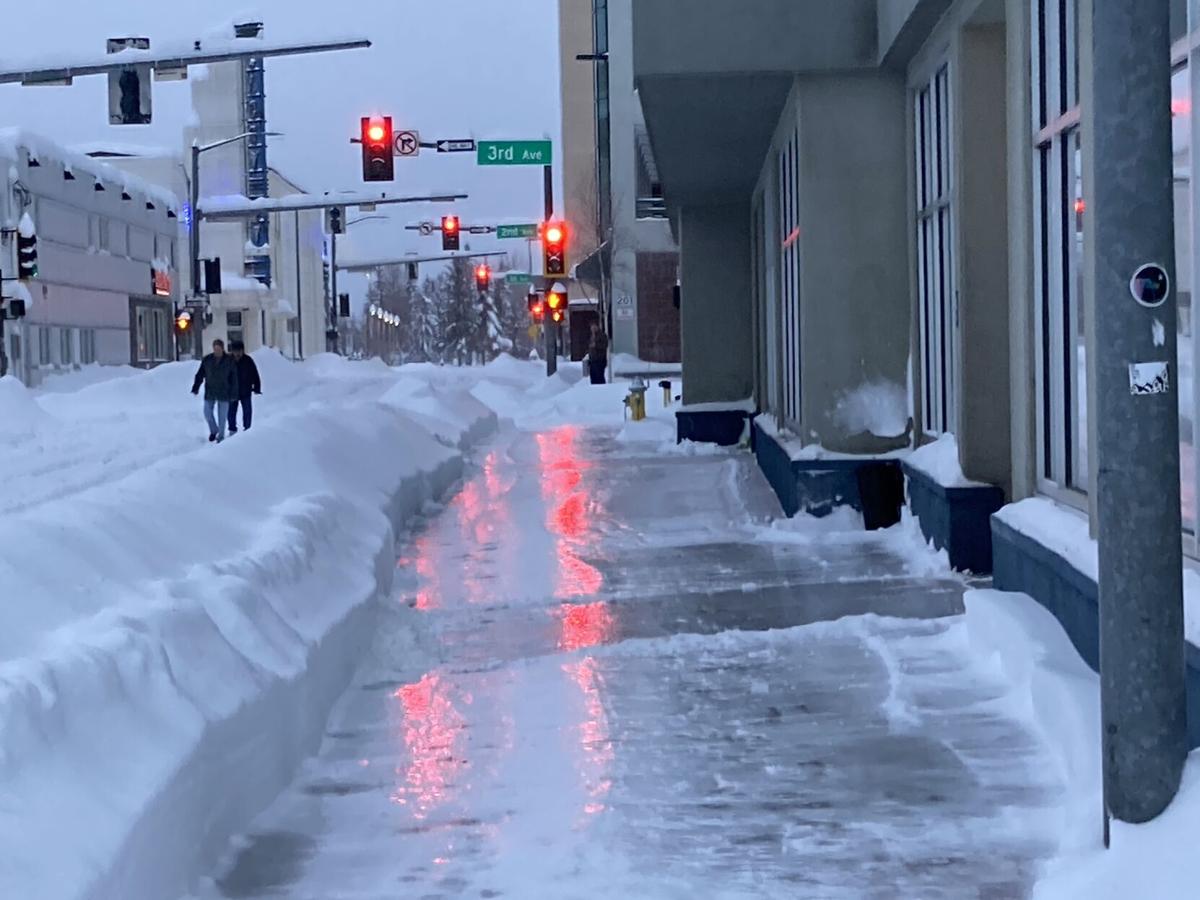
Given Alaska’s dynamic weather, flexibility is a virtue. Be prepared to adjust your plans. A sudden snowstorm might close a road, or a clear night might shift your focus to aurora viewing rather than an indoor activity. Build buffer time into your itinerary, especially for travel days. Having backup indoor activities or alternative plans for particularly cold or stormy days ensures that your trip remains enjoyable, regardless of what the weather brings. Embrace the unexpected; sometimes the most memorable Alaskan experiences come from adapting to its wild and untamed nature.
In conclusion, “How cold is it in Alaska right now?” is a question that opens the door to understanding the state’s incredible diversity and the unique preparations required for an authentic Alaskan adventure. While the cold can be extreme, with proper planning, gear, and respect for the environment, it transforms from a challenge into an integral part of an unforgettable travel experience.
LifeOutOfTheBox is a participant in the Amazon Services LLC Associates Program, an affiliate advertising program designed to provide a means for sites to earn advertising fees by advertising and linking to Amazon.com. Amazon, the Amazon logo, AmazonSupply, and the AmazonSupply logo are trademarks of Amazon.com, Inc. or its affiliates. As an Amazon Associate we earn affiliate commissions from qualifying purchases.