
Reaching Alaska, the USA’s largest and northernmost state, is an adventure in itself. Known for its breathtaking wilderness, majestic glaciers, abundant wildlife, and unique cultural tapestry, Alaska beckons travelers seeking unparalleled experiences. However, its geographical isolation means that planning your journey requires careful consideration of various transportation modes, each offering a distinct perspective on the Last Frontier. Whether you prioritize speed, scenic grandeur, cost-effectiveness, or the thrill of an epic road trip, understanding your options is the first step toward an unforgettable Alaskan escapade. This guide delves into the primary ways to access Alaska, outlining the practicalities and unique benefits of each.
By Air: The Fastest Route North
For many, flying is the most practical and time-efficient method to reach Alaska, especially for those with limited vacation time or specific inland destinations in mind. The journey offers stunning aerial views of vast landscapes, often including glimpses of the Canadian Rockies or the rugged Alaskan coastline.
Major Entry Points
The state’s two primary international airports serve as the main gateways for air travelers:
- Anchorage (Ted Stevens Anchorage International Airport – ANC): As Alaska’s largest city, Anchorage boasts the busiest airport, offering the widest range of domestic and international connections. Most major USA airlines, along with several Canadian carriers, operate regular flights here. From Anchorage, travelers can easily access other parts of the state via regional flights, rental cars, or the Alaska Railroad.
- Fairbanks (Fairbanks International Airport – FAI): Situated further north in the interior, Fairbanks is an ideal entry point for those aiming to explore areas like Denali National Park or experience the Aurora Borealis. It offers direct flights from several major USA cities, though fewer than Anchorage.
- Juneau ( Juneau International Airport – JNU): For destinations in Southeast Alaska, the capital city of Juneau is the main hub. Due to the challenging terrain of the region, Juneau is largely inaccessible by road from the rest of Alaska or the lower 48 states, making air travel or sea travel the predominant options.
Airline Connections and Practicalities
Direct flights to Anchorage are available from major USA cities like Seattle, Portland, Denver, Minneapolis, Chicago, and Houston, among others. During the peak summer season, frequency increases, and additional routes may be introduced. From Canada, Vancouver typically offers direct connections.
When planning air travel, consider that regional flights within Alaska often involve smaller aircraft and can be weather-dependent. Booking well in advance, especially for summer travel, is highly recommended to secure better fares and availability. Baggage allowances and fees should also be reviewed, as outdoor gear can quickly add up.
By Sea: Cruising the Majestic Coastline
Traveling by sea offers a distinctly different experience, transforming the journey into a luxurious exploration of Alaska’s coastal wonders. Cruising is particularly popular for accessing the state’s magnificent tidewater glaciers, abundant marine life, and charming port towns.
Popular Cruise Routes
The vast majority of Alaskan cruises focus on two primary regions:
- The Inside Passage: This iconic route is a sheltered labyrinth of islands, fjords, and coastal mountains stretching from Seattle, Washington, or Vancouver, British Columbia, up to Southeast Alaska. Cruises typically visit ports such as Juneau, Skagway, Ketchikan, and Sitka, offering excursions like whale watching, glacier viewing, and bear spotting. These are often roundtrip voyages lasting 7-14 days.
- Gulf of Alaska Cruises: These itineraries typically sail one-way between Vancouver or Seattle and Anchorage (or nearby ports like Seward or Whittier). They cover portions of the Inside Passage before venturing into the more open waters of the Gulf of Alaska, often featuring glacier bays like Hubbard Glacier or Glacier Bay National Park. These cruises are popular for combining with land tours into the interior of Alaska.
Cruise season generally runs from late April to late September, with peak demand in July and August. Different cruise lines offer a range of experiences, from large luxury liners with extensive amenities to smaller expedition ships designed for more intimate wildlife encounters.
Alaska Marine Highway System (AMHS)
For a more authentic, less commercial maritime experience, the Alaska Marine Highway System (AMHS), often called the “Blue Canoe,” provides a vital ferry service. This state-operated system links 33 coastal communities throughout Southeast, Southcentral, and Southwest Alaska, as well as connecting to Bellingham, Washington, and Prince Rupert, British Columbia.
Unlike traditional cruises, the AMHS is primarily a transportation system for residents and independent travelers, allowing passengers to bring their vehicles (cars, RVs, bikes) onboard. While amenities are more basic, the journey offers incredible scenery, flexibility for island-hopping, and opportunities to interact with locals. Passengers can book cabins for overnight segments or even camp on the deck. It’s a fantastic option for those seeking a deeper dive into Alaska’s coastal communities and a unique travel adventure.
By Road: The Epic Overland Journey
Embarking on a road trip to Alaska is the ultimate adventure for many, offering unparalleled freedom and immersion in the vast wilderness of the North American continent. It’s a journey not just to Alaska, but through it, traversing thousands of miles of diverse landscapes.
The Alaska Highway (Alcan)
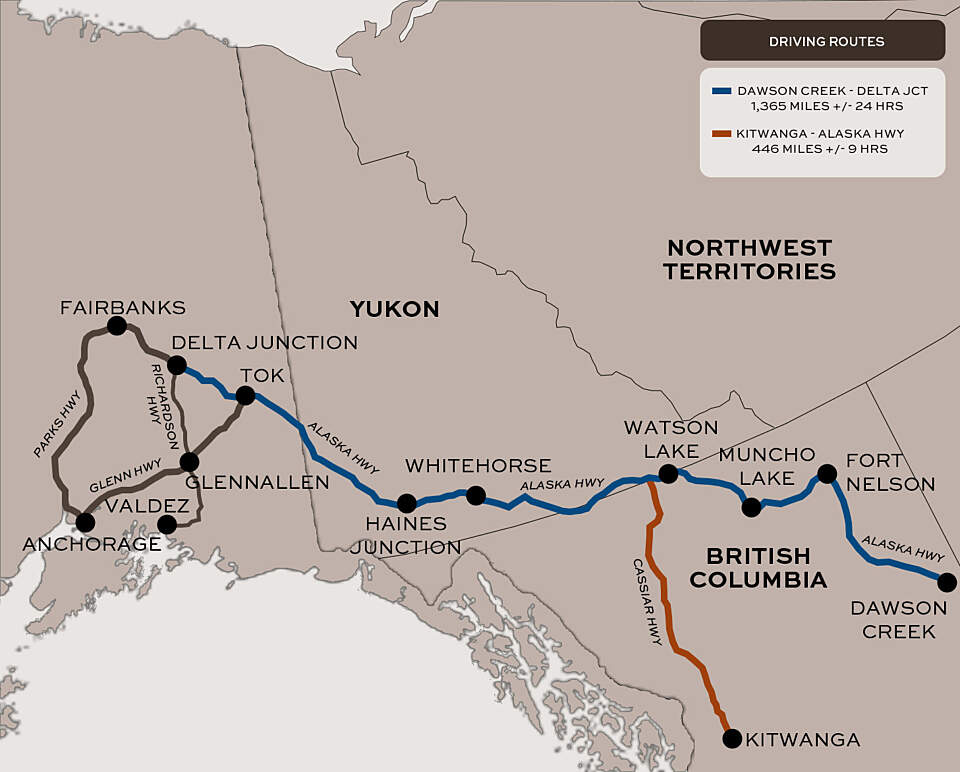
The legendary Alaska Highway is the primary overland route to the state. Constructed during World War II, this roughly 1,397-mile (2,237 km) marvel begins in Dawson Creek, British Columbia, Canada, and stretches through the Yukon Territory, concluding in Delta Junction, Alaska. From Delta Junction, travelers can continue on to Fairbanks or Anchorage.
The highway is now fully paved and well-maintained, though some gravel sections may be encountered, especially on feeder roads or due to construction. The journey typically takes 3-7 days of dedicated driving, depending on starting point and desired pace, plus time for sightseeing. Highlights include abundant wildlife viewing opportunities, hot springs, stunning mountain vistas, and charming small towns along the way.
Preparation and Practicalities for Road Trippers
A successful Alaskan road trip demands thorough preparation:
- Vehicle Readiness: Ensure your vehicle is in excellent condition. Check tires (including a full-sized spare), brakes, fluids, battery, and lights. Carry an emergency kit, extra fuel, and basic tools.
- Documentation: Have valid passports (for all travelers, including children) and necessary vehicle registration and insurance for crossing the USA-Canada border. Be aware of customs regulations regarding food, firearms, and other items.
- Fuel and Supplies: While services are available along the highway, distances between towns can be significant. Plan your fuel stops and carry snacks, water, and emergency rations. Cell phone service can be spotty, so consider a satellite phone or other communication device for emergencies in remote areas.
- Accommodation: Book accommodations in advance, especially during peak season, as options can be limited in smaller communities. Many travelers opt for camping or RV travel for greater flexibility.
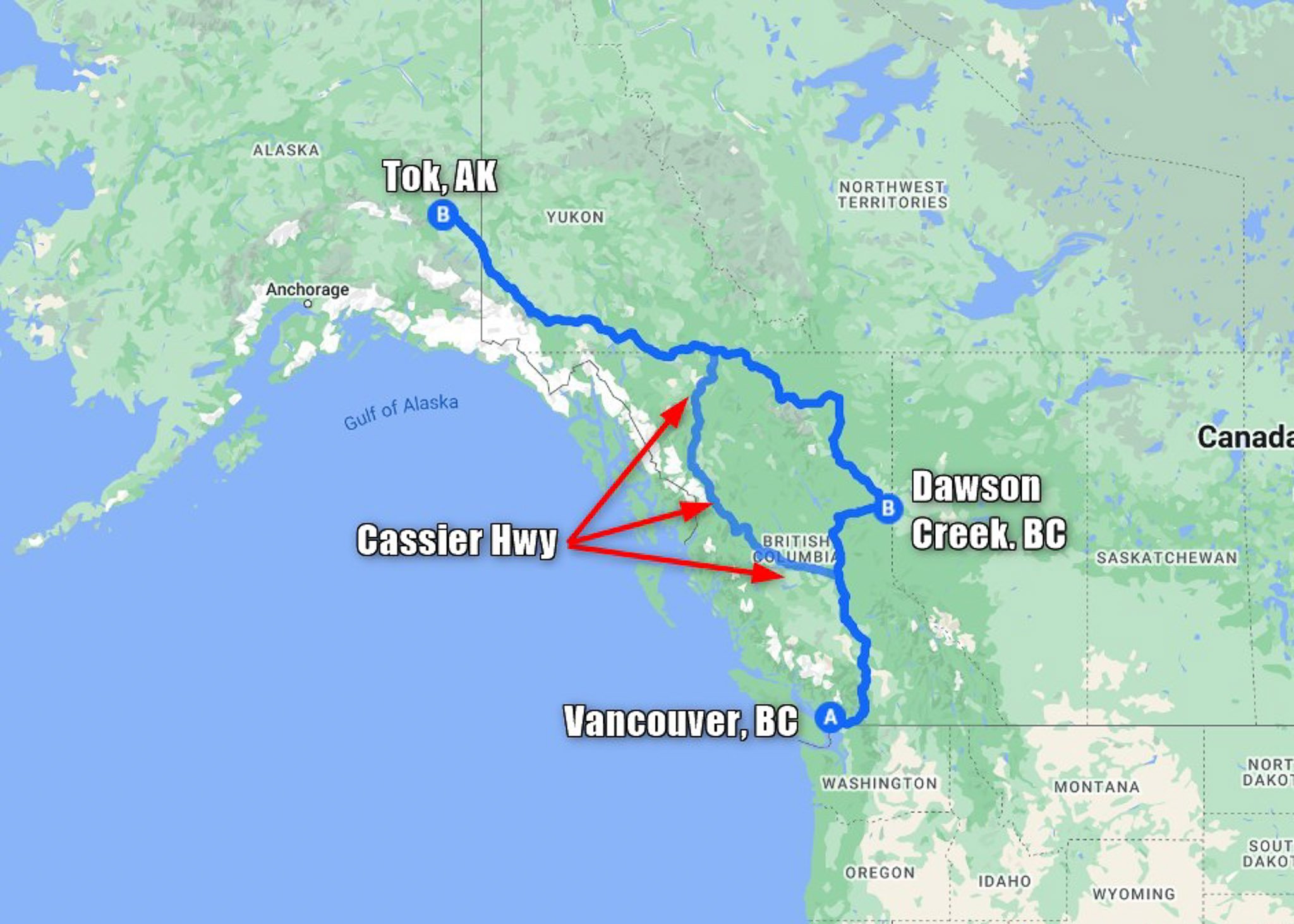
- Alternative Routes: Besides the main Alaska Highway, adventurous drivers might consider the Cassiar Highway (Highway 37) in British Columbia, which offers a more remote and rugged experience before connecting to the Alaska Highway near Watson Lake, Yukon. For those heading to Southeast Alaska, driving to Haines or Skagway via the Yukon and then taking the AMHS ferry is another popular option.
By Rail: Scenic Journeys (Mostly Within Alaska)
While there isn’t a direct passenger rail service to Alaska from the lower 48 states or Canada, train travel plays a significant role in experiencing the state once you arrive.
The Alaska Railroad
The Alaska Railroad offers one of the most scenic ways to travel within Alaska, providing access to remote areas and breathtaking landscapes otherwise unreachable by road. Its main lines connect:
- Anchorage to Seward: This coastal route, known as the Coastal Classic, is renowned for its stunning views of the Cook Inlet, glaciers, and diverse wildlife.
- Anchorage to Fairbanks: The Denali Star route is a popular choice for accessing Denali National Park (via the Talkeetna or Denali Park stops) and continues north to Fairbanks.
- Other Routes: The Glacier Discovery route offers access to sites like the Spencer Glacier Whistle Stop and Whittier, popular for cruise transfers.
The Alaska Railroad is an integral part of many independent travel itineraries and cruise/land tour packages, offering a comfortable and immersive way to witness Alaska’s interior beauty. Travelers often combine air travel to Anchorage or Fairbanks with scenic train segments.
Choosing Your Adventure: Factors to Consider
Deciding how to get to Alaska depends largely on your priorities, budget, and desired travel experience.
Time and Budget
- Flights: Generally the fastest option, saving valuable travel days, but often the most expensive, particularly during peak season. Budget airlines can offer competitive fares but may have more restrictive terms.
- Cruises: Offer good value, as they often include accommodation, meals, and entertainment in one price. However, they are slower than flying and may not allow for extensive independent exploration on land.
- Road Trip: Can be the most budget-friendly if you own an efficient vehicle and plan to camp or stay in modest accommodations. However, consider fuel costs, vehicle wear and tear, and the significant time commitment.
- Ferries (AMHS): A cost-effective alternative to traditional cruises, especially if you bring your own vehicle and opt for deck camping. It requires flexibility and a relaxed pace.
Experience and Destination
- Coastal Exploration & Glaciers: Cruising or taking the AMHS is ideal for experiencing Alaska’s stunning coastal fjords, glaciers, and marine wildlife.
- Inland Wilderness & Flexibility: A road trip allows for unparalleled freedom to explore the interior, venture off the beaten path, and linger in places that captivate you. It’s perfect for accessing national parks and wilderness areas.
- Specific Destinations: If your primary goal is to reach a particular city like Fairbanks or a specific lodge, flying directly to the nearest airport is usually the most efficient.

Seasonality
- Summer (May-September): This is peak travel season, with all modes of transport fully operational, maximum daylight, and the best weather for outdoor activities. Flights are frequent, cruises are sailing, and the Alaska Highway is clear.
- Winter (October-April): Travel options are more limited. Cruise lines mostly cease operations, and road conditions can be challenging with snow and ice, though the Alaska Highway is open year-round. Flights are available but may have reduced schedules, and regional travel can be more susceptible to weather delays. However, winter offers unique experiences like the Northern Lights and winter sports.
Ultimately, getting to Alaska is an integral part of the adventure. Each mode of transport presents a unique lens through which to appreciate the grandeur and remoteness of this extraordinary destination. By carefully considering your preferences, you can choose the journey that best aligns with your vision of the ultimate Alaskan experience.
LifeOutOfTheBox is a participant in the Amazon Services LLC Associates Program, an affiliate advertising program designed to provide a means for sites to earn advertising fees by advertising and linking to Amazon.com. Amazon, the Amazon logo, AmazonSupply, and the AmazonSupply logo are trademarks of Amazon.com, Inc. or its affiliates. As an Amazon Associate we earn affiliate commissions from qualifying purchases.