
The question of how far Alaska is from Russia often conjures images of vast, uninhabited expanses, but the reality is surprisingly intimate. Separated by the narrow Bering Strait, these two colossal landmasses are closer than many people imagine, offering a unique geographical crossroads with profound historical, ecological, and potential travel significance. This close proximity creates a fascinating frontier where continents, cultures, and climates converge, presenting an unparalleled area for intrepid travelers and those with a keen interest in global geography.
The Astonishing Proximity: Bridging Continents
At its closest point, the distance between the United States (specifically Alaska) and Russia is a mere 55 miles (88 kilometers). This is the shortest distance across the Bering Strait, a maritime passage that has captured the imagination of explorers, scientists, and political strategists for centuries. For many, this narrow gap represents not just a physical distance, but a symbolic gateway between East and West, past and present.

The Bering Strait: A Narrow Passage
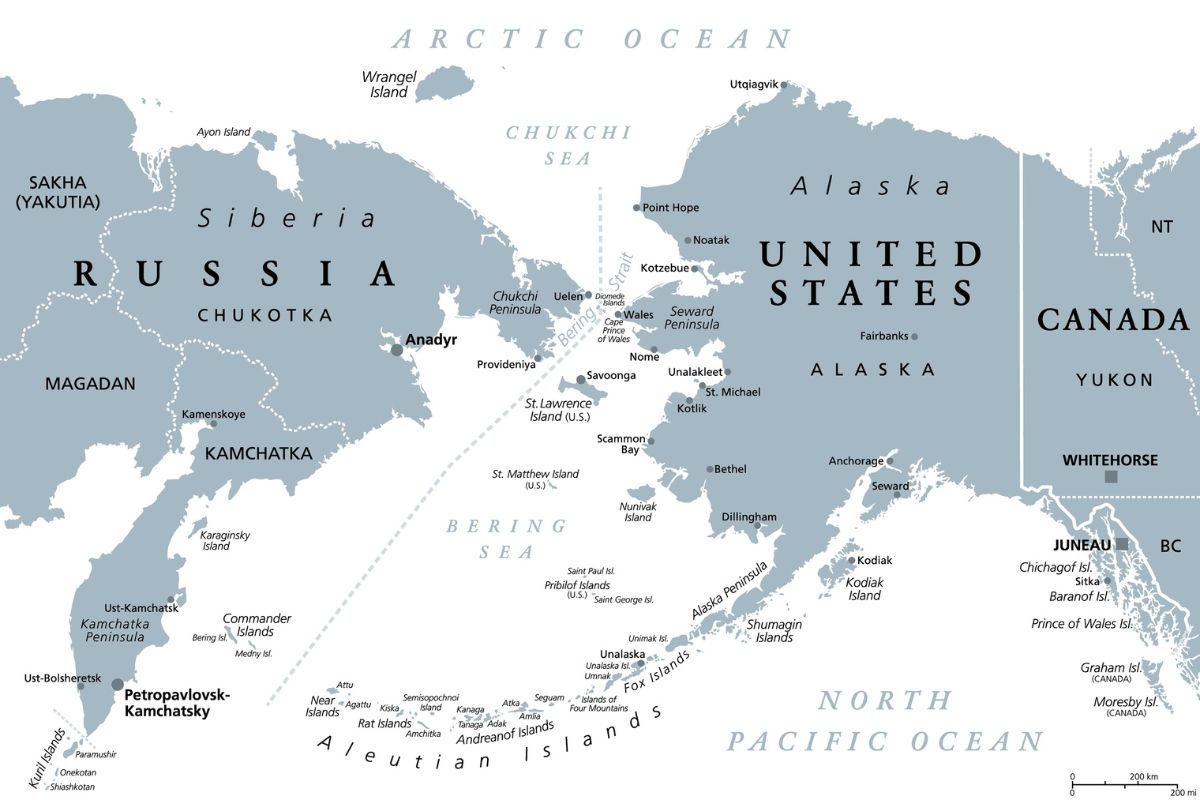
The Bering Strait is a sea strait connecting the Pacific Ocean and Arctic Ocean, specifically separating the Chukotka Peninsula of Russia (in Siberia) from the Seward Peninsula of Alaska. While 55 miles is the total width, the most captivating aspect of this proximity involves the Diomede Islands. These two small, rocky islands sit squarely in the middle of the strait, acting as stepping stones across the vast expanse of water.
The Diomede Islands: Sentinels of the Strait
The Diomede Islands consist of two distinct landmasses: Big Diomede (also known as Ratmanov Island), which belongs to Russia, and Little Diomede (also known as Krusenstern Island), which belongs to the United States. These two islands are separated by an incredibly short distance of approximately 2.4 miles (3.8 kilometers). This minuscule gap is not only a geographical marvel but also holds a unique temporal distinction: the International Date Line runs precisely between them. This means that Big Diomede is almost a full day ahead of Little Diomede, earning them the nicknames “Tomorrow Island” and “Yesterday Island,” respectively. From Little Diomede, one can literally gaze across to Russia and into tomorrow.
A Journey Through Time: Historical and Cultural Connections
The close proximity of Alaska and Russia across the Bering Strait has profoundly shaped the history and cultures of both regions, long before modern nation-states defined borders.
Ancient Migrations: The Bering Land Bridge
Perhaps the most significant historical chapter attributed to this proximity is the existence of the Bering Land Bridge. During the last ice age, when sea levels were considerably lower, a vast landmass emerged, connecting Siberia to Alaska. This “bridge” was not merely a narrow strip but a vast plain, hundreds of miles wide, through which early human populations migrated from Asia into the Americas. These Paleo-Siberians were the ancestors of Indigenous peoples across North and South America, making the Bering Strait the cradle of a continent’s population. Understanding this ancient migratory route is crucial for comprehending the deep historical connections that bind these seemingly distant lands.
Cold War Tensions and the “Ice Curtain”
In more recent history, the Bering Strait transformed from a bridge into a barrier, becoming a symbolic and literal frontier during the Cold War. The “Ice Curtain” descended across the strait, effectively severing connections between communities that had once shared trade routes, family ties, and cultural practices. Travel between Alaska and Siberia, once a natural occurrence, became virtually impossible. This period underscored the geopolitical significance of the region, where the proximity of two superpowers created an area of intense strategic interest and restricted movement.
Indigenous Peoples: Shared Heritage Across Borders
Despite political divisions, the Indigenous peoples of the Bering Strait region—primarily Yupik and Inupiat communities—maintain a deep, shared heritage. Historically, they traversed the frozen strait, hunted together, and traded goods. Their languages, traditions, and subsistence practices often bridge the modern geopolitical divide. While the “Ice Curtain” posed immense challenges, the cultural resilience of these groups highlights the enduring human connection across this unique maritime boundary. For travelers interested in anthropology and cultural preservation, exploring the traditions of the Alaska Native communities in villages like Wales or Little Diomede offers a profound insight into this shared history.
The Modern Traveler’s Perspective: Exploring the Edges
For the adventurous traveler, the notion of standing on the edge of America and looking across to Russia is an alluring prospect. While cross-strait travel remains highly restricted, experiencing the unique geography and culture of this remote region is an unforgettable adventure.
Visiting Alaska’s Westernmost Frontier
Exploring the Alaskan side of the Bering Strait typically involves journeying to Nome or the smaller, more remote villages further west, such as Wales on the Seward Peninsula. Nome, famous for the Iditarod Trail Sled Dog Race finish line, serves as a hub for air travel into these isolated areas. From certain vantage points along the coast, particularly near Point Spencer or the Diomede Islands themselves (accessible only via specialized permits and difficult logistics), the distant outline of Russia can be seen on a clear day. Expeditions often involve small aircraft or specialized ice-strengthened vessels during the warmer months, offering breathtaking views of the raw, untamed Arctic landscape and its unique wildlife.
The Enigma of Russia’s Chukotka Peninsula
Accessing the Russian side, specifically the Chukotka Autonomous Okrug, is significantly more challenging due to stringent visa and permit requirements. However, for those who manage to navigate the bureaucracy, Chukotka offers an even more untouched and wild Arctic experience. Towns like Anadyr and Provideniya serve as entry points, providing glimpses into traditional Chukchi and Yupik cultures. The landscapes are vast, dramatic, and teeming with unique Arctic wildlife, making it a dream destination for extreme adventure travelers and wildlife photographers.
Potential for Future Cross-Strait Expeditions
While an official “Bering Strait Bridge” or tunnel remains a futuristic dream, the idea of reconnecting the continents for commercial or even tourist purposes occasionally resurfaces. Currently, direct civilian travel between the two sides of the strait is highly restricted. However, for a few adventurous souls and researchers, small, specialized expeditions by boat or even walking across the frozen sea ice (an extremely dangerous feat undertaken by a handful of individuals) have occurred, showcasing the human desire to bridge this iconic divide. The future might hold more opportunities for regulated, sustainable travel that honors both the sensitive environment and the local cultures.
Geographic Significance and Environmental Wonders
Beyond its human history, the Bering Strait is a region of immense ecological importance, influencing global climate and supporting a diverse array of Arctic life.
Ecological Diversity of the Bering Sea
The waters surrounding the strait, particularly the Bering Sea, are among the most productive marine environments in the world. They support vast populations of marine mammals such as whales, seals, and walruses, as well as an incredible abundance of seabirds. The seasonal freezing and thawing of sea ice play a critical role in this ecosystem, providing hunting grounds for predators and resting platforms for migratory species. For wildlife enthusiasts, a journey to this region offers unparalleled opportunities for viewing Arctic fauna in their natural habitat.
Climate Change and Its Impact on the Region
The Bering Strait is also on the front lines of climate change. Rising temperatures are causing rapid ice melt, affecting everything from traditional subsistence hunting practices of Indigenous communities to global ocean currents and weather patterns. Travelers to the region gain a firsthand perspective on these environmental shifts, witnessing the fragility and resilience of Arctic ecosystems. This profound natural drama adds another layer of significance to any visit to this remarkable part of the world.
Planning Your Exploration: Tips for Remote Travel
Traveling to the Bering Strait region, whether on the Alaskan or Russian side, requires meticulous planning and a spirit of adventure.
Logistics and Access
Access to these remote areas is primarily by air from major hubs like Anchorage or Fairbanks in Alaska, or from Moscow or Vladivostok in Russia to cities like Anadyr. Once there, smaller charter flights, boats, or snow machines (depending on the season) are the primary modes of local transportation. Infrastructure is minimal, and trips often involve staying in basic accommodations or even camping. Working with specialized Arctic tour operators is highly recommended to navigate the complexities of permits, transportation, and safety in such extreme environments.

Cultural Sensitivity and Respect
Given the deep history and active Indigenous communities in the Bering Strait region, cultural sensitivity is paramount. Visitors should educate themselves on local customs, traditions, and the challenges faced by Alaska Native and Siberian Indigenous groups. Engaging with communities respectfully, supporting local economies, and understanding the importance of subsistence living are crucial aspects of responsible travel in this unique cultural landscape.
The distance between Alaska and Russia might be small in miles, but it encompasses a vast tapestry of natural wonder, human history, and unparalleled adventure. For those seeking a journey to the very edge of the world, where continents almost touch, the Bering Strait offers an experience unlike any other.
LifeOutOfTheBox is a participant in the Amazon Services LLC Associates Program, an affiliate advertising program designed to provide a means for sites to earn advertising fees by advertising and linking to Amazon.com. Amazon, the Amazon logo, AmazonSupply, and the AmazonSupply logo are trademarks of Amazon.com, Inc. or its affiliates. As an Amazon Associate we earn affiliate commissions from qualifying purchases.