
Alaska, often referred to as “The Last Frontier,” captivates the imagination with its untamed wilderness, majestic glaciers, and unparalleled wildlife. For many aspiring travelers, the sheer scale of this northernmost United States state remains a mystery, yet it is arguably its most defining characteristic. Understanding Alaska’s vastness is not merely a matter of trivia; it is fundamental to appreciating its unique allure and planning an unforgettable journey. So, just how many square miles does this immense land encompass?
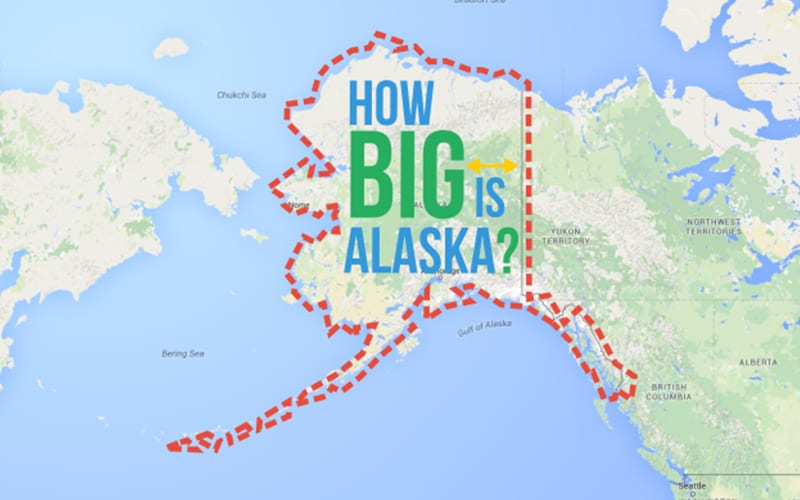
Alaska spans an incredible 665,384 square miles (approximately 1,723,337 square kilometers). This makes it by far the largest state in the United States, dwarfing every other state by a significant margin. This immense footprint dictates everything from its diverse ecosystems and sparse population to the logistics of travel and the very nature of an Alaskan adventure. For any traveler envisioning a trip to this grand wilderness, comprehending its scale is the first step towards truly understanding the destination.
The Staggering Scale of the Last Frontier
The numerical size of Alaska is astounding, but it truly comes into focus when put into perspective. It’s a land where distances are measured in days, not hours, and where the horizon stretches seemingly without end.
Unpacking the Numbers: [Alaska]’s Official Size
To break down Alaska’s total area of 665,384 square miles, it’s important to distinguish between its land area and water area. The land area alone accounts for approximately 571,951 square miles (1,481,348 square kilometers), while the remaining 93,433 square miles (241,988 square kilometers) are composed of internal waters, including lakes, rivers, and vast marine territories. This substantial water component underscores the importance of its extensive coastline, islands, and waterways to its geography and economy.
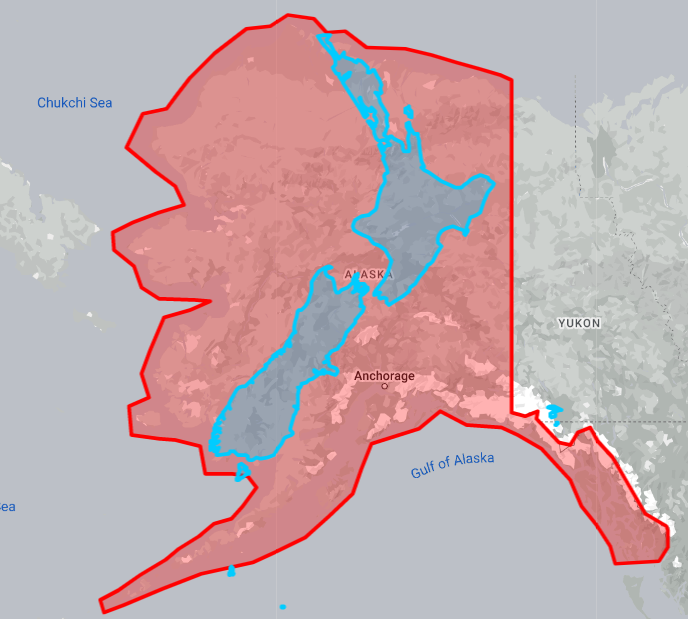
Compared to other nations, Alaska is larger than many sovereign countries. It’s bigger than France, Germany, and Spain combined, and larger than all but 18 of the world’s 195 countries. This fact alone highlights the extraordinary nature of Alaska as a destination.
Visualizing the Vastness: Comparisons that Astound
Simply stating the square mileage doesn’t always convey the true magnitude. To truly grasp Alaska’s size, it’s often compared to other, more familiar landmasses:
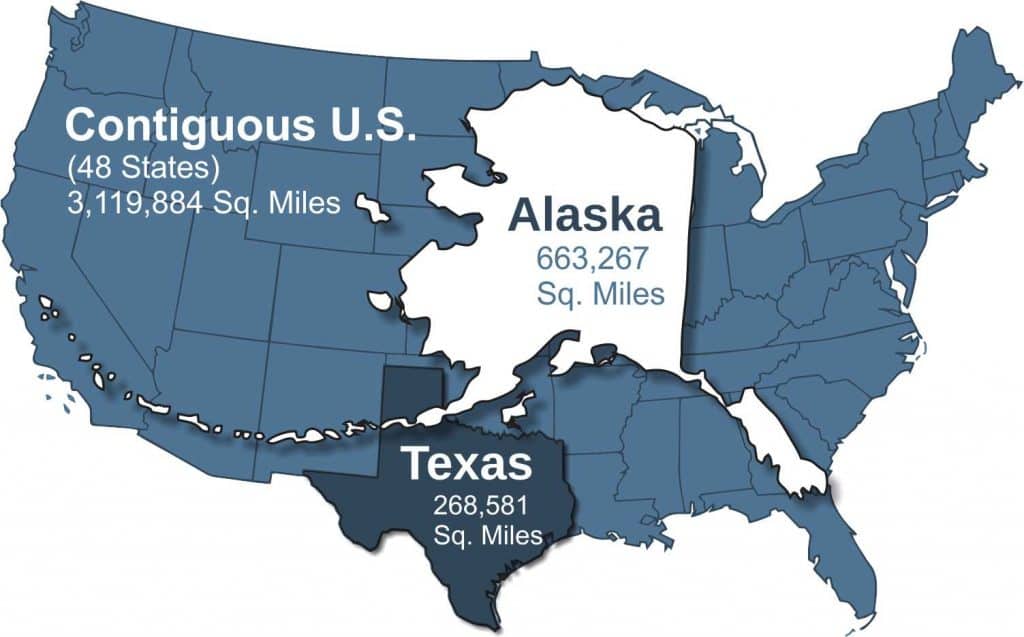
- Compared to the Contiguous United States: If you were to overlay a map of Alaska onto the lower 48 states, it would stretch from California to Florida and from Minnesota to Texas. Its sheer size is hard to comprehend without such a visual aid.
- The Largest of the Large: Alaska is roughly 2.5 times the size of Texas, the second-largest state. It’s larger than Texas, California, and Montana combined. This comparison often elicits gasps from those unfamiliar with its dimensions.
- Coastline King: Alaska boasts nearly 34,000 miles of coastline, including its islands. This is more coastline than all the other United States states combined, signifying the critical role of its marine environments and the prominence of coastal travel options like cruises.
These comparisons are not just statistics; they paint a vivid picture for the prospective traveler, setting expectations for the distances involved, the diversity of landscapes encountered, and the profound sense of wilderness that permeates every corner of the state.
Why [Alaska]’s Size Matters for Travelers
The immense scale of Alaska is not just a geographical fact; it’s a foundational element that shapes every aspect of a travel experience there. From itinerary planning to the types of activities available, its size is a constant, influential factor.
Planning Your Alaskan Adventure: Time and Distance
One of the most crucial considerations for any Alaskan traveler is the relationship between time and distance. Unlike more compact destinations where one might easily drive across a state in a day, traveling in Alaska requires a fundamental shift in perspective.
- Extended Itineraries: Due to the vast distances between attractions, a comprehensive Alaskan trip typically demands a longer itinerary. A week might allow for deep exploration of one region, but seeing multiple distinct areas usually requires two weeks or more. Travelers must resist the urge to cram too much into a short visit, as it often leads to more time spent in transit than enjoying the destination.
- Diverse Travel Modes: The sheer size necessitates a multi-modal approach to travel. While scenic road trips are popular in certain areas, many iconic destinations are simply unreachable by car. Bush planes, ferries, and trains become essential components of the Alaskan travel experience, each offering unique perspectives and access to remote wilderness.
- Strategic Hubs: Most travelers will base their exploration around key hubs like Anchorage in Southcentral Alaska or Fairbanks in Interior Alaska, flying into these cities and then branching out via smaller planes, rental cars, or organized tours.
Diverse Landscapes and Regions Across a Giant State
Alaska’s immense landmass contributes directly to its incredible geographical diversity. The state is typically divided into several distinct regions, each offering unique landscapes, climates, and travel experiences:
- Southeast Alaska (The Inside Passage): This panhandle region, accessible primarily by cruise ship or the Alaska Marine Highway System, is characterized by temperate rainforests, fjords, glaciers, and charming coastal towns like Juneau and Sitka. Its maritime climate is distinctly different from the interior.
- Southcentral Alaska: Home to Anchorage, the state’s largest city, and destinations like Seward and the Kenai Peninsula, this region offers a mix of mountains, glaciers, coastal waters, and accessible wilderness. It’s often a starting point for exploring Denali.
- Interior Alaska: Centered around Fairbanks, this region is known for its extreme seasonal temperature variations, vast taiga forests, and the towering presence of Denali, North America’s highest peak. It’s a prime location for aurora borealis viewing.
- Southwest Alaska: Remote and wild, this region includes the Alaska Peninsula, Kodiak Island, and the Aleutian Islands, famous for brown bears, volcanoes, and world-class fishing.
- Arctic Alaska: North of the Arctic Circle, this region is a vast tundra landscape, home to polar bears, caribou, and indigenous communities. It offers truly remote and unique expeditions.
The sheer land area allows for these vastly different environments to coexist within a single state, providing a spectrum of experiences that cater to almost any adventurous spirit.
The Sheer Scope of Wilderness and Wildlife Opportunities
Alaska’s tremendous size means that vast tracts of land remain untouched by human development. This pristine wilderness provides expansive habitats for an incredible array of wildlife, making it a premier destination for nature enthusiasts and wildlife photographers.
- Untamed Ecosystems: The state is home to some of the largest protected areas in the world, including Denali National Park and Preserve, Wrangell-St. Elias National Park and Preserve, and Gates of the Arctic National Park and Preserve. These immense parks ensure that ecosystems thrive largely undisturbed.
- Abundant Wildlife: This translates into unparalleled opportunities to see iconic Alaskan wildlife in their natural environment: grizzly and black bears, moose, caribou, wolves, eagles, whales, and seals. The sheer space allows animals to roam freely and maintain healthy populations, offering genuine wildlife encounters that are increasingly rare elsewhere.
- Solitude and Immersion: The vastness means that even in popular areas, it’s often possible to find solitude. For travelers seeking to disconnect and immerse themselves in nature, Alaska provides a profound sense of isolation and connection to the wild.
Navigating the Expansive Alaskan Terrain
Given the unparalleled distances and diverse landscapes, transportation and itinerary planning in Alaska are unlike anywhere else. Understanding these logistical challenges is key to a smooth and rewarding trip.
Modes of Transportation in a Land of Giants
Travelers to Alaska must often combine various modes of transport to experience different regions.
- Air Travel: Small aircraft, often called bush planes or air taxis, are the lifelines of Alaska, connecting remote communities and offering breathtaking scenic flights over mountains and glaciers. For many destinations, flying is the only practical option, providing unparalleled views and access to otherwise unreachable wilderness lodges and fishing camps.
- Alaska Marine Highway System (Ferries): This state-run ferry system is an attraction in itself, traveling along the scenic Inside Passage and connecting coastal towns that are often inaccessible by road. It’s a fantastic way to experience Southeast Alaska and offers a unique perspective on the state’s marine environment.
- Alaska Railroad: The Alaska Railroad provides a picturesque journey through Southcentral and Interior Alaska, linking cities like Seward, Anchorage, Talkeetna, and Fairbanks, with a crucial stop at Denali National Park. It’s a comfortable and scenic alternative to driving.
- Road Trips: While some areas, particularly in Southcentral Alaska and Interior Alaska, offer excellent road trip opportunities on well-maintained highways, the road network is surprisingly sparse for such a large state. Many popular destinations simply don’t have road access, making careful planning essential.
Overcoming Distance: Strategic Itinerary Planning
Given the challenges of distance, successful Alaskan travel requires strategic planning:
- Focus on Regions: Instead of trying to “see all of Alaska,” most travelers find it more rewarding to focus intensely on one or two distinct regions per trip. This allows for deeper immersion and reduces travel fatigue.
- Allocate Ample Time: Build in extra time for travel days between locations. What looks like a short distance on a map can often involve multi-hour drives, a flight, or an all-day ferry ride.
- Consider Guided Tours: For those who prefer a streamlined experience, all-inclusive guided tours can handle the complex logistics, combining flights, train travel, and ground transportation to efficiently cover key highlights. Cruises are also popular for exploring the coastal wonders of Southeast Alaska.
Beyond the Numbers: Experiencing [Alaska]’s Grandeur
Ultimately, the square mileage of Alaska isn’t just a number; it’s a testament to the state’s unparalleled grandeur and the unique experiences it offers. The vastness shapes perceptions, fosters specific lifestyles, and creates an environment where nature reigns supreme.
Embracing Solitude and Untamed Beauty
The immense size of Alaska ensures that true solitude is not just possible, but often unavoidable. For many travelers, this is the profound draw of the state. Whether hiking through a remote valley, kayaking a glacial lake, or simply standing at a scenic overlook, the feeling of being a small part of an enormous, untamed landscape is deeply moving. This sense of raw, untouched beauty is Alaska’s greatest asset and a direct consequence of its monumental scale.
The Impact on Local Culture and Communities
Alaska’s vastness also profoundly influences its human landscape. With a population density of just over one person per square mile, it is the most sparsely populated state in the United States. This leads to:
- Resilient Communities: Many Alaskan communities, particularly those off the road system, are highly self-sufficient and boast a unique, pioneering spirit. Travelers often encounter locals who are intimately connected to the land and adept at living in harmony with nature.
- Unique Cultural Fabric: The remoteness and diverse indigenous populations contribute to a rich and varied cultural fabric. From the coastal traditions of the Tlingit and Haida to the Inupiat cultures of the Arctic, Alaska’s size has allowed distinct cultural identities to thrive.
- Challenges and Opportunities: The vast distances present challenges for infrastructure and services but also create unique opportunities for adventure tourism, bush pilots, and a lifestyle deeply intertwined with the natural world.
In conclusion, when you ask “How many square miles are in Alaska?”, you’re asking about more than just a number. You’re inquiring about the fundamental character of a destination that defines itself by its breathtaking scale. This monumental size isn’t just a geographical fact; it’s the very canvas upon which every Alaskan adventure is painted, influencing travel logistics, shaping diverse landscapes, preserving vast wilderness, and offering a profound sense of awe that few other places on Earth can match. To travel Alaska is to journey through immensity, and the memories forged in its expansive embrace are as boundless as the state itself.
LifeOutOfTheBox is a participant in the Amazon Services LLC Associates Program, an affiliate advertising program designed to provide a means for sites to earn advertising fees by advertising and linking to Amazon.com. Amazon, the Amazon logo, AmazonSupply, and the AmazonSupply logo are trademarks of Amazon.com, Inc. or its affiliates. As an Amazon Associate we earn affiliate commissions from qualifying purchases.