
The allure of a substantial paycheck often draws individuals to professions demanding extraordinary grit and resilience. Among these, the world of Alaskan crab fishing stands out, not just for its inherent dangers and challenging conditions but also for the whispered tales of immense wealth. It’s a lifestyle often romanticized, yet deeply rooted in the harsh realities of the Bering Sea. Understanding the earnings of these fishermen means delving into a complex web of market forces, quotas, crew shares, and the sheer unpredictability of nature itself. This article explores the financial landscape of Alaskan crab fishermen, offering an insightful look into a unique and demanding lifestyle.
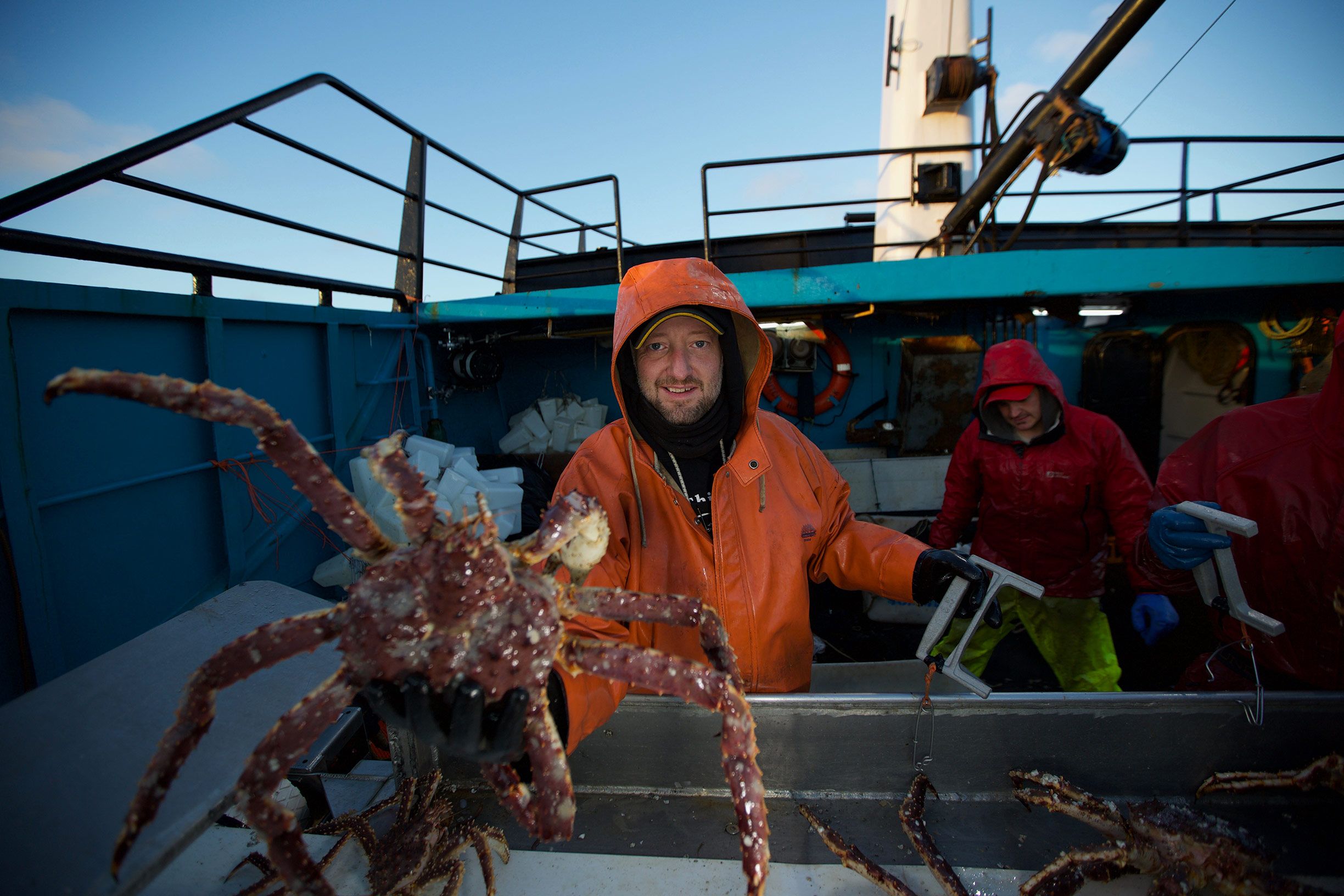
The Lure of the Bering Sea: Understanding a High-Stakes Profession
For generations, the crab fisheries of Alaska have represented a frontier of both opportunity and extreme peril. The promise of making a year’s wages in a matter of weeks or months fuels the arduous journeys, attracting a diverse cohort of individuals willing to brave some of the planet’s most unforgiving waters. This isn’t just a job; it’s a calling, a test of endurance, and a significant component of the broader Alaskan lifestyle that values self-reliance and the mastery of challenging environments.
A Glimpse into the Alaskan Crab Industry
The commercial crab fishing season in Alaska typically involves targeting species like King Crab (specifically Red King Crab and Golden King Crab) and Opilio Crab (often referred to as Snow Crab). These fisheries are meticulously managed by state and federal agencies to ensure sustainability, with strict quotas, seasons, and gear restrictions. The main hub for much of this activity is Dutch Harbor in the Aleutian Islands, a remote outpost that transforms into a bustling port during crabbing seasons.
The industry operates on a high-risk, high-reward principle. Boats venture out into treacherous conditions, setting and retrieving massive pots that can weigh hundreds of pounds. The work is physically punishing, requiring constant vigilance against rough seas, freezing temperatures, and mechanical failures. Yet, the potential for substantial earnings acts as a powerful motivator, drawing individuals from all walks of life to engage in this perilous dance with the ocean.
The Allure of Danger and Reward
The narrative surrounding Alaskan crab fishing often highlights its status as one of the most dangerous professions in the world. Fatalities, severe injuries, and the constant threat of hypothermia or being swept overboard are stark realities. This inherent danger, however, is inextricably linked to the potential for significant financial reward. For many, the high earnings justify the risks, providing a means to achieve financial goals that might be unattainable in more conventional careers. It’s a lifestyle where one’s physical and mental fortitude are directly correlated with their earning potential, fostering a unique sense of accomplishment and camaraderie among those who endure its trials.
Deciphering the Paycheck: Factors Influencing Income
The question of “how much” is rarely simple in the fishing industry, and Alaskan crab fishing is no exception. Unlike a salaried position, a fisherman’s income is highly variable, influenced by a multitude of factors ranging from environmental conditions to global market trends. Understanding these variables is key to grasping the true financial lifestyle of a crab fisherman.
Species and Quotas: The Golden King and Opilio
The type of crab being targeted significantly impacts potential earnings. For instance, Red King Crab from areas like Bristol Bay generally command the highest prices per pound due to their size and demand. Golden King Crab and Opilio Crab also contribute to the overall fishery but with different price points and catch limits.
Each season, government agencies establish Total Allowable Catch (TAC) limits for specific crab species. These quotas are then divided among vessel owners through individual fishing quotas (IFQs) or community development quotas (CDQs), directly limiting the amount of crab a boat can legally harvest. A good season for a boat means hitting its quota efficiently, maximizing the amount of high-value crab caught within the brief opening periods. A low quota year, regardless of market demand, means less crab to sell, impacting everyone’s earnings.
Market Dynamics and Ex-Vessel Prices
Once the crab is caught, its value is determined by the “ex-vessel price” – the price paid to the fishermen at the dock. This price fluctuates based on global supply and demand, economic conditions, and even geopolitical events. A strong market year, particularly with high demand from countries like Japan and South Korea, can drive prices up, significantly increasing a crew’s share. Conversely, a weak market can depress prices, making even a successful catch less lucrative. Fishermen are acutely aware of these market forces, as they directly translate into their take-home pay.
The Crew Share System vs. Boat Owners
The financial structure in crab fishing is typically based on a share system. After the boat’s expenses are covered (fuel, food, bait, gear repairs, insurance), the remaining profit is split. The boat owner usually takes the largest percentage, covering the massive investment in the vessel, permits, and maintenance. The captain receives a significant share, often 10-20% of the net, for their expertise, navigation, and leadership. The deckhands, who perform the bulk of the physically demanding and dangerous work, receive smaller, but still substantial, shares.
A greenhorn deckhand might start with a 1.5% to 3% share, while experienced deckhands could earn 5% or more. In a highly successful season for King Crab, an experienced deckhand might make anywhere from $30,000 to over $100,000 for a few weeks or months of work. For Opilio Crab, earnings might range from $15,000 to $50,000 or more per season, depending on the quota and market. Captains and boat owners, with their larger shares and responsibility, can earn several hundred thousand dollars, or even over a million in exceptional years, though they also bear the brunt of operational risks and liabilities. It’s crucial to remember these are gross figures before taxes and any personal expenses.
Operational Costs and Deductions
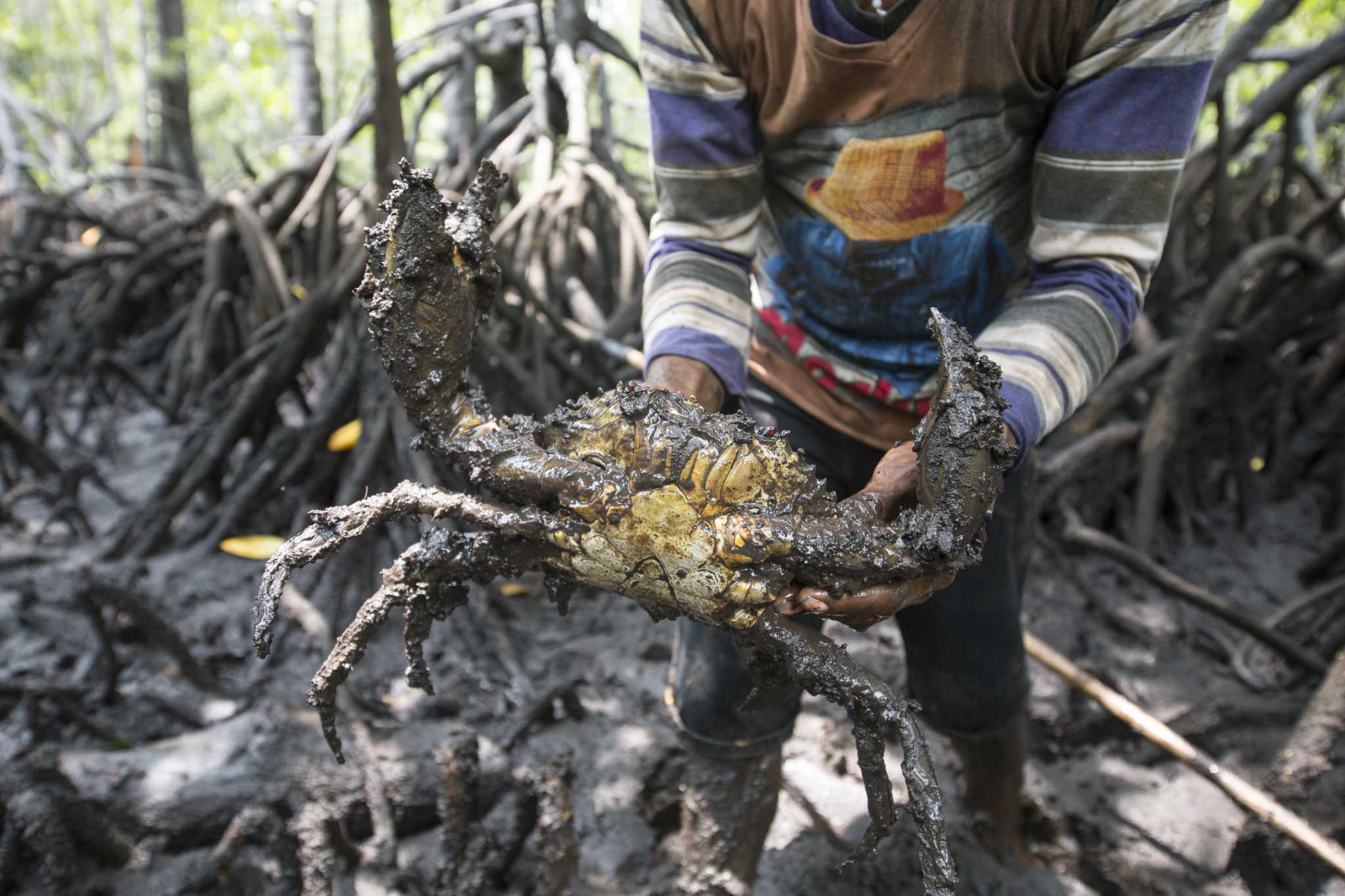
It’s not all profit. The high cost of operating a crab fishing vessel means significant deductions before shares are distributed. Fuel alone can be astronomical, especially with extended trips to distant fishing grounds. Food for the crew, bait for the pots, repairs to specialized equipment, dockage fees, and insurance premiums all eat into the gross earnings. A boat owner might face hundreds of thousands of dollars in expenses before anyone sees a dime. For the crew, their share is often their gross income, from which they must manage their own taxes and living expenses for the rest of the year. This makes smart financial planning a critical component of the Alaskan crab fisherman’s lifestyle.
The Reality of the Lifestyle: Beyond the Paycheck
While the potential for high earnings is a significant draw, the lifestyle of an Alaskan crab fisherman is far from glamorous. It’s a unique blend of extreme physical exertion, prolonged isolation, and intense mental pressure, demanding a particular type of individual to not just survive, but thrive.
Seasonality and Unpredictability
The crab fishing calendar is dictated by strict seasons, often lasting only a few weeks to a couple of months for each species. This means periods of intense, non-stop work followed by long stretches of downtime. Fishermen typically work 18-20 hour days during the season, with minimal sleep, constantly battling fatigue and the elements.
This seasonality creates an unpredictable income stream. A fisherman might have an incredibly lucrative King Crab season, followed by a less profitable Opilio Crab run, or even a season entirely shut down due to quota reductions or environmental factors. This financial uncertainty requires careful budgeting and often leads fishermen to seek other work during the off-season, whether in other fisheries, construction, or other temporary jobs.
Physical and Mental Demands
The physical toll of crab fishing is immense. Hauling pots, sorting crab, and maintaining gear in freezing spray and pitching seas demands peak physical condition. Injuries, from minor cuts and bruises to broken bones and amputations, are common. Hypothermia is a constant threat.
Mentally, the isolation, lack of sleep, cramped quarters, and constant danger test resilience. The pressure to perform, combined with the high stakes, can lead to significant stress. Developing coping mechanisms, fostering strong crew bonds, and maintaining a clear sense of purpose are vital for mental well-being in this demanding lifestyle.
Impact on Personal and Family Life
The long stretches away from home, often in remote locations with limited communication, can strain personal relationships. Families must adapt to the fisherman’s extended absences and the unpredictable nature of their return. For many, the financial rewards are weighed against the cost of missed birthdays, holidays, and everyday family life. This aspect of the lifestyle requires immense understanding and support from loved ones, making it as much a family commitment as an individual career choice.
Financial Planning and Off-Season Strategies
Given the concentrated and seasonal nature of their income, effective financial planning is paramount for Alaskan crab fishermen. Many use their earnings to pay off debts, make significant investments, or support their families through the entire year. Some invest in real estate, small businesses, or other ventures to create passive income. Others might work secondary jobs during the off-season to supplement their earnings and maintain a steady cash flow. The ability to manage large sums of money wisely and plan for the lean months is a defining characteristic of a successful fishing lifestyle.
Is It Worth the Risk? A Look at the Alaskan Fishing Lifestyle
The question of whether the substantial earnings justify the extreme risks and hardships is deeply personal. For many, the answer is a resounding yes, driven by a combination of financial aspirations, a love for the sea, and an unbreakable spirit of adventure.
The Upside: Potential for Substantial Earnings
Few professions offer the potential to earn five or even six figures in a few months, allowing individuals to pursue passions, raise families, or achieve financial independence more rapidly than in conventional careers. This opportunity is a powerful draw, enabling a lifestyle that might include extensive travel during the off-season, investment in land or businesses, or providing a comfortable life for one’s family. The money earned can be truly life-changing for those who seize the opportunity.
The Downside: Peril and Hardship
However, the stories of high earnings are inseparable from the tales of peril. The Alaskan crab fishing industry has a grim safety record, with fatalities and severe injuries occurring regularly. The physical and mental strain can lead to long-term health issues. The lifestyle is not for everyone; it demands an iron will, a high tolerance for discomfort, and an acceptance of constant danger. Many who try their hand at it do not return for a second season.
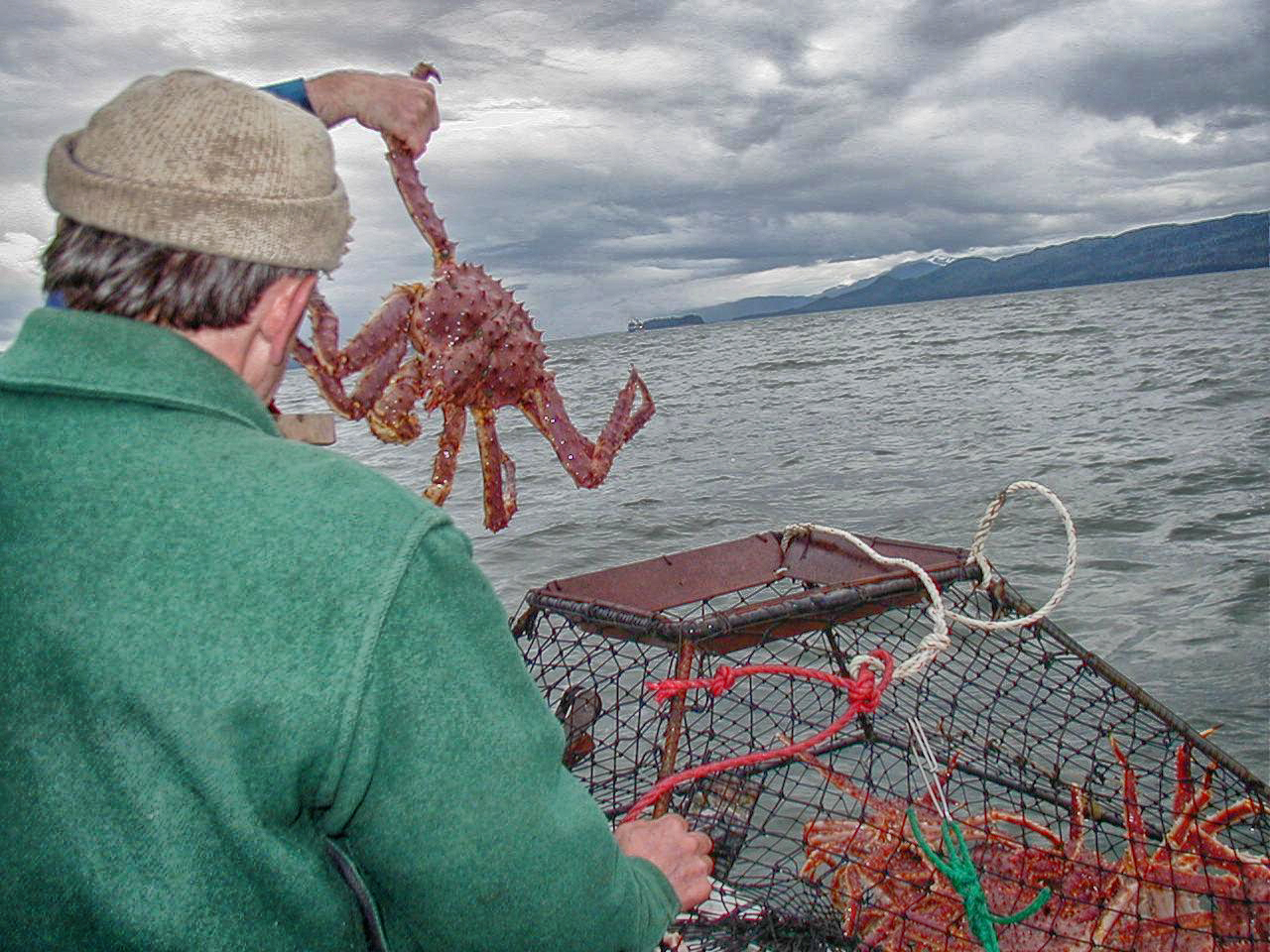
A Unique Calling: More Than Just a Job
Ultimately, for those who make a career out of Alaskan crab fishing, it’s often more than just a job; it’s a way of life, a part of their identity. It fosters a deep connection to nature, an unparalleled sense of accomplishment, and a profound camaraderie forged through shared adversity. The earnings are a significant reward, but for many, the true value lies in the experience itself – the challenge, the freedom of the sea, and the unique, rugged lifestyle it affords. It’s a testament to human resilience and the enduring quest for both adventure and prosperity against the backdrop of one of the world’s most formidable environments.
LifeOutOfTheBox is a participant in the Amazon Services LLC Associates Program, an affiliate advertising program designed to provide a means for sites to earn advertising fees by advertising and linking to Amazon.com. Amazon, the Amazon logo, AmazonSupply, and the AmazonSupply logo are trademarks of Amazon.com, Inc. or its affiliates. As an Amazon Associate we earn affiliate commissions from qualifying purchases.