
Embarking on an adventure to Alaska, often dubbed “The Last Frontier,” promises unparalleled natural beauty, thrilling wildlife encounters, and unique cultural experiences. Yet, any seasoned traveler or prospective visitor knows that a truly insightful journey involves understanding the practicalities of daily life in a destination, not least of which is the cost of basic necessities. Among the myriad questions one might have—from the price of a scenic floatplane tour to the cost of a salmon dinner—a seemingly simple query often surfaces: “How much is milk in Alaska?”
While it might appear trivial, the price of a gallon of milk in Alaska serves as a fascinating microcosm of the state’s unique economic realities, offering a valuable lens through which to understand the broader costs of travel and living in this magnificent, yet geographically challenging, region. For tourists, recognizing these underlying factors is key to effective budgeting, making informed choices, and appreciating the local context beyond the postcard-perfect vistas. This article delves into the cost of milk and, in doing so, unpacks the economic intricacies that shape the Alaskan tourism experience, providing crucial tips for navigating expenses in the 49th state.

The Alaskan Economic Landscape and Its Impact on Groceries
Alaska’s economic landscape is dramatically shaped by its vastness, sparse population, and extreme remoteness from the contiguous United States. These factors conspire to create a cost of living that is notoriously higher than the national average, a reality that is immediately reflected in the price of everyday goods, including milk. Understanding these foundational elements is crucial for any tourist planning a visit, as they influence everything from transportation to accommodation, and, naturally, food.
Geographic Isolation and Transportation Costs
The primary driver behind Alaska’s elevated prices is its profound geographic isolation. Most goods consumed in the state, including the vast majority of dairy products, must be imported from the lower 48 states or beyond. This journey typically involves a complex and costly logistical chain that significantly inflates retail prices. Products often travel thousands of miles by truck, rail, and then primarily by barge or cargo plane. For instance, a milk carton originating from a dairy farm in the Midwest might first be trucked to a port in Seattle, then loaded onto a container ship or barge bound for Anchorage or Fairbanks, and finally distributed by truck to various towns and villages.
Each leg of this journey incurs substantial transportation expenses, including fuel costs (which themselves are often higher in Alaska), labor, and specialized handling for perishable goods. The sheer volume of fuel required to transport goods across such distances, particularly to remote communities not accessible by road, is a major contributing factor. Air freight, utilized for more urgent or delicate perishables, is even more expensive, further compounding the challenge. These transportation costs are ultimately passed on to the consumer, making that gallon of milk in a grocery store in Juneau considerably more expensive than its counterpart in, say, Ohio.
Supply Chains in the Last Frontier
The supply chains in Alaska are not just long; they are also inherently more complex and less efficient than those found in more densely populated regions. The limited number of suppliers, distributors, and retail outlets means less competition, which can also contribute to higher prices. In many smaller communities, there might only be one or two general stores, giving them significant pricing power. Moreover, the harsh Alaskan climate can periodically disrupt transportation routes, leading to delays and further logistical challenges that add to costs. Icy roads, heavy snowfalls, and adverse maritime conditions can slow down deliveries, requiring more robust and costly supply chain management.
Consider a community like Utqiaġvik (formerly Barrow) on the Arctic coast, which is entirely reliant on air and sea shipments, with sea ice often making sea travel impossible for large parts of the year. Getting a gallon of milk to such a place involves meticulous planning and significant expense. Even major cities like Anchorage and Fairbanks, while better connected, still face the fundamental hurdle of being at the very end of extensive supply lines. This intricate network of supply and demand, influenced by geography and climate, creates a pricing structure where even everyday items are premium commodities.
Local Production vs. Imports
While Alaska boasts a robust fishing industry and some agricultural ventures (particularly in the Matanuska-Susitna Valley which is known for its giant vegetables), dairy farming is exceptionally limited due to the challenging climate and short growing seasons. There are a handful of small-scale dairy operations, but they produce a negligible fraction of the state’s overall dairy consumption. Consequently, virtually all milk sold in Alaska is imported, predominantly from dairy farms in the lower United States or Canada.
This heavy reliance on imports means that Alaskan milk prices are highly susceptible to fluctuations in fuel costs, national dairy market prices, and transportation tariffs. Unlike areas with significant local dairy production, Alaska cannot buffer these external pressures with locally sourced alternatives. This lack of self-sufficiency in dairy products directly translates to higher prices for consumers and, by extension, for tourists.
What to Expect: Average Milk Prices Across Alaska
Given the unique economic and geographic factors at play, milk prices in Alaska are indeed higher than what most visitors are accustomed to. However, these prices are not uniform across the entire state, varying significantly based on location, store type, and even the season. Understanding these variations can help tourists better plan their food budget.
Major Cities vs. Rural Areas
The price of a gallon of milk in Alaska can typically range from $4.00 to upwards of $12.00 or more, depending on where you are. In the larger population centers, such as Anchorage, Fairbanks, and Juneau, where there are larger supermarkets and more regular shipments, you can expect prices to be on the lower end of this spectrum, often around $4.00 to $7.00 per gallon. These cities benefit from more established distribution networks and greater competition among retailers.
However, as you venture into more remote or smaller communities, the prices escalate dramatically. In towns like Ketchikan or Sitka, which are primarily accessible by air or ferry, milk might cost $7.00 to $10.00 a gallon. In extremely isolated villages, particularly those far from the road system, prices can easily exceed $12.00, sometimes even reaching $15.00 or more for a gallon, especially if perishable items need to be flown in via bush planes. This stark difference highlights the profound impact of last-mile logistics on pricing.
Factors Influencing Price Variation
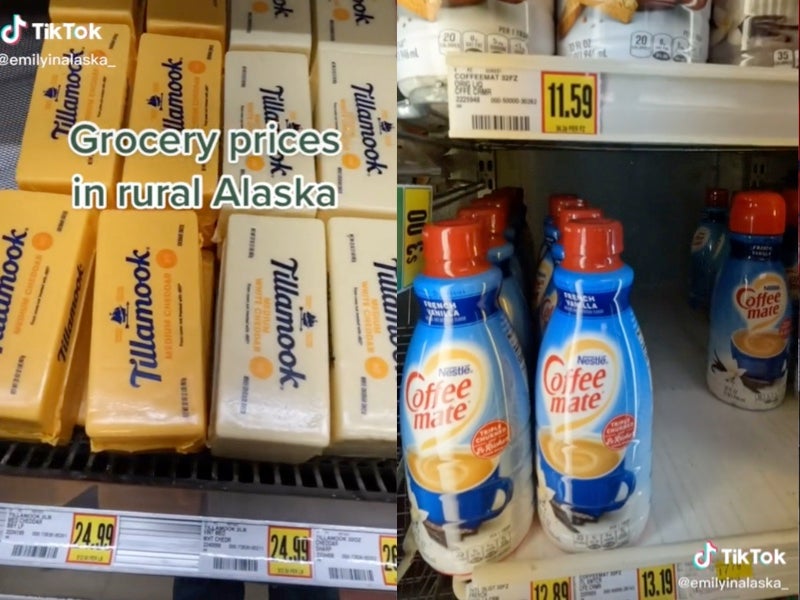
Beyond geographic location, several other factors contribute to the price of milk in Alaska:
- Store Type: Large supermarkets like Fred Meyer or Safeway typically offer more competitive prices due to their purchasing power and economies of scale. Smaller convenience stores, gas station mini-marts, or independent general stores in remote areas will almost always have higher prices.
- Brand and Type of Milk: Conventional dairy milk will be cheaper than organic milk, specialty milks (e.g., almond, soy, oat), or lactose-free options. The added processing and niche market for these products naturally drive up their cost, and even more so when considering Alaskan transportation overheads.
- Container Size: Buying milk in gallon containers is generally more cost-effective per ounce than purchasing half-gallons or smaller cartons. However, for short trips or those without refrigeration, smaller sizes might be the only practical option.
- Seasonal Variations: While not as pronounced as with fresh produce, the cost of milk can sometimes see minor fluctuations based on seasonal transportation challenges (e.g., winter storms impacting shipping) or promotional sales.
- Sales and Promotions: Just like anywhere else, grocery stores in Alaska run sales. Tourists who are self-catering and staying for a longer period might benefit from checking weekly flyers from stores like Fred Meyer or Carrs-Safeway.
Beyond Milk: Budgeting for Food as a Tourist in Alaska
The price of milk serves as a clear indicator of the overall cost of food in Alaska. For tourists, this means that budgeting for meals requires careful consideration. While indulging in local culinary delights is part of the experience, balancing dining out with self-catering can significantly impact your overall trip expenses.
Grocery Shopping Strategies
For visitors planning extended stays, particularly those utilizing rental accommodations with kitchenettes or camping, strategic grocery shopping is paramount.
- Prioritize Major Supermarkets: Whenever possible, do your main grocery shopping in larger cities at big chain stores like Fred Meyer, Safeway, or Walmart. These offer the best selection and most competitive prices for staples.
- Plan Ahead: If you’re heading to a remote area, stock up on non-perishable items and anything you know will be significantly more expensive or unavailable.
- Look for Sales: Check store flyers or apps for weekly deals on items you need.
- Buy in Bulk (Where Practical): For items like snacks, drinks, or ingredients for multiple meals, larger packages are usually more economical.
- Bring Some Staples: If luggage allows, bringing non-perishable essentials like coffee, tea bags, or favorite snacks from home can save a few dollars.
Dining Out vs. Self-Catering
Dining out in Alaska is generally more expensive than in many other parts of the United States. A casual breakfast might cost $15-25 per person, while dinner at a mid-range restaurant can easily run $30-60+ per person, excluding drinks and tip. These prices reflect not just the higher cost of ingredients but also increased labor costs and operational overhead in Alaska.
For tourists looking to manage their budget, incorporating self-catering into their itinerary is a smart move.
- Breakfasts and Lunches: Prepare your own breakfasts (cereal with that higher-priced milk, oatmeal, bagels) and pack lunches (sandwiches, salads) for day trips and hikes. This can save hundreds of dollars over a week-long trip.
- Occasional Dinners: Cook simple dinners at your accommodation if facilities are available. This allows you to experience local ingredients (like fresh Alaskan salmon from a grocery store) without the restaurant markup.
- Indulge Wisely: Allocate your dining-out budget for special occasions or to experience unique local eateries known for their quality or specific cuisine.
Local Specialties and Seasonal Finds
While imported goods are costly, Alaska offers its own culinary treasures that tourists should explore. Fresh seafood, especially salmon, halibut, and king crab, is often more accessible and relatively better value than in the lower 48 states.
- Seafood Markets: Visit local seafood markets, particularly in coastal towns, to buy fresh catch directly from fishermen. This can be a significantly more affordable and authentic way to enjoy Alaskan seafood compared to restaurant prices.
- Farmer’s Markets: During the summer months, farmer’s markets in cities like Anchorage and Fairbanks offer locally grown produce, including hardy vegetables and an abundance of wild berries (blueberries, cranberries, lingonberries). These seasonal finds can be fresher and potentially more economical than imported produce.
- Foraging (with caution): For the adventurous and informed, berry foraging is a popular summer activity, offering free, delicious, and authentically Alaskan treats. Always be sure of what you’re picking and be aware of wildlife.
The Broader Tourism Context: Understanding Alaskan Costs
The cost of milk, though a seemingly small detail, is indicative of a broader financial reality that permeates almost every aspect of an Alaskan vacation. Understanding why milk is expensive helps to contextualize the higher prices for other tourist essentials and experiences.
Why Everything Costs More
Just as transportation and logistical challenges inflate the price of milk, they similarly affect almost every other good and service in Alaska.
- Gasoline: Fuel prices are consistently among the highest in the United States, particularly outside of the main cities. This impacts road trips and any tour that involves significant travel.
- Accommodations: Hotels, lodges, and even campsites are often more expensive due to higher construction costs, limited supply, and shorter operating seasons.
- Activities and Tours: From flightseeing tours over Denali to glacier cruises in Prince William Sound, the specialized equipment, skilled guides, and remote locations contribute to premium pricing.
- Labor Costs: Alaska has a higher minimum wage and generally higher labor costs to attract workers to its challenging environment, which translates to higher prices for services.
Planning Your Alaskan Adventure Budget
Given these factors, meticulous budget planning is indispensable for an Alaskan adventure.
- Research Thoroughly: Before you go, research typical costs for everything from flights and car rentals to specific tours and daily food expenses.
- Factor in a Buffer: Always add an extra 10-15% to your estimated budget for unexpected costs or spontaneous splurges.
- Prioritize Experiences: Decide what experiences are most important to you and allocate your budget accordingly. For some, a once-in-a-lifetime Denali flight might be worth cutting back on dining out.
- Consider Off-Peak Travel: Traveling during the shoulder seasons (May, early June, or September) can sometimes offer slightly lower prices for accommodations and fewer crowds.

The Value Proposition of Alaska
Despite the higher costs, millions of tourists visit Alaska each year, a testament to its unparalleled appeal. The value proposition of an Alaskan trip lies not in its affordability, but in the extraordinary, often transformative experiences it offers. Where else can you witness glaciers calving, observe grizzly bears in their natural habitat, or hike through vast, untouched wilderness?
The premium price tag associated with that gallon of milk, or indeed any other commodity, is a direct reflection of the immense logistical effort required to sustain life and tourism in such a wild and majestic place. For the discerning traveler, these costs are a small investment for the privilege of exploring one of the world’s last true wildernesses.
In conclusion, while the price of milk in Alaska might initially seem surprising, it’s a clear indicator of the state’s unique economic realities. For tourists, this insight is not merely a detail about daily groceries; it’s a practical lesson in budgeting, an appreciation for local challenges, and a reminder that an Alaskan adventure, while potentially expensive, offers an irreplaceable journey into a world unlike any other. By understanding these costs, visitors can better prepare, manage their expectations, and ultimately, savor every moment of their unforgettable Alaskan experience.
LifeOutOfTheBox is a participant in the Amazon Services LLC Associates Program, an affiliate advertising program designed to provide a means for sites to earn advertising fees by advertising and linking to Amazon.com. Amazon, the Amazon logo, AmazonSupply, and the AmazonSupply logo are trademarks of Amazon.com, Inc. or its affiliates. As an Amazon Associate we earn affiliate commissions from qualifying purchases.