
The question “Is Alaska dangerous?” frequently surfaces in conversations about prospective travel destinations. It’s a natural inquiry for anyone considering a journey to a land renowned for its wild, untamed beauty. The image of Alaska as the “Last Frontier” conjures visions of rugged wilderness, colossal wildlife, and extreme conditions, leading many to wonder about the inherent risks. However, labeling Alaska as simply “dangerous” is an oversimplification that fails to capture the nuances of traveling through this magnificent state. While it presents unique challenges unlike more conventional tourist destinations, with proper preparation, respect for nature, and adherence to local guidelines, a trip to Alaska is not only safe but also an incredibly rewarding experience.
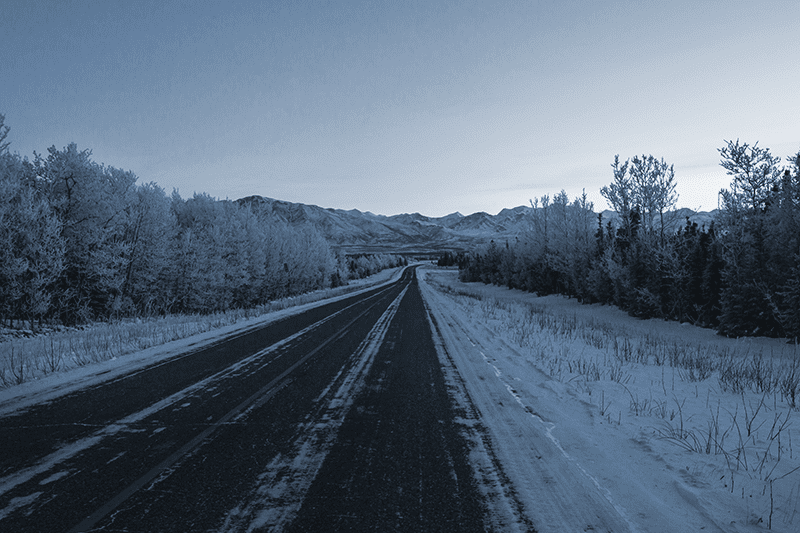
The truth is, like any destination, Alaska has its share of risks, but most are manageable and predictable. The dangers are less about human crime and more about the environment itself—its vastness, its powerful weather, and its impressive wildlife. For the informed and prepared traveler, these elements become part of the adventure, not insurmountable obstacles. This article aims to demystify the perceived dangers of Alaska, provide practical insights into navigating its unique environment safely, and equip you with the knowledge to embark on an unforgettable journey.
Debunking the Myth: A Balanced Perspective on Alaskan Safety
The perception of Alaska as inherently dangerous is often fueled by sensationalized media portrayals or isolated incidents that overshadow the daily reality for residents and visitors alike. While it is undeniably a wild place, it is not a lawless or perpetually hazardous one. Most travel to Alaska is enjoyed without incident, demonstrating that its dangers are often exaggerated or misunderstood.
The Fear Factor vs. Reality
The “fear factor” surrounding Alaska typically stems from an awe-inspiring landscape that demands respect. Images of grizzly bears fishing for salmon or intrepid adventurers scaling icy peaks can be thrilling but also intimidating. However, the reality for most tourists involves well-traveled routes, guided excursions, and visits to established towns and national parks. For instance, a stroll through downtown Anchorage or a cruise through Glacier Bay National Park and Preserve presents very different risk profiles than an unsupported expedition into the Alaska Range.
It’s crucial to distinguish between perceived danger and actual risk. While the potential for wildlife encounters or severe weather exists, the likelihood of a negative outcome for a prepared traveler is significantly low. Many of the “dangers” are simply a function of being in a truly wild environment, which is precisely what draws millions of visitors each year. Compared to the risks one might face in any major city—like petty crime or traffic accidents—Alaska’s challenges are primarily environmental and largely avoidable with proper planning and awareness.
Alaska’s Welcoming Infrastructure
Contrary to the image of an untamed wilderness devoid of civilization, Alaska possesses a robust infrastructure designed to support both its residents and its thriving tourism industry. Major cities like Fairbanks, Juneau, and Seward offer all the amenities and services one would expect, including modern hospitals, well-maintained roads, and reliable communication networks.
National parks such as Denali National Park and Kenai Fjords National Park are staffed by experienced park rangers who provide invaluable safety information, trail conditions, and emergency assistance. Guided tours, from glacier walks to wildlife cruises, are led by certified professionals deeply familiar with the local environment and its potential hazards. Even in more remote areas, the spirit of community and mutual aid is strong, with local businesses and residents often willing to assist travelers in need. The Alaska Marine Highway System, for example, provides a safe and scenic way to navigate the coastal regions, connecting communities and offering a structured travel experience. This network of support ensures that travelers are rarely truly “alone” in the wilderness, even when it feels incredibly vast.
Understanding Alaska’s Unique Challenges: Nature’s Grandeur and Its Demands
The true “dangers” in Alaska stem from its magnificent natural environment. Its vast scale, extreme weather patterns, and abundant wildlife require a level of respect and preparedness that might be unfamiliar to travelers accustomed to more domesticated landscapes. Understanding these unique challenges is the first step toward mitigating their risks.
Wildlife Encounters: Respecting the Wild
Alaska is a sanctuary for some of North America’s most iconic wildlife, including Alaskan brown bears (often referred to as grizzly bears inland), black bears, polar bears (in the far north), moose, wolves, and caribou. While the chance to observe these animals in their natural habitat is a major draw, it also necessitates caution.
- Bears: The most frequently discussed wildlife concern. While bear attacks are rare, they can be fatal. Most incidents occur when bears are surprised, feel threatened (especially mothers with cubs), or are attracted by improperly stored food. Carrying bear spray, knowing how to use it, making noise while hiking, and storing food in bear-resistant containers are essential. Never approach a bear, and always give them ample space.
- Moose: Often underestimated, moose can be extremely dangerous, especially during calving season or if they feel cornered. They are large, powerful, and will charge if provoked. Give them a wide berth, particularly if you see a cow with calves.
- Other Wildlife: While less common, encounters with wolves, bald eagles (potentially aggressive if nesting nearby), or even large marine mammals like orca (from a safe distance on a boat) require respectful observation and adherence to wildlife viewing guidelines. Never feed wildlife, as it habituates them to humans and often leads to dangerous situations.
Extreme Weather and Remote Terrain
Alaska’s weather is notoriously unpredictable and can change rapidly, even in summer. Temperatures can fluctuate wildly, and sunny skies can quickly give way to rain, fog, or even snow, especially at higher elevations or along the coast.
- Hypothermia and Exposure: Cold, wet conditions are the primary risk. Travelers venturing into the wilderness without appropriate layers (especially moisture-wicking and waterproof outerwear) risk hypothermia, even in summer.
- Navigation Challenges: The vastness of Alaska means that getting lost in remote areas can be extremely serious. Trails can be poorly marked or disappear altogether. Dense forests, braided rivers, and dramatic topography can disorient even experienced hikers.
- Glacial and Mountainous Hazards: Crevasses, unstable ice, rockfalls, and avalanches are inherent risks in glacial and mountainous regions. These areas should only be explored with experienced guides or extensive mountaineering knowledge and equipment.
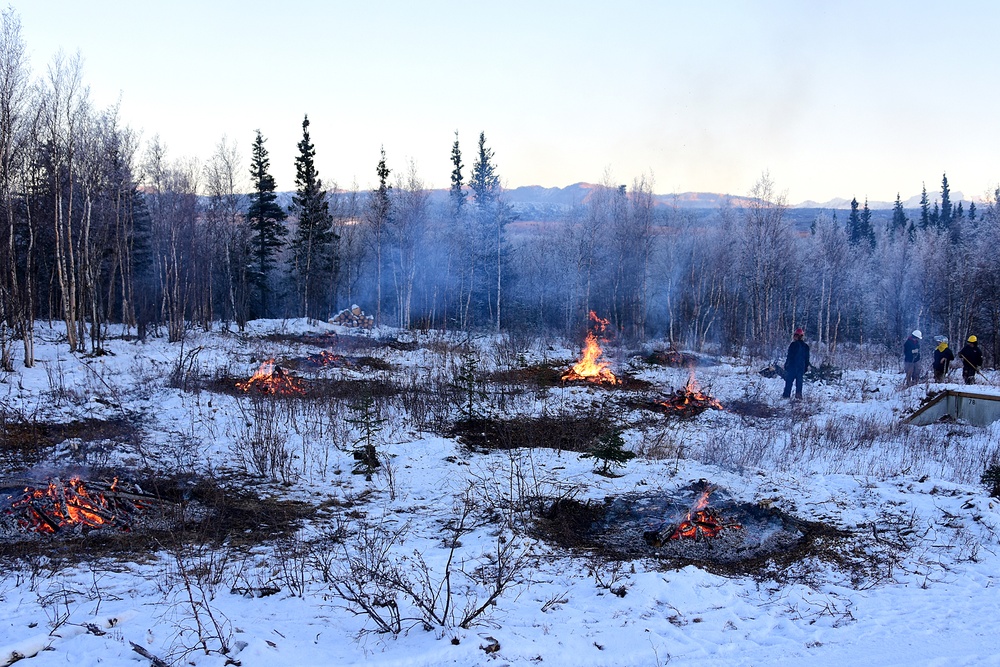
Outdoor Activities: Thrills and Prudence
Many of Alaska’s most popular activities—hiking, kayaking, fishing, rafting, flightseeing—involve a degree of inherent risk, which is part of their appeal.
- Hiking and Backpacking: Beyond wildlife and weather, trails can be rugged, muddy, or cross challenging terrain. River crossings can be treacherous.
- Water Activities: Kayaking in frigid waters, fishing in powerful currents, or exploring coastal areas susceptible to large tides (Cook Inlet has some of the highest tides in the world) demand appropriate gear, skills, and awareness of conditions.
- Remote Access: Many incredible destinations, like secluded fishing lodges or remote cabins near Talkeetna, are accessible only by small planes or boats. While generally safe, these modes of transport are subject to weather conditions and require a flexible itinerary.
Essential Safety Measures for an Unforgettable Alaskan Journey
Navigating Alaska safely is largely a matter of proactive planning, responsible behavior, and a healthy respect for the environment. By adopting a cautious and informed approach, travelers can minimize risks and maximize their enjoyment.
Preparation is Key: Research and Gear
Thorough preparation is the bedrock of a safe Alaskan adventure.
- Research Your Destination: Understand the specific conditions and potential hazards of the areas you plan to visit. Are you going to a bustling port city, a remote national park, or a wilderness lodge? Each presents different requirements. Check current park alerts and weather forecasts.
- Pack Appropriately: Layers are paramount. Include waterproof and windproof outerwear, insulating layers (fleece, down), sturdy hiking boots, warm hats and gloves, and moisture-wicking base layers. Even in summer, evenings can be chilly.
- Navigation Tools: For any backcountry excursion, carry a map and compass, and know how to use them. A GPS device or satellite communicator (like a Garmin InReach) is highly recommended for remote areas where cell service is non-existent.
- Emergency Supplies: A basic first-aid kit, extra food and water, a headlamp, fire starter, and a whistle are essential for any outdoor activity. Bear spray is crucial if you plan to hike in bear country.
- Guided Tours: For activities like glacier trekking, whitewater rafting, or deep wilderness exploration, hire reputable, certified guides or tour operators. Their expertise and specialized equipment are invaluable.
Staying Informed and Aware
Once in Alaska, continuous awareness and flexibility are your best allies.
- Heed Local Advice: Park rangers, tourism professionals, and local residents are invaluable sources of up-to-date information on trail conditions, wildlife activity, and weather changes. Always take their warnings seriously.
- Share Your Itinerary: If you’re venturing into the backcountry, inform someone reliable of your plans, including your route, expected return time, and who to contact if you don’t check in.
- Weather Monitoring: Alaska’s weather can shift rapidly. Pay attention to forecasts and be prepared to alter plans if conditions deteriorate.
- Wildlife Etiquette: Review and practice “bear safety” and “wildlife viewing” protocols before your trip. This includes making noise while hiking, never leaving food unattended, and always maintaining a safe distance from animals. Remember, a Dall sheep on a mountainside, while seemingly placid, is still a wild animal.
Common Sense in the Great Outdoors
Many safety concerns can be addressed by applying basic common sense and respect for the natural world.
- Stick to Established Trails: Unless you are experienced and properly equipped for off-trail navigation, stay on marked paths.
- Leave No Trace: Pack out everything you pack in. This not only preserves the pristine environment but also prevents attracting wildlife to human food sources.
- Know Your Limits: Don’t attempt activities that are beyond your physical capabilities or skill level. Alaska is not the place to push untested boundaries without professional guidance.
- Alcohol and Wilderness Don’t Mix: Impaired judgment can lead to dangerous situations in a challenging environment.
Embracing the Alaskan Adventure Responsibly
The question “Is Alaska dangerous?” ultimately depends on the traveler. For those who arrive unprepared, disregard warnings, or underestimate the power of nature, risks are amplified. However, for the vast majority who approach their journey with respect, thorough preparation, and a commitment to responsible practices, Alaska offers one of the safest and most profoundly enriching travel experiences on Earth.
The Reward of Preparedness
The careful planning and responsible behavior we’ve discussed don’t detract from the adventure; they enable it. Being prepared allows you to fully immerse yourself in Alaska’s unparalleled beauty without undue anxiety. Imagine witnessing the thunderous calving of a glacier, observing a moose gracefully browsing by a roadside, or experiencing the vibrant culture of local communities. These experiences, from watching the Iditarod Trail Sled Dog Race to exploring remote wilderness, are made possible and enjoyable precisely because you’ve taken the steps to be safe. It’s the difference between a stressful ordeal and a magnificent memory.

Alaska: A Destination for the Adventurous and Aware
Alaska is not a place to be feared, but a place to be revered. It calls to those with a spirit of adventure, a desire for genuine wilderness, and an appreciation for raw natural power. While it demands awareness and respect for its unique characteristics, it offers rewards that few other destinations can match. From the bustling port of Whittier to the quiet majesty of its interior, Alaska is a destination where the grand scale of nature compels travelers to be present, observant, and thoughtful. So, is Alaska dangerous? Only if you choose to make it so. Approach it with an open mind, a prepared spirit, and a respectful heart, and you will find it to be one of the most magnificent and safely navigable adventures of your lifetime.
LifeOutOfTheBox is a participant in the Amazon Services LLC Associates Program, an affiliate advertising program designed to provide a means for sites to earn advertising fees by advertising and linking to Amazon.com. Amazon, the Amazon logo, AmazonSupply, and the AmazonSupply logo are trademarks of Amazon.com, Inc. or its affiliates. As an Amazon Associate we earn affiliate commissions from qualifying purchases.