
The vast, untamed wilderness of Alaska is a realm of monumental glaciers, towering peaks, and expansive forests, often drawing attention to its grand, awe-inspiring natural landmarks. Yet, amidst this grandeur, miniature wonders thrive, often overlooked but equally integral to the state’s unique natural tapestry. One such unassuming gem is the Alaska Violet, a delicate yet resilient bloom that paints the northern landscapes with subtle elegance. To understand what the Alaska Violet looks like is to appreciate a specific facet of Alaskan nature, a botanical landmark that, though small in stature, speaks volumes about the region’s biodiversity and enduring beauty. This detailed exploration will unveil the visual characteristics, ecological context, and cultural significance of this remarkable flower, solidifying its place as a cherished component of Alaska’s natural heritage.
Unveiling the Enigmatic Alaskan Violet: A Botanical Landmark
The Alaska Violet, scientifically known as Viola Langsdorfii, is more than just a wildflower; it is a testament to nature’s artistry, meticulously crafted to thrive in one of the planet’s most challenging environments. Its appearance is a delicate balance of vibrant color and intricate form, a true marvel for those who take the time to observe it closely. As a representative of Alaskan flora, it provides a distinctive natural landmark, offering a snapshot of the region’s botanical diversity.
A Symphony of Color and Form: The Visual Characteristics
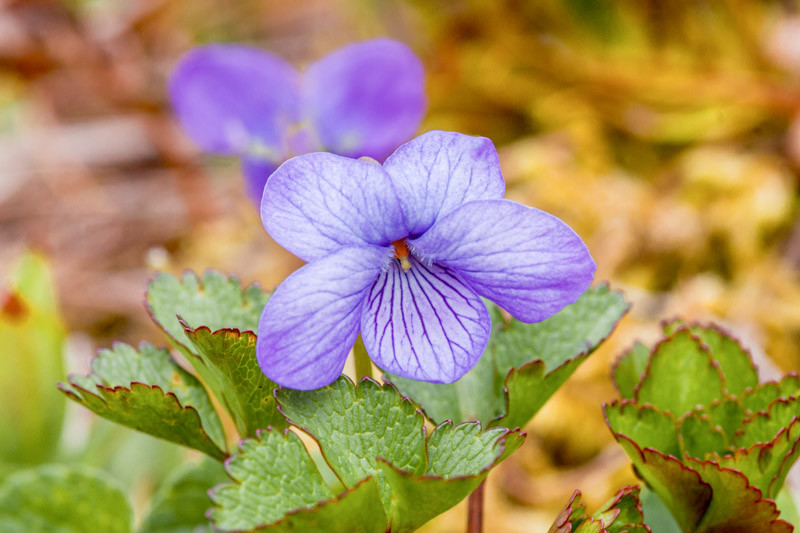
At first glance, the Alaska Violet captivates with its striking blossoms. The flowers typically present a rich, deep violet-purple hue, a color that stands out vividly against the greens and browns of its natural backdrop. Each flower comprises five distinct petals, arranged in a classic Viola pattern: two upper petals, two lateral petals, and one broad lower petal. Often, the lower petal, and sometimes the lateral ones, will feature intricate white or yellow markings, forming delicate “guide lines” that direct pollinators towards the center. These markings are not merely decorative; they serve a crucial ecological purpose, guiding bees and other insects to the nectar. The size of the flower is generally modest, usually ranging from 1.5 to 2.5 centimeters (approximately 0.6 to 1 inch) in diameter, making it an intimate discovery rather than an overwhelming spectacle.
Beyond the petals, the plant’s overall structure contributes to its charm. The leaves are typically heart-shaped or kidney-shaped, often with slightly scalloped or toothed margins, presenting a glossy, dark green surface. They emerge from the base of the plant, sometimes forming a small rosette, and are usually larger than the flowers themselves, providing a lush backdrop. The stems are slender, often reddish or purplish, and relatively short, typically supporting the flowers just a few inches above the ground, making the plant appear compact and sturdy. The entire plant rarely exceeds 15-20 centimeters (6-8 inches) in height, an adaptation that allows it to hunker down against harsh winds and cold temperatures, conserving energy in its subarctic domain.
Beyond the Bloom: Subtleties and Adaptations
While the vibrant blooms are undoubtedly the main attraction, a closer examination reveals even more subtle intricacies that define the Alaska Violet. Some specimens might exhibit slight variations in petal coloration, occasionally leaning towards lighter lavender shades or, rarely, even white. The underside of the petals can also reveal faint venation, adding another layer of delicate beauty. Often, a subtle, sweet fragrance can be detected, especially in patches where many violets are blooming simultaneously, a gentle perfume carried on the cool Alaskan air.
These visual traits are not arbitrary; they are the result of thousands of years of evolutionary adaptation to the unique Alaskan environment. The low-growing habit protects the plant from strong winds and allows it to benefit from the insulating layer of snow during winter. The vibrant colors and distinct markings are optimized to attract the specific types of pollinators active in its habitat, ensuring successful reproduction. The glossy leaves may help in moisture retention or light absorption in varying conditions. Each aspect of the Alaska Violet’s appearance is a finely tuned mechanism, contributing to its survival and flourishing in a landscape defined by extreme seasons and dynamic ecological forces.
Habitat and Ecosystem: Where the Violet Thrives in the Wild North
Understanding what the Alaska Violet looks like is only part of the story; appreciating where and how it thrives completes the picture of this natural landmark. Its distribution across Alaska is a testament to its adaptability, making it a ubiquitous, albeit often unnoticed, component of various Alaskan ecosystems.
Preferred Terrains and Climates
The Alaska Violet demonstrates a remarkable preference for moist, well-drained soils, often thriving in conditions where other more delicate plants might struggle. It is commonly found carpeting the undergrowth of moist woodlands, particularly those dominated by spruce and birch, where it benefits from dappled sunlight filtering through the canopy. Meadows, open slopes, stream banks, and the edges of tundra are also favored habitats. Its presence often indicates a healthy, undisturbed ecosystem, as it prefers richer organic soils.
Geographically, the Alaska Violet is widespread across much of Alaska, from the temperate rainforests of Southeastern Alaska to the interior’s boreal forests and even into parts of Southcentral Alaska and beyond the Alaska Range. Its range extends along the Pacific Northwest coast, indicating its preference for cooler, often maritime-influenced climates. Its hardiness is exceptional, enabling it to withstand the long, cold Alaskan winters, only to re-emerge with vigor during the fleeting but intense Alaskan spring and summer. The plant relies on the insulating blanket of snow to protect its root systems from extreme cold and frost heave, a crucial adaptation for survival in its native range.
Ecological Role and Companions

Beyond its aesthetic appeal, the Alaska Violet plays a vital ecological role within its native habitats. As an early bloomer, often appearing shortly after the snow melts, it provides an essential early source of nectar and pollen for various pollinators, including native bees, butterflies, and other insects that emerge with the warmer weather. These pollinators, in turn, are crucial for the reproduction of many other plants in the ecosystem, creating a ripple effect of biodiversity. The seeds, often dispersed by ants, also serve as a food source for small mammals and birds, further integrating the violet into the intricate food web.
The Alaska Violet rarely grows in isolation. It is a harmonious member of a larger plant community, often found alongside other moisture-loving species such as ferns (like lady fern and oak fern), mosses, clubmosses, and other spring ephemerals. In more open areas, it might share space with various sedges and grasses. The deep green foliage of its companion plants often highlights the vibrant purple of the violet, creating a mosaic of natural beauty. This interrelationship underscores its status as an indicator species for specific healthy Alaskan habitats, contributing to the overall stability and richness of the unique boreal and subarctic ecosystems.
The Cultural and Natural Significance of the Alaska Violet
While not as widely celebrated as some of Alaska’s more grandiose natural features, the Alaska Violet holds an understated yet profound significance. It is a natural landmark that embodies the resilience and subtle beauty of the northern wilderness, representing a quieter, more intimate connection to the state’s pristine environment.
A Symbol of Alaskan Resilience and Beauty
The presence of the Alaska Violet is a gentle reminder of the pristine and rugged beauty that characterizes the vast Alaskan landscape. Its ability to thrive in challenging conditions – emerging from beneath snow, enduring cold temperatures, and completing its life cycle during a short growing season – makes it a quiet symbol of resilience. Like many forms of Alaskan life, it adapts and flourishes, a testament to the enduring power of nature in the far north. For locals and visitors alike, spotting a patch of these vibrant violets can evoke a sense of wonder and appreciation for the subtle intricacies of the natural world, offering a moment of unexpected color and delicacy amidst the expansive wilderness.
While not typically featured in widespread folklore or grand ceremonies, the Alaska Violet holds a special place in the hearts of those who explore Alaska’s trails and wild spaces. It is part of the collective experience of Alaskan spring, signifying renewal and the awakening of the land after winter’s slumber. It complements other more prominent natural symbols of Alaska, such as the formidable grizzly bear, the majestic bald eagle, or the iconic fireweed, by showcasing the equally vital, albeit smaller, components of the state’s natural identity.
Conservation and Viewing Opportunities
Fortunately, the Alaska Violet is a relatively common and widespread species, and as such, it is not currently listed as endangered or threatened. However, like all native flora, its populations are sensitive to habitat disturbance, particularly from human development, logging, and unsustainable land use practices. Protecting the moist woodlands and riparian areas where it thrives is crucial for its continued prosperity. Responsible outdoor ethics, such as staying on marked trails and refraining from picking wildflowers, are essential to ensure these delicate plants can continue to grace the Alaskan landscape for generations to come.
The best time of year to witness the Alaska Violet in its full glory is during the spring and early summer months, typically from May through July, depending on the specific location and elevation. As the snow recedes, these cheerful blooms are among the first to emerge, providing a splash of color to the awakening landscape. Excellent viewing opportunities exist in numerous protected areas and wildlands across Alaska. Hikers in Denali National Park may encounter them along forest trails, while visitors to Chugach State Park near Anchorage can spot them in moist subalpine meadows. Even a casual stroll through many Alaskan towns and their surrounding green spaces can reveal these hidden treasures, encouraging a deeper appreciation for the nuanced beauty of Alaska’s natural landmarks.
Distinguishing the Alaska Violet from its Cousins
The genus Viola is expansive and diverse, encompassing hundreds of species found across the globe. While many violets share common characteristics, the Alaska Violet possesses specific traits that distinguish it within this vast family, particularly in the unique context of its northern home.
A Niche in the Viola Family
The Alaska Violet (Viola langsdorfii) is part of the larger Viola genus, which includes many familiar garden and wild violets. What sets it apart from some of its more common relatives found in temperate zones are several subtle but important features. While many violets have heart-shaped leaves, the Alaska Violet’s leaves tend to be particularly broad and robust, reflecting its need to capture ample sunlight during short growing seasons. The deep, almost royal purple of its petals, often accentuated by prominent white or yellow striations on the lower petals, is a distinctive coloration. Furthermore, the presence of short, glandular hairs on the pedicels (flower stalks) and sepals can be a diagnostic feature for identification, differentiating it from other smooth-stemmed or sparsely haired violet species that might also occur in its range or adjacent regions. Its preference for moist, often acidic, woodland and subalpine environments also helps distinguish it from violets that thrive in drier or more open habitats.

Unique Adaptations for the Arctic and Subarctic
The physical appearance of the Alaska Violet is inextricably linked to its extreme environment. Its relatively compact growth habit, with flowers and leaves close to the ground, is a crucial adaptation against strong winds and helps it benefit from ground-level warmth. The plant’s ability to emerge and bloom quickly after the snow melts is another key characteristic; it is an “opportunistic” bloomer, maximizing the short window of warmth and light available. The perennial nature, with robust rhizomes (underground stems), allows it to store energy reserves through the long winter and quickly regenerate the following spring, rather than relying solely on seed dispersal each year. These physiological and morphological adaptations contribute to its distinct appearance and resilience, marking it as a true native of Alaska rather than a mere visitor. Its beauty is not just superficial; it is a manifestation of its deep connection to and survival within the demanding yet captivating Alaskan wilderness.
In conclusion, the Alaska Violet may not command the same awe as a soaring glacier or a towering mountain, but its beauty and resilience are equally profound. Its vibrant purple blooms, distinctive leaf structure, and preference for moist Alaskan woodlands make it a quintessential botanical landmark. It embodies the understated elegance and ecological richness of the wild north, playing a vital role in its ecosystem and offering a quiet symbol of enduring life amidst the grandeur. To know what the Alaska Violet looks like is to gain a deeper appreciation for the intricate details that collectively define Alaska’s unique and magnificent natural landscape, encouraging us to seek out and cherish the smaller wonders that contribute so meaningfully to its overall allure.
LifeOutOfTheBox is a participant in the Amazon Services LLC Associates Program, an affiliate advertising program designed to provide a means for sites to earn advertising fees by advertising and linking to Amazon.com. Amazon, the Amazon logo, AmazonSupply, and the AmazonSupply logo are trademarks of Amazon.com, Inc. or its affiliates. As an Amazon Associate we earn affiliate commissions from qualifying purchases.