
To live in Alaska is to embrace a lifestyle unlike anywhere else on Earth. It’s a profound commitment to raw nature, extreme seasons, and communities forged in resilience. Far from the postcard images of pristine wilderness and majestic wildlife that captivate tourists, the daily reality for Alaskans is a complex tapestry of challenges, immense rewards, and an unwavering spirit of independence. This is not just a place to visit; it’s a place that demands you adapt, thrive, and become an integral part of its unique ecosystem, both natural and human.
The Rhythm of Extreme Seasons
Life in the Last Frontier is dictated by a dramatic seasonal rhythm that profoundly impacts every aspect of daily existence. It’s a constant dance with light and darkness, cold and fleeting warmth, dictating everything from transportation to mood.
Navigating Endless Winter and Midnight Sun
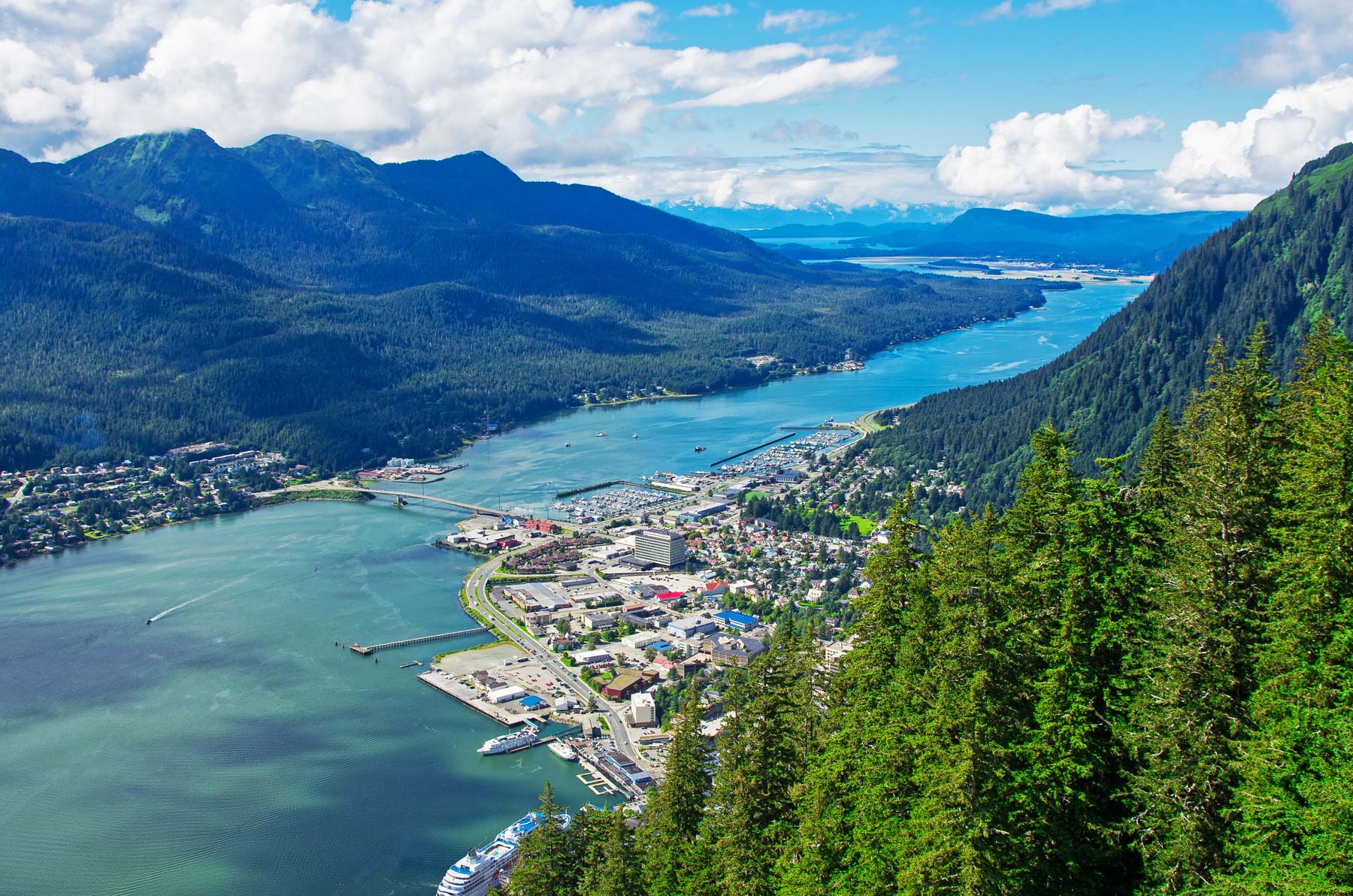
The Alaskan winter is legendary, and for good reason. From late September to early May in many regions, residents contend with significant snowfall, sub-zero temperatures, and profoundly short daylight hours. In cities like Fairbanks, located near the Arctic Circle, the sun might barely peek above the horizon for a few hours in mid-winter, casting a perpetual twilight. This prolonged darkness can be a significant psychological adjustment, leading many to invest in SAD lamps and embrace outdoor activities like cross-country skiing, ice hockey, and snowmobiling as a way to cope and connect. Homes are built for insulation, vehicles require block heaters, and wardrobes are a testament to layered survival. Yet, within this harshness, there’s an undeniable beauty – the pristine silence of a snow-covered landscape, the ethereal glow of the aurora borealis, and the cozy camaraderie found indoors.
Conversely, summer brings the phenomenon of the Midnight Sun, where daylight extends for nearly 24 hours. North of the Arctic Circle, the sun genuinely doesn’t set for weeks or even months. This explosion of light fuels an intense period of activity. Gardens burst with giant vegetables, hiking trails are explored late into the evening, and Alaskans maximize every moment for fishing, camping, and outdoor adventures. Sleep schedules adjust, and blackout curtains become essential. This stark contrast between seasons instills a deep appreciation for the sun’s warmth and the fleeting beauty of summer, driving a powerful urge to seize every opportunity.
Adapting to the Landscape and Wildlife
Living in Alaska means coexisting with a wild and largely untamed landscape. The proximity to nature is both a blessing and a responsibility. From the urban sprawl of Anchorage to the remote villages accessible only by air, encounters with wildlife are a daily reality. Moose often wander through suburban yards, bears frequent campgrounds and sometimes residential areas, and eagles soar overhead. Residents learn to secure trash, carry bear spray, and respect the boundaries of wildlife. This constant interaction fosters a profound connection to the natural world but also a heightened awareness of its inherent dangers. It’s a lifestyle that demands preparedness, respect, and a willingness to understand the intricate balance of the ecosystem you inhabit. Hunting and fishing are not just recreational pursuits for many; they are integral parts of a subsistence lifestyle, a way to connect with the land and provide for families.
Community, Resilience, and the Alaskan Spirit
Beyond the dramatic landscapes, the true heart of Alaskan living lies in its unique communities and the resilient spirit of its people. The challenges of geography and climate have forged strong bonds and a distinctive cultural identity.
Self-Reliance and Mutual Aid
The vastness and remoteness of Alaska often necessitate a high degree of self-reliance. Whether it’s maintaining a vehicle in extreme temperatures, stocking up on supplies for the long winter, or knowing basic survival skills, Alaskans are often resourceful and independent. However, this self-reliance is balanced by an equally strong ethos of mutual aid. When the nearest hospital is hours away by bush plane or a neighbor’s car breaks down in a snowstorm, people genuinely look out for one another. Community events, potlucks, and shared labor projects are common, fostering a sense of extended family. There’s a palpable understanding that in this environment, cooperation is not just a virtue but a necessity. This camaraderie is especially strong in smaller, more isolated towns like Ketchikan or Nome, where shared experiences against the backdrop of nature create unbreakable bonds.
A Mosaic of Cultures
Alaska is home to a diverse population, including a significant presence of Alaska Native peoples, whose cultures and traditions are deeply interwoven with the land. Indigenous groups such as the Inupiat, Yup’ik, Tlingit, Haida, Tsimshian, and Athabascan have thrived here for millennia, their knowledge and customs offering invaluable insights into sustainable living in a challenging environment. Their stories, art, and subsistence practices are vital components of the Alaskan identity. Alongside Indigenous Alaskans, the state has attracted pioneers, adventurers, military personnel, and those seeking refuge from the hustle and bustle of lower-48 life. This blend creates a unique cultural mosaic, where modern amenities often sit alongside traditional ways of life, and diverse perspectives contribute to a vibrant, albeit sometimes complex, social fabric.
Economic Realities and the Cost of Living
While the allure of adventure and natural beauty draws many to Alaska, the practicalities of economic life are a significant factor in deciding to stay. The cost of living and employment opportunities present a unique set of challenges and advantages.
High Cost of Goods and Services
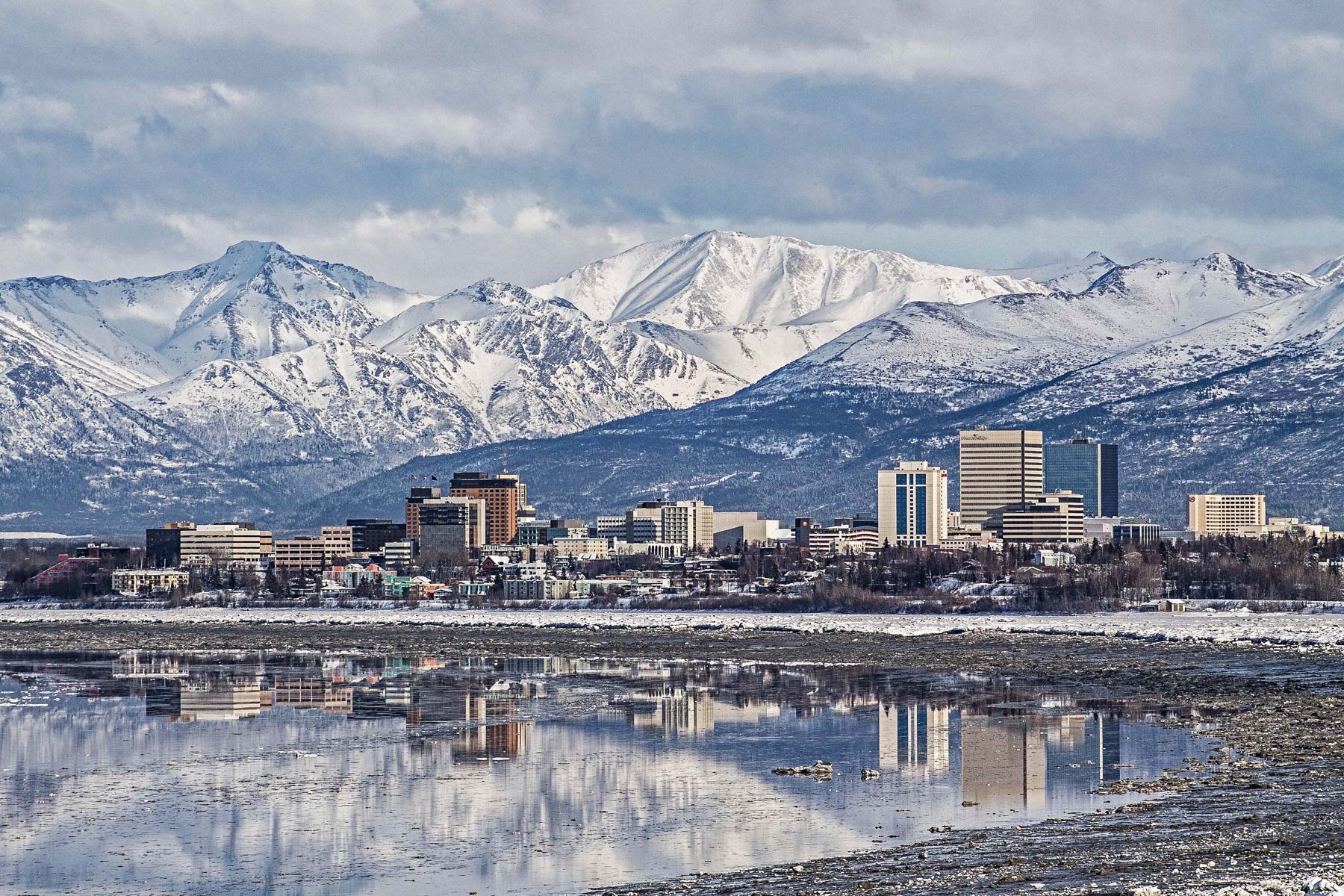
Due to its remote location and limited transportation infrastructure, many goods and services in Alaska come at a premium. Everything from fresh produce to construction materials must be shipped or flown in, adding substantially to costs. Groceries, electricity, and heating fuel are often significantly more expensive than in the contiguous United States. Housing prices, especially in urban centers like Anchorage and Juneau, can be surprisingly high, reflecting demand and the challenges of development. Residents often adapt by buying in bulk, hunting and fishing for sustenance, and cultivating a DIY mindset. The state does offer a Permanent Fund Dividend (PFD) to qualified residents, an annual payment derived from oil revenues, which helps offset some of these expenses and is a unique benefit of living in the state.
Diverse Employment Opportunities
Despite the high cost of living, wages in many sectors are also higher than the national average, attracting individuals seeking economic opportunity. Key industries include oil and gas, fishing (commercial and processing), mining, tourism, and government (federal and state). Jobs in healthcare, education, and trades are also consistently in demand. Many Alaskans work seasonal jobs, capitalizing on the summer tourism boom or the fishing season, and then use the winter for travel or other pursuits. Entrepreneurship is also strong, driven by the need for specialized services and innovative solutions to local challenges. While the job market can be competitive in some fields, the unique needs of the state ensure a variety of niches for those willing to adapt and work hard.
Daily Logistics and the Pace of Life
The everyday rhythm of life in Alaska is profoundly shaped by its geography, climate, and the practicalities of navigating a vast, wild territory.
Transportation and Infrastructure Challenges
Getting around in Alaska can be an adventure in itself. Beyond the few major road systems connecting cities like Anchorage to Fairbanks or the Kenai Peninsula, many communities are not connected by roads. Air travel, often via small bush planes, is a common and essential mode of transportation for accessing remote villages, hunting grounds, or even medical appointments. The Alaska Marine Highway System, a ferry service, is crucial for coastal communities in the Inside Passage region, linking them to each other and the outside world. Owning a reliable 4×4 vehicle is practically a prerequisite for driving on the road system, especially outside of peak summer, given the prevalence of unpaved roads and challenging winter conditions. This reliance on diverse and sometimes unconventional transportation methods adds to the cost and complexity of daily life, but also fosters a sense of adventure and resourcefulness.
Healthcare, Education, and Amenities
Access to specialized healthcare and higher education can be limited, particularly in rural areas. While major cities like Anchorage have modern hospitals and the University of Alaska system offers various campuses, residents in remote locations often rely on local clinics and are prepared to travel for advanced medical care. Online learning and distance education are also popular. For everyday amenities, while major cities have supermarkets and big-box stores, smaller communities rely on general stores or co-ops, often with more limited and expensive selections. Internet and cellular service have improved significantly over the years but can still be spotty or non-existent in many truly remote areas. This means Alaskans often prioritize practicality over convenience, embracing a simpler lifestyle and finding fulfillment in activities that don’t require constant connectivity.

The Enduring Alaskan Spirit
Ultimately, living in Alaska is about more than just enduring the cold or marveling at the scenery; it’s about embodying a particular way of life. It’s a place that attracts those with an independent streak, a love for the outdoors, and a willingness to embrace challenges as opportunities.
The rewarding aspects of living in Alaska are profound. There’s the unparalleled beauty of mountains like those in the Alaska Range, the thrill of spotting a grizzly bear, the vibrant community spirit, and the deep sense of accomplishment that comes from thriving in a demanding environment. It’s a place where you truly feel connected to the wild, where the grandeur of nature puts everyday stresses into perspective, and where the people you meet often become friends for life. It’s a lifestyle of adventure, resilience, and an authentic connection to a truly magnificent land. For those who answer its call, Alaska isn’t just a place to live; it’s a profound experience that shapes who they are.
LifeOutOfTheBox is a participant in the Amazon Services LLC Associates Program, an affiliate advertising program designed to provide a means for sites to earn advertising fees by advertising and linking to Amazon.com. Amazon, the Amazon logo, AmazonSupply, and the AmazonSupply logo are trademarks of Amazon.com, Inc. or its affiliates. As an Amazon Associate we earn affiliate commissions from qualifying purchases.