
Alaska, the United States’ largest state, is a land of unparalleled natural beauty, extreme conditions, and a climate as diverse as its landscapes. For prospective travelers, understanding Alaska’s climate is not merely an academic exercise; it’s fundamental to planning an unforgettable journey. From the temperate rainforests of its southeastern panhandle to the icy tundra of the Arctic North, Alaska offers a spectrum of weather patterns that profoundly influence travel seasons, activities, and packing essentials. This guide delves into the nuances of Alaska’s climate, equipping you with the knowledge to prepare for a truly epic adventure.
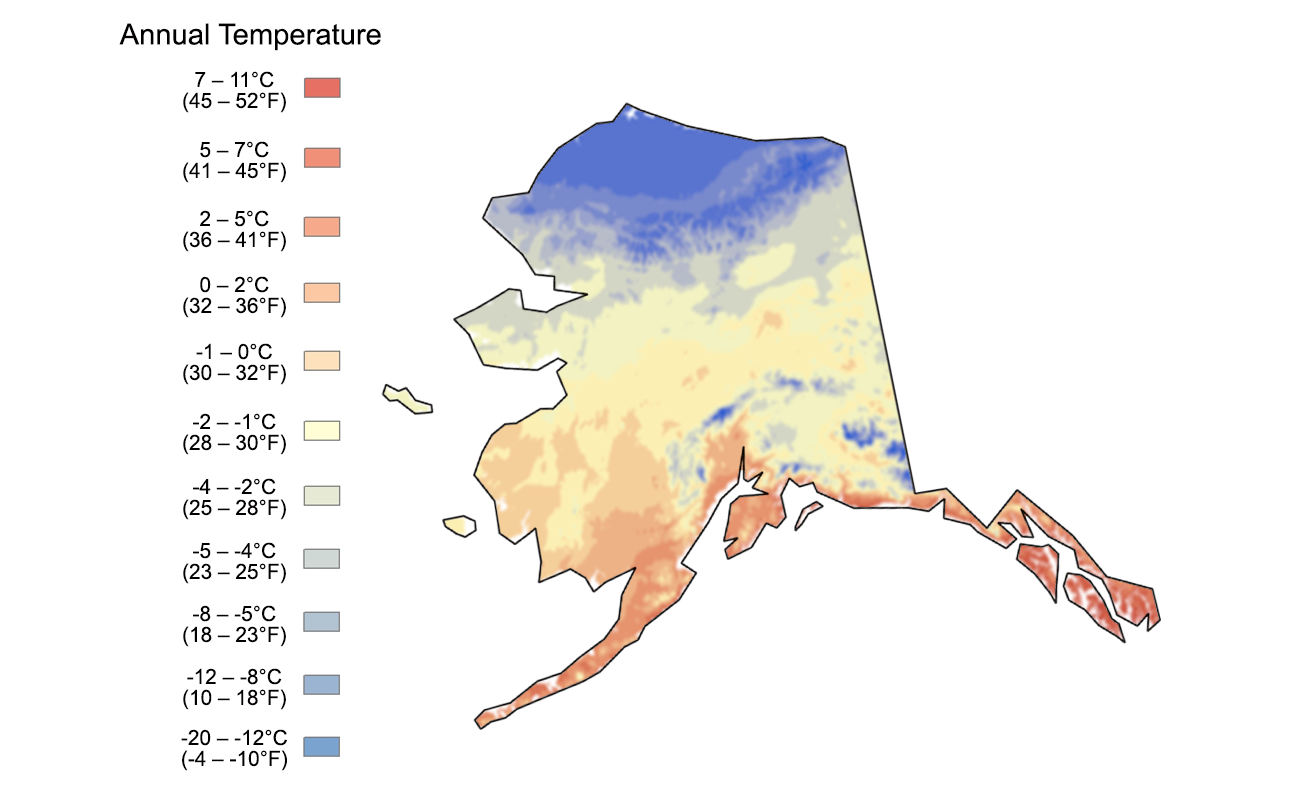
Understanding Alaska’s Diverse Climate Regions
Despite its popular image as an perpetually frozen wilderness, Alaska boasts several distinct climate zones, each offering a unique set of weather experiences. These variations are primarily due to the state’s vast size, varied topography, and proximity to major bodies of water.
Coastal Southeast Alaska: Temperate Rainforests and Mild Winters
The Panhandle region, encompassing cities like Juneau, Sitka, and Ketchikan, is characterized by a maritime climate. Influenced by the warm Pacific Ocean currents, this area experiences relatively mild, wet winters and cool, moist summers. It’s part of the largest temperate rainforest in the world, receiving abundant rainfall throughout the year, especially in autumn. Snowfall is common in winter, but temperatures rarely drop to extreme lows. Travelers here should expect frequent rain, lush greenery, and often overcast skies, even in summer. This climate makes it ideal for cruising and exploring coastal towns, though waterproof gear is a year-round necessity.
Southcentral Alaska: A Balance of Seasons
The Southcentral region, home to Alaska’s largest city, Anchorage, and the scenic Kenai Peninsula (including Seward and Homer), offers a more balanced seasonal climate. Summers are generally mild and pleasant, with average temperatures in the 60s Fahrenheit (15-20°C) and extended daylight hours. Winters are cold and snowy, with temperatures often hovering around 20°F (-6°C), perfect for winter sports. This region benefits from the moderating influence of the Gulf of Alaska but is also significantly impacted by its mountainous terrain, leading to localized variations. Travelers visiting Anchorage will find distinct seasons, making it a versatile destination for different types of adventures, from summer hiking to winter aurora viewing.
Interior Alaska: Extreme Temperatures and Distinct Seasons
Moving inland, the climate shifts dramatically to a subarctic continental pattern. Cities like Fairbanks and destinations like Denali National Park experience some of the most extreme temperature swings in Alaska. Summers are surprisingly warm, with temperatures occasionally reaching into the 80s or even 90s Fahrenheit (27-32°C), though the nights remain cool. Winters, however, are brutally cold, with average temperatures often well below 0°F (-18°C) and record lows plummeting to -50°F (-45°C) or colder. Precipitation is generally low, making it a “cold desert” in winter. The clear, cold winter nights make Interior Alaska a prime location for viewing the Aurora Borealis, while its warm summers are perfect for exploring vast wilderness areas.
Western and Arctic Alaska: Tundra, Ice, and Cold Deserts
Along the western coast and stretching into the Arctic North, the climate is characterized by vast tundra, permafrost, and long, cold winters. Locations such as Nome and Utqiagvik (formerly Barrow) experience extreme cold, strong winds, and minimal sunlight during winter. Summers are short, cool, and often foggy, with temperatures rarely rising above 50°F (10°C). The absence of mountains means the landscape is exposed to harsh winds blowing across the Bering Sea and Arctic Ocean. Travel to these remote regions is highly specialized, often involving bush planes, and largely dictated by ice conditions and weather systems. It offers unique cultural experiences and wildlife viewing, but demands rigorous preparation for the challenging climate.
Seasonal Dynamics: Planning Your Alaskan Journey
Alaska’s pronounced seasons play a pivotal role in dictating the optimal time for different travel experiences. Each season presents a unique set of climatic conditions and corresponding opportunities for adventure.
Summer (June-August): The Peak Travel Season
Summer is undeniably the most popular time to visit Alaska, and for good reason. The long daylight hours, famously known as the Midnight Sun in northern regions, provide ample time for exploration. Temperatures are at their warmest, ranging from the 50s to 70s Fahrenheit (10-25°C) across most populated areas. This season is ideal for cruising the Inside Passage, wildlife viewing (bears, whales, eagles), hiking in national parks like Denali, fishing, and kayaking. While pleasant, travelers should still prepare for rain, especially in coastal areas, and cooler evenings. The extended daylight can be disorienting, so consider bringing an eye mask for sleeping.
Autumn (September-October): Fall Colors and Northern Lights
As summer wanes, Alaska transforms into a canvas of vibrant autumn colors, particularly in Interior Alaska where the tundra and deciduous trees turn brilliant reds, oranges, and yellows. Temperatures begin to drop, with crisp days and frosty nights. This “shoulder season” offers fewer crowds and unique opportunities. It marks the beginning of the prime season for viewing the Aurora Borealis as nights grow longer and darker, especially in regions like Fairbanks. Wildlife, particularly moose and caribou, are active, and salmon runs are still strong. Travelers should pack layers and be prepared for rapidly changing weather conditions, including early snowfalls in higher elevations.
Winter (November-March): A Wonderland of Snow and Ice
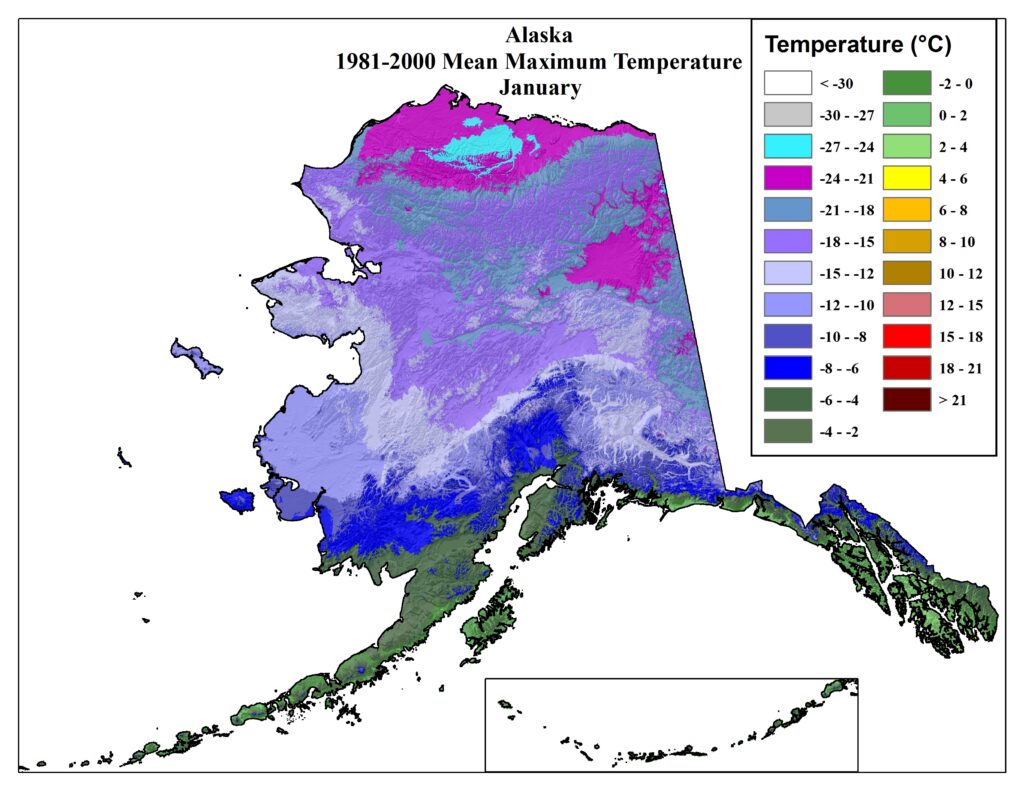
Alaska’s winter is a magical, albeit challenging, time to visit. While some tourist facilities close, a different kind of adventure emerges. Snow blankets much of the state, creating a pristine wonderland perfect for dog sledding, cross-country skiing, snowmobiling, and ice skating. The clear, dark nights of winter provide the best chance to witness the spectacular Aurora Borealis, particularly from January to March. Temperatures are consistently cold, often well below freezing, and daylight hours are significantly reduced, especially in the far north where polar night occurs. Travelers embracing winter should be prepared for extreme cold, dress in multiple warm layers, and understand that some remote areas may be inaccessible.
Spring (April-May): Awakening from Winter
Spring is a transitional period, often referred to as “breakup,” as ice melts and the landscape slowly awakens. While generally less popular for tourism, it offers a glimpse into Alaska’s resilience. Temperatures slowly rise, snow begins to recede, and wildlife emerges from hibernation. This is a quieter time to visit, with fewer crowds and potentially lower prices. However, conditions can be muddy, and many trails might still be inaccessible due to snow or thawing. Coastal areas might experience significant rainfall. Spring is a good time for birdwatching as migratory species return, and offers a unique perspective on the changing seasons, appealing to travelers seeking a more authentic, less commercialized experience.
Preparing for Alaska’s Weather: Practical Travel Advice
Regardless of the season, packing appropriately for Alaska’s unpredictable weather is crucial. Even in summer, conditions can change rapidly, with sunny skies quickly giving way to rain or cool winds.
Layering is Key: The Alaskan Golden Rule
The most important advice for any Alaskan traveler is to master the art of layering. This means wearing multiple thin layers of clothing that can be added or removed as temperatures and activity levels change.
- Base Layer: Moisture-wicking material (synthetic or merino wool) to keep sweat away from your body.
- Mid-Layer: Insulating layer (fleece or down) for warmth.
- Outer Layer: Waterproof and windproof shell jacket and pants to protect against rain, snow, and wind.
Even in summer, it’s wise to carry a warm hat, gloves, and a scarf, especially for boat tours or higher elevations.
Essential Gear for Every Season
Beyond layers, specific items are highly recommended:
- Waterproof Footwear: Sturdy, waterproof hiking boots are essential for exploring trails and navigating wet conditions.
- Insect Repellent: Especially important during summer, as mosquitoes can be prevalent in some areas.
- Sun Protection: Sunglasses, sunscreen, and a wide-brimmed hat are vital, particularly due to the reflective properties of snow and water, and the extended daylight hours.
- Camera Gear: To capture the breathtaking scenery, along with extra batteries, as cold weather can drain them faster.
- Small Backpack: For day trips, to carry extra layers, water, snacks, and personal items.
The Broader Impact: Climate Change and Alaskan Travel
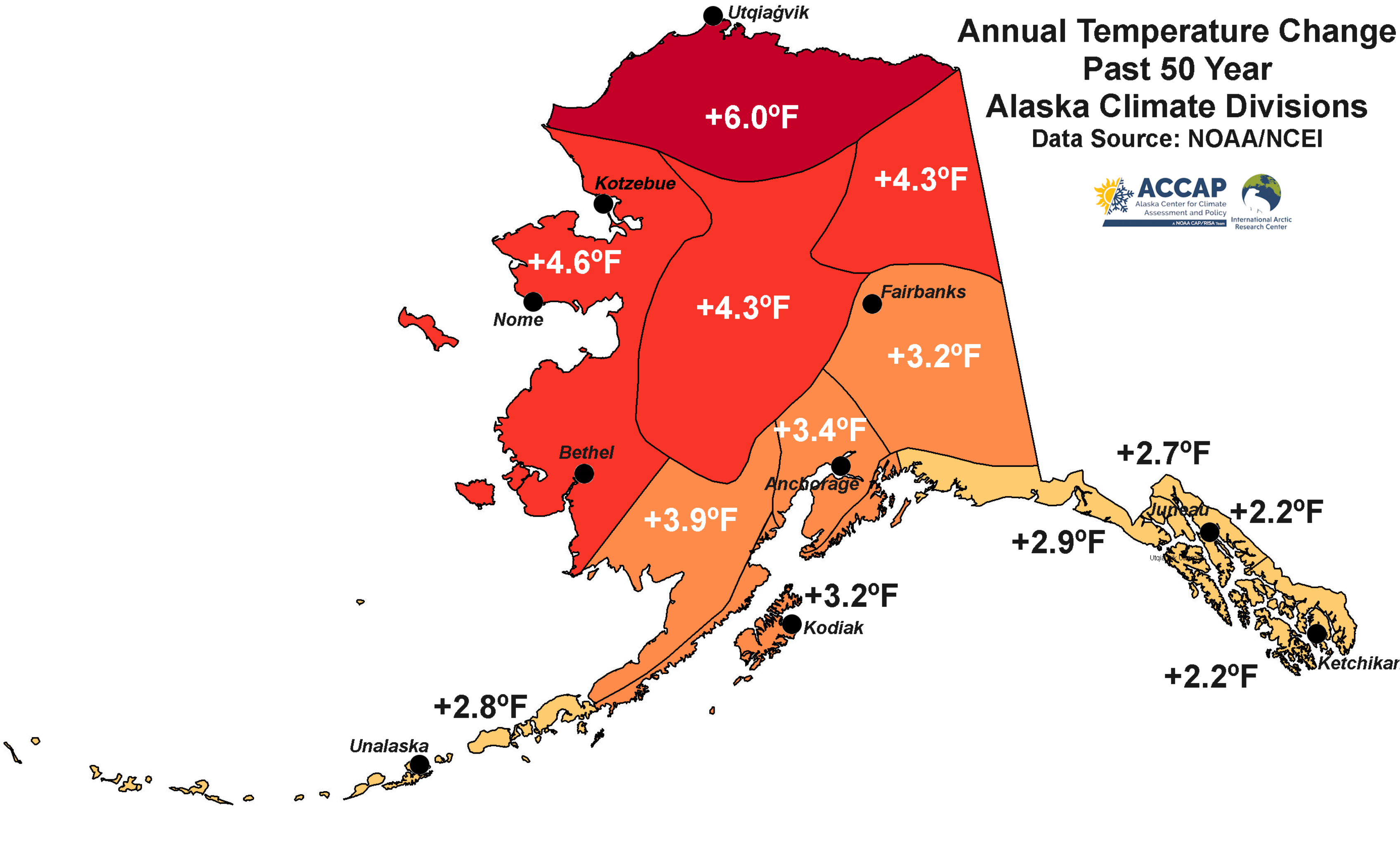
Alaska’s climate is not static; it is at the forefront of global climate change, experiencing warming rates twice the global average. This rapid transformation is already having noticeable impacts on the landscape, ecosystems, and, consequently, the travel experience.
Observable Impacts on the Landscape and Ecosystems
Glaciers are retreating at an alarming rate, affecting iconic natural attractions and coastal environments. Permafrost thaw is reshaping infrastructure and habitats, leading to changes in wildlife distribution and migration patterns. Ocean acidification and warming waters are impacting marine life, including vital salmon populations and whale migration routes. For travelers, this means a dynamic landscape where glaciers may look different year to year, and certain wildlife sightings might become less predictable. Understanding these changes adds a deeper, more poignant layer to the Alaskan journey, highlighting the fragility and majesty of its wilderness.
What This Means for Future Travel Experiences
As the climate continues to evolve, future travel to Alaska may see shifts in optimal travel seasons for certain activities. For instance, winter activities reliant on stable ice and snow might become shorter or less reliable in some areas. The allure of untouched wilderness, however, remains, but with an increased emphasis on sustainable tourism and respectful engagement with the environment. Travelers are increasingly becoming witnesses to these changes, fostering a deeper appreciation for conservation efforts and the urgency of addressing global climate challenges.
Embracing the Elements: A Unique Alaskan Experience
Ultimately, Alaska’s climate is not just a backdrop; it is an intrinsic part of the travel experience. It shapes the magnificent landscapes, dictates the rhythm of life for its wildlife, and influences the spirit of adventure that defines a trip to the Last Frontier.
The Psychology of Light: Midnight Sun and Polar Nights
The extreme variations in daylight hours – from the endless glow of the Midnight Sun in summer to the profound darkness of polar nights in winter – profoundly affect the human experience. Travelers can marvel at the boundless energy that comes with 20+ hours of daylight, perfect for extended excursions, or embrace the reflective quietude and aurora-chasing opportunities offered by winter’s long nights. These unique light cycles are a testament to Alaska’s position at the top of the world, creating a travel experience unlike any other.
An Integral Part of the Journey
Far from being a deterrent, Alaska’s diverse and often challenging climate is what makes it such an extraordinary destination. It demands respect, preparation, and an open mind, rewarding travelers with unparalleled natural beauty, thrilling adventures, and a profound connection to a truly wild place. Whether basking in the summer sun on a glacier cruise or witnessing the Aurora Borealis dance across a frigid winter sky, the climate of Alaska is not merely weather; it is an essential character in the story of your journey. By understanding and preparing for it, you unlock the full potential of this magnificent state.
LifeOutOfTheBox is a participant in the Amazon Services LLC Associates Program, an affiliate advertising program designed to provide a means for sites to earn advertising fees by advertising and linking to Amazon.com. Amazon, the Amazon logo, AmazonSupply, and the AmazonSupply logo are trademarks of Amazon.com, Inc. or its affiliates. As an Amazon Associate we earn affiliate commissions from qualifying purchases.