
Juneau, Alaska’s capital city, offers a distinctive travel experience unlike any other state capital in the United States. Its unique geographical isolation, nestled between towering mountains and the vast waters of the Inside Passage, profoundly shapes its character, economy, and, crucially, its population. For travelers considering a visit to this stunning Alaskan gem, understanding Juneau’s demographic landscape is key to appreciating its charm, planning their trip, and experiencing its authentic local culture. The city’s population size, distribution, and seasonal fluctuations are not just statistics; they are defining elements that contribute to Juneau’s allure as a premier travel destination.

Juneau’s Demographic Landscape: A Snapshot
Juneau’s population is a fundamental aspect of its identity as a travel destination. Far from a sprawling metropolis, Juneau maintains a small-town feel, despite its status as the second-largest city in Alaska by area. This blend of intimate community and capital city responsibilities creates a compelling environment for both residents and visitors.
The Latest Population Figures
As of recent estimates (typically from 2023-2024), the year-round resident population of Juneau hovers around 32,000 to 33,000 individuals. This figure represents a relatively stable population base for a city of its kind, reflecting its economic drivers and unique appeal. While small compared to many capital cities across the United States, this number positions Juneau as a significant population center within Alaska, surpassed only by Anchorage. The exact figure can vary slightly depending on the source (e.g., U.S. Census Bureau estimates), but the general range provides an accurate sense of its size.
To put this into perspective for a traveler, a population of around 32,000 means that Juneau is large enough to support a diverse range of services, including a variety of restaurants, shops, and essential infrastructure, yet small enough to retain a strong sense of community. It avoids the anonymity and overwhelming scale often associated with larger urban areas, offering a more personal and accessible experience for visitors.
A Unique Capital City
One of the most defining characteristics of Juneau is its isolation. It is the only U.S. state capital that cannot be reached by road from the rest of the state or the North American highway system. This geographical reality—surrounded by vast wilderness, the Gastineau Channel, and massive icefields—means access is primarily by air or sea. The Juneau International Airport and the Alaska Marine Highway System serve as critical lifelines connecting the city to the outside world.
This isolation significantly impacts population dynamics. It acts as a natural barrier to rapid population growth and urban sprawl, helping to preserve Juneau’s distinct character and relationship with its natural surroundings. For travelers, this means a destination that feels genuinely remote and wild, even while offering the amenities of a capital city. The journey to Juneau becomes an integral part of the adventure, setting the stage for an unforgettable experience.
Diversity and Community Spirit
Juneau’s population is a mosaic of different backgrounds, contributing to a vibrant and resilient community spirit. The city is home to a significant Alaska Native population, primarily Tlingit, Haida, and Tsimshian peoples, whose rich cultural heritage is deeply woven into the fabric of the city. This heritage is evident in local art, traditions, and the strong community bonds. Beyond the indigenous population, Juneau attracts individuals from across the United States and beyond, drawn by its unique lifestyle, government job opportunities, and stunning natural beauty.
The relatively small population fosters a close-knit atmosphere where community events are well-attended, local businesses thrive on resident support, and a sense of shared responsibility for the environment is palpable. This community spirit is something travelers can feel and engage with, offering opportunities for authentic cultural exchange and a deeper understanding of Alaskan life.
How Population Shapes the Juneau Travel Experience
The size and characteristics of Juneau’s population are not merely demographic details; they fundamentally shape the travel experience for visitors. From the pace of life to the types of interactions travelers can expect, the local population plays a crucial role.
Intimate Encounters vs. Urban Bustle
One of the most appealing aspects of traveling to Juneau is the absence of the overwhelming crowds and frantic pace often found in larger urban destinations. The city’s relatively small year-round population contributes to a more intimate and relaxed atmosphere. Travelers can often enjoy popular attractions without feeling rushed, and interactions with locals tend to be more personal and genuine.
However, it’s essential to note the significant seasonal fluctuation in Juneau’s effective population. During the peak summer cruise ship season (typically May through September), the number of people in the downtown core can swell dramatically, with thousands of cruise passengers disembarking daily. While this brings a lively energy and supports a robust tourism infrastructure, it also means that popular spots like the Mount Roberts Tramway or the area around the Alaska State Capitol can feel much busier. Savvy travelers often plan their visits to attractions during off-peak hours or explore beyond the immediate downtown area to experience Juneau’s more tranquil side.
Accessibility and Infrastructure
The population size dictates the scale and availability of infrastructure in Juneau. While the city boasts an international airport and is a major port for the Alaska Marine Highway System, local transportation within the city is relatively straightforward. There’s a public bus system, but many central attractions are walkable from the cruise ship docks or easily accessible via taxi and shuttle services. The limited number of roads and the compact nature of the downtown area mean less traffic congestion than in larger cities.
Regarding services, the population supports a solid, albeit not extensive, array of amenities. You’ll find diverse dining options, from casual eateries to fine dining, alongside unique local boutiques and essential services. However, travelers seeking extensive shopping malls or a vast choice of chain restaurants might find Juneau’s offerings more specialized and localized, which is often part of its charm.
Local Charm and Authenticity
The smaller population fosters a strong sense of local identity and supports a thriving community of artists, artisans, and small business owners. This translates into a more authentic travel experience. Instead of generic souvenir shops, visitors can discover galleries featuring local Alaska Native art, handcrafted jewelry, and unique Alaskan products. Restaurants often emphasize fresh, local seafood and ingredients, reflecting the region’s bounty.

Travelers have more opportunities to engage with locals, whether it’s chatting with a shop owner, striking up a conversation with a bartender, or sharing a trail with a resident hiker. These interactions can provide invaluable insights into life in Alaska and deepen a traveler’s appreciation for Juneau’s culture and environment. The small population size helps maintain this genuine connection, making Juneau feel less like a tourist trap and more like a welcoming community.
Understanding Juneau’s Economic Drivers Beyond Tourism
While tourism, especially cruise ship visits, is undeniably a significant economic force in Juneau, the city’s year-round population is sustained by a diverse set of industries. Understanding these economic pillars provides a fuller picture of Juneau’s character and resilience as a destination.
Government and Resource Industries
As the capital of Alaska, government is the largest employer in Juneau. State and federal agencies provide stable, year-round employment, which is a crucial factor in maintaining the city’s consistent population. This governmental presence contributes to a professional atmosphere and ensures a base level of services and amenities that benefit both residents and visitors. The Alaska State Capitol building itself is an attraction, offering a glimpse into the state’s political history.
Beyond government, resource industries have historically played and continue to play a vital role. Fishing remains a cornerstone of the economy, with Juneau serving as a hub for commercial fishing fleets and seafood processing. Mining, too, has a long history in the region, dating back to the gold rush era, and still contributes to the local economy. These industries underscore Juneau’s deep connection to Alaska’s natural wealth and add another layer to its cultural fabric, offering unique perspectives for travelers interested in the state’s primary industries.
The Role of Small Businesses
The relatively stable, year-round population supports a vibrant ecosystem of small businesses that cater to local needs. These range from independent bookstores and coffee shops to specialty outdoor gear retailers and professional services. Unlike cities heavily reliant on tourism alone, Juneau’s local businesses thrive on repeat patronage from residents, fostering a sense of community ownership and pride.
For travelers, this means a richer and more authentic array of shopping and dining experiences. You’ll find unique gifts, locally sourced ingredients, and establishments with a distinct personality that reflect the tastes and interests of the Juneau community. Supporting these local businesses not only enriches your travel experience but also contributes directly to the well-being and character of the city.
Planning Your Visit: What Juneau’s Population Means for Travelers
Knowing Juneau’s population dynamics is instrumental in planning a fulfilling and enjoyable trip, helping travelers manage expectations and make the most of their time in this extraordinary capital.
Seasonal Considerations
The impact of seasonal population shifts cannot be overstated. During the summer months, when cruise ships and independent travelers descend upon Juneau, the effective population, particularly in the downtown core, dramatically increases. This surge brings a lively energy, more tour operators, extended hours for businesses, and a broader range of activities. However, it also means potentially higher prices for accommodations, more crowded attractions like the Mendenhall Glacier, and a need for advance bookings for popular excursions such as whale watching or visits to Tracy Arm Fjord.
Conversely, visiting in the shoulder seasons (late April/early May, late September/early October) or during the winter months offers a distinctly different experience. With fewer tourists, the city reverts to its year-round population vibe: quieter, more intimate, and focused on local life. Travelers seeking solitude, opportunities for winter sports, or a deeper immersion into community life will find these periods exceptionally rewarding, often with lower prices and easier access to popular spots.
Accommodation and Dining Availability
The year-round population of around 32,000 means that Juneau has a finite number of hotels, bed and breakfasts, and vacation rentals. While sufficient for the resident population, this limited supply can become strained during peak tourism season. Advance booking for accommodation is highly recommended for summer travel to ensure availability and secure preferred rates. Popular choices often fill up months in advance, especially for specific dates.
Similarly, dining options, while diverse, can experience increased demand. Reservations for popular restaurants, especially those known for their fresh Alaskan seafood, are advisable during the busiest months. Embracing local eateries and understanding that some establishments might have seasonal hours or closures can enhance your culinary journey.
Embracing the Local Pace
Juneau’s population size fosters a relaxed, unhurried pace of life that is often a welcome change for travelers from faster-paced urban environments. This slower rhythm encourages visitors to slow down, savor their experiences, and truly absorb the natural beauty and local culture. The friendly and welcoming nature of the residents, a hallmark of many smaller communities, makes interactions pleasant and memorable. Travelers who approach their visit with an open mind and a willingness to engage with the local community will find their experience significantly enriched.
Beyond the Numbers: The Heart of Juneau
Ultimately, the population statistics of Juneau, while providing a factual basis, only tell part of the story. The true essence of Juneau as a travel destination lies in how its unique demographic make-up interacts with its stunning natural environment and rich cultural heritage.
Juneau’s Enduring Appeal
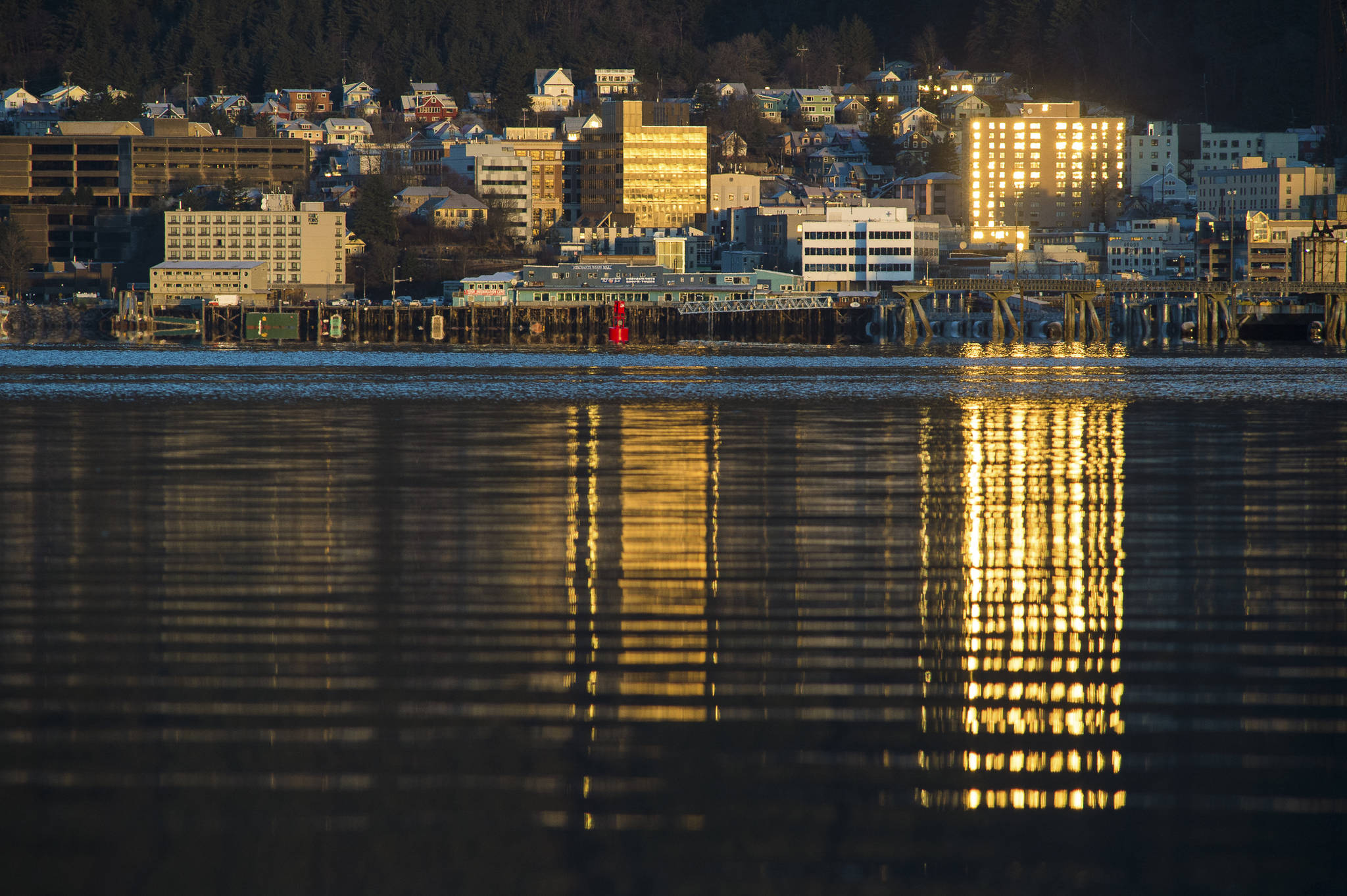
Juneau’s population size, its geographic isolation, and its diverse community combine to create a destination that offers a rare blend of wilderness adventure and genuine small-city charm. It’s a place where the majestic beauty of glaciers and fjords is just a stone’s throw from the bustling Alaska State Capitol and quaint downtown streets. The relatively small resident population ensures that the spirit of Alaska — rugged, welcoming, and deeply connected to nature — remains palpable, even as thousands of visitors arrive each year.
For travelers, this means an opportunity to experience Alaska in a concentrated and authentic way. Whether you’re seeking exhilarating outdoor adventures, cultural immersion, or simply a tranquil escape into breathtaking scenery, Juneau’s population dynamics play a vital role in shaping this unique and unforgettable travel destination. It’s a city that embodies the best of Alaska, where every interaction and every landscape view is touched by its distinct community spirit.
LifeOutOfTheBox is a participant in the Amazon Services LLC Associates Program, an affiliate advertising program designed to provide a means for sites to earn advertising fees by advertising and linking to Amazon.com. Amazon, the Amazon logo, AmazonSupply, and the AmazonSupply logo are trademarks of Amazon.com, Inc. or its affiliates. As an Amazon Associate we earn affiliate commissions from qualifying purchases.