
Anchorage, Alaska, is a city defined by its dramatic landscapes and dynamic climate. Nestled between the Chugach Mountains and the Cook Inlet, Anchorage’s weather is as unique and captivating as the destination itself. For any traveler planning a visit, understanding the seasonal variations is paramount to enjoying the rich tapestry of activities and experiences the region offers. Far from a monotonous forecast, Anchorage presents four distinct seasons, each with its own charm, challenges, and opportunities for adventure. From endless daylight in summer to the ethereal glow of the Northern Lights in winter, the weather here isn’t just a backdrop; it’s an integral part of the Alaskan experience. This guide will delve into what to expect from Anchorage’s climate year-round, offering invaluable tips for tourists to maximize their visit, regardless of when they choose to explore this remarkable city.
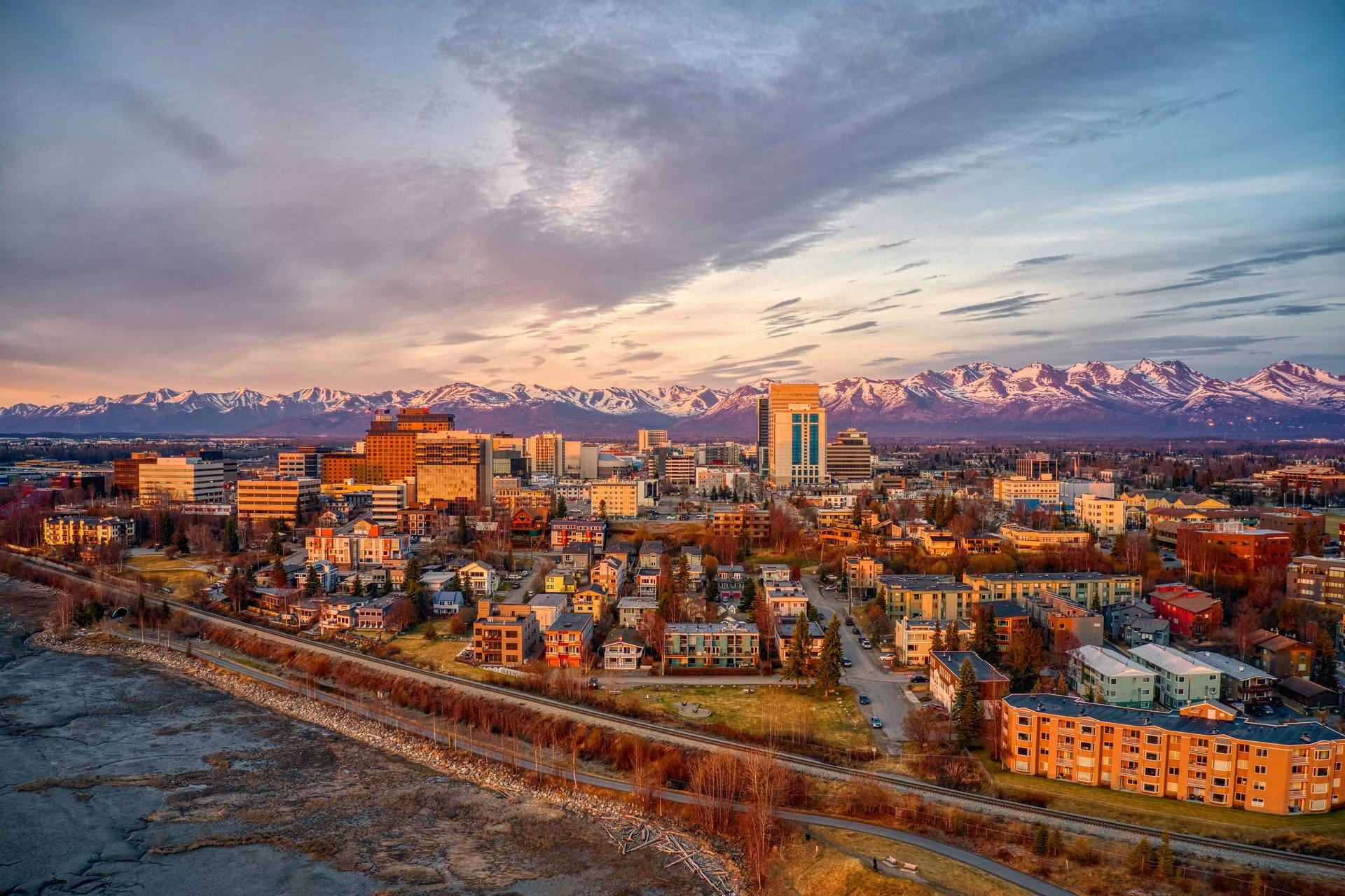
Understanding Anchorage’s Seasonal Climate
Anchorage experiences a subarctic climate, characterized by mild summers and cold, snowy winters. However, its coastal proximity moderates temperatures compared to interior Alaska, preventing extreme cold. The city’s location at 61 degrees North Latitude results in significant variations in daylight hours throughout the year, profoundly influencing daily life and tourist activities. Understanding these seasonal shifts is the first step to a well-prepared and enjoyable trip.
The Bright Allure of Summer (June to August)
Summer is undoubtedly the peak tourist season in Anchorage, and for good reason. From June through August, the city basks in an abundance of daylight, with nearly 19 hours around the Summer Solstice in June. Temperatures are mild and comfortable, typically ranging from the mid-50s to low 70s Fahrenheit (10-22°C). While warm days are common, it’s wise to be prepared for cooler evenings and occasional rain showers. The air is crisp, the landscape is vibrant green, and wildflowers are in full bloom. This is the ideal time for outdoor enthusiasts to explore Alaska’s natural beauty without the constraints of freezing temperatures or limited light. Mosquitoes can be present, especially near standing water, so insect repellent is a valuable addition to your packing list.
The Golden Hues of Autumn (September to October)
As August draws to a close, Anchorage transitions into a breathtaking autumn. September and October bring cooler temperatures, typically in the 30s to 50s Fahrenheit (0-10°C), and a dramatic reduction in daylight hours. However, what autumn lacks in warmth and light, it makes up for in spectacular scenery. The tundra bursts into brilliant reds, oranges, and golds, creating a stunning backdrop for photography and scenic drives. This period often sees less rain than summer, leading to clearer skies. Crucially, as the nights grow longer and darker, autumn marks the return of the Northern Lights viewing season, offering a magical experience before the deep winter chill sets in.
The Winter Wonderland (November to March)
Anchorage’s winter is a season of profound beauty and thrilling adventures. From November to March, the city is transformed into a snowy paradise. Average temperatures hover between 15°F and 30°F (-9°C to -1°C), though colder snaps are common, sometimes dropping below 0°F (-18°C). Snowfall is abundant, turning the landscape into a pristine, white canvas. Daylight hours are significantly reduced, reaching a minimum of approximately 5.5 hours around the Winter Solstice in December. This extended darkness, combined with often clear, crisp nights, provides prime conditions for viewing the aurora borealis. While cold, the dry Alaskan air can make these temperatures feel more manageable than humid cold elsewhere. Proper attire is essential for enjoying the myriad winter sports and festivals.
The Awakening of Spring (April to May)
Spring in Anchorage is a season of transition, marked by the gradual melting of snow and the return of longer daylight hours. April and May see temperatures rise into the 30s to 50s Fahrenheit (0-15°C), with the landscape slowly shedding its snowy blanket. While some outdoor activities may be limited by muddy trails and thawing ice, spring offers a unique glimpse into the awakening of Alaska. Migratory birds return, and wildlife becomes more active as new growth emerges. Spring is considered the shoulder season, offering fewer crowds and potentially lower prices for accommodations and activities, making it an appealing time for budget-conscious travelers or those seeking a quieter experience before the summer rush.
Activities and Experiences Tailored to Each Season
The diverse climate of Anchorage directly dictates the types of activities and experiences available to tourists. Planning your visit around specific weather patterns ensures you can participate in your desired adventures, from vigorous outdoor pursuits to cozy cultural explorations.
Summer Adventures: Hiking, Fishing, and Wildlife Viewing
With its long daylight hours and mild temperatures, summer is perfect for exploring Anchorage’s extensive trail system. Hikers can trek through Chugach State Park to destinations like Flattop Mountain for panoramic city and wilderness views. The Tony Knowles Coastal Trail offers paved paths ideal for biking and leisurely strolls, often providing opportunities to spot moose and bald eagles. Fishing enthusiasts flock to nearby rivers and streams for salmon runs, or embark on guided charters in the Cook Inlet or Prince William Sound for halibut and other species. Wildlife viewing tours thrive, offering chances to see bears, whales, and a variety of Alaskan fauna in their natural habitats. Boat tours into the fjords are particularly popular, providing stunning glacier views.
Autumn Explorations: Fall Foliage and Aurora Chasing
Autumn is a fantastic time for scenic drives and photography, capturing the vibrant fall colors that blanket the landscape. Drives along the Seward Highway offer breathtaking views of mountains, glaciers, and coastline. As the nights grow longer, autumn presents excellent opportunities for chasing the Northern Lights. With less extreme cold than winter and often clear skies, September and October are prime months for aurora viewing just outside the city lights. Many local tour operators offer guided aurora hunts, maximizing your chances of witnessing this celestial spectacle. Hiking remains popular earlier in the season, though trails can become muddy or icy, requiring appropriate footwear.
Winter Thrills: Skiing, Dog Sledding, and Northern Lights
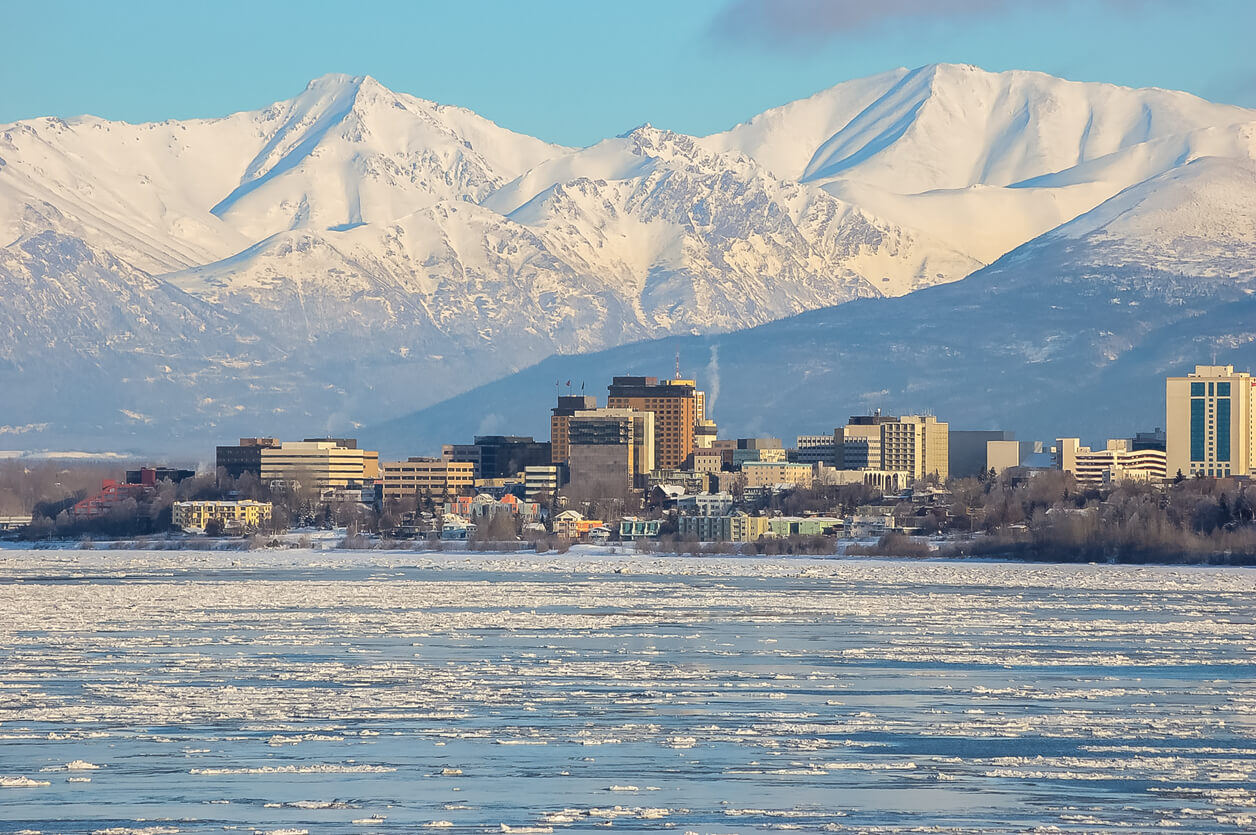
Winter in Anchorage is a playground for snow sports enthusiasts. Downhill skiing and snowboarding are popular at Alyeska Resort in nearby Girdwood or Arctic Valley closer to Anchorage. Cross-country skiing and snowshoeing are widely enjoyed on groomed trails at Kincaid Park and throughout the city. Dog sledding, Alaska’s state sport, offers an iconic experience, with many kennels providing tours and rides. The Iditarod Trail Sled Dog Race ceremonial start in early March is a major draw. And, of course, winter offers the best and most consistent chances to see the mesmerizing Northern Lights, especially during clear, cold nights away from city light pollution.
Spring’s Promise: Thawing Trails and Emerging Wildlife
Spring is a time of renewal. While some trails may be muddy during the “break-up” season, others quickly become accessible. This is an excellent time for birdwatching as migratory species return to Alaska. The thawing landscape reveals fresh growth, and wildlife like moose are frequently seen foraging. Photography enthusiasts can capture unique shots of snow-capped mountains juxtaposed with budding greenery. As crowds are thinner, spring offers a more intimate experience with Anchorage’s natural beauty before the full swing of summer. It’s also a good time to explore indoor attractions like the Anchorage Museum or enjoy local cuisine as the city shakes off its winter slumber.
Essential Packing and Preparation Tips for Tourists
No matter the season, successful travel to Anchorage hinges on proper preparation and packing. Alaska’s weather can be unpredictable, sometimes offering four seasons in a single day, particularly during shoulder months. Being prepared for varying conditions is a key tip for any visitor.
Layering is Key: Dressing for Alaska’s Variable Climate
The golden rule for dressing in Alaska is layering. This allows you to adapt quickly to changing temperatures throughout the day. Start with a moisture-wicking base layer (synthetic or wool, never cotton). Add an insulating mid-layer (fleece or down) for warmth. The outermost layer should be waterproof and windproof, protecting you from rain, snow, and brisk winds. Even in summer, carrying a light jacket or rain shell is highly recommended. In winter, this layering strategy becomes even more critical, often involving multiple base layers, heavy insulation, and a robust outer shell. Don’t forget hats, gloves, and scarves, as body heat is lost rapidly from extremities.
Footwear and Gear: Staying Comfortable and Safe
Appropriate footwear is crucial. In summer and autumn, waterproof hiking boots are ideal for trails, especially given potential mud or wet conditions. For urban exploration, comfortable walking shoes are fine, but ensure they can handle light rain. In winter, insulated, waterproof boots with good traction are non-negotiable for navigating snowy and icy conditions. Consider bringing Yaktrax or similar traction devices if you plan on extended walks on icy surfaces. Other essential gear includes insect repellent for summer, sunscreen (even in winter due to sun reflection off snow), sunglasses (for glare), and a good quality camera to capture the stunning landscapes.
Dealing with Daylight Extremes: Sun and Darkness
The extreme variations in daylight hours in Anchorage require some adjustment. In summer, with nearly 19 hours of daylight, blackout curtains in your accommodation are a blessing for a good night’s sleep. Many locals also use sleep masks. Conversely, in winter, with as little as 5.5 hours of daylight, visitors might experience what’s known as “seasonal affective disorder” (SAD). Making an effort to get outdoors during daylight hours and staying active can help. For Northern Lights viewing, patience is key, and be prepared for long nights out in the cold. A headlamp or flashlight is also invaluable for navigating in the dark winter months.
Winter Driving and Safety
If you plan to rent a car and explore beyond the city in winter, be prepared for snowy and icy road conditions. Four-wheel drive or all-wheel drive vehicles are highly recommended, and many rental agencies offer cars equipped with studded tires. Drive slowly, increase following distances, and be aware of black ice. Always check road conditions before heading out, especially for mountain passes. If you’re not comfortable driving in winter conditions, utilize local tour operators or taxis. Safety is paramount, and familiarity with winter driving practices can make a significant difference in your travel experience.
Beyond the Forecast: Embracing Anchorage’s Climate
Anchorage’s weather is more than just a set of statistics; it’s a defining characteristic of the city and its people. Locals embrace each season, understanding that the weather dictates the rhythm of life and the opportunities for recreation. For tourists, adopting a similar mindset can transform a good trip into an unforgettable one.
Local Resilience and Community Events
The people of Anchorage are known for their resilience and their ability to thrive in a diverse climate. This attitude is reflected in the city’s vibrant calendar of events, many of which are specifically designed to celebrate the distinct seasons. From summer solstice festivals and farmer’s markets to winter carnivals like the Fur Rendezvous and the Iditarod Trail Sled Dog Race ceremonial start, there’s always something happening that draws on the unique weather patterns. Participating in these local events offers a deeper insight into the Alaskan way of life and provides fantastic opportunities to interact with residents. Even mundane activities, like walking to a local coffee shop during a snowfall, become part of a larger, authentic experience.

Appreciating Nature’s Drama
Ultimately, traveling to Anchorage means immersing oneself in nature’s grand drama, and the weather is a central player. The crisp, clean air, the dramatic shifts in light, the gentle falling snow, or the warm summer breeze all contribute to an experience unlike any other. Don’t let a cloudy day or a sudden shower deter you; instead, see it as an authentic part of the Alaskan wilderness. Embrace the unexpected, be prepared for anything, and allow the powerful natural forces to shape your journey. From the towering peaks of the Chugach Mountains to the serene waters of the Cook Inlet, every element of Anchorage’s environment is intricately linked to its weather, creating a destination of unparalleled beauty and adventure.
Whether you dream of endless daylight hikes under a midnight sun or witnessing the shimmering dance of the aurora borealis across a frozen sky, Anchorage, Alaska, promises an unforgettable experience. By understanding its distinct seasonal weather patterns and preparing accordingly, tourists can fully embrace all the activities and natural wonders this remarkable city has to offer. So, pack your layers, prepare for adventure, and get ready to discover the magic of Anchorage’s ever-changing skies.
LifeOutOfTheBox is a participant in the Amazon Services LLC Associates Program, an affiliate advertising program designed to provide a means for sites to earn advertising fees by advertising and linking to Amazon.com. Amazon, the Amazon logo, AmazonSupply, and the AmazonSupply logo are trademarks of Amazon.com, Inc. or its affiliates. As an Amazon Associate we earn affiliate commissions from qualifying purchases.