
For millions of travelers, the query “What terminal is Alaska?” is a common and critical first step in their journey planning. This question typically refers to one of two core aspects: either the terminal operations of Alaska Airlines, one of North America’s premier carriers, or the specific airport terminals one would utilize when flying into the majestic state of Alaska itself. Understanding these distinctions and knowing where to go is paramount for a seamless and stress-free travel experience. This guide will delve into the terminal landscape for both the airline and the destination, offering comprehensive insights for every traveler.
Navigating the Hubs of Alaska Airlines
Alaska Airlines has built a formidable presence, particularly along the West Coast of the United States. Its operational strategy centers around key hub airports where it maintains a significant terminal footprint, streamlining connections and passenger flow.
Understanding Alaska Airlines’ Primary Operating Model
Alaska Airlines primarily operates from single, dedicated terminals or specific concourses within larger terminals at its major hubs. This approach is designed to enhance efficiency, reduce passenger confusion, and facilitate easier transfers, especially for those connecting to flights within the Alaska Airlines network or its Oneworld alliance partners. While the airline’s overall network spans across North America and beyond, its terminal strategy is most concentrated in its core operational areas. Travelers can almost always expect modern amenities, a range of dining options, and access to Alaska Lounge facilities where available.
Key Terminals at Major Hubs
The terminal assignments for Alaska Airlines are critical pieces of information for anyone flying with the carrier.
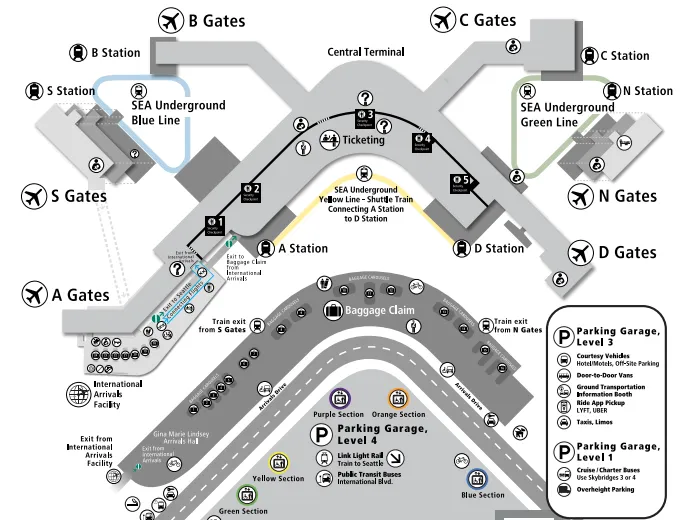
- Seattle-Tacoma International Airport (SEA): As Alaska Airlines’ primary hub, SEA is where the airline has its most extensive operations. Alaska Airlines flights typically depart from the Central Terminal area, primarily utilizing Concourse C, Concourse D, and the North Satellite. The North Satellite is a state-of-the-art facility featuring enhanced gate areas, diverse retail, and dining options, and multiple Alaska Lounge locations, easily accessible via the airport’s underground train system.
- Portland International Airport (PDX): A significant focus city for Alaska Airlines, PDX sees the airline operating predominantly from Concourse B and Concourse C within the single passenger terminal building. Its operations here are well-integrated, allowing for efficient check-in and boarding processes, complemented by the distinctive local character of PDX’s acclaimed concessions.
- San Francisco International Airport (SFO): In San Francisco, Alaska Airlines operates from Terminal 2. This modern terminal offers a comfortable and aesthetically pleasing environment for travelers, featuring a wide array of dining and shopping experiences, and easy access to ground transportation.
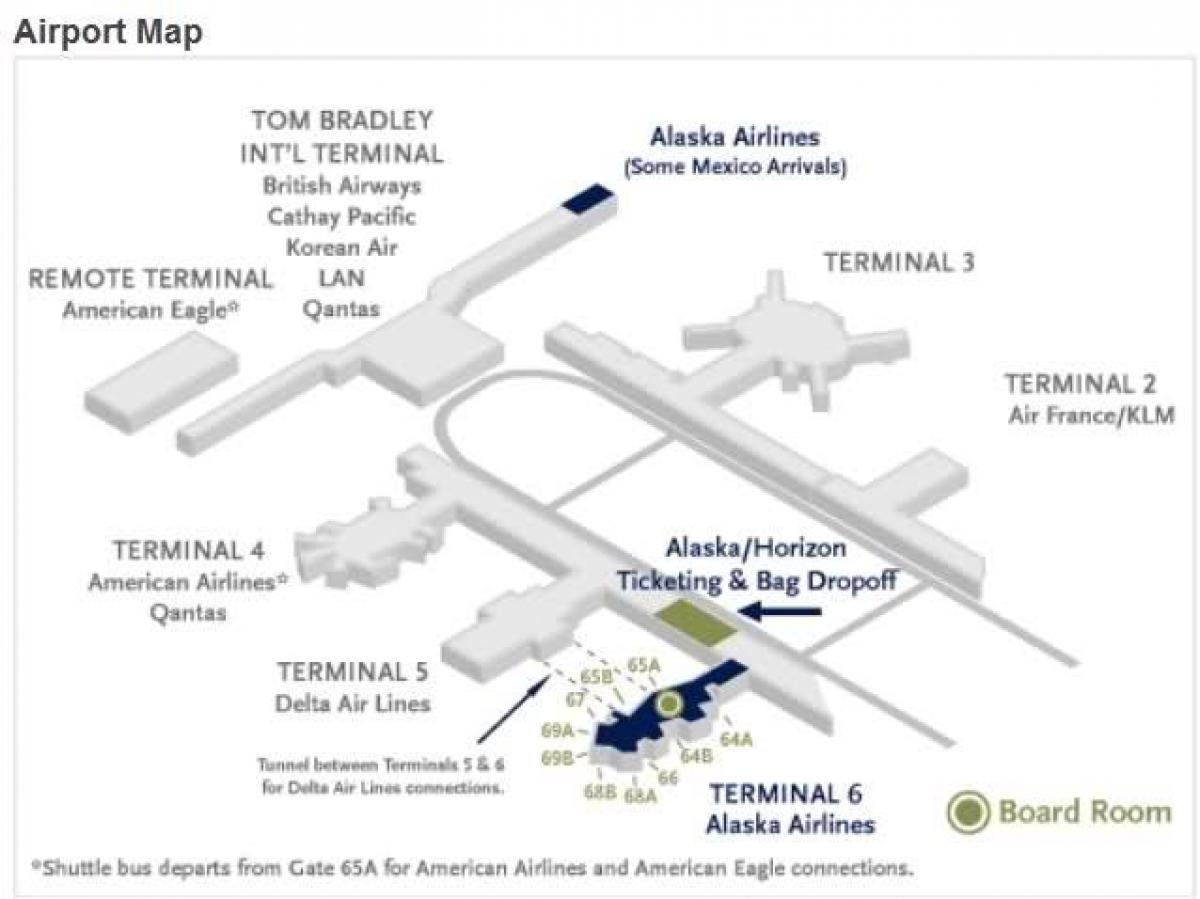
- Los Angeles International Airport (LAX): LAX is another crucial hub where Alaska Airlines has a strong presence, operating primarily out of Terminal 6. Terminal 6 at LAX is well-equipped with amenities, including an Alaska Lounge, and offers relatively straightforward connections for those traveling through one of the busiest airports in the world.
- Anchorage Ted Stevens International Airport (ANC): For direct travel to the state of Alaska, Alaska Airlines is the dominant carrier at ANC. All major airline operations, including Alaska Airlines, occur in the South Terminal. This terminal is specifically designed to handle the unique demands of Alaskan travel, including seasonal surges and the transport of specialty equipment.
Terminal Features and Passenger Experience
Across these key terminals, Alaska Airlines strives to provide a consistent and positive passenger experience. This includes dedicated check-in counters, efficient security checkpoints, and clear signage to guide travelers to their gates. Many of their operating terminals feature Alaska Lounge locations, offering a quiet and comfortable space for eligible passengers to relax, work, and enjoy complimentary refreshments before their flights. The focus is always on minimizing transit times and maximizing comfort, reflecting the airline’s commitment to customer satisfaction.
Alaska Airlines’ Presence Beyond Its Main Hubs
While the West Coast anchors Alaska Airlines’ operations, its network extends across the United States and to select international destinations. This broader reach necessitates understanding its terminal presence in various other key airports.
East Coast and Midwest Operations
Alaska Airlines offers numerous direct routes from its West Coast hubs to major cities on the East Coast and in the Midwest. In these locations, Alaska Airlines typically operates from terminals shared with other domestic carriers, often at the main passenger terminal or a designated concourse. For instance, travelers flying with Alaska Airlines to cities like New York, Boston, or Chicago should consult their boarding passes or the airport’s official website for the most up-to-date terminal information. Common airports include:
- New York’s John F. Kennedy International Airport (JFK): Alaska Airlines typically uses Terminal 7.
- Newark Liberty International Airport (EWR): Operations are often from Terminal B.
- Boston Logan International Airport (BOS): Alaska Airlines can be found in Terminal B.
- O’Hare International Airport (ORD) in Chicago: Alaska Airlines generally uses Terminal 3.
- Dallas/Fort Worth International Airport (DFW): Operations are typically from Terminal E.
These terminal assignments are subject to change based on airport renovations, airline partnerships, and operational adjustments, making real-time verification crucial.
International Gateways and Partner Airlines
While Alaska Airlines primarily focuses on domestic routes, its membership in the Oneworld alliance significantly expands its global reach. This partnership means that travelers booking international itineraries with Alaska Airlines might find themselves connecting with partner airlines like American Airlines. When flying internationally, terminal assignments can become more complex, especially in major gateway airports where multiple airlines within an alliance might operate from different terminals or concourses. Passengers should pay close attention to the specific terminal information provided for their connecting flights, as it might differ from Alaska Airlines’ usual domestic terminal.
Check-in and Boarding Processes Across Terminals
Regardless of the terminal, Alaska Airlines generally maintains consistent check-in and boarding procedures. Travelers can utilize self-service kiosks, dedicated counter services, or convenient online/mobile check-in options. Boarding typically follows a structured group system designed to ensure efficiency. It’s always advisable to arrive at the airport with ample time, especially for flights from larger, busier terminals, to account for potential queues at check-in, security, and the journey to the gate.
Terminal Specifics for Flying to the State of Alaska
Beyond the airline, the question “What terminal is Alaska?” can also refer to the airports and terminals travelers will encounter when journeying to the state of Alaska itself. The Last Frontier is served by a network of airports, with Anchorage serving as the primary gateway.

Arriving at Anchorage Ted Stevens International Airport (ANC)
Anchorage Ted Stevens International Airport (ANC) is the largest and busiest airport in Alaska and the main entry point for most visitors. The airport comprises two main terminals: the South Terminal (also known as the Main Passenger Terminal) and the North Terminal (primarily for cargo and international charters).
- South Terminal: This is where virtually all commercial passenger flights, including those operated by Alaska Airlines and other major carriers like Delta Air Lines, United Airlines, and American Airlines, arrive and depart. The South Terminal is well-equipped to handle the influx of tourists during peak seasons, offering car rental services, dining options, and access to ground transportation. Its design also incorporates elements of Alaskan culture and wildlife, providing a welcoming introduction to the state.
Other Key Airports in Alaska
While ANC is the primary gateway, other significant airports serve the state, often for regional travel or as direct entry points for specific destinations.
- Fairbanks International Airport (FAI): Serving Interior Alaska, FAI is another crucial airport, especially for those heading north to see the Northern Lights or access remote areas. Similar to ANC, it features a single main passenger terminal for commercial flights. Alaska Airlines is a major operator here.
- Juneau International Airport (JNU): As the capital city, Juneau is primarily accessible by air or sea due to its unique geographical location. JNU has a single terminal building handling all commercial passenger traffic, with Alaska Airlines again being the dominant carrier.
- Regional and Bush Airports: Beyond these main hubs, dozens of smaller airports and airstrips dot the Alaskan landscape, vital for connecting remote communities. These typically consist of single, often modest, terminal buildings or even just a small office for regional carriers. Travel to these destinations is an adventure in itself, often involving smaller aircraft and unique logistical considerations.
Connecting Flights and Regional Travel within the State
For travelers venturing beyond Anchorage, Fairbanks, or Juneau, connecting flights are a common necessity. Alaska Airlines plays a pivotal role in this regional network, offering extensive connections from its main hubs to smaller cities and towns across the state. These connections typically originate from the same main passenger terminals, ensuring a relatively smooth transfer process even when changing aircraft to smaller propeller planes for the final leg of the journey. Planning for sufficient layover time is always recommended when making these regional connections, especially given Alaska’s sometimes unpredictable weather conditions.
Essential Tips for a Seamless Airport Experience
Whether you’re flying with Alaska Airlines or traveling to the state of Alaska, a well-prepared approach can significantly enhance your airport experience.
Pre-Flight Preparations: Online Check-in and App Usage
Always leverage technology to your advantage. Most airlines, including Alaska Airlines, offer online or mobile check-in 24 hours prior to departure. This not only saves time at the airport but often allows you to receive your boarding pass digitally, reducing the need for printed documents. The Alaska Airlines mobile app is particularly useful, providing real-time flight status updates, gate changes, and terminal information directly to your device. Confirming your terminal and gate well in advance can prevent last-minute rushes and confusion.
Navigating Security and Gates
Security checkpoints can often be the most time-consuming part of the airport experience. Be prepared by having your ID and boarding pass readily available, and follow TSA guidelines for liquids and electronics. Once through security, follow airport signage to your assigned gate. In larger airports like SEA or LAX, allow extra time to walk or take airport shuttles/trains to reach distant concourses or satellite terminals. Familiarize yourself with the airport layout beforehand using online maps if possible.
Leveraging Airport Amenities and Lounges
Modern airport terminals offer a wealth of amenities. If you have time before your flight, explore the dining and retail options. For eligible travelers, access to airline lounges, such as the Alaska Lounge, can provide a more comfortable and productive pre-flight environment with complimentary food, beverages, and Wi-Fi. Many airports also offer charging stations, comfortable seating areas, and even art installations to make your wait more pleasant.
Future Developments and Terminal Modernizations
Airport infrastructure is constantly evolving, with ongoing projects to enhance capacity, efficiency, and the passenger experience. These developments can and do affect terminal assignments and operations for airlines like Alaska Airlines.
Ongoing Airport Enhancements Affecting Alaska Airlines
Many of Alaska Airlines’ primary hubs, including SEA, PDX, and LAX, are undergoing significant expansion and modernization programs. These projects often involve renovating existing concourses, adding new gates, and improving baggage handling systems. Such changes can lead to temporary adjustments in gate assignments or even terminal relocations, though major airlines typically strive to minimize disruption. Staying informed through official airport and airline communications is the best way to keep abreast of these changes.
Impact of Airline Partnerships on Terminal Assignments
The strengthening of airline alliances, like Oneworld, can also influence terminal strategies. As partners aim to co-locate operations to facilitate easier transfers, there might be shifts in terminal assignments to bring alliance members closer together. This collaboration benefits passengers by reducing walking distances for connecting flights and consolidating services. For Alaska Airlines, its deepened partnership with American Airlines within Oneworld could see further alignment in shared terminal spaces at key airports in the future.
In conclusion, whether your question about “What terminal is Alaska?” refers to the operational home of Alaska Airlines or your gateway to the magnificent landscapes of the state of Alaska, the answer lies in understanding the specific airport and consulting up-to-date travel information. With careful planning and a little knowledge, navigating these terminals can be a smooth and enjoyable part of your travel adventure.
LifeOutOfTheBox is a participant in the Amazon Services LLC Associates Program, an affiliate advertising program designed to provide a means for sites to earn advertising fees by advertising and linking to Amazon.com. Amazon, the Amazon logo, AmazonSupply, and the AmazonSupply logo are trademarks of Amazon.com, Inc. or its affiliates. As an Amazon Associate we earn affiliate commissions from qualifying purchases.