
The allure of sushi is undeniable, a delicate balance of art, tradition, and flavor that has captured palates worldwide. Among the vast repertoire of rolls available in contemporary Japanese-inspired restaurants, the Alaska Roll stands out as a curiously named creation. With its evocative title, it conjures images of pristine wilderness, icy waters, and abundant seafood from the Last Frontier. But what exactly is in an Alaska Roll, and does its name truly reflect a connection to its namesake state? For anyone exploring the world of food tourism, understanding the origins and ingredients of such dishes offers a fascinating glimpse into culinary fusion and cultural interpretation.
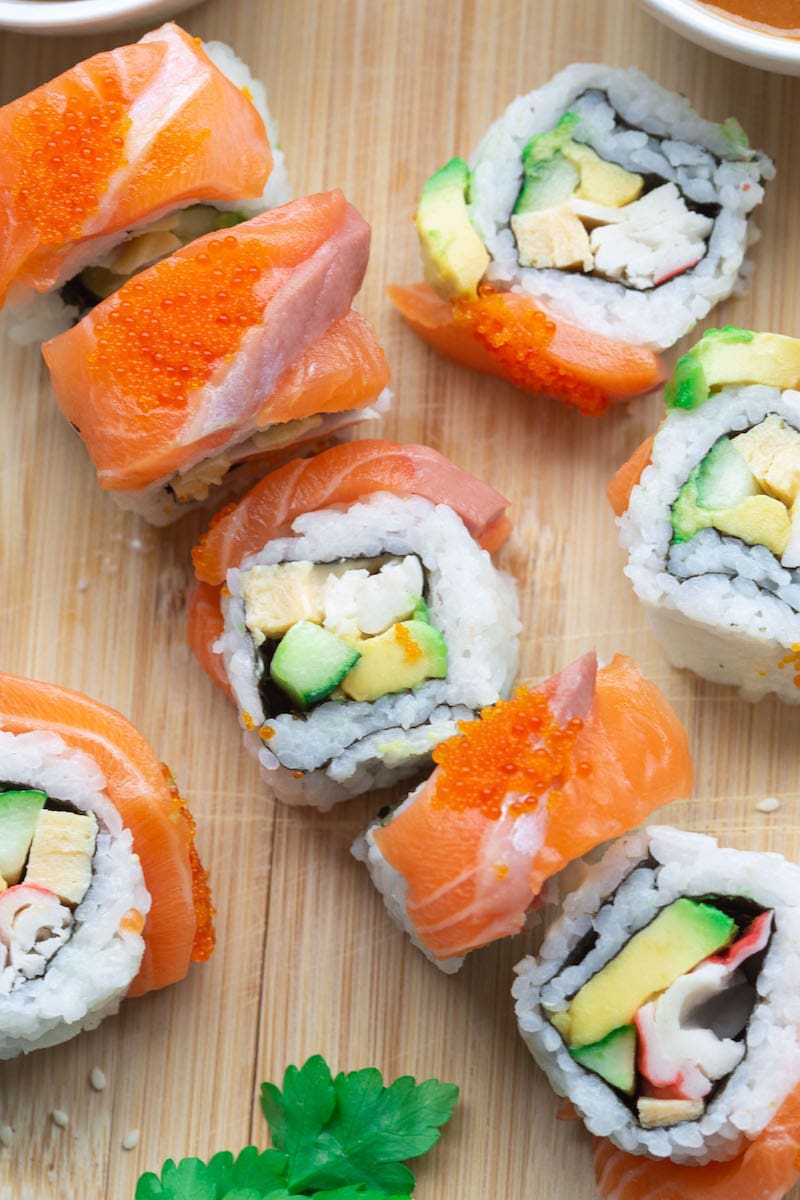
Unpacking the Alaska Roll: A Culinary Profile
At its heart, the Alaska Roll is a testament to the versatility and adaptability of sushi, a beloved dish that has evolved significantly beyond its traditional Japanese roots. It’s a prime example of how local ingredients and global influences converge to create new and exciting flavors that resonate with diverse audiences.
Core Ingredients: The Defining Elements
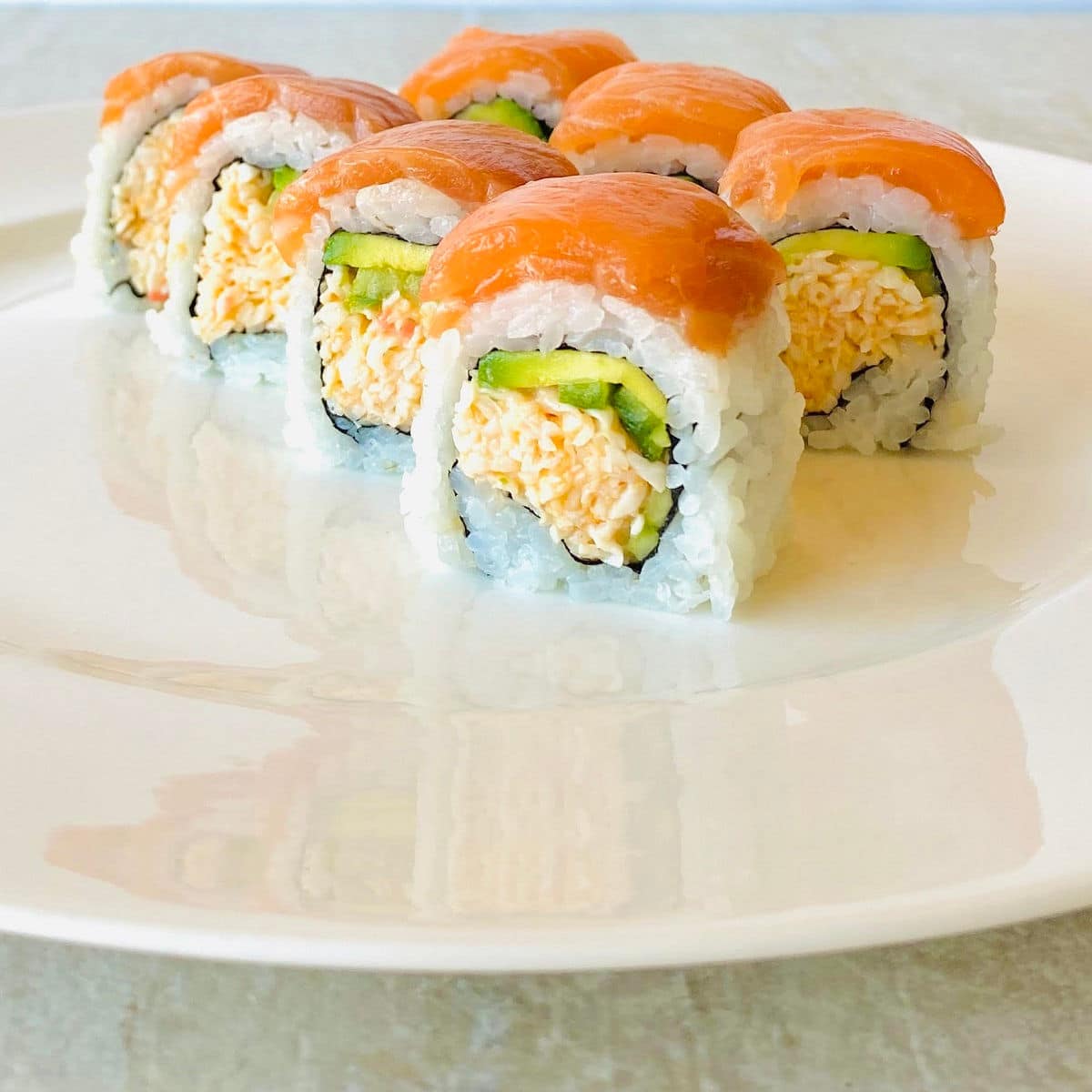
A standard Alaska Roll typically features a harmonious blend of several key components that contribute to its distinctive taste and texture. The primary protein is almost always salmon, often smoked, though fresh salmon is also a common and delightful variation. This salmon is usually paired with creamy avocado and crisp cucumber, offering a delightful contrast in textures. These fillings are meticulously rolled with vinegared sushi rice and wrapped in a sheet of nori (dried seaweed), creating a compact and visually appealing cylindrical shape.
The beauty of these core ingredients lies in their simplicity and synergy. The richness of the salmon, whether smoky or buttery fresh, is perfectly complemented by the creamy, earthy notes of avocado and the refreshing crunch of cucumber. The slightly sweet and tangy sushi rice provides the ideal foundation, binding the flavors together, while the nori adds a subtle oceanic depth and structural integrity. This combination results in a roll that is both satisfying and remarkably balanced, appealing to both seasoned sushi enthusiasts and newcomers alike. It’s a culinary experience that highlights the quality of its components, making it a favorite on menus across North America and beyond.
The Salmon Connection: Why Alaska?
The most obvious link between the Alaska Roll and the state of Alaska is, unequivocally, salmon. Alaska is renowned globally for its vast and pristine waters, which are home to some of the world’s most abundant and sustainably managed wild salmon populations. Species like Sockeye, Coho, King (Chinook), Pink, and Chum salmon thrive in Alaskan rivers and coastal areas, making the state a powerhouse in the commercial salmon industry.
The association with Alaska through salmon is a brilliant piece of culinary branding, whether intentional or not. Even if the roll wasn’t invented in Alaska, the use of salmon immediately evokes images of [Alaska]’s natural bounty, its rugged landscapes, and its commitment to fresh, high-quality seafood. For many, the name “Alaska Roll” suggests a premium product, drawing on the reputation of Alaskan salmon as some of the finest in the world. This perception is a powerful driver in food tourism, where the name of a dish can transport diners to a specific place, even if only in their imagination. It taps into the desire for authentic, natural, and high-quality ingredients, aligning perfectly with [Alaska]’s image as a source of exceptional marine life.
Variations and Regional Interpretations
While the classic Alaska Roll maintains its core components, like any popular dish, it has spawned numerous variations and regional interpretations. These adaptations reflect local tastes, available ingredients, and the creativity of sushi chefs worldwide.
One common addition is cream cheese, which introduces an even richer, tangier element to the roll, transforming it into a more decadent experience. This particular variation is sometimes explicitly called an “Alaska Cream Cheese Roll” or “Philly Alaska Roll” in some establishments, a nod to the popular Philadelphia Roll that similarly incorporates cream cheese. Another popular enhancement is the addition of masago (capelin roe) or tobiko (flying fish roe) on the outside, providing a vibrant pop of color and a subtle briny crunch. Some restaurants might also introduce different types of salmon, such as seared salmon for a smoky char, or even tempura-fried salmon for a crispy texture. Other chefs might incorporate additional vegetables like asparagus or scallions, or add a drizzle of spicy mayo or eel sauce for an extra kick of flavor.
These variations highlight the dynamic nature of fusion cuisine. As the Alaska Roll traveled from its likely place of origin (somewhere in [North America]) to different regions, it naturally absorbed local influences and preferences. This evolution ensures the roll remains fresh and exciting, appealing to a broad spectrum of tastes and continuously adapting to new culinary landscapes.
The Curious Case of Origin: Is It Truly Alaskan?
Despite its compelling name, the Alaska Roll presents a fascinating paradox regarding its true origins. Unlike dishes that are deeply embedded in the culinary traditions of their namesake regions, the Alaska Roll is widely considered to be a product of culinary innovation outside of [Alaska]’s borders.
Debunking the Myth: A Global Creation
It’s a common misconception that the Alaska Roll is a traditional [Alaskan] dish, perhaps born from the fishing villages along its rugged coast. However, gastronomic historians and food experts generally agree that the Alaska Roll, much like the ubiquitous California Roll, is a modern invention of Japanese-American fusion cuisine. It likely originated in a sushi restaurant somewhere in [North America], designed to appeal to Western palates with its combination of familiar ingredients and mild flavors.
Traditional Alaskan cuisine, while heavily reliant on the incredible seafood bounty of the region, typically involves preparations like grilling, smoking, or baking salmon, often served with wild berries or indigenous vegetables. You’d be hard-pressed to find a sushi roll like the Alaska Roll as a staple in traditional [Alaskan] homes or local eateries that focus on historical fare. This distinction is crucial for food tourists seeking genuine local cultural experiences. While the roll is delicious, it’s more a celebration of [Alaska]’s resources rather than its culinary heritage.
The Influence of Japanese Cuisine in North America
The emergence of rolls like the Alaska Roll is a direct consequence of the widespread adoption and adaptation of Japanese cuisine in [North America]. When sushi first began gaining popularity outside of Japanese communities in the mid-20th century, chefs found ways to make it more approachable to a new audience. This often involved introducing cooked ingredients, incorporating creamier textures, and moving away from raw fish in some rolls – or pairing it with universally loved flavors like avocado.
The California Roll, famously credited to chefs in either Los Angeles or Vancouver in the 1960s or 70s, pioneered the “inside-out” roll (uramaki) and introduced ingredients like imitation crab, avocado, and cucumber, quickly becoming a gateway sushi item. The Alaska Roll followed a similar trajectory, leveraging popular ingredients and a compelling name to carve out its own niche. These fusion creations helped demystify sushi, making it a mainstream dining option and significantly influencing the global sushi landscape. They represent a dynamic cultural exchange, where culinary traditions are reinterpreted and reinvented to suit new environments.

Symbolism vs. Authenticity in Food Tourism
The Alaska Roll serves as an excellent case study for understanding the difference between symbolism and authenticity in food tourism. Many dishes are named after places without necessarily originating there or being traditional to the region. Think of the New York Cheesecake, which has roots in ancient Greece, or Chicago Deep Dish Pizza, which, while strongly associated with Chicago, is a relatively modern invention in the context of pizza history.
In the realm of tourism, such names play a powerful psychological role. They create an immediate connection to a place, evoking images and qualities associated with it. For the Alaska Roll, the name taps into [Alaska]’s reputation for pristine wilderness and abundant, high-quality salmon. It’s less about historical culinary authenticity and more about leveraging a geographic identity to market a dish that resonates with specific taste preferences. Tourists encountering an Alaska Roll might feel a subtle connection to Alaska, even if they are dining thousands of miles away. This phenomenon underscores how food can act as a cultural ambassador, conveying perceptions and imagery, even when divorced from strict historical origins.
The Alaska Roll Experience: Beyond the Plate
Beyond its ingredients and intriguing origins, experiencing an Alaska Roll is part of a broader culinary journey that offers tips for enjoyment and a deeper appreciation of global cuisine.
Where to Find a Great Alaska Roll
For tourists or locals keen to savor a well-executed Alaska Roll, the key lies in selecting the right establishment. A great sushi restaurant will prioritize freshness above all else. Look for places with a steady stream of customers, which often indicates high ingredient turnover. Observe the cleanliness of the establishment and the skill of the sushi chefs. The salmon should look vibrant and fresh, the avocado perfectly ripe, and the rice should be seasoned just right, neither too sticky nor too dry.
Don’t hesitate to ask your server about the type of salmon used or any specific preparations. A knowledgeable staff can often guide you to the freshest options. While chain restaurants can offer consistency, exploring independent sushi bars, especially those with an established local reputation, might yield hidden gems and unique interpretations of the Alaska Roll. Engaging with the local culinary scene, even for a fusion dish, is a rewarding aspect of tourism.
Pairing Suggestions and Complementary Flavors
To enhance the dining experience of an Alaska Roll, consider thoughtful pairings. For beverages, traditional Japanese options like sake or green tea are excellent choices. A dry sake can complement the richness of the salmon without overpowering it, while green tea offers a refreshing counterpoint that cleanses the palate. For those who prefer alcoholic beverages, a light Japanese lager or a crisp white wine, such as a Sauvignon Blanc or Pinot Grigio, would also pair beautifully, echoing the freshness of the roll’s ingredients.
Complementary side dishes can further elevate the meal. A warm bowl of miso soup can start the experience, offering umami depth. Edamame provides a simple, savory snack, while a vibrant seaweed salad adds another layer of oceanic flavor and a different texture. These additions transform a simple roll into a more complete and satisfying meal, embodying the holistic approach to dining often found in Japanese cuisine.
The Cultural Impact of Fusion Cuisine
The Alaska Roll is more than just a tasty dish; it’s a symbol of cultural exchange and the evolving nature of global gastronomy. Fusion cuisine, by its very definition, involves the blending of culinary traditions from different cultures. Rolls like the Alaska Roll demonstrate how food can transcend geographical boundaries, adapting and reinventing itself to suit new palates and ingredient availability.
This phenomenon is incredibly important for tourism. It shows that experiencing a culture through its food doesn’t always mean consuming strictly traditional dishes. It can also involve appreciating how a culture influences and is influenced by others, leading to innovative and delicious outcomes. Enjoying an Alaska Roll is a way to participate in this global culinary dialogue, understanding how the world’s kitchens are increasingly interconnected and constantly inspiring one another. It encourages an open-minded approach to food, where innovation is celebrated alongside tradition.
Exploring Alaska’s True Culinary Landscape
While the Alaska Roll evokes the spirit of Alaska, for those truly interested in the state’s local culture and cuisine, it’s essential to look beyond the roll to discover its authentic gastronomic treasures.
Beyond the Roll: Authentic Alaskan Delicacies
When you travel to Alaska, you’ll encounter a culinary scene deeply rooted in its environment and traditions. The true stars are the pristine ingredients harvested from its land and sea. Wild salmon, in its various forms (grilled, smoked, baked, even canned), remains king. But the seafood bounty extends far beyond, featuring succulent Alaskan King Crab and Snow Crab, sweet Spot Prawns, and rich Halibut. Many restaurants will feature “fresh catch of the day” preparations that are a must-try.
Beyond seafood, game meats like caribou, reindeer (often found in sausages), and moose are traditional staples for many Alaskans and are increasingly available in high-end restaurants. The short but intense summer season yields a profusion of wild berries – blueberries, raspberries, salmonberries, and cranberries – which are incorporated into desserts, jams, and sauces. For a truly authentic experience, seeking out locally sourced and prepared dishes offers a direct connection to [Alaska]’s unique cultural and natural heritage, a stark contrast to the fusion delight of the roll that bears its name.
The Role of Food in Alaskan Tourism
Food plays a critical role in Alaskan tourism, often drawing visitors who are eager to sample the world-class seafood they’ve heard so much about. From high-end dining in Anchorage and Juneau to rustic seafood shacks in coastal towns like Homer or Ketchikan, the opportunity to taste fresh, wild-caught seafood is a major attraction. Many cruise lines and tour operators even feature culinary excursions, such as salmon bakes or crab feasts, that immerse visitors in the local food scene.
These food experiences go hand-in-hand with [Alaska]’s natural attractions. Imagine enjoying a perfectly grilled piece of halibut while overlooking a stunning fjord or savoring freshly picked wild berries after a hike through temperate rainforest. Food in Alaska is often an integral part of the overall adventure, enhancing the sense of place and providing memorable connections to the environment. It is here that the concept of “food tourism” truly comes alive, offering not just sustenance, but an experience deeply intertwined with the destination’s identity.
In conclusion, the Alaska Roll is a culinary delight, a delicious testament to the power of fusion cuisine and clever branding. While it may not trace its direct lineage to the frosty kitchens of Alaska, it certainly leverages the state’s magnificent reputation for producing some of the world’s finest salmon. It’s a fantastic entry point for those new to sushi or anyone seeking a reliably satisfying flavor profile. As a component of global food tourism, it stands as a reminder that culinary experiences are diverse, ranging from deeply traditional to wonderfully innovative. Enjoy your Alaska Roll for what it is: a delicious, widely loved, and expertly crafted piece of sushi, while also appreciating the rich and authentic culinary landscape that truly awaits in the majestic state of Alaska.
LifeOutOfTheBox is a participant in the Amazon Services LLC Associates Program, an affiliate advertising program designed to provide a means for sites to earn advertising fees by advertising and linking to Amazon.com. Amazon, the Amazon logo, AmazonSupply, and the AmazonSupply logo are trademarks of Amazon.com, Inc. or its affiliates. As an Amazon Associate we earn affiliate commissions from qualifying purchases.