
Alaska, the “Last Frontier,” evokes images of majestic mountains, vast wilderness, and an untamed spirit. For prospective travelers, however, the first and most practical question often revolves around its formidable reputation for extreme weather. Understanding Alaska’s climate is not merely an academic exercise; it is fundamental to planning a successful, enjoyable, and safe journey through this magnificent state. Far from a monolithic weather pattern, Alaska boasts a rich tapestry of microclimates and seasonal shifts, each offering unique challenges and rewards for the intrepid explorer. Preparing for its diverse meteorological personality is paramount, ensuring your focus remains on the breathtaking landscapes and unparalleled experiences rather than unexpected discomfort. This guide will demystify Alaska’s weather, empowering you to pack smart, plan strategically, and embrace the wild beauty of this extraordinary destination.
Understanding Alaska’s Diverse Climate Zones
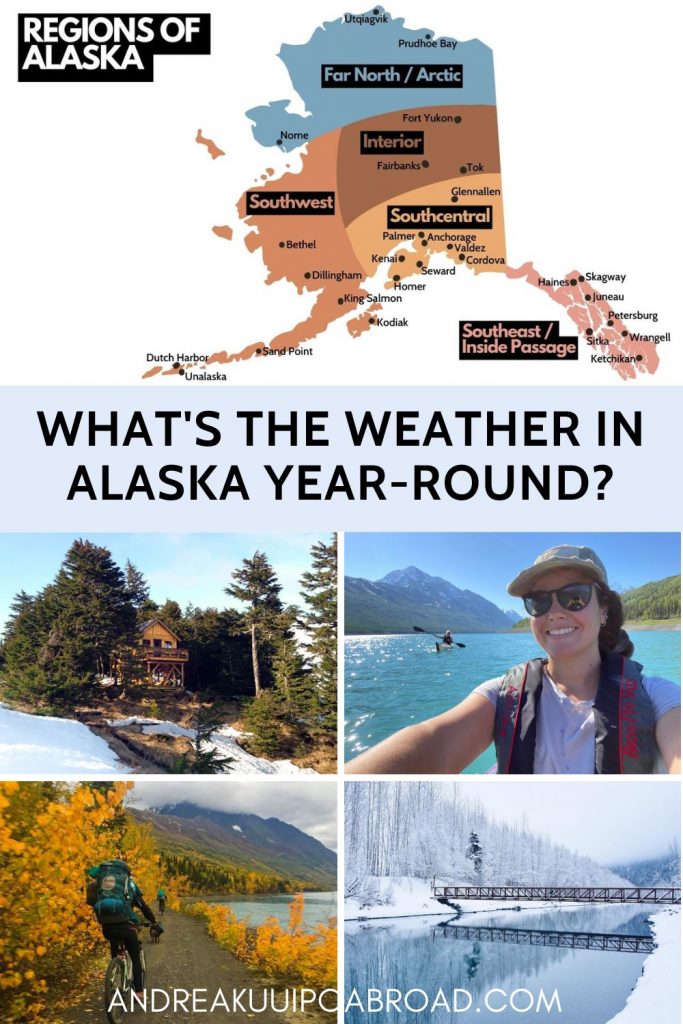
To truly grasp Alaska’s weather, one must first recognize its sheer size and geographical complexity. Stretching over 1.7 million square kilometers, encompassing everything from temperate rainforests to arctic tundra, the state is divided into several distinct climate zones, each with its own meteorological identity. What you experience in the soggy southeast will be vastly different from the bone-chilling cold of the interior or the perpetual daylight of the Arctic.
The Panhandle: Southeast Alaska’s Temperate Rainforest
The Alaska Panhandle, often referred to as Southeast Alaska, is characterized by a temperate rainforest climate, heavily influenced by the Pacific Ocean and the Alaska Current. Cities like Juneau, Ketchikan, and Sitka experience milder winters and cooler summers compared to other parts of the state. However, the defining feature here is precipitation. This region receives abundant rainfall throughout the year, with Ketchikan often topping lists as one of the wettest cities in North America. Summers (June-August) bring average temperatures ranging from 10°C to 18°C (50°F-65°F), with frequent rain showers. Winters (November-March) are comparatively mild, rarely dropping below freezing for extended periods, with temperatures between -1°C and 5°C (30°F-40°F), and a mix of rain and snow. Travelers to this region should always be prepared for wet conditions, regardless of the season.
Southcentral Alaska: A Balance of Continental and Coastal Influences
Southcentral Alaska, home to the state’s largest city, Anchorage, and the stunning Kenai Peninsula, offers a climate that balances coastal moderation with continental extremes. Its proximity to the Gulf of Alaska means it avoids the most severe cold of the interior, but mountain ranges like the Chugach Mountains provide a barrier, allowing for more distinct seasonal changes than the Panhandle. Summers here are pleasant, with average daytime temperatures in Anchorage ranging from 13°C to 20°C (55°F-68°F), though occasional highs in the upper 20s°C (80s°F) are not uncommon. These months are generally drier than the Panhandle but still receive moderate rainfall. Winters are cold and snowy, with average temperatures from -12°C to -4°C (10°F-25°F) and abundant snowfall, transforming the landscape into a winter wonderland perfect for outdoor sports. Cities like Seward and Valdez on the coast also experience heavy snowfall but slightly milder temperatures due to oceanic influence.
Interior Alaska: Land of Extremes
Venturing into Interior Alaska, where Fairbanks serves as the primary hub, one encounters a truly continental climate marked by stark extremes. This region is shielded from coastal influences by vast mountain ranges, leading to some of the most dramatic temperature swings on Earth. Summers can be surprisingly warm, even hot, with daytime temperatures in Fairbanks frequently reaching 21°C to 27°C (70°F-80°F), and occasionally higher. The long daylight hours during summer create an impression of endless warmth, perfect for exploring areas like Denali National Park. However, winters are notoriously frigid, with average temperatures plummeting to -23°C to -18°C (-10°F to 0°F), and extreme lows often reaching -40°C (-40°F) or colder. Snowfall is substantial, and the ground remains frozen for many months. This region is also famous for its spectacular displays of the Aurora Borealis due to its clear, dark winter nights.
Arctic and Western Alaska: The Tundra and Permafrost Dominance
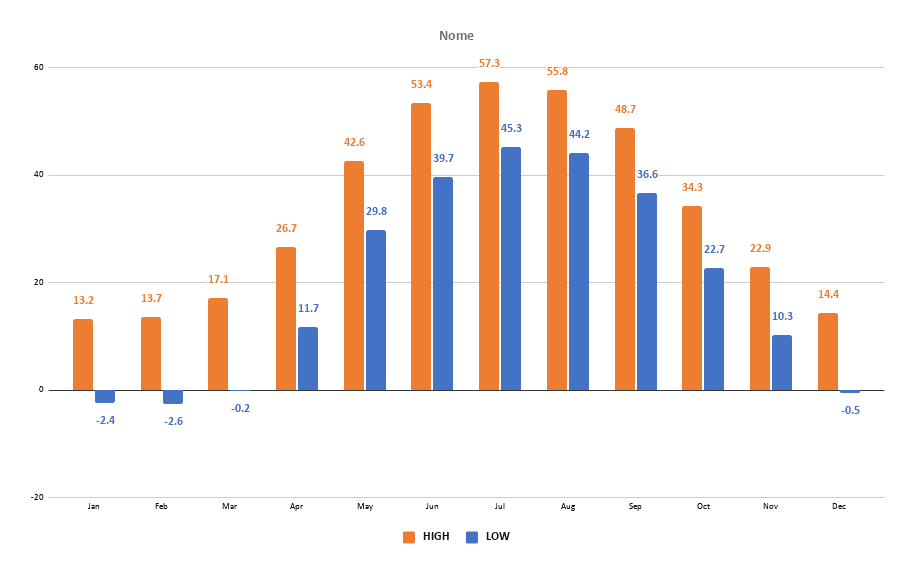
The northernmost and westernmost regions of Alaska present the most challenging climates, defined by the proximity to the Arctic Ocean and the continuous presence of permafrost. Areas like Utqiagvik (formerly Barrow) and Nome experience exceptionally long, dark, and brutally cold winters. Average winter temperatures in Utqiagvik hover around -29°C to -23°C (-20°F to -10°F), with wind chills making it feel even colder. Summers are brief and cool, with average temperatures barely rising above freezing, typically 1°C to 7°C (35°F-45°F). The landscape is predominantly tundra, with sparse vegetation, and the ground is permanently frozen. Western Alaska, influenced by the Bering Sea, also experiences cold, windy conditions, often accompanied by heavy snowfall and blizzards in winter, and cool, foggy summers. Travel to these regions requires specialized gear and a high tolerance for extreme conditions.
Seasonal Variations and What to Expect
Understanding Alaska’s climate zones sets the stage, but truly planning a trip requires delving into its dramatic seasonal transformations. Each season presents a vastly different version of the state, influencing everything from available activities to the necessary packing list.
Summer (June-August): The Golden Window
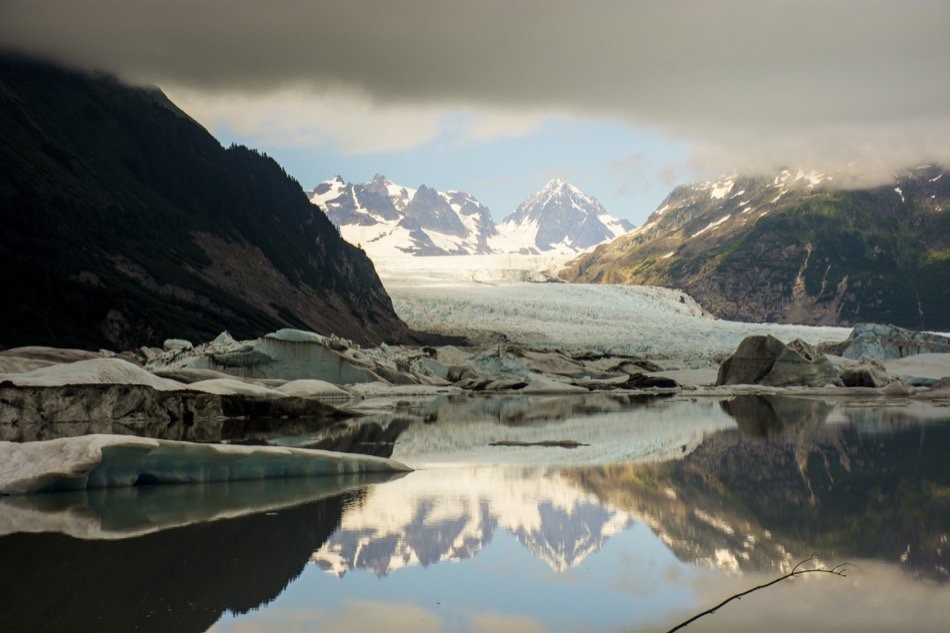
Summer is unequivocally Alaska’s peak travel season, and for good reason. The long daylight hours—often 18-24 hours in some regions—are a unique phenomenon, providing ample time for exploration. Temperatures across the populated areas are generally mild and comfortable, ranging from 10°C to 20°C (50°F-68°F), with warmer days possible in the interior. This is the prime time for wildlife viewing, hiking, fishing, kayaking, and glacier cruises. Attractions like Glacier Bay National Park and the Kenai Fjords National Park are in full swing. While pleasant, summer is not without its challenges. Rain is common, especially in Southeast Alaska, so waterproof gear is essential. Mosquitoes and other biting insects can also be prevalent, particularly in interior and wilderness areas. Despite these minor inconveniences, the sheer vibrancy and accessibility of Alaska in summer make it the most popular choice for travelers.
Fall (September-October): A Fiery Transition
As September arrives, Alaska undergoes a stunning transformation. The tundra and deciduous trees ignite in brilliant hues of gold, crimson, and orange, creating a breathtaking spectacle. Temperatures begin to drop significantly, especially at night, with averages ranging from 0°C to 10°C (30°F-50°F). While days are still often crisp and clear, the likelihood of rain and even early snow increases, particularly in October. Fall is an excellent time for those seeking fewer crowds, incredible photography opportunities, and a chance to witness the Aurora Borealis, which becomes visible again as nights grow longer and darker. Wildlife, especially bears, are active as they prepare for hibernation. Many tour operators begin to scale back services by mid-October, so planning ahead is crucial.
Winter (November-March): The White Wilderness
Alaska’s winter is a season of profound beauty and extreme conditions. While temperatures plunge, ranging from -25°C to -5°C (-15°F to 20°F) across most populated regions, the landscape transforms into a serene, snow-covered expanse. Daylight hours are significantly shorter, with the far north experiencing weeks of continuous darkness. This is the best time to experience the magic of the Northern Lights, especially in Fairbanks and points north, due to clear skies and prolonged darkness. Winter activities abound, including dog mushing, cross-country skiing, snowboarding at resorts like Alyeska Resort near Girdwood, snowmobiling, and ice fishing. While challenging, a winter trip offers a truly unique and peaceful Alaskan experience. Travelers must be prepared with extreme cold-weather gear and understand that some roads and services may be limited.
Spring (April-May): The “Breakup” Season
Spring in Alaska is often referred to as “breakup season,” a time of transition when the ice melts, rivers swell, and the land awakens. Temperatures gradually rise, ranging from -5°C to 10°C (20°F-50°F), but conditions can be highly unpredictable, with late snowfalls possible even in May. While some areas are muddy and less picturesque during this thaw, spring offers unique advantages. It’s a great time for birdwatching as migratory species return, and baby animals begin to emerge. Crowds are minimal, and prices for some services may be lower. Many local events, like the Anchorage Fur Rendezvous and the Iditarod Trail Sled Dog Race, occur in early spring, offering a glimpse into Alaskan culture. However, some trails and backcountry areas may be inaccessible due to snowmelt, and tour operations are just beginning to ramp up.
Preparing for Alaskan Weather: Essential Tips for Travelers
Regardless of the season or region you plan to visit, smart preparation is non-negotiable for an Alaskan adventure. The variability of the weather means being ready for multiple eventualities, often within the same day.
Layering is Key
The most crucial rule for packing for Alaska is to dress in layers. This allows you to adapt quickly to changing temperatures and activity levels. Start with a moisture-wicking base layer (synthetics or wool, never cotton, which retains moisture), add an insulating middle layer (fleece or down), and finish with a waterproof and windproof outer shell. Even in summer, evenings can be chilly, and sudden rain showers are common. In winter, add additional insulating layers, including heavy-duty thermal underwear and a substantial parka.
Rain Gear and Waterproofs are Non-Negotiable
Given the prevalence of rain and moisture in many parts of Alaska, especially the Southeast and Southcentral regions, high-quality waterproof outerwear is paramount. This includes a waterproof jacket with a hood, waterproof pants, and a waterproof daypack cover. Even if the forecast looks clear, Alaskan weather can change rapidly. Staying dry is essential for comfort and safety, particularly in cooler temperatures.
Footwear: Sturdy and Waterproof
Your feet will thank you for investing in appropriate footwear. For summer and shoulder seasons, waterproof hiking boots are ideal, offering ankle support and traction on varied terrain. In winter, insulated, waterproof boots with good grip are a must to protect against cold and snow. Pack extra socks (wool or synthetic) to ensure you always have a dry pair.
Beyond the Basics: Sun Protection and Insect Repellent
It might seem counterintuitive for a state known for its cold, but sun protection is vital. The long daylight hours of summer mean prolonged exposure to UV rays, especially when reflected off glaciers or water. Sunglasses, a wide-brimmed hat, and sunscreen are highly recommended. Equally important, particularly from June through August, is effective insect repellent. Alaska’s vast wilderness, especially near standing water, is home to a robust mosquito population. Consider repellents with DEET or picaridin, and perhaps a head net for more remote excursions.
Embrace Flexibility and Contingency Planning
Alaskan weather can be unpredictable and unforgiving. Flights, particularly bush plane tours and connections to remote areas, are frequently delayed or canceled due to weather conditions. Ferry schedules can also be affected. Build flexibility into your itinerary, have contingency plans, and maintain a positive attitude. Alaska’s wild nature is part of its allure, and adapting to its whims is part of the authentic experience.
Impact of Weather on Alaskan Activities and Experiences
The weather in Alaska doesn’t just dictate what you wear; it fundamentally shapes the types of activities you can undertake and the overall experience of your trip. From outdoor adventures to transportation, meteorology plays a starring role.
Outdoor Adventures: From Hiking to Kayaking
Most of Alaska’s iconic activities are deeply intertwined with its natural environment and, by extension, its weather. Hiking trails, whether in Denali, the Chugach Mountains, or on the Kenai Peninsula, can be transformed by rain into muddy paths, or by snow into challenging winter treks. Kayaking and rafting are exhilarating in good weather but become more demanding and potentially hazardous in strong winds or cold rain. Wildlife cruises to see whales, sea lions, and glaciers are spectacular on clear days but can be obscured by fog or made less comfortable by choppy seas. Always check local forecasts and be prepared to adjust plans for safety and enjoyment.
Flightseeing and Bush Planes: A Weather-Dependent Lifeline
Many of Alaska’s most remote and breathtaking destinations are only accessible by small aircraft, commonly known as bush planes, or through specialized flightseeing tours. These operations are inherently weather-dependent. Low clouds, fog, strong winds, or heavy precipitation can ground planes for hours or even days. This applies to popular tours over Denali or glacier landings, as well as essential transport to remote lodges or villages. Travelers must be patient and understand that pilots prioritize safety above all else. Building in extra buffer days, especially for critical flights, is a wise strategy.
Road Travel and Ferries: Seasonal Access and Conditions
While many of Alaska’s main highways are well-maintained, particularly in summer, certain roads are seasonal. The famous Dalton Highway to the Arctic Ocean, for instance, can be challenging even in summer and is truly for experienced winter drivers. Mountain passes can experience early or late-season snow. The Alaska Marine Highway System, the state’s ferry service connecting coastal communities, operates on reduced schedules in the off-season, and voyages can be impacted by strong winds and rough seas. Always check road conditions and ferry schedules in advance, especially during spring and fall, when conditions are most variable.
In conclusion, Alaska’s weather is as multifaceted and grand as its landscapes. It demands respect, preparation, and flexibility from every traveler. By understanding its diverse climate zones, preparing for seasonal variations, and packing wisely, you can transform potential meteorological challenges into integral parts of an unforgettable journey. The weather is not merely an external factor; it is an intrinsic element of the authentic Alaskan experience, shaping your adventures and revealing the true resilience and beauty of the Last Frontier.
LifeOutOfTheBox is a participant in the Amazon Services LLC Associates Program, an affiliate advertising program designed to provide a means for sites to earn advertising fees by advertising and linking to Amazon.com. Amazon, the Amazon logo, AmazonSupply, and the AmazonSupply logo are trademarks of Amazon.com, Inc. or its affiliates. As an Amazon Associate we earn affiliate commissions from qualifying purchases.