
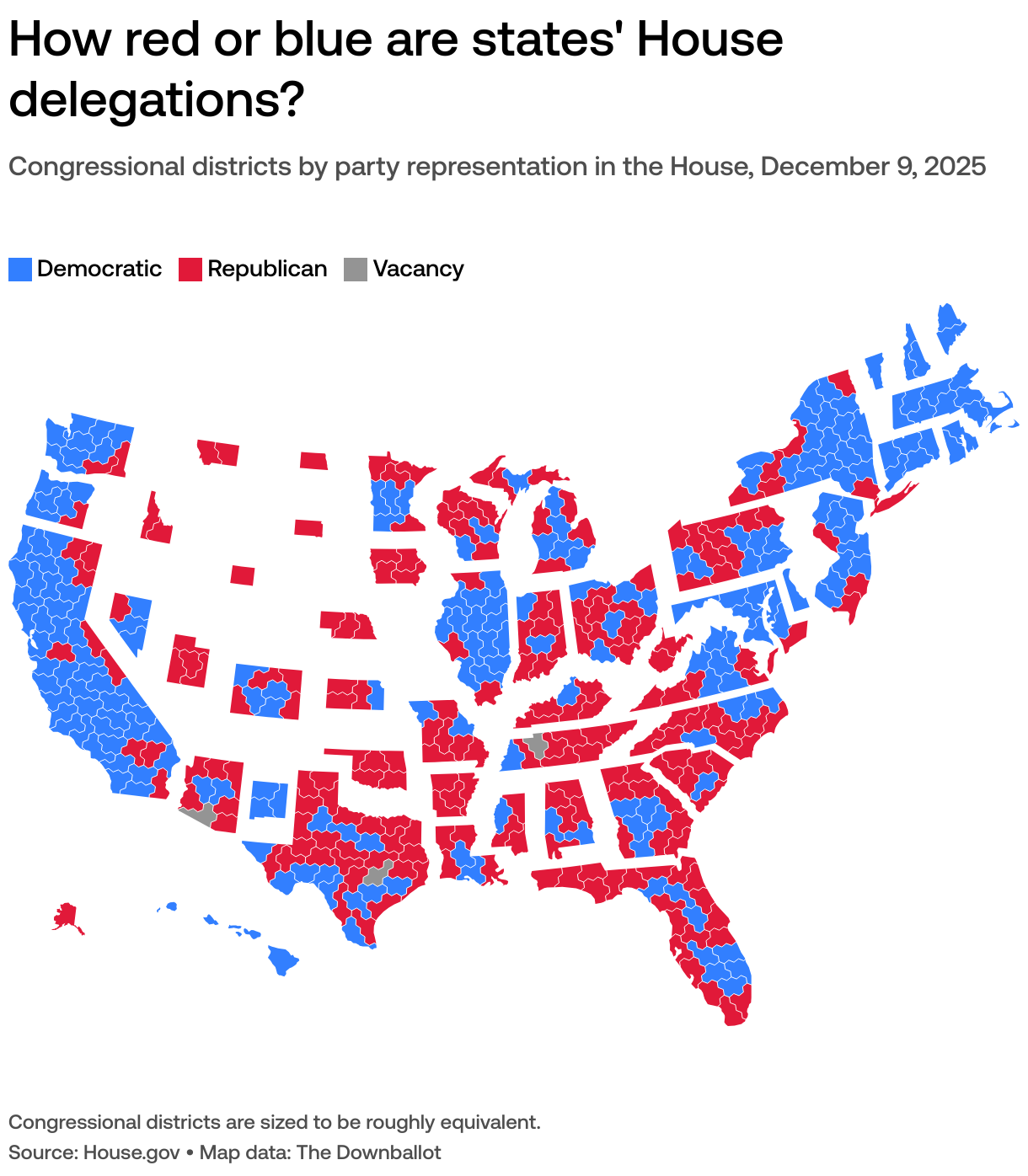
The question “Is Arizona a Republican state?” often arises in discussions about its political landscape, frequently painting a picture of a monolithic conservative stronghold. However, for the discerning traveler, discerning hotelier, or anyone interested in the true essence of a destination, this political label tells only a fraction of the story. Arizona is a state of profound contrasts, where ancient cultures meet booming tech industries, and pristine wilderness lies minutes from vibrant urban centers. Its perceived political identity, while certainly a part of its character, should not overshadow the incredible diversity in its demographics, breathtaking natural attractions, rich cultural tapestry, and the myriad of lifestyle experiences it offers.
This article delves into how Arizona‘s evolving identity, far more complex than a simple political designation, shapes its appeal as a premier travel destination. We’ll explore how its diverse population, influenced by various migrations and economic shifts, contributes to a unique cultural mosaic. From its bustling cities to its tranquil desert landscapes, Arizona presents a spectrum of experiences for every type of traveler, making it a captivating subject for those interested in tourism, accommodation, and a dynamic lifestyle.
Beyond the Headlines: Arizona’s Shifting Demographics and Diverse Appeal
To truly understand Arizona as a destination, one must look past broad political generalizations and appreciate the nuanced shifts within its population. The state, often associated with a strong conservative leaning, has experienced significant demographic changes over the last few decades, leading to a more politically purple, and culturally vibrant, environment. This evolution directly impacts the types of experiences available, the local culture you encounter, and the overall atmosphere for visitors.
The Desert Paradox: A Blend of Tradition and Modernity
Arizona’s demographic story is one of rapid growth and diversification. People from all over the United States and the world have flocked to the state, drawn by its warm climate, burgeoning job market, and stunning natural beauty. This influx has created a fascinating blend of traditional Southwestern culture, deeply rooted in Native American and Hispanic heritage, alongside modern, cosmopolitan influences.
Major urban centers like Phoenix and Tucson are at the forefront of this transformation. Phoenix, the state capital and the fifth-largest city in the U.S., is a sprawling metropolis that has seen explosive growth. Its population is a melting pot, boasting vibrant communities that bring diverse culinary traditions, artistic expressions, and lifestyle choices to the forefront. This translates into a rich tourism experience, from world-class dining in Scottsdale to dynamic arts districts in downtown Phoenix. The presence of major universities, such as Arizona State University in Tempe and the University of Arizona in Tucson, further contributes to a youthful, progressive, and intellectually vibrant atmosphere, attracting students and professionals from various backgrounds.
Meanwhile, Tucson, a UNESCO City of Gastronomy, offers a more laid-back, historic vibe, deeply infused with Mexican-American culture. Its unique food scene, historic architecture, and proximity to the Sonoran Desert Museum reflect a different facet of Arizona’s identity, one that values heritage and community alongside innovation. This blend of tradition and modernity means that travelers can experience everything from ancient petroglyphs and historic missions to contemporary art galleries and high-tech startups within a single trip.

From Red Rocks to Blue Waters: A Spectrum of Lifestyles
Arizona’s diverse demographics also foster a wide spectrum of lifestyles, catering to every imaginable interest. The state’s natural landscape plays a crucial role in shaping these experiences. For outdoor enthusiasts, the options are limitless. The red rocks of Sedona attract spiritual seekers and adventure hikers alike, while the pine forests of Flagstaff offer a cooler climate and opportunities for skiing, mountain biking, and exploring Route 66 nostalgia.
The desert itself, far from being barren, supports a rich biodiversity and offers unique activities such as hot air ballooning over the Sonoran Desert, off-roading, and stargazing in some of the clearest skies in the country. Beyond the desert, the Colorado River carves through the state, creating stunning lakes like Lake Havasu and Lake Powell, which are magnets for watersports, boating, and fishing. Towns like Lake Havasu City, famous for relocating the London Bridge, offer a distinct recreational lifestyle that contrasts sharply with the high-desert mountain communities or the urban sprawl of Phoenix.

This vast array of natural settings supports an equally diverse range of lifestyles, from rugged adventurers seeking solitude in national parks to luxury travelers enjoying the amenities of five-star resorts. This diversity is what truly defines Arizona as a destination, making any simplistic political label insufficient to capture its essence.
Navigating Arizona’s Travel Landscape: What to Expect
When planning a trip to Arizona, understanding its geographical and cultural divisions is key to unlocking the perfect experience. From bustling metropolises to serene natural wonders, the state offers distinct regions, each with its own charm and array of attractions.
Cities of Contrasts: Phoenix, Tucson, and Beyond
Arizona’s urban centers are dynamic hubs that cater to a wide range of interests.
Phoenix and the Valley of the Sun: This region, encompassing Phoenix, Scottsdale, Mesa, Chandler, Gilbert, and Glendale, is the heart of Arizona’s economic and cultural activity. Scottsdale is renowned for its luxury resorts, upscale dining, vibrant nightlife, and a thriving arts scene, particularly in Old Town Scottsdale. Visitors can explore world-class museums like the Heard Museum, dedicated to Native American art and culture, or marvel at the unique desert flora at the Desert Botanical Garden. Architecture enthusiasts can tour Taliesin West, Frank Lloyd Wright’s winter home and architectural school. For outdoor activities, hiking Camelback Mountain offers panoramic views of the city.
Tucson and Southern Arizona: Known as “The Old Pueblo,” Tucson provides a rich historical and cultural experience. Its designation as a UNESCO City of Gastronomy highlights its exceptional culinary scene, deeply influenced by Sonoran Desert ingredients and Mexican heritage. Beyond the food, Tucson offers attractions like Saguaro National Park, where the iconic saguaro cacti stand sentinel, and the historic Mission San Xavier del Bac. Further south, towns like Bisbee (a historic mining town turned artist colony) and Tombstone (famous for the O.K. Corral shootout) offer glimpses into Arizona’s Wild West past. The Kartchner Caverns State Park provides an incredible underground adventure, showcasing stunning living caves.
Natural Wonders and Outdoor Adventures
Arizona’s natural landscape is arguably its biggest draw, offering some of the most iconic and awe-inspiring sights in the world.
The Grand Canyon National Park: A visit to Arizona would be incomplete without experiencing the sheer scale and beauty of the Grand Canyon National Park. Whether viewed from the South Rim, North Rim, or explored via hiking trails, helicopter tours, or white-water rafting on the Colorado River, it is an unparalleled natural landmark.
The Red Rocks of Sedona: North of Phoenix, Sedona is famous for its towering red rock formations, often associated with spiritual vortexes. It’s a haven for hikers, mountain bikers, artists, and those seeking wellness retreats. The scenic drives and countless trails offer breathtaking vistas around every bend.
Northern Arizona’s Diverse Landscapes: Beyond the Grand Canyon and Sedona, northern Arizona boasts a variety of landscapes. Flagstaff, nestled among the ponderosa pines at the base of the San Francisco Peaks, is a gateway to outdoor adventures and a vibrant college town atmosphere. Nearby, the Wupatki National Monument and Sunset Crater Volcano National Monument offer a glimpse into ancient civilizations and geological wonders. The Navajo Nation in northeastern Arizona is home to iconic landscapes like Monument Valley and the stunning slot canyons of Antelope Canyon, offering unique cultural and photographic experiences. Other notable natural attractions include the Petrified Forest National Park and Canyon de Chelly National Monument.
Accommodation and Experiences: Tailoring Your Arizona Journey
Arizona’s hospitality sector is as varied as its landscapes, offering everything from ultra-luxury resorts to charming boutique hotels, and family-friendly accommodations to rustic dude ranch experiences. The state’s appeal to diverse travelers means there’s a perfect stay for every budget and preference.
Luxury Resorts and Boutique Stays
For those seeking unparalleled comfort and world-class amenities, Arizona excels in luxury accommodation. The Phoenix/Scottsdale area is particularly renowned for its opulent resorts, offering lavish spas, championship golf courses, and exquisite dining. Properties like The Boulders Resort & Spa Scottsdale and the Arizona Biltmore, A Waldorf Astoria Resort exemplify the epitome of desert luxury, blending seamlessly with the natural environment while providing every conceivable comfort. These resorts often incorporate elements of local design and culture, offering an authentic yet refined Arizona experience.
In Sedona, boutique hotels and wellness resorts like Enchantment Resort capitalize on the stunning red rock scenery and the area’s reputation for spiritual rejuvenation. These accommodations often feature spa services, yoga classes, and direct access to hiking trails, creating an immersive experience focused on well-being and natural beauty. Tucson also boasts impressive luxury options, such as the JW Marriott Starr Pass Resort & Spa, which offers a blend of desert landscapes, golf, and resort amenities.
Budget-Friendly Options and Family Adventures
Arizona is not exclusively for luxury travelers. The state offers a wealth of budget-friendly accommodation and experiences, making it accessible for families, solo travelers, and those on a tighter budget. Throughout all major cities and tourist hubs, a wide selection of mid-range hotels, vacation rentals, and apartment-style accommodations can be found. These options often provide excellent value, especially for longer stays, allowing travelers to stretch their budget further while enjoying comfortable lodging.
For adventurers and nature lovers, camping and RV parks are abundant, particularly near national parks, state parks, and national forests. From developed campgrounds with amenities to dispersed camping in remote areas, these options provide an immersive way to experience Arizona’s natural beauty without breaking the bank. Towns like Flagstaff and those along historic Route 66 also offer charming motels and inns that hark back to a bygone era of road tripping.
Family trips are easily accommodated with numerous attractions designed for all ages. Beyond the natural wonders, family-friendly destinations include zoos, children’s museums, water parks, and interactive science centers found in cities like Phoenix and Tucson. Dude ranches, such as Tanque Verde Ranch near Tucson, offer unique all-inclusive experiences that blend horseback riding, outdoor activities, and Western hospitality, providing memorable adventures for families looking to embrace the cowboy lifestyle.
The Arizona Lifestyle: More Than Just Politics
The term “lifestyle” in Arizona encapsulates a vibrant tapestry woven from its unique climate, history, and diverse population. Far from being defined by political leanings, the Arizona lifestyle is an inviting blend of outdoor activity, culinary exploration, and rich cultural immersion.
Culinary Delights and Local Culture
Arizona’s culinary scene is a direct reflection of its diverse cultural heritage. The robust influence of Mexican cuisine is undeniable, particularly in Southern Arizona, where Sonoran hot dogs, carne asada, and authentic tacos are staples. Tucson’s UNESCO City of Gastronomy designation celebrates its 4,000-year history of agricultural cultivation and innovative use of local ingredients, including chiltepin peppers, mesquite flour, and prickly pear.
Beyond Mexican flavors, Native American traditions continue to shape the food landscape, with restaurants and cultural centers offering dishes featuring fry bread, traditional stews, and native ingredients. In contrast, urban centers like Phoenix and Scottsdale boast sophisticated farm-to-table restaurants, celebrity chef establishments, and a thriving craft beer and wine scene, catering to diverse palates. The “Arizona Wine Trail” in regions like Sonoita and Willcox showcases emerging vineyards producing high-quality wines, adding another layer to the state’s gastronomic appeal.
Local culture extends beyond food to a vibrant arts community. From the numerous art galleries in Sedona and Old Town Scottsdale to public art installations in Phoenix and Tucson, creative expression thrives. The state’s rich history is preserved in its museums, such as the Heard Museum in Phoenix which highlights Native American cultures, and historic sites like Jerome, a former mining town perched on a hillside now bustling with artists and quirky shops.
Festivals, Events, and Community Spirit
Arizona’s calendar is packed with festivals and events that celebrate its diverse heritage, arts, and outdoor lifestyle. These gatherings offer a fantastic way for travelers to immerse themselves in local culture and community spirit.
The Tucson Gem & Mineral Show is an internationally renowned event, drawing enthusiasts and vendors from around the globe. Native American powwows, art markets, and cultural celebrations are held throughout the year across various tribal nations, providing unique insights into indigenous traditions. Music festivals, film festivals, and food and wine events regularly animate the urban centers, showcasing both local talent and international acts.
Sports play a significant role in the Arizona lifestyle, especially during spring training for Major League Baseball’s Cactus League, which draws thousands of fans to stadiums across the Phoenix metropolitan area. Professional teams in football (Arizona Cardinals), basketball (Phoenix Suns), hockey (Arizona Coyotes), and baseball (Arizona Diamondbacks) foster strong local allegiances and provide year-round entertainment. Golf is also a quintessential Arizona pastime, with hundreds of courses catering to all skill levels amidst stunning desert backdrops.
The community spirit in Arizona is one of resilience and hospitality, shaped by the frontier ethos and the welcoming nature of its diverse inhabitants. Whether you’re exploring a bustling farmers market, participating in a charity run, or simply enjoying a sunset from a scenic overlook, you’ll encounter a sense of camaraderie that transcends any singular political label. The state’s active retirement communities also contribute to a vibrant atmosphere, with seniors enjoying golf, hiking, and cultural pursuits, often contributing to volunteer efforts and local events.
In conclusion, while the question “Is Arizona a Republican state?” might spark political debate, it fails to capture the multi-faceted reality of this captivating destination. For travelers, hoteliers, and those interested in a rich lifestyle experience, Arizona offers an extraordinary blend of natural beauty, cultural depth, diverse demographics, and a welcoming spirit that makes it far more complex and appealing than any single political label can convey. It is a state truly out of the box, ready to be explored.
LifeOutOfTheBox is a participant in the Amazon Services LLC Associates Program, an affiliate advertising program designed to provide a means for sites to earn advertising fees by advertising and linking to Amazon.com. Amazon, the Amazon logo, AmazonSupply, and the AmazonSupply logo are trademarks of Amazon.com, Inc. or its affiliates. As an Amazon Associate we earn affiliate commissions from qualifying purchases.