
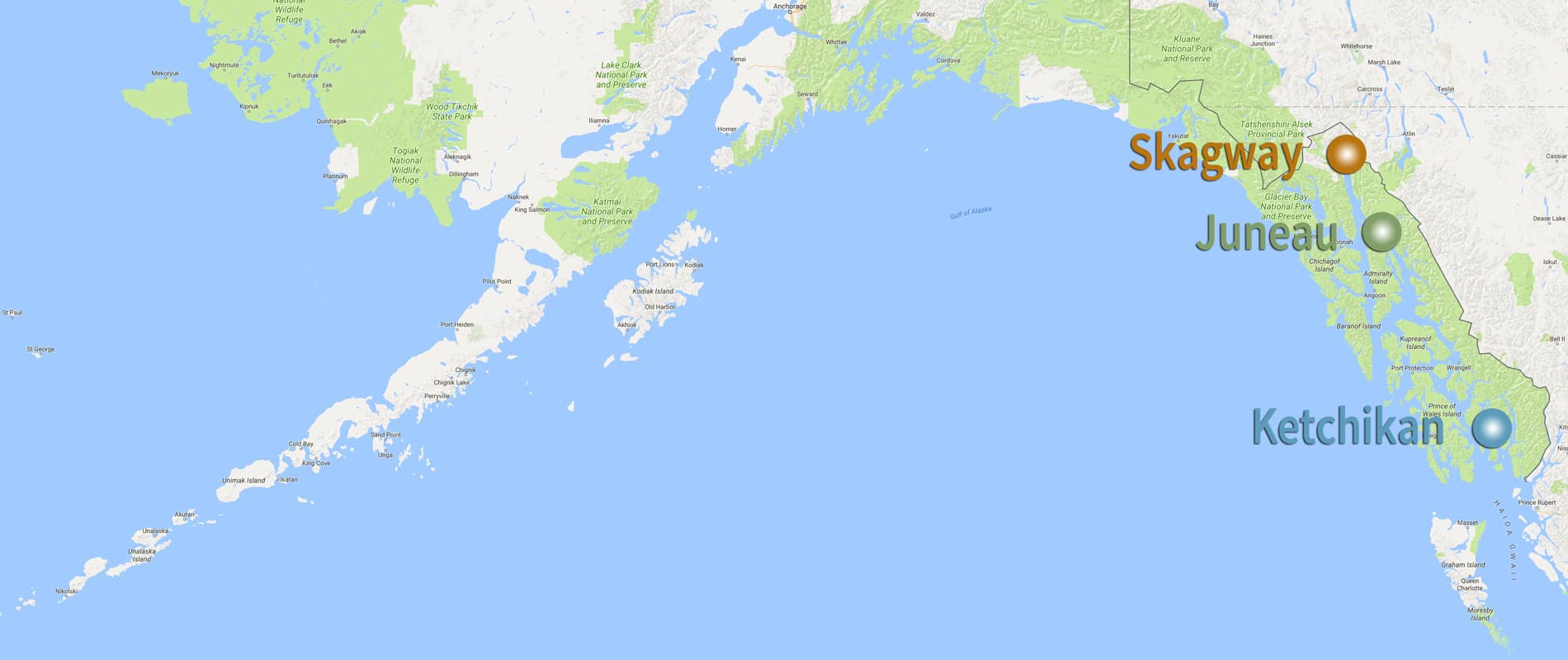
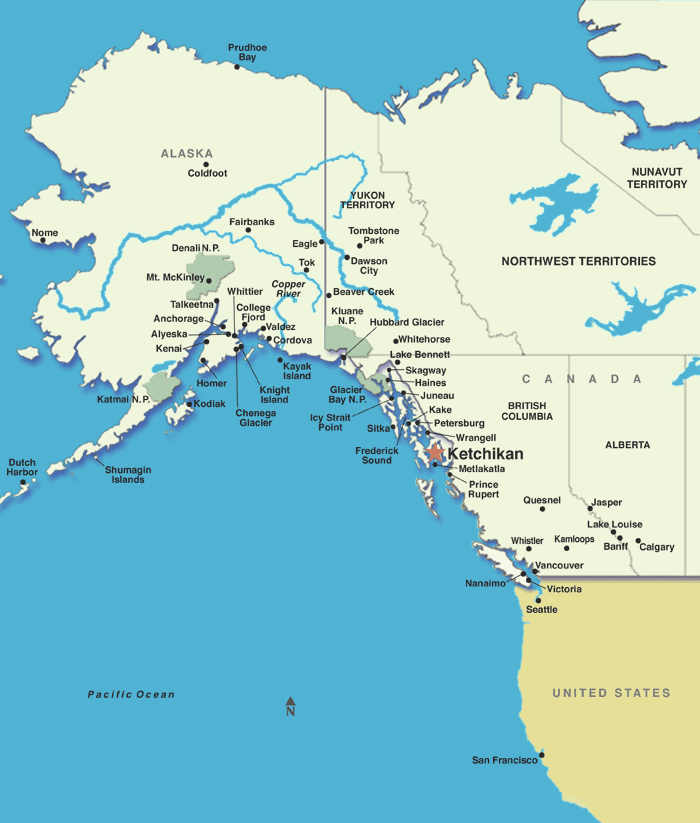
Nestled in the rugged beauty of the United States‘s largest state, Ketchikan, Alaska, holds a distinctive geographical position that shapes its very essence as a travel destination. Often hailed as the “First City” due to its location at the southern entrance of Alaska’s iconic Inside Passage, Ketchikan serves as a vibrant gateway to the state’s majestic wilderness and rich cultural heritage. Its precise coordinates place it along the western coast of Revillagigedo Island, approximately 90 miles north of the Canadian border and roughly 679 air miles northwest of Seattle, Washington. This unique insular setting, flanked by the Tongass National Forest and the teeming waters of the Pacific Ocean, dictates much of its climate, accessibility, and the unparalleled experiences it offers visitors. Understanding where Ketchikan is located is fundamental to appreciating its charm, its challenges, and its enduring allure as a premier Alaskan port of call.
The Jewel of Alaska’s Inside Passage
Ketchikan’s geographical placement is more than just coordinates on a map; it’s a defining characteristic that influences every facet of the city. Situated strategically within Southeast Alaska, it stands as a sentinel at the lower reaches of the famed Inside Passage, a network of protected waterways carving through a labyrinth of islands and fjords. This location makes it a natural first stop for cruise ships and ferries embarking on Alaskan adventures, granting it the well-deserved moniker of Alaska’s “First City.”
A Strategic Southeastern Location
Ketchikan is positioned in the southernmost region of Southeast Alaska, often referred to as the “panhandle.” This narrow strip of land and islands, hugged by the Pacific Ocean to the west and the mountainous border with Canada to the east, is a region defined by its marine environment and dense temperate rainforests. The city proper lies on the western coast of Revillagigedo Island, facing the Tongass Narrows, a vital waterway for marine traffic. Its proximity to the southern boundary of Alaska means it often experiences milder winters compared to interior Alaska, though its climate is significantly influenced by its coastal position, bringing abundant rainfall. This unique placement makes Ketchikan a critical logistical hub and a picturesque entry point for anyone wishing to explore the wild beauty of Southeast Alaska.
Gateway to the Wilderness
The very location of Ketchikan positions it as an unparalleled gateway to some of Alaska’s most breathtaking wilderness areas. Immediately surrounding the city is the Tongass National Forest, the largest national forest in the United States, encompassing nearly 17 million acres of pristine temperate rainforest. This vast expanse offers an endless array of outdoor activities, from hiking rugged trails that wind through ancient trees to exploring hidden coves by kayak. Furthermore, Ketchikan is the closest major community to the awe-inspiring Misty Fjords National Monument. This protected wilderness area, characterized by sheer granite cliffs rising 3,000 feet from the ocean, cascading waterfalls, and deep fjords, is a testament to glacial carving and is often explored via floatplane or boat tours departing directly from Ketchikan. The city’s location essentially places visitors on the doorstep of an ecological wonderland, inviting exploration and adventure.
Island Life: Revillagigedo Island
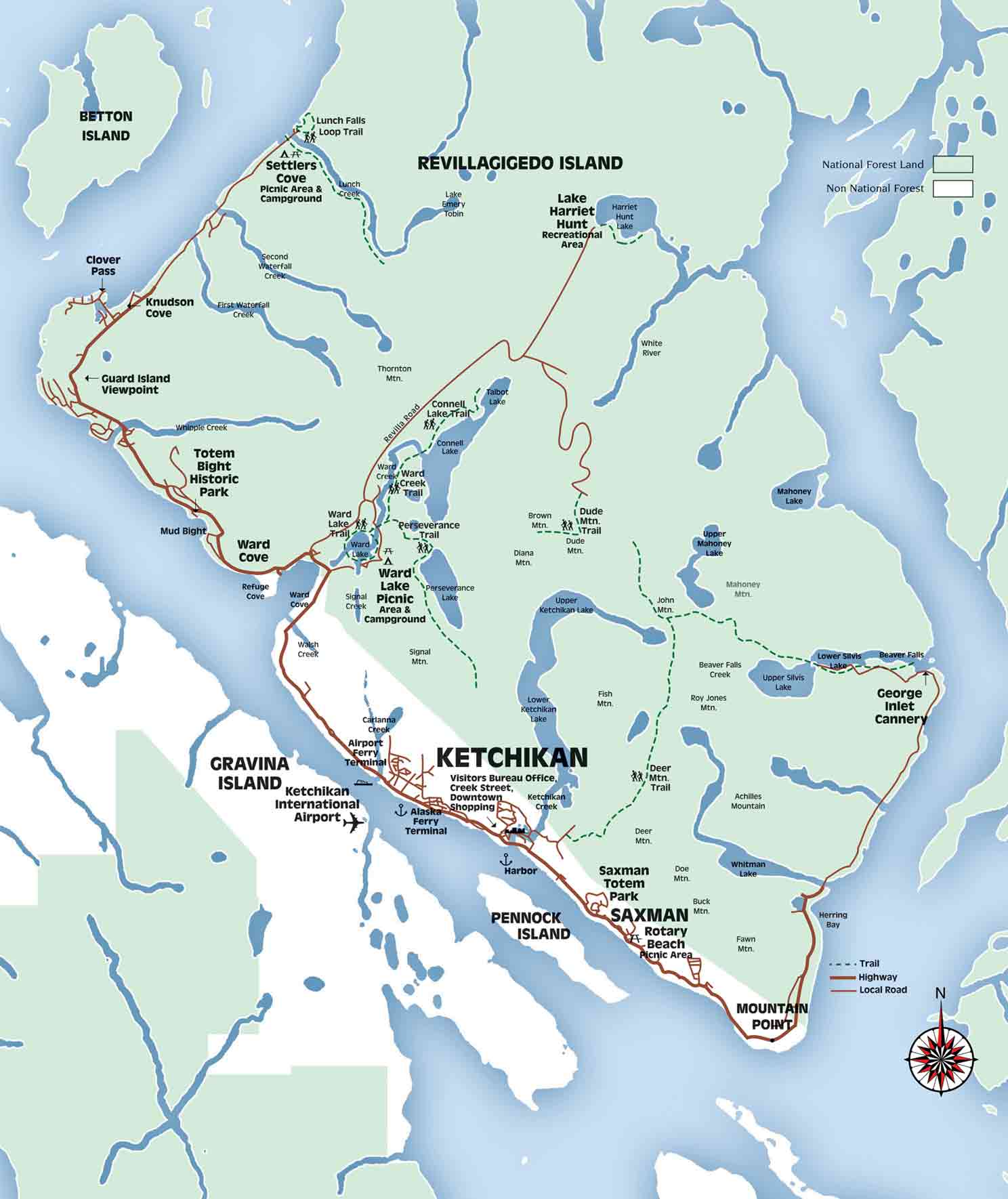
A crucial aspect of Ketchikan’s location is its presence on Revillagigedo Island. Unlike many mainland cities, Ketchikan’s island status dictates its accessibility and contributes significantly to its distinct charm. Revillagigedo Island is one of the larger islands within the Alexander Archipelago, a vast cluster of islands forming the outer barrier of the Inside Passage. The city itself occupies a narrow strip of land between the steep slopes of Deer Mountain and the waters of the Tongass Narrows. This topographical constraint has led to unique architectural solutions, like buildings constructed on pilings over the water, and has fostered a close connection between the community and the marine environment. Being on an island also means that transportation to and from Ketchikan is primarily by air or sea, reinforcing a sense of remoteness and adventure for travelers arriving from the continental United States or Canada.
Geographic Influences on Ketchikan’s Character and Climate
Ketchikan’s precise geographical placement profoundly influences its climate, ecosystem, and the overall character that defines this unique Alaskan city. From its status as a temperate rainforest to its rich marine life, every facet is a direct consequence of its location in Southeast Alaska.
Temperate Rainforest Environment
The most striking climatic feature of Ketchikan is its identity as a temperate rainforest. Its location within the Tongass National Forest, combined with its proximity to the warm currents of the Pacific Ocean and the barrier effect of the coastal mountains, results in exceptionally high annual rainfall—often exceeding 150 inches. This abundance of moisture nurtures a verdant landscape of towering Sitka spruce, western hemlock, and red cedar trees, cloaked in mosses and ferns. This lush environment dictates much of the outdoor experience in Ketchikan, requiring visitors to be prepared for wet weather, but also rewarding them with breathtaking scenery that feels ancient and untouched. The constant moisture also impacts the town’s infrastructure, with many buildings designed to withstand persistent precipitation, and the overall atmosphere, which often carries the fresh scent of damp earth and pine.
Coastal Proximity and Marine Life
Being situated directly on the Tongass Narrows, an integral part of the Inside Passage, profoundly shapes Ketchikan’s relationship with marine life. The cold, nutrient-rich waters are a magnet for an incredible diversity of aquatic species, most notably the five species of Pacific salmon that return to spawn in its freshwater creeks. This abundance of salmon has historically been, and remains, a cornerstone of Ketchikan’s economy and cultural identity, earning it the title “Salmon Capital of the World.” Beyond salmon, its coastal location makes it a prime spot for viewing other marine mammals such as orcas, humpback whales, sea lions, and seals. Bald eagles are a common sight, soaring overhead or perched in trees along the waterfront, drawn by the plentiful fish. For travelers, this means unparalleled opportunities for sport fishing, wildlife cruises, and observing a vibrant marine ecosystem teeming with life, all directly accessible from the city’s docks.
Mountainous Backdrop
The dramatic topography surrounding Ketchikan is another significant geographical influence. The city is literally wedged between the deep waters of the Tongass Narrows and the steep, forested slopes of mountains like Deer Mountain, which rises directly behind the downtown area to over 3,000 feet. This mountainous backdrop creates a visually stunning setting but also presents challenges and unique characteristics for urban development. The town’s narrow footprint has led to a linear development along the waterfront, with many homes and businesses clinging to hillsides or built on pilings over the water. This compression contributes to the unique charm of areas like Creek Street. The mountains also create numerous waterfalls and streams that cascade through the town, providing both natural beauty and a constant reminder of the powerful forces of nature at play in this Alaskan environment.
Accessibility: Reaching Ketchikan’s Shores
Ketchikan’s island location dictates that its accessibility is exclusively by air or sea. This characteristic is a fundamental part of the travel experience, emphasizing the remoteness and the unique journey required to reach this Alaskan gem.
By Sea: The Cruise Ship Capital
For the vast majority of visitors, Ketchikan is accessed by sea, solidifying its reputation as the “Cruise Ship Capital of Alaska.” During the peak summer season, from May to September, the Ketchikan waterfront teems with activity as large cruise liners dock, disembarking thousands of passengers eager to explore the city’s attractions. This mode of travel offers a scenic approach through the protected waters of the Inside Passage, providing stunning views of forested islands, dramatic fjords, and abundant wildlife even before arrival. Beyond cruise ships, the Alaska Marine Highway System, Alaska’s state-owned ferry service, provides year-round transportation for both passengers and vehicles. This ferry system connects Ketchikan to other communities in Southeast Alaska, as well as to Bellingham, Washington, and Prince Rupert, British Columbia, offering a more immersive and flexible way to experience the region.
By Air: Ketchikan International Airport
For those preferring air travel or needing to reach Ketchikan outside the main cruise season, the Ketchikan International Airport (KTN) provides a vital link to the outside world. Located on Gravina Island, directly across the Tongass Narrows from downtown Ketchikan, the airport is unique in that it requires a short, free ferry ride to reach the city proper. Alaska Airlines serves Ketchikan with regular flights from Seattle and other Alaskan cities like Juneau and Anchorage. This air access makes Ketchikan a viable destination for independent travelers and provides crucial connectivity for residents. The journey itself, whether by jet or smaller floatplane (which serve as aerial taxis to surrounding communities and attractions), offers spectacular aerial views of the intricate island landscape and dense forests.
The Absence of Road Connectivity
One of the most defining aspects of Ketchikan’s location is its complete lack of road connectivity to the North American mainland. This is a common characteristic of many communities in Southeast Alaska due to the challenging mountainous terrain and vast stretches of water that separate them. The absence of roads reinforces Ketchikan’s island identity and contributes to its unique appeal. It means that all goods and supplies, as well as people, must arrive by air or sea. For travelers, this ensures that a visit to Ketchikan is an experience of truly venturing into a distinct frontier, removed from the ubiquitous highway systems of the lower 48 states. This geographical isolation, rather than being a hindrance, is a fundamental part of the authentic Alaskan adventure that Ketchikan offers.
Exploring Ketchikan: Attractions Shaped by Location
The unique geographical location of Ketchikan has not only determined its climate and accessibility but has also profoundly influenced its historical development, cultural expression, and the types of attractions that draw visitors from around the world.
Totem Pole Heritage
Ketchikan’s position within the abundant temperate rainforest provided the indigenous Tlingit, Haida, and Tsimshian peoples with a wealth of natural resources, most notably the colossal red cedar trees ideal for carving. This resource, combined with their intricate oral traditions and social structures, led to the development of the most extensive collection of standing totem poles in the world. The location facilitated the growth of these cultures, allowing them to thrive and express their history and mythology through monumental art. Today, visitors can experience this rich heritage at locations like Totem Bight State Historical Park and Saxman Native Village, both easily accessible from downtown Ketchikan. These sites serve as living museums, showcasing the artistry and enduring spirit of Alaska’s First Peoples, directly linked to the natural bounty of their homeland.
Creek Street and Waterfront Charm
Perhaps the most iconic visual representation of Ketchikan’s unique location is Creek Street. This historic boardwalk, famously built on pilings over Ketchikan Creek, is a direct response to the town’s constricted geography—a narrow strip of land between steep mountains and the Tongass Narrows. With limited flat ground, early settlers built out over the water, creating a charming and distinctive district that once housed the town’s red-light district. Today, Creek Street is lined with colorful shops, galleries, and restaurants, yet it retains its historical allure. During salmon spawning season, the creek below the boardwalk teems with fish, offering a remarkable spectacle directly beneath the shops. This unique architectural solution, born out of necessity due to location, has become one of Ketchikan’s most beloved and picturesque attractions, exemplifying its adaptive spirit.
Outdoor Adventures
Ketchikan’s location in a temperate rainforest, surrounded by mountains and abundant waters, makes it a prime destination for outdoor adventures. Its position as the “Salmon Capital of the World” means world-class fishing charters are readily available, taking anglers to salmon-rich fishing grounds just minutes from the docks. The numerous islands and protected waterways of the Inside Passage offer incredible opportunities for kayaking and paddleboarding, allowing intimate exploration of the coastline. Hiking trails, ranging from easy strolls to challenging ascents up Deer Mountain, provide access to the lush rainforest and panoramic views of the city and surrounding seascape. Perhaps most famously, floatplane tours depart regularly from Ketchikan, offering an unparalleled perspective of the Misty Fjords National Monument and the vast Tongass National Forest, showcasing the sheer scale and dramatic beauty of Alaska’s wilderness, all directly enabled by the city’s unique geographical setting.
Why Ketchikan’s Location Matters for Travelers
Ultimately, the question “Where is Ketchikan, Alaska Located?” is answered not just with coordinates, but with an understanding of how its precise spot on the map profoundly shapes the entire travel experience. Its location isn’t merely a point of arrival; it is the very essence of its identity and appeal.
A Unique Alaskan Experience
Ketchikan’s southern Inside Passage location imbues it with a distinct character unlike any other Alaskan city. It combines the raw, untamed beauty of the temperate rainforest with a rich indigenous heritage and a vibrant fishing culture. The constant presence of water, both the salty Tongass Narrows and the freshwater Ketchikan Creek, along with the looming mountains, creates a dramatic backdrop for exploration. This geographical mosaic fosters a unique blend of historical charm, outdoor adventure, and cultural immersion that makes Ketchikan a must-visit destination for anyone seeking an authentic Alaskan encounter. Its “First City” status often means it’s the first taste of Alaska for many, setting the stage for the grandeur that lies further north.
Planning Your Visit
For travelers, understanding Ketchikan’s location is key to planning a successful trip. Its position within the Inside Passage makes it a natural fit for cruise itineraries, offering a convenient way to experience its highlights. For independent travelers, arriving by air or ferry opens up opportunities for longer stays and deeper exploration. The climate, characterized by abundant rainfall, necessitates packing appropriate rain gear regardless of the season, but also promises lush, vibrant landscapes. The peak travel season aligns with the summer months (May through September), coinciding with the best weather and the highest availability of tours and services. Embracing its island nature and the ways it connects with the surrounding environment will allow visitors to fully appreciate the profound beauty and unique spirit of Ketchikan.
In conclusion, Ketchikan, Alaska is located on Revillagigedo Island in the southern reaches of Southeast Alaska’s Inside Passage. This precise geographical placement is not just a detail; it is the defining characteristic that shapes its temperate rainforest climate, its marine-centric economy, its rich indigenous heritage, its unique architectural landscape, and its role as a premier gateway to the wilderness. For any traveler contemplating an Alaskan adventure, knowing where Ketchikan lies is the first step in unlocking the myriad wonders of this extraordinary corner of the world.
LifeOutOfTheBox is a participant in the Amazon Services LLC Associates Program, an affiliate advertising program designed to provide a means for sites to earn advertising fees by advertising and linking to Amazon.com. Amazon, the Amazon logo, AmazonSupply, and the AmazonSupply logo are trademarks of Amazon.com, Inc. or its affiliates. As an Amazon Associate we earn affiliate commissions from qualifying purchases.