
Port Protection is not merely a dot on a map; it is a testament to rugged individualism, breathtaking natural beauty, and a unique way of life. Tucked away in the vast and intricate wilderness of Southeast Alaska, this remote community has captivated the imagination of many, largely due to its portrayal in a popular reality television series. For those drawn to the allure of the Last Frontier and eager to discover places that defy modern conventions, understanding the geographical and cultural essence of Port Protection is key to appreciating its profound significance. Far from the hustle and bustle, this isolated outpost offers a glimpse into a world where self-sufficiency and harmony with nature are not just ideals, but daily realities.

Unveiling Port Protection: A Gem in Southeast Alaska
Pinpointing Port Protection on a global scale immediately highlights its seclusion. It is a place defined by its location—a small community utterly enveloped by the raw, untamed wilderness of the Alaskan coastline. Its precise placement is fundamental to understanding its character and the challenging yet rewarding lifestyle of its residents.
Geographical Coordinates and General Location
Port Protection is situated on the northwest corner of Prince of Wales Island, which is itself one of the largest islands in the Alexander Archipelago. This archipelago forms a significant portion of the Alaska Panhandle, a narrow strip of land and islands that stretches along the Pacific coast of North America. To put it in perspective, it lies roughly 150 air miles northwest of Ketchikan, a major entry point into Southeast Alaska.
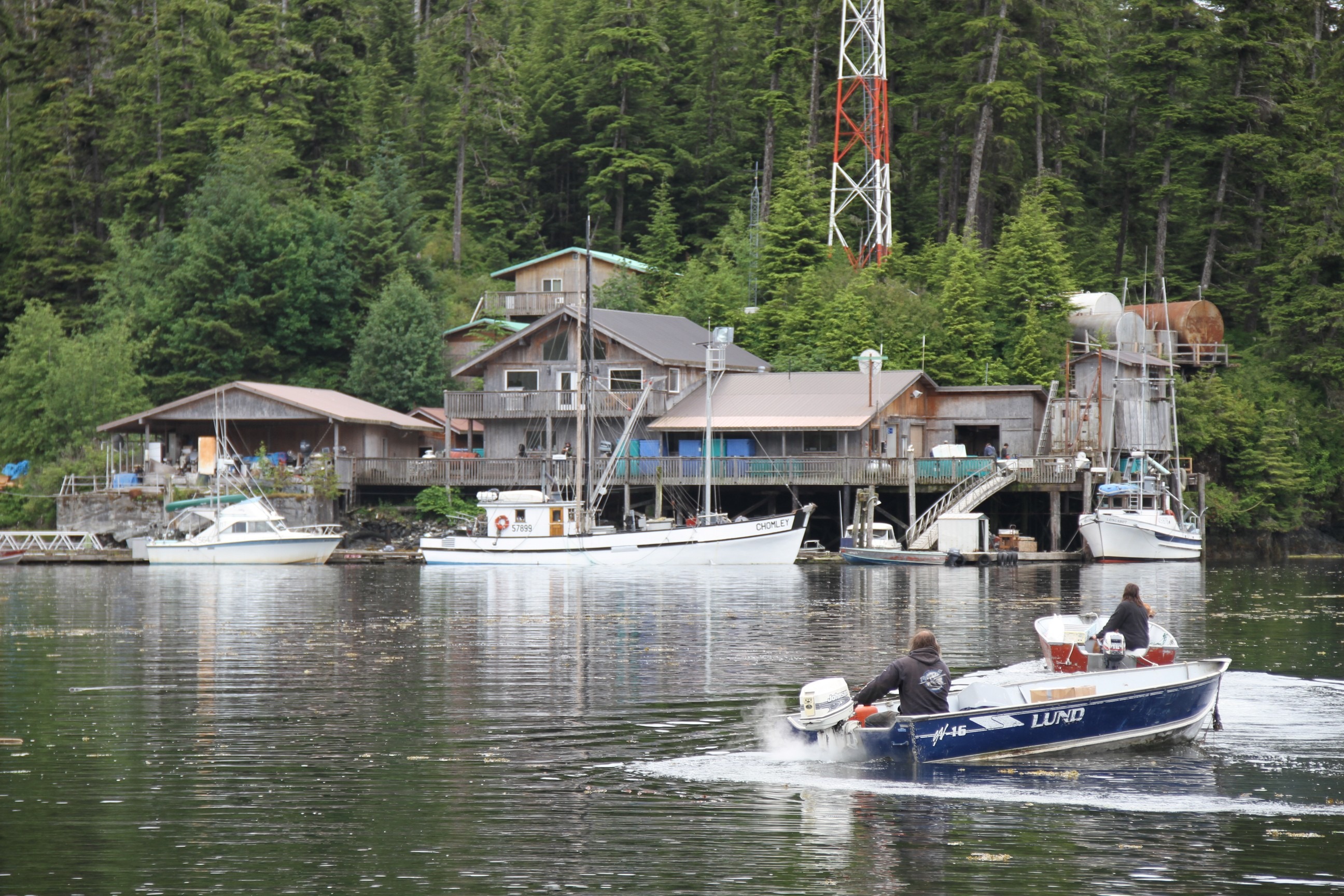
The community itself is small, characterized by a scattering of homes along the rugged coastline, facing the pristine waters that are both a source of sustenance and a primary mode of transportation. There are no roads connecting Port Protection to other towns or even other parts of Prince of Wales Island. Its isolation is not merely a characteristic; it is the defining feature that shapes every aspect of life there. The dense temperate rainforest, the intricate network of fjords and inlets, and the vast expanses of wilderness create a natural barrier, preserving the unique culture and environment of this extraordinary place.
The Allure of Remote Alaskan Living
The very remoteness of Port Protection is what draws a specific type of individual—both those who choose to live there and those who dream of visiting. It represents an escape from modern society’s complexities, offering a return to fundamental living. Residents often embrace an off-grid lifestyle, generating their own power, harvesting their own food, and relying heavily on their skills and resilience. This self-sufficiency is born out of necessity but has evolved into a deeply ingrained cultural value.
The surrounding environment is nothing short of spectacular. Towering old-growth forests, teeming with diverse wildlife, descend to meet the nutrient-rich waters of the Pacific. This dramatic landscape provides not only sustenance but also an unparalleled backdrop for daily life. The air is clean, the silence profound (broken only by the sounds of nature), and the night sky is a breathtaking display of stars, often enhanced by the ethereal glow of the Northern Lights. The allure of Port Protection lies in its promise of an authentic, challenging, and profoundly beautiful experience, where humanity exists in a delicate balance with the formidable power of nature.
Getting to Port Protection: A Journey Off the Beaten Path
Reaching Port Protection is an adventure in itself, a journey that immediately immerses travelers in the rugged realities of Alaska. Unlike conventional destinations accessible by paved roads and commercial flights, access to this remote community requires careful planning, patience, and often, a sense of adventure.
Primary Access Points
The typical gateway to this part of Southeast Alaska is the city of Ketchikan. Ketchikan operates as a major transportation hub, offering regular commercial flights from larger Alaskan cities like Anchorage and Seattle, Washington. From Ketchikan, the journey to Port Protection becomes significantly more specialized and dependent on smaller-scale transport.
While Ketchikan serves as the most common starting point for air travel, some may also approach via Prince Rupert, British Columbia, connecting to the Alaska Marine Highway system. Regardless of the initial entry, the subsequent legs of the journey are characterized by their dependence on specific regional services and the whims of Alaskan weather.
Modes of Transportation
With no road access, getting to Port Protection involves a combination of air and sea travel.
- Bush Planes: Small floatplanes or wheeled planes are the most common and often quickest way to reach Port Protection from Ketchikan or other larger communities on Prince of Wales Island, such as Craig or Thorne Bay. These flights offer spectacular aerial views of the archipelago, but they are highly weather-dependent and typically carry limited cargo.
- Alaska Marine Highway (Ferries): The state-operated ferry system provides a lifeline for many remote Alaskan communities. While the main ferry routes do not directly service Port Protection, they can get you to larger towns on Prince of Wales Island, like Hollis. From Hollis, further arrangements would need to be made, likely involving private boat charters or smaller local water taxis to complete the journey. This option is slower but allows for the transport of vehicles and larger amounts of supplies.
- Private Boats: For the truly self-sufficient or those with local connections, traveling by private boat is a viable option. This method provides flexibility but demands excellent seamanship skills and a thorough understanding of the intricate waterways and potentially hazardous weather conditions of Southeast Alaska.
Planning Your Expedition
A trip to Port Protection is not a spur-of-the-moment decision. It requires meticulous planning, especially concerning logistics and safety. Visitors should consider:
- Weather: Alaskan weather is notoriously unpredictable. Delays due to fog, storms, or high winds are common, so build flexibility into your itinerary.
- Supplies: Given the minimal infrastructure, bring everything you might need. There are no large grocery stores or pharmacies.
- Accommodation: Limited to non-existent visitor services mean arrangements for lodging must be made well in advance, often through local residents or specialized outfitters.
- Communication: Cell service is often unreliable or non-existent. Satellite phones or other robust communication devices are advisable for safety.
- Permits and Regulations: If planning to hunt or fish, ensure all necessary licenses and permits are obtained. Respect local customs and land use agreements.
Life in Port Protection: Beyond the Screen
For many, the image of Port Protection is shaped by its presence on television, which often highlights the dramatic and challenging aspects of remote living. However, the true essence of life in this unique community extends far beyond the captivating narratives of a reality show, revealing a deep connection to nature and a powerful spirit of self-reliance.
The Community and its Spirit

The population of Port Protection is remarkably small, typically numbering in the low dozens. This small size fosters an incredibly tight-knit community where neighbors often rely on each other for assistance, camaraderie, and support. The spirit of cooperation is paramount, as the challenges of isolated living necessitate a collective approach to problem-solving. Residents are hardy, resourceful, and possess a profound understanding of their environment. They embody a resilience that has been honed by generations of living off the land and sea, demonstrating an unwavering commitment to their unique way of life. This shared experience creates a strong sense of identity and belonging, making the community of Port Protection a living testament to human adaptability and enduring spirit.
Natural Wonders and Outdoor Activities
The environment surrounding Port Protection is an adventurer’s paradise, offering a plethora of activities for those who appreciate the wild.
- Fishing: The waters of Southeast Alaska are legendary for their abundance. Anglers can target a variety of species, including king and silver salmon, halibut, lingcod, and rockfish. Subsistence fishing is a cornerstone of the local diet and economy.
- Hunting: For those with proper permits and experience, the surrounding forests provide opportunities for hunting deer, bear (black and brown), and various small game. This is often a critical aspect of food security for residents.
- Wildlife Viewing: Beyond hunting, the area is a haven for wildlife enthusiasts. Bears forage along the shorelines, eagles soar overhead, and marine life abounds, including whales, porpoises, seals, and sea otters. Birdwatching is also exceptional.
- Kayaking and Boating: The intricate network of bays, inlets, and islands is perfect for exploring by kayak or small boat, offering intimate encounters with the rugged coastline and its hidden coves.
- Hiking: While formal trails are scarce, the adventurous can explore the dense old-growth rainforest, discovering hidden waterfalls, ancient trees, and breathtaking vistas. However, off-trail hiking in such wilderness requires significant navigational skills and preparedness.
The Economic Landscape
The economy of Port Protection is primarily driven by subsistence living and resource-based activities. Commercial fishing, particularly for salmon and halibut, plays a vital role, providing income and food. Timber harvesting was historically significant, though its scale has shifted. Today, some residents engage in small-scale logging or other specialized trades.
Tourism, while not the primary economic driver, exists in a niche capacity. Eco-tourism, guided fishing and hunting trips, and wilderness excursions cater to visitors seeking an authentic Alaskan experience. These ventures are typically small-scale and often operated by local residents, offering a sustainable way to share their unique lifestyle while contributing to the local economy. The emphasis remains on low-impact, responsible tourism that respects the fragile environment and the community’s traditional values.
Port Protection as a Travel Destination: What to Expect
For many, the notion of traveling to Port Protection evokes images of extreme adventure and rustic living. It is crucial for potential visitors to align their expectations with the reality of this exceptionally remote and undeveloped destination.
Is Port Protection for You?
Port Protection is unequivocally not a destination for everyone. It appeals most to a specific type of traveler:
- Adventurers and Wilderness Enthusiasts: Those who thrive in challenging environments and possess a deep appreciation for untouched nature will find it profoundly rewarding.
- Seekers of Solitude: If your idea of a perfect getaway involves disconnecting from the modern world and immersing yourself in quiet contemplation amidst stunning scenery, Port Protection offers unparalleled opportunities.
- Authenticity Seekers: Travelers looking to experience an authentic, off-grid Alaskan lifestyle, far removed from tourist traps, will find genuine encounters here.
- Self-Reliant Individuals: With minimal infrastructure, visitors must be prepared to be largely self-sufficient, capable of handling unexpected situations, and comfortable without the usual amenities.
It is decidedly not for those seeking luxury resorts, bustling nightlife, or easy access to conventional amenities. This is an experience designed for interaction with nature and a hardy community, not for pampering.
Respecting the Environment and Local Culture
Visiting a place as unique as Port Protection comes with a significant responsibility.
- Leave No Trace Principles: Adhere strictly to Leave No Trace ethics. Pack out everything you pack in, minimize your impact, and respect wildlife. The pristine environment is a primary reason people live and visit here, and its preservation is paramount.
- Understand Local Customs: The residents of Port Protection live a distinct lifestyle. Be respectful of their privacy, traditions, and resource-dependent way of life. If engaging with locals, do so with genuine curiosity and humility.
- Support Local Enterprises: If opportunities arise, support local guides, charter services, or small businesses. This contributes directly to the well-being of the community you are visiting.
Preparing for a Unique Adventure
Preparation is the cornerstone of a successful trip to Port Protection.
- Packing Essentials: Bring waterproof and warm layers, sturdy hiking boots, insect repellent, a comprehensive first-aid kit, and high-quality gear suitable for unpredictable weather. A satellite phone or other emergency communication device is highly recommended.
- Medical Considerations: Be aware that immediate medical services are extremely limited. Ensure any necessary medications are brought in ample supply, and consider travel insurance that covers emergency medical evacuation.
- Communication Limitations: Expect little to no cell phone service. Embrace the digital detox, but ensure you have a plan for emergencies.
- Mental Preparedness: Understand that logistical challenges and unforeseen circumstances are part of the experience. A flexible mindset and a good sense of humor will serve you well.
The Legacy and Future of Port Protection
Port Protection stands as a living testament to a way of life that is increasingly rare in the modern world. Its remote location, coupled with the rugged determination of its inhabitants, has forged a unique identity that continues to evolve.
The Impact of Media Exposure
The reality television series “Port Protection Alaska” brought this secluded community into the homes of millions. While it undeniably piqued curiosity about the region and its unique challenges, it also presented a filtered view. The show highlighted the drama and struggle, but perhaps less of the quiet beauty, the deep connection to nature, and the intricate social fabric that binds the community. This exposure has, however, undeniably placed Port Protection on the map for many, potentially opening doors for sustainable eco-tourism and providing new avenues for economic support, if managed thoughtfully. The challenge now is to balance this increased interest with the preservation of the very qualities that make Port Protection so special.
Preserving a Way of Life
The residents of Port Protection face ongoing challenges in preserving their traditional way of life. Climate change impacts fish populations and weather patterns, affecting subsistence resources. Economic shifts, environmental regulations, and the general pull of modern society all exert pressure on this isolated community. Yet, there is a strong collective will to maintain their independence and connection to the land and sea. Efforts often involve sustainable resource management, community initiatives, and passing down essential skills to younger generations. The goal is not to resist change entirely, but to adapt in a way that safeguards their core values and ensures the continuity of their unique heritage.
A Testament to Resilience
Ultimately, Port Protection is more than just a place; it is an enduring symbol of human resilience and the profound appeal of living in harmony with nature. It represents a choice to embrace self-sufficiency, to confront the elements head-on, and to find richness in simplicity. For those who seek it, Port Protection offers a rare and powerful experience—a chance to witness a community thriving at the edge of the wilderness, perpetually reminding us of the enduring spirit of Alaska and the timeless allure of the wild.
LifeOutOfTheBox is a participant in the Amazon Services LLC Associates Program, an affiliate advertising program designed to provide a means for sites to earn advertising fees by advertising and linking to Amazon.com. Amazon, the Amazon logo, AmazonSupply, and the AmazonSupply logo are trademarks of Amazon.com, Inc. or its affiliates. As an Amazon Associate we earn affiliate commissions from qualifying purchases.