
In the dynamic world of travel, where every choice from our accommodation to our destination is meticulously planned, the seemingly simple decisions about what we eat and drink can often be overlooked. Yet, for many modern explorers and lifestyle enthusiasts, wellness on the go is paramount. This brings us to a beverage that has become a staple in refrigerators and convenience stores worldwide: Arizona Green Tea. Its iconic tall cans, often adorned with vibrant graphics, promise a refreshing, seemingly healthy choice. But as we traverse bustling cities or unwind in serene resorts, the critical question remains: is Arizona Green Tea truly good for you, especially within the context of a health-conscious travel and lifestyle philosophy?
On a journey of wellness, whether at home or abroad, understanding the nutritional value of our everyday consumables is crucial. While the term “green tea” typically conjures images of ancient rituals, vibrant antioxidant benefits, and a history rich in cultural significance, the ready-to-drink versions like Arizona Green Tea present a more complex picture. For those embarking on a luxury travel escape to a wellness resort or even a budget travel adventure through scenic landmarks, the allure of convenience is undeniable. However, this convenience sometimes comes with a hidden cost to our health. This article aims to peel back the layers of this popular beverage, examining its ingredients, comparing it to traditional green tea, and offering insights into how it fits – or doesn’t fit – into a balanced, travel-friendly lifestyle. We’ll explore the historical roots of green tea, its global influence, and how discerning travelers can make informed hydration choices that align with their personal health goals and their desire for authentic cultural experiences.

Decoding the Nutritional Profile of Arizona Green Tea
When we consider the phrase “green tea,” we often associate it with a healthful elixir, a beverage steeped in centuries of tradition and praised for its myriad benefits. However, the commercial rendition, Arizona Green Tea, presents a different profile. To truly understand if it’s “good for you,” especially for the discerning traveler mindful of their well-being, we must delve into its specific ingredients and nutritional composition. It’s not just about the tea leaves; it’s about everything else that goes into that distinctive can.
The Sweet Truth: Sugar Content and Its Implications
Perhaps the most significant factor differentiating Arizona Green Tea from its traditional, unsweetened counterparts is its sugar content. A single 23-ounce can often contains a staggering amount of added sugar, sometimes exceeding 50 grams. To put this into perspective for the health-conscious individual, this can be equivalent to 10-12 teaspoons of sugar, often surpassing the daily recommended sugar intake for adults, as advised by health organizations worldwide.
For travelers, particularly those on extended journeys or engaging in active experiences, the impact of high sugar intake can be counterproductive. While a quick sugar rush might offer temporary energy, it’s often followed by a “crash,” leading to fatigue, irritability, and an increased desire for more sugar – precisely what you don’t need when navigating a new city or tackling a challenging hike. Furthermore, regular consumption of sugary beverages contributes to weight gain, increased risk of type 2 diabetes, and other metabolic issues, which can significantly detract from one’s overall travel enjoyment and long-term health goals. The convenience of grabbing a chilled can might seem appealing during a busy travel day, but understanding the caloric and sugar density is crucial for making informed choices. Even if you’re exploring the vibrant street food scene in Bangkok or indulging in pastries in Paris, balancing these treats with low-sugar beverages is key to maintaining energy and vitality.
Antioxidants and Ginseng: A Glimmer of Wellness?
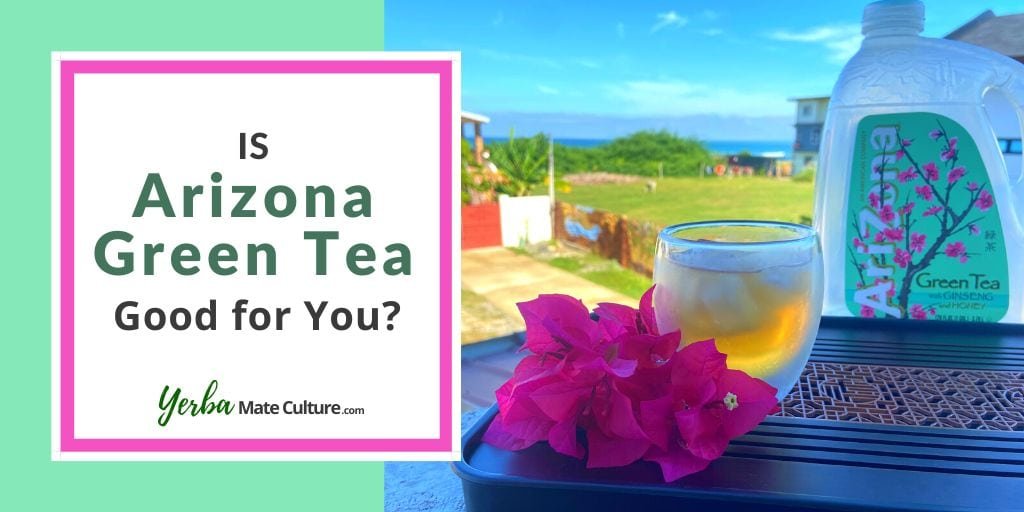
The saving grace, and indeed the marketing appeal, of Arizona Green Tea lies in its core ingredient: green tea itself, along with added ginseng. Green tea is renowned globally for its high concentration of antioxidants, particularly catechins, which are believed to combat oxidative stress, reduce inflammation, and potentially lower the risk of chronic diseases. These properties are often highlighted in discussions about wellness travel and healthy lifestyle choices.
Ginseng, another ingredient often found in this beverage, has been used for centuries in traditional medicine, particularly in Asian cultures. It’s credited with boosting energy, improving cognitive function, and enhancing immune response – all qualities that sound incredibly beneficial for a traveler facing jet lag or exploring diverse environments. The presence of these ingredients might lead consumers to believe they are making a definitively healthy choice.

However, the question isn’t just if these beneficial compounds are present, but how much and how effective they remain once combined with other ingredients. The high sugar content in Arizona Green Tea can, to some extent, counteract the anti-inflammatory and metabolic benefits of the green tea and ginseng. While you are indeed consuming some antioxidants, the sheer volume of sugar often diminishes their overall health impact. It’s a classic case where the good is partially overshadowed by the not-so-good, requiring travelers to weigh the perceived benefits against the very real nutritional drawbacks. For instance, sipping on a cup of freshly brewed unsweetened green tea at a traditional tea house in Kyoto offers a profoundly different and healthier experience than a mass-produced sugary version, aligning more closely with genuine tourism and wellness principles.
Beyond the Label: Artificial Ingredients and Preservatives
Beyond sugar, Arizona Green Tea and similar ready-to-drink products often contain other additives to enhance flavor, extend shelf life, and maintain consistency. These can include natural flavors (which can be derived from various sources, not always natural in the way consumers perceive them), artificial flavors, citric acid, and preservatives. While these ingredients are generally recognized as safe for consumption in regulated amounts, they contrast sharply with the purity of a freshly brewed cup of green tea.
For the traveler pursuing a clean-eating or natural lifestyle, the presence of such additives might be a deterrent. Many individuals actively seek out foods and beverages with minimal processing and transparent ingredient lists, especially when focusing on optimal health during their travels. When exploring local markets in Mexico City or savoring farm-to-table cuisine in Tuscany, the emphasis is often on natural, wholesome ingredients. A highly processed beverage, even one marketed with a healthy halo, may not align with this philosophy.
Furthermore, hydration is vital when traveling, particularly in warmer climates or during long flights. While Arizona Green Tea does provide fluids, the high sugar content can sometimes lead to a diuretic effect or contribute to dehydration in the long run if not balanced with pure water. For travelers seeking optimal hydration, especially when adventuring through the deserts of Arizona or scaling the heights of the Rocky Mountains, plain water or unsweetened herbal teas remain superior choices. Therefore, while Arizona Green Tea offers some semblance of green tea benefits, its overall nutritional profile, dominated by sugar and additives, positions it more as a sweetened refreshment than a genuine health tonic within a holistic travel and lifestyle context.
Green Tea in the Global Tapestry: A Traveler’s Perspective
Green tea is more than just a beverage; it’s a profound cultural touchstone, a historical artifact, and a symbol of hospitality across vast stretches of the globe. For the avid traveler, exploring the world of tea offers an unparalleled opportunity for cultural immersion, connecting with local traditions and experiencing authentic flavors. This broader perspective allows us to contextualize Arizona Green Tea within the diverse landscape of global tea consumption, highlighting how different cultures approach this ancient brew and how travelers can seek out more enriching tea experiences.
Cultural Immersion: Exploring Tea Traditions Abroad
To truly appreciate green tea, one must look beyond mass-produced bottles and delve into the rich traditions that have shaped its journey over millennia. Countries like Japan, China, and South Korea are the heartlands of green tea, where its cultivation, preparation, and consumption are intertwined with art, philosophy, and daily life.
In Japan, the traditional tea ceremony, or chanoyu, is a meditative art form, emphasizing grace, respect, and mindfulness. Visiting a tea house in Kyoto or the tea-growing regions of Uji offers an authentic glimpse into this intricate practice, where every gesture, from whisking the matcha to serving it, carries deep meaning. The focus is on the purity of the tea, its subtle flavors, and the tranquil atmosphere. Similarly, in China, the birthplace of tea, the variety of green teas is astonishing, from delicate Longjing to robust Bi Luo Chun. Tea houses in Shanghai or Hangzhou provide serene retreats where travelers can sample exquisite brews, learning about their origins and preparation methods. These experiences are integral to tourism, offering a genuine connection to the local culture and a profound understanding of what true green tea entails.
Beyond East Asia, tea cultures thrive in various forms. In Morocco, mint tea is a symbol of hospitality, served with elaborate ceremony. In London, the tradition of afternoon tea, while often involving black tea, underscores the social ritual of beverage consumption. For the discerning traveler, these authentic encounters offer far more than just a drink; they provide a window into history, a connection to local communities, and an appreciation for the art of tea. Comparing these rich, unadulterated traditions with the highly processed, sweetened Arizona Green Tea highlights the vast difference in both cultural significance and health benefits.
Wellness on the Go: Hydration and Healthy Choices While Traveling
Maintaining wellness while traveling is a constant balancing act. From navigating time zone changes to adjusting to new cuisines, our bodies require extra care. Hydration is a cornerstone of this self-care, crucial for combating jet lag, sustaining energy levels, and warding off illnesses. This is where the choice of beverage becomes paramount for a healthy lifestyle on the move.
For many travelers, especially those on a budget travel expedition or simply seeking convenience, a bottle or can of Arizona Green Tea might seem like a quick fix. It’s widely available in many parts of the United States and beyond, from gas stations to hotel vending machines. However, as discussed, its high sugar content often negates the hydration benefits and can lead to increased thirst or energy crashes, which are precisely what a traveler wants to avoid.
Instead, optimizing hydration means prioritizing pure water, unsweetened teas, or natural fruit-infused waters. Many modern hotels and resorts, particularly those focused on wellness, are increasingly offering complimentary filtered water, tea stations with a variety of loose-leaf options, or even fresh juice bars. When exploring a bustling city like New York City or hiking through national parks, carrying a reusable water bottle is not only environmentally friendly but also ensures constant access to healthy hydration. Opting for unsweetened beverages at cafes, even if it’s just a simple iced tea without added syrup, makes a significant difference. Making conscious choices about what we drink can powerfully support our health goals, ensuring we have the energy and vitality to fully enjoy every aspect of our travel experiences, whether it’s visiting ancient landmarks or exploring vibrant local markets.
Making Informed Choices: Arizona Green Tea vs. Traditional Brews
For the health-conscious individual, particularly one who embraces travel as a core part of their lifestyle, making informed choices about food and beverages is crucial. This is especially true when comparing a ubiquitous, ready-to-drink option like Arizona Green Tea with its healthier, traditional counterparts. Understanding these differences empowers travelers to maintain their wellness routines, even when away from home.
The Pure Experience: Unsweetened Green Tea for Optimal Health
When health experts, nutritionists, and cultural enthusiasts rave about the benefits of green tea, they are almost universally referring to unsweetened, freshly brewed green tea. This is the “pure experience,” where the natural goodness of the tea leaves is allowed to shine without the interference of added sugars, artificial flavors, or excessive processing.
Unsweetened green tea is a powerhouse of antioxidants, particularly epigallocatechin gallate (EGCG), which has been extensively studied for its potential to boost metabolism, support heart health, enhance brain function, and even aid in disease prevention. It’s a zero-calorie, hydrating beverage that contributes positively to overall well-being. For travelers, choosing unsweetened green tea can be incredibly beneficial. It provides a natural energy lift without the jitters associated with excessive caffeine or the crash that follows a sugar high. It helps maintain stable blood sugar levels, which is important for sustained energy during long travel days or demanding activities.
Finding unsweetened green tea is often easier than one might think. Many hotels and resorts offer tea bags or loose-leaf options in rooms or at breakfast buffets. Cafes and restaurants, particularly in Asia or European cities with diverse culinary scenes, will readily serve plain green tea. Even popular chains like Starbucks offer unsweetened green tea options. Embracing the pure experience of green tea not only aligns with optimal health goals but also provides a more authentic taste of the beverage’s global heritage, connecting travelers to traditions found in Japan or China.
Balancing Convenience and Health in Your Travel Lifestyle
The reality of travel often involves a degree of compromise. While the ideal might be freshly brewed, organic, loose-leaf green tea at every turn, convenience often dictates quick choices. This is where Arizona Green Tea often finds its niche. It’s readily available, relatively inexpensive, and offers a palatable, albeit sugary, taste that many find refreshing.
However, for those committed to a healthy lifestyle, it’s about balance and mindful consumption. If you occasionally opt for an Arizona Green Tea on a road trip across the United States or during a layover, consider it an indulgence rather than a health drink. Balance it by ensuring your other beverage choices throughout the day are sugar-free and hydrating. For instance, if you’re exploring the famous Eiffel Tower in Paris and grab a sweetened drink, make sure your subsequent refreshments are plain water.
When planning your travels, incorporate strategies for healthy hydration. Pack your own reusable tea bags or a small tin of loose-leaf green tea. Many accommodations, even standard hotels, provide hot water kettles. Research local cafes and tea houses at your destination that offer genuine tea experiences. For example, seeking out a traditional tea shop in Taipei can be a rewarding cultural and healthy choice. If fresh options aren’t available, look for unsweetened bottled green teas, which are increasingly found in grocery stores and health food sections. The key is to be intentional with your choices, understanding that while convenience is appealing, long-term health benefits come from consistent, mindful decisions about what we consume, even when on an adventure.
Integrating Healthy Beverages into Your Travel and Lifestyle
For the modern traveler and individual striving for a balanced lifestyle, the choices we make about what we drink are just as important as the destinations we choose or the hotels we book. Beyond the specific case of Arizona Green Tea, there’s a broader imperative to integrate healthier beverage habits into our everyday routines, especially when navigating the unique challenges and opportunities that come with travel.
Seeking Healthier Options in Hotels and Resorts
The hospitality industry is increasingly recognizing the demand for healthier choices among its guests. This trend is evident in the evolving offerings at hotels, resorts, and various forms of accommodation worldwide. Travelers are no longer content with just a comfortable bed; they seek amenities that support their wellness goals, and this extends to beverages.
Many upscale establishments, from a Four Seasons Hotel in Tokyo to a boutique resort in Bali, now provide complimentary filtered water stations, often infused with fruits like lemon or cucumber. In-room minibars are diversifying beyond sugary sodas to include sparkling water, kombucha, and unsweetened iced teas. Some hotels even boast dedicated tea lounges or offer curated tea menus as part of their culinary experiences. For instance, an eco-friendly lodge in Costa Rica might offer locally sourced herbal infusions. When booking your stay, checking the amenities or reading recent reviews can give you an idea of the healthy beverage options available. Don’t hesitate to ask the concierge about local tea houses or health-conscious cafes. Even budget-friendly hotels often provide basic tea and coffee facilities, allowing guests to brew their own unsweetened options. This proactive approach to seeking out and utilizing healthier offerings can significantly enhance your travel experience and help maintain your personal wellness regimen, ensuring you have the energy to explore every historical landmark or vibrant market.
Crafting a Balanced Approach for Your Everyday Journey
Ultimately, whether you’re embarking on an epic adventure across Europe or simply navigating your daily routine, a balanced approach to beverage consumption is key. While the occasional Arizona Green Tea might offer a moment of familiar refreshment, it should not be considered a staple for health-conscious individuals. Instead, prioritize hydration through water and leverage the genuine benefits of traditional, unsweetened green tea.
Think of your beverage choices as an extension of your commitment to a holistic lifestyle. When planning your itinerary, consider visiting local tea plantations in Sri Lanka or engaging in a traditional tea ceremony in Seoul as a cultural activity. These experiences not only enrich your understanding of global tourism but also reinforce the value of pure, natural ingredients. Make it a habit to carry a reusable water bottle, seek out unsweetened tea options, and view sugary drinks as occasional treats rather than everyday essentials.
In conclusion, while Arizona Green Tea might be a convenient and widely available drink, its high sugar content and added ingredients mean it falls short of being a truly “good for you” beverage in the context of optimal health and wellness. For those who prioritize vitality, sustained energy, and genuine cultural experiences during their travels and in their daily lives, the path to healthy hydration lies in opting for water and the pure, unsweetened varieties of green tea that have been celebrated for centuries across the globe. By making mindful beverage choices, every journey, whether local or international, becomes an opportunity to nurture both mind and body.
LifeOutOfTheBox is a participant in the Amazon Services LLC Associates Program, an affiliate advertising program designed to provide a means for sites to earn advertising fees by advertising and linking to Amazon.com. Amazon, the Amazon logo, AmazonSupply, and the AmazonSupply logo are trademarks of Amazon.com, Inc. or its affiliates. As an Amazon Associate we earn affiliate commissions from qualifying purchases.