
This is a frequently asked question for travelers eyeing the serene beauty of the South Pacific. The answer, however, isn’t as straightforward as a simple “yes” or “no” and largely depends on your citizenship. American Samoa, a beautiful archipelago brimming with lush rainforests, pristine beaches, and vibrant cultural traditions, holds a unique political status that directly impacts its entry requirements. Unlike its independent neighbor, the Samoa Islands, American Samoa is an unincorporated territory of the United States. This distinction is crucial for understanding whether you’ll need to present a passport upon arrival.

For many U.S. citizens, the idea of traveling within U.S. territories often brings to mind the ease of domestic travel. While this sentiment holds some truth for American Samoa, there are specific nuances that travelers must be aware of to ensure a hassle-free journey. For non-U.S. citizens, the requirements align more closely with typical international travel protocols, demanding a valid passport and, in many cases, an entry permit. This comprehensive guide will unravel the intricacies of American Samoa’s entry regulations, helping you prepare for an unforgettable adventure to this remote Pacific paradise.
Understanding American Samoa’s Unique Status
To truly grasp the passport requirements for American Samoa, one must first appreciate its distinctive political and geographical standing. Often confused with its Western counterpart, the Independent State of Samoa, American Samoa exists as a separate entity with its own set of rules and regulations.
A U.S. Territory in the South Pacific
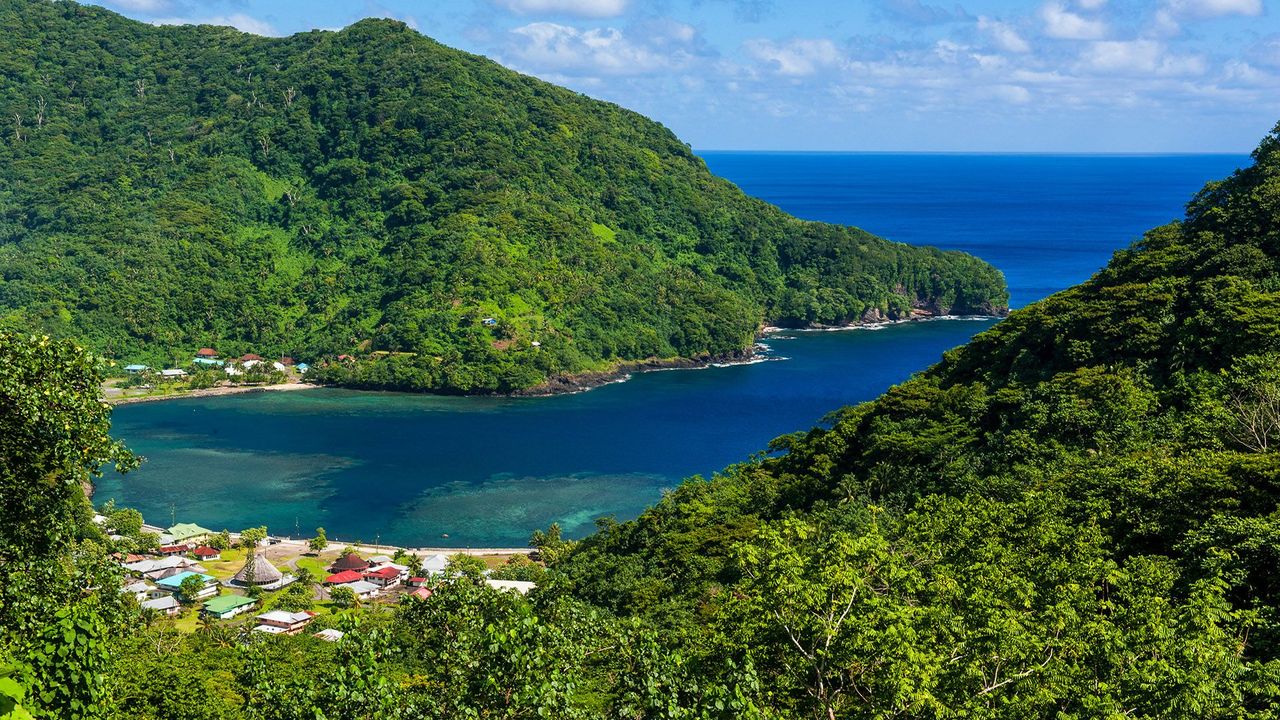
American Samoa is the only U.S. territory in the Southern Hemisphere. Its status as an unincorporated and unorganized territory of the United States means that while its residents are U.S. nationals (but not citizens, unless born in the U.S. or naturalized elsewhere), certain provisions of the U.S. Constitution do not automatically apply. This unique relationship influences everything from governance to immigration policies. The capital, Pago Pago, serves as the main entry point and economic hub, nestled within a dramatic harbor formed by ancient volcanic activity. The islands, including Tutuila, the largest and most populous, Ofu-Olosega, and Ta‘u in the Manu‘a Group, and the remote Swains Island, offer diverse landscapes and cultural experiences. The administration of American Samoa by the U.S. Department of the Interior means that federal laws and regulations concerning immigration are somewhat distinct from those governing the mainland U.S. or even other territories like Puerto Rico or the U.S. Virgin Islands. This territorial status, rather than statehood or full independence, dictates the specific requirements for entry.
Differentiating from Samoa (Independent State)
It’s vital for travelers to understand the clear distinction between American Samoa and the independent nation of Samoa, formerly known as Western Samoa. While geographically and culturally similar, sharing the rich Polynesian heritage of Fa’a Samoa, they are separate political entities. Traveling to the independent nation of Samoa (whose capital is Apia, on the island of Upolu) always requires a valid passport for all international visitors, regardless of nationality, along with any necessary visas. Confusing the two can lead to significant travel complications, as their entry requirements are entirely different. When booking flights or making travel arrangements, ensure you specify “Pago Pago, American Samoa” to avoid ending up in the wrong Samoa. This geographical separation, maintained since the late 19th century, underlies the divergent travel policies.
Entry Requirements for U.S. Citizens
For U.S. citizens, the question of needing a passport for American Samoa is where the “it’s complicated” answer comes into play. While not strictly mandatory in all circumstances, carrying one is often the most prudent and recommended course of action.
The Passport Question: U.S. Citizens and Identification
Officially, U.S. citizens traveling directly from the United States or other U.S. territories to American Samoa are not legally required to present a passport. This is because the journey is considered akin to domestic travel within the broader U.S. system. Instead, a valid government-issued photo identification, such as a state-issued driver’s license or a military ID, coupled with proof of U.S. citizenship (like an original or certified birth certificate), is generally accepted. However, it’s crucial to understand that airline policies can be stricter than federal regulations. Many airlines operating flights to Pago Pago from Honolulu, Hawaii (the primary transit point), or other locations, may still require passengers to present a valid passport for boarding, regardless of the official territorial entry rules. This is often due to their own internal security policies or in preparation for potential rerouting to foreign soil in emergency situations. Always check with your specific airline before travel.
Acceptable Forms of ID for Domestic Travel Equivalents
For U.S. citizens choosing not to carry a passport, a combination of documents is typically required. You will need:
- A government-issued photo ID, such as a REAL ID-compliant driver’s license or state ID card. The REAL ID Act standards apply to air travel within the United States and its territories.
- Proof of U.S. citizenship, which could be an original or certified copy of your birth certificate issued by the state, a Consular Report of Birth Abroad, or a naturalization certificate. A simple photocopy of a birth certificate may not be accepted.
It’s imperative that the names on all identification documents match exactly. Discrepancies can lead to significant delays or even denied boarding. While this combination of documents is technically permissible, the logistical hassle of carrying multiple sensitive documents, coupled with the potential for airline-specific rules, often makes a passport the simpler choice.
Benefits of Carrying a Passport Anyway
Even if not strictly required, traveling to American Samoa with a valid U.S. passport offers several distinct advantages. Firstly, it streamlines the check-in and boarding process, as it is universally recognized as the gold standard for identification and citizenship. You avoid the need to carry and present multiple documents. Secondly, a passport provides invaluable peace of mind. Should unforeseen circumstances arise, such as an emergency landing in a foreign country (like Samoa or Fiji), having a passport ensures you meet international entry requirements without issue. Thirdly, if your travel plans include visiting the independent nation of Samoa or other neighboring Pacific islands, a passport is an absolute necessity. Many travelers to American Samoa often take the short ferry or plane ride to Samoa for a combined experience. Therefore, for convenience, security, and flexibility, a passport is highly recommended for all U.S. citizens planning a trip to American Samoa.
Entry Requirements for Non-U.S. Citizens
For individuals who are not U.S. citizens or U.S. nationals, the entry requirements for American Samoa are more stringent and align with standard international travel protocols.
International Travelers: Standard Passport and Visa Rules
All non-U.S. citizens must possess a valid passport from their country of origin that remains valid for at least six months beyond their intended stay. In addition to a passport, a valid Entry Permit Waiver Program (EPWP) approval or an entry permit (visa) from the American Samoa government is typically required. It’s crucial to understand that a U.S. visa or ESTA (Electronic System for Travel Authorization) for the mainland United States does not automatically grant entry into American Samoa. American Samoa administers its own immigration system, distinct from federal U.S. immigration. Travelers should apply for the appropriate entry permit well in advance of their planned departure. The application process typically involves submitting an online application through the American Samoa Department of Legal Affairs, providing personal details, travel itinerary, and a fee.
Specific Requirements by Nationality
While general rules apply, specific requirements can differ based on nationality. Certain countries may have reciprocal agreements or specific waivers. For instance, citizens of some Pacific Island nations might have slightly different pathways. However, the overarching rule remains: a passport and a specific American Samoa entry permit are mandatory. Always consult the official website of the American Samoa Department of Legal Affairs or the nearest U.S. embassy or consulate for the most up-to-date and country-specific information.
Visa Waiver Programs and Their Applicability
The United States operates a Visa Waiver Program (VWP) for citizens of certain countries, allowing them to travel to the U.S. for tourism or business for stays of 90 days or less without obtaining a visa. However, it is critical to reiterate that the U.S. VWP and ESTA do not apply to entry into American Samoa. American Samoa has its own independent EPWP for short-term stays, which functions similarly to a visa waiver but is distinct and must be applied for separately. Eligible nationalities under the EPWP can typically apply for an electronic travel authorization, which, if approved, permits a short stay without a full visa application. Always verify your eligibility and apply through the official channels of the American Samoa government.
Preparing for Your Trip: Beyond the Passport
Once you’ve sorted out your passport and entry permit requirements, there are other essential preparations to consider for a seamless journey to American Samoa.
Health and Customs Regulations
Upon arrival in American Samoa, all travelers are subject to health and customs inspections. Due to its remote location and delicate ecosystem, strict biosecurity measures are in place to prevent the introduction of invasive species, agricultural pests, and diseases. This means declarations for all food items, plants, and animal products are mandatory. Failure to declare items can result in significant fines. Regarding health, while no specific vaccinations are universally required for entry, it’s always advisable to be up-to-date on routine vaccinations. Consult your doctor or a travel health clinic well in advance of your trip for personalized medical advice and any recommended immunizations for tropical destinations. American Samoa is a mosquito-borne disease area, so taking precautions against mosquito bites is highly recommended.
Essential Travel Documents Checklist
To ensure a smooth arrival and departure, keep an organized folder with all your crucial documents. This checklist should include:
- Valid Passport: For non-U.S. citizens, and highly recommended for U.S. citizens.
- Entry Permit/EPWP Approval: For non-U.S. citizens.
- Proof of U.S. Citizenship and Photo ID: For U.S. citizens opting not to use a passport.
- Return or Onward Ticket: Proof of your planned departure from American Samoa.
- Accommodation Bookings: Confirmation of where you will be staying.
- Travel Insurance: Highly recommended for any international travel.
- Copies of all documents: Keep digital and physical copies separate from the originals.
Best Practices for a Smooth Entry
Beyond having the correct documents, a few best practices can further ensure a stress-free entry into American Samoa. Be prepared to articulate the purpose of your visit and your planned duration of stay to immigration officials. Maintain a respectful and cooperative demeanor. Dress modestly when interacting with local authorities, reflecting the conservative cultural norms of American Samoa. Always be honest and thorough in your declarations to customs and biosecurity. Arriving well-prepared and informed will not only expedite your process but also set a positive tone for your entire trip.
Why Visit American Samoa? A Glimpse into Paradise
Beyond the administrative details, American Samoa offers a compelling destination for those seeking natural beauty, cultural authenticity, and a serene escape from the bustling world.
Natural Wonders and Cultural Immersion
The islands are renowned for their untouched natural landscapes. The National Park of American Samoa, spread across Tutuila, Ofu, and Ta‘u, is a highlight, offering breathtaking hikes through dense rainforests, encounters with diverse wildlife, and stunning coastal views. Snorkeling and diving in the vibrant coral reefs reveal an underwater world teeming with marine life. The Ofu Beach, often cited as one of the world’s most beautiful and remote beaches, provides an unparalleled experience of pristine white sands and crystal-clear waters. Culturally, American Samoa offers a deep dive into Fa’a Samoa – the Samoan way of life. This traditional system emphasizes community, family, and respect, evident in daily interactions, village life, and traditional ceremonies. Visitors have the unique opportunity to experience this rich heritage firsthand, whether through attending a Fiafia night, learning local crafts, or simply observing the peaceful rhythm of island life.

Practical Tips for Exploring the Islands
Getting around American Samoa typically involves using local buses (a colorful experience in itself), taxis, or renting a car, especially on Tutuila. Accommodations range from basic guesthouses and hotels in Pago Pago to charming fales (traditional open-air huts) in more remote villages, offering a range of experiences. English is widely spoken alongside Samoan, making communication relatively easy. Remember that Sundays are traditionally a day of rest, with many businesses closed and a quiet atmosphere prevailing. Always ask permission before entering private land or taking photos of people. Embrace the slower pace of island life, respect local customs, and you’ll find American Samoa to be an incredibly rewarding and enriching destination.
In conclusion, while the passport requirement for American Samoa varies by nationality, the overarching advice is to be thoroughly prepared. For U.S. citizens, a passport is the most convenient and secure form of identification, though alternatives exist. For non-U.S. citizens, a valid passport and the appropriate American Samoa entry permit are indispensable. By understanding and adhering to these guidelines, your journey to this untouched corner of the Pacific will be as smooth and enjoyable as the gentle trade winds that caress its shores.
LifeOutOfTheBox is a participant in the Amazon Services LLC Associates Program, an affiliate advertising program designed to provide a means for sites to earn advertising fees by advertising and linking to Amazon.com. Amazon, the Amazon logo, AmazonSupply, and the AmazonSupply logo are trademarks of Amazon.com, Inc. or its affiliates. As an Amazon Associate we earn affiliate commissions from qualifying purchases.