
Embarking on a journey to the stunning landscapes and vibrant cities of Arizona promises an unforgettable experience, from exploring the majestic Grand Canyon to discovering the rich cultural tapestry of Phoenix and Tucson. However, as with any travel destination, a responsible tourist understands the importance of familiarizing themselves with local laws and regulations. This isn’t just about avoiding trouble; it’s about respecting the community and ensuring a smooth, enjoyable visit. One question that occasionally arises, particularly for those with an interest in outdoor activities or self-defense tools, pertains to the legality of switchblades in the Grand Canyon State. Navigating the nuances of knife laws can be complex, but for tourists, a clear understanding is a crucial tip for a worry-free sojourn.
Understanding Knife Laws in the Grand Canyon State
Arizona’s approach to knife laws is generally considered more permissive than many other states, reflecting a broader emphasis on individual rights. However, “permissive” does not mean “unrestricted.” It’s essential for any visitor to distinguish between general legality and specific regulations concerning carry methods, locations, and the intent behind possessing such items. For tourists, this knowledge forms a vital part of their preparedness, akin to knowing local driving laws or permissible items to bring into public attractions.
What Constitutes a “Switchblade”?
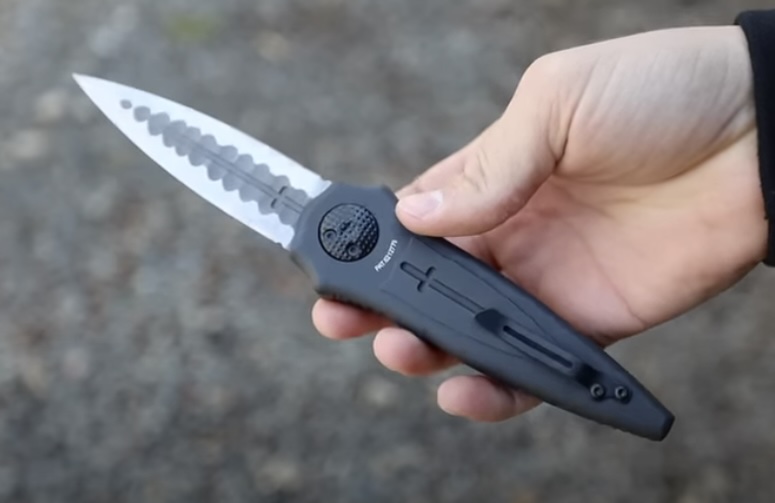
Before delving into legality, it’s critical to define what a “switchblade” is in a legal context, as terminology can vary and lead to confusion. Historically, “switchblade” has been a somewhat pejorative term for an automatic knife. Legally, an automatic knife is typically defined as any knife having a blade that opens automatically by hand pressure applied to a button, spring, or other device in the handle, or by gravity or inertia. These are distinct from assisted-opening knives, which require some manual initiation of the blade, or manual folding knives that require the user to open the blade fully. For the purpose of Arizona law and this discussion, we will refer to them primarily as automatic knives, as this is the more accurate and less loaded term. Understanding this definition is the first step in comprehending the legal landscape surrounding these tools.
The Evolving Landscape of Knife Legislation
Knife laws, both at federal and state levels, have seen significant evolution over the decades. The Federal Switchblade Act of 1958 initially made it illegal to possess, manufacture, sell, or transport switchblades in interstate commerce, primarily aimed at restricting their availability and combating perceived crime trends. However, this federal law largely pertains to interstate commerce and manufacturing, not necessarily individual possession within a state, leaving much room for state-level determination.
Arizona, in recent years, has moved towards a more liberal interpretation of knife ownership. Unlike some states that maintain strict bans on automatic knives, the Arizona legislature has generally adopted an approach that focuses more on the misuse of knives rather than outright bans on specific types. This legislative trend underscores the importance for tourists to look specifically at state and local ordinances, rather than relying on common perceptions or federal law alone, when planning their visit.
Arizona’s Specific Stance on Automatic Knives
For those visiting Arizona, the good news is that the state has a relatively clear and, for many, permissive stance on automatic knives. This doesn’t mean a complete lack of rules, but it certainly offers more leeway than what you might encounter in other jurisdictions.
General Legality of Possession and Purchase
In Arizona, it is generally legal to possess and openly carry an automatic knife. There are no state-level bans on the ownership, purchase, or sale of automatic knives themselves. This means that if you are an adult, you can legally buy an automatic knife from a retailer in Arizona and keep it in your possession. This is a significant point of difference from many other states where such knives are heavily restricted or outright prohibited. This relaxed stance aligns with the state’s broader legal philosophy concerning individual rights and firearm ownership, often extending to other tools like knives. Tourists enjoying the desert trails or exploring the urban centers like Scottsdale can generally have an automatic knife for lawful purposes, provided they adhere to carry regulations.
Regulations on Carrying
While possession is largely legal, the method of carrying an automatic knife—or any knife for that matter—is subject to regulations. Arizona distinguishes between open carry and concealed carry.
- Open Carry: Openly carrying an automatic knife is generally legal for adults in Arizona. This means the knife must be visible, not hidden from ordinary observation. For example, clipped to a pocket with the handle showing, or carried in a sheath on a belt.
- Concealed Carry: This is where the primary restriction lies. While it’s legal for most individuals to openly carry an automatic knife, carrying a deadly weapon (which includes most knives) concealed requires an Arizona Concealed Weapons Permit (CWP). Without a CWP, carrying any deadly weapon, including an automatic knife, concealed on one’s person is illegal. For tourists, it’s highly unlikely they would possess an Arizona CWP, making concealed carry of an automatic knife unlawful for them. This is a critical distinction that visitors must understand to avoid potential legal issues.
Age Restrictions and Exceptions
Generally, there are no specific age restrictions in Arizona law for possessing knives. However, minors (individuals under 18) may face different legal interpretations, particularly regarding intent or if the knife is brought onto school grounds. While adults can generally possess automatic knives, minors are advised against carrying any type of knife, especially automatic ones, without parental supervision or a clear, lawful purpose, and never into restricted zones. The key takeaway for tourists is that if you are an adult, you are generally covered by the aforementioned rules.
Important Considerations for Tourists and Visitors

For visitors to Arizona, understanding these knife laws is more than just academic; it’s practical. Responsible tourism involves being aware of the environment you’re in, and that includes the legal landscape.
Federal vs. State Laws: A Tourist’s Dilemma
As mentioned, the Federal Switchblade Act primarily regulates interstate commerce. For a tourist flying into Arizona, transporting an automatic knife by air is governed by federal Transportation Security Administration (TSA) regulations, which prohibit knives (of any kind) in carry-on luggage. They may be allowed in checked luggage, but this is a federal rule, separate from state possession laws. Once you are in Arizona, the state laws regarding possession and carry take precedence. This is a crucial distinction: what’s allowed on a plane differs significantly from what’s allowed on Arizona streets. Tourists should never assume that because a knife is legal in Arizona, it is legal to fly with it in their carry-on. Always check TSA guidelines before traveling.
Avoiding Legal Pitfalls: Tips for a Smooth Visit
To ensure a smooth and enjoyable visit to Arizona, consider these practical tips regarding knives:
- Know the Law: As this article explains, automatic knives are generally legal for open carry by adults. Concealed carry requires a permit.
- Local Ordinances: While Arizona has state-wide laws, some cities or counties could have their own specific ordinances that might be more restrictive. While less common for basic knife possession, it’s always wise to be aware, especially in large metropolitan areas. However, Arizona state law generally preempts local ordinances regarding knife carry, meaning state law usually overrides city rules.
- Common Sense and Intent: Even where legal, exercising common sense is paramount. Carrying a large knife in a crowded tourist area or into a government building, regardless of legality, might draw unwanted attention or raise questions about intent. The “lawful purpose” of carrying a knife can be crucial if questioned.
- No Weapons Signs: Always respect signage. If a private establishment or public building has a “no weapons” policy or sign, carrying a knife there, even if generally legal, could lead to being asked to leave or trespassing charges.
- When in Doubt, Don’t: If you are unsure about the legality of carrying a specific knife in a particular situation, or if you don’t have a clear, lawful reason for it (e.g., camping, hiking, work), it’s always safer to leave it behind.
General Knife Safety and Awareness
Beyond the legal specifics of switchblades, general knife safety and awareness are important for tourists. Knives, regardless of their opening mechanism, are tools. Misuse or negligence can lead to accidents or legal trouble. When traveling, consider:
- Secure Storage: If you carry a knife, ensure it’s stored safely when not in use, especially in vehicles or hotel rooms, to prevent accidental injury or unauthorized access.
- Public Perception: Be aware that while automatic knives might be legal, public perception can vary. Displaying a knife unnecessarily in public might cause alarm or misunderstanding.
- Law Enforcement Interactions: If you are stopped by law enforcement and have a knife, remain calm, inform the officer if asked, and follow all instructions.
Broader Knife Laws in Arizona: A Quick Overview
While this article focuses on automatic knives, it’s beneficial for tourists to have a broader understanding of Arizona’s general knife laws, as they often apply to any blade.
Other Prohibited Knives
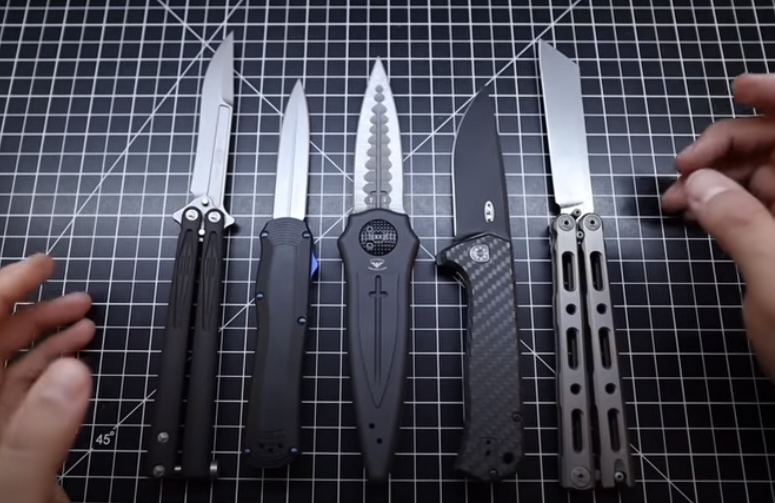
Arizona law does not specifically prohibit other types of common knives like fixed blades, folding knives, bowie knives, or even swords, based on their design alone. The primary focus remains on how they are carried (open vs. concealed) and the intent behind their possession or use. Unlike some states that might ban “gravity knives” or “ballistic knives,” Arizona’s statutes are generally less restrictive in defining prohibited types of knives.
Restricted Areas for Knives
Regardless of whether a knife is an automatic knife or a simple folding knife, there are specific locations in Arizona where carrying any deadly weapon (which includes most knives) is strictly prohibited. These typically include:
- School grounds and universities: Both K-12 and higher education institutions.
- Polling places: During election periods.
- Government buildings: Including courthouses, legislative buildings, and other public offices.
- Airports: Beyond the TSA checkpoints (prohibited in sterile areas and on aircraft).
- Prisons and correctional facilities.
- Nuclear generating stations.
Tourists should be especially mindful of these restrictions when visiting attractions that might fall into these categories, such as museums or government-run historical sites.
The Concept of “Lawful Purpose”
While Arizona is permissive regarding knife ownership, the intent behind carrying a knife can become a significant factor in legal situations. Carrying a knife for a “lawful purpose” (e.g., for work, outdoor recreation like camping or hiking, self-defense, or as a tool) is generally acceptable. However, carrying a knife with the intent to use it unlawfully (e.g., in a threatening manner, or for assault) would, of course, lead to severe legal consequences, regardless of the knife’s initial legality. For tourists, having a justifiable reason for carrying a knife, especially in more urban settings, can be a helpful safeguard.
In conclusion, for tourists planning a visit to Arizona, the answer to “Are switchblades legal in Arizona?” is nuanced but generally favorable. Automatic knives are legal to possess and openly carry for adults. The primary restriction lies in concealed carry without an Arizona Concealed Weapons Permit, and the absolute prohibition of knives in certain sensitive locations. By understanding these specific tourism tips and adhering to common sense, visitors can confidently explore all that Arizona has to offer, ensuring their trip is memorable for all the right reasons. Always remember that this information is for general guidance and not legal advice; for specific legal questions, consulting with a qualified Arizona attorney is recommended.
LifeOutOfTheBox is a participant in the Amazon Services LLC Associates Program, an affiliate advertising program designed to provide a means for sites to earn advertising fees by advertising and linking to Amazon.com. Amazon, the Amazon logo, AmazonSupply, and the AmazonSupply logo are trademarks of Amazon.com, Inc. or its affiliates. As an Amazon Associate we earn affiliate commissions from qualifying purchases.