
For many travelers planning a visit to the sun-drenched landscapes of the American Southwest, a seemingly simple question can quickly turn into a perplexing puzzle: “What time is it in Arizona right now?” While most of the United States diligently “springs forward” and “falls back” with Daylight Saving Time (DST), the Grand Canyon State largely marches to the beat of its own drum, maintaining a consistent time zone year-round. This unique approach to timekeeping is a defining characteristic of Arizona, often leading to confusion for visitors and a slight adjustment period for newcomers.
Understanding Arizona’s time situation is not just an academic exercise; it’s a practical necessity for planning everything from flight arrivals and hotel check-ins to Grand Canyon tours and dinner reservations in Scottsdale. This article will demystify Arizona’s time zone, explore its historical and cultural context, detail its implications for travel and tourism, and provide essential tips for navigating the regional nuances, ensuring your Arizona adventure is as seamless as possible.
The Grand Canyon State’s Unique Timekeeping: A Deep Dive into MST
At the heart of the Arizona time conundrum lies its steadfast adherence to Mountain Standard Time (MST) for the vast majority of the state. This means that while other states adjust their clocks twice a year, most of Arizona remains fixed at UTC-7. This consistency has profound implications, particularly during the months when Daylight Saving Time is observed elsewhere.
Understanding Mountain Standard Time (MST)
Mountain Standard Time (MST) is generally observed by states in the Mountain Time Zone, typically one hour ahead of Pacific Standard Time (PST) and two hours behind Central Standard Time (CST). For most of the year, specifically from early November to mid-March, Arizona’s time aligns with the official Mountain Standard Time of its neighboring states like Colorado and New Mexico. During these months, if it’s 10:00 AM in Phoenix, it’s also 10:00 AM in Denver and 9:00 AM in Los Angeles.
The decision for Arizona to largely forgo Daylight Saving Time dates back decades. One of the primary arguments against DST in Arizona revolves around its famously hot climate. The concept of “saving daylight” by shifting clocks forward was largely conceived to extend daylight into the evening, supposedly to save energy. However, in Arizona’s desert environment, an extra hour of daylight during the peak summer evenings would only mean more prolonged exposure to scorching temperatures, leading to increased energy consumption for air conditioning, not less. Thus, maintaining a consistent MST year-round meant that residents could start their days earlier, avoiding the worst of the afternoon heat, and enjoy cooler evenings. This practical consideration, coupled with a general preference for consistency, solidified Arizona’s unique time policy.

The Daylight Saving Time Exemption Explained
The real “trick” to Arizona time emerges when the rest of the United States adjusts to Daylight Saving Time. From mid-March to early November, when many states shift to Mountain Daylight Time (MDT), Central Daylight Time (CDT), and Pacific Daylight Time (PDT), Arizona does not change its clocks. It remains on Mountain Standard Time (MST).
What this means in practice is that during the spring, summer, and early fall months:
- Arizona (on MST) becomes one hour behind the states observing MDT. So, if it’s 10:00 AM in Denver, it’s 9:00 AM in Phoenix.
- Crucially, Arizona (on MST) effectively aligns with Pacific Daylight Time (PDT). So, if it’s 9:00 AM in Los Angeles (on PDT), it’s also 9:00 AM in Phoenix.
This seasonal shift is where most of the confusion arises. The answer to “What is Arizona time now?” depends entirely on whether Daylight Saving Time is in effect elsewhere. For half the year, Arizona is on par with its Pacific Coast neighbors, while for the other half, it’s an hour ahead. This distinction is vital for anyone traveling to, from, or within the state, impacting everything from travel itineraries to scheduling conference calls.
Navigating Time Differences: Essential for Arizona Travel and Tourism
For the legions of visitors drawn to Arizona’s breathtaking landscapes, vibrant cities, and rich cultural heritage, understanding the state’s unique timekeeping is paramount. This knowledge directly influences travel planning, ensuring a smooth and enjoyable experience, whether you’re embarking on a luxurious Grand Canyon helicopter tour or enjoying the bustling nightlife of Tempe.
Planning Your Arizona Itinerary: Practical Implications for Visitors
The consistency of Arizona’s time zone, while initially confusing, simplifies many aspects of travel once understood. However, the initial adjustment requires careful consideration, especially for those arriving from states that observe Daylight Saving Time.
- Flights and Transportation: When booking flights into major Arizona airports like Phoenix Sky Harbor International Airport (PHX) or Tucson International Airport (TUS), always pay close attention to the arrival and departure times, which will invariably be listed in local Arizona time. If you’re connecting from, say, Dallas (Central Time Zone) during summer, you’ll gain two hours upon arrival in Arizona. Conversely, if you’re coming from San Francisco (Pacific Daylight Time), your arrival time will be the same numerical time on the clock. It’s crucial to confirm internal transfer times if you’re, for example, flying into Phoenix and then taking a shuttle to Sedona or Flagstaff.
- Accommodations and Bookings: Hotels, resorts, and other accommodation providers in Arizona operate on Arizona time. This means that your 3:00 PM check-in will be 3:00 PM local time, regardless of what time your origin city currently observes. When making reservations for activities, spas, or fine dining, always clarify that you are confirming for local Arizona time to avoid any misunderstandings.
- Tours and Activities: Arizona offers an incredible array of attractions, from geological wonders to cultural experiences. Planning your visits to landmarks such as the Grand Canyon, the vibrant arts scene of Sedona, or the historic sites around Tucson requires precise timing. Tour operators, particularly those dealing with sunrise or sunset excursions, will always specify times in local Arizona time. Miscalculating by an hour could mean missing a once-in-a-lifetime view or a crucial departure.
Impact on Major Destinations and Local Experiences
The consistency of Arizona time throughout the year generally makes daily life and tourism flow smoothly within the state. In major urban centers like Phoenix, Tucson, and Scottsdale, businesses, public services, and daily routines are anchored to this steady clock. For residents, this means no bi-annual clock adjustments, contributing to a stable rhythm of life.
For visitors, once the initial concept of the DST exemption is grasped, it often leads to less internal stress when scheduling. Imagine planning a trip to the Grand Canyon National Park. If you’re coming from California during summer, the time zone is essentially the same. If you’re driving from Utah, which does observe Daylight Saving Time, you’ll “gain” an hour as you cross the border into Arizona, making for an earlier arrival or providing an extra hour for exploration. Similarly, in popular tourist towns like Sedona and Flagstaff, restaurants, shops, and outdoor activity providers maintain their schedules without seasonal time shifts, offering predictable hours of operation for tourists. This local consistency ensures that whether you’re hiking the red rocks of Sedona or exploring the South Rim of the Grand Canyon, the timing of your activities is straightforward and reliable, allowing you to immerse yourself fully in the experience.

The Navajo Nation: A Significant Exception to the Rule
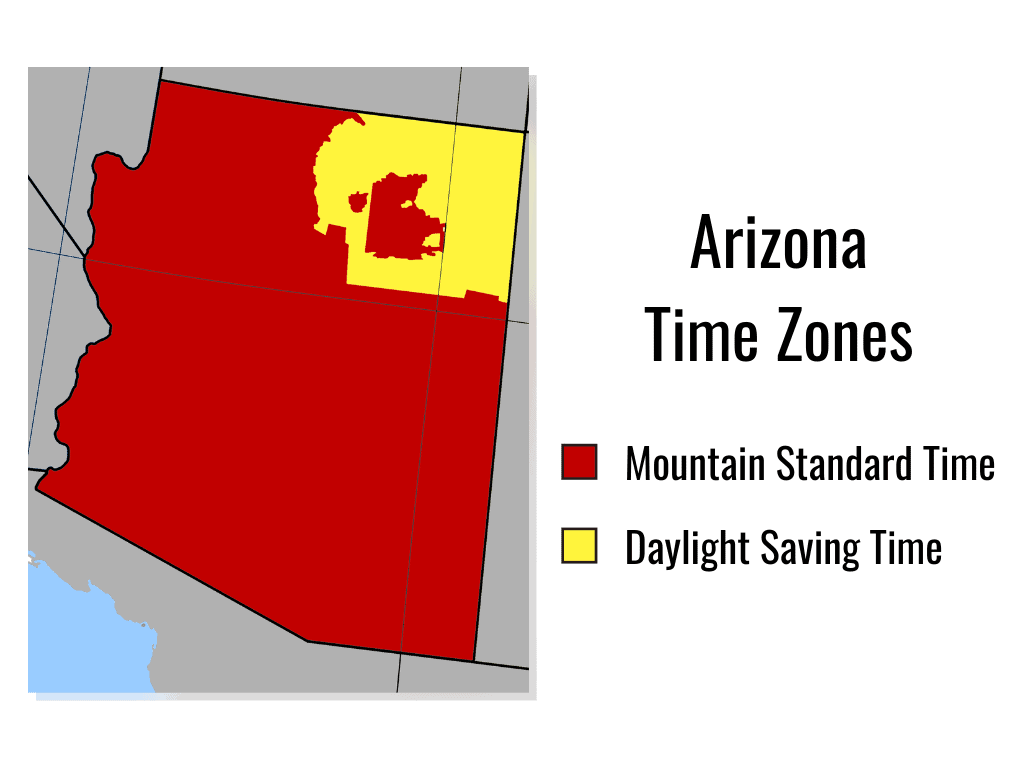
While the vast majority of Arizona maintains its unique year-round Mountain Standard Time (MST), there is one significant and widely known exception that travelers must be aware of: the Navajo Nation. This sovereign tribal land, which covers a substantial portion of northeastern Arizona, operates differently, adding another layer of complexity to the state’s timekeeping.
Timekeeping on Tribal Lands: A Key Distinction
The Navajo Nation, unlike the rest of Arizona, does observe Daylight Saving Time. This means that from mid-March to early November, when most of the United States springs forward, the Navajo Nation also shifts its clocks forward by one hour, effectively moving to Mountain Daylight Time (MDT). The reasoning behind this is largely practical: the Navajo Nation spans three states—Arizona, New Mexico, and Utah—all of which observe Daylight Saving Time outside of the Arizona portion. By aligning with its neighbors, the Navajo Nation simplifies administrative, commercial, and community interactions across its vast territory.
For travelers exploring iconic sites such as Monument Valley, Antelope Canyon, or Canyon de Chelly National Monument — all of which are located within the Navajo Nation in Arizona — this distinction is crucial. If you’re driving into the Navajo Nation from a non-DST observing part of Arizona during the summer months, you will need to set your watch forward one hour. Conversely, when leaving, you’ll set it back an hour. This “time warp” can catch unsuspecting tourists off guard, potentially leading to missed tours or appointments, especially for sunrise photography at Monument Valley or scheduled visits to Antelope Canyon which are strictly timed.
Adding another layer of complexity is the Hopi Nation, whose lands are entirely surrounded by the Navajo Nation. The Hopi Nation, like the rest of Arizona, does not observe Daylight Saving Time. This creates a geographical “doughnut hole” effect during DST: you could drive into the Navajo Nation, gain an hour, then drive through the Hopi Nation, lose an hour, and then re-enter the Navajo Nation and gain an hour again, all within a relatively short drive. While fascinating, it underscores the importance of staying informed and double-checking local times when exploring these culturally rich areas. There are other small exceptions too, such as the Fort Mojave Indian Reservation near the Nevada border which observes Pacific Time and DST to align with Nevada. However, the Navajo Nation is the most impactful and widespread exception for most tourists.
Mastering Arizona Time: Practical Tips for a Seamless Experience
While the unique timekeeping system of Arizona might seem daunting at first glance, it is easily navigable with a few practical strategies. Far from being a hindrance, once understood, Arizona’s consistent time often proves to be a simplifying factor for both residents and visitors alike.
Staying Synced: Tools and Strategies for Travelers
The key to a hassle-free visit to Arizona is awareness and proactive time management.
- Adjust Your Devices Immediately: Upon arrival in Arizona, especially if you’re driving in from a state that observes Daylight Saving Time, manually or automatically set your phone, smartwatch, and other devices to Arizona time. Most smartphones will automatically detect the correct time zone, but a quick check ensures you’re synced with local clocks.
- Verify All Booking Confirmations: Before you travel, double-check all flight itineraries, hotel reservations, tour bookings, and restaurant times. Ensure that the times listed are indeed in local Arizona time, especially for time-sensitive activities like guided hikes or hot air balloon rides over Phoenix.
- Utilize Time Zone Converter Apps: For those who need to frequently coordinate with people outside of Arizona, especially for business calls or family check-ins, a reliable world clock or time zone converter app can be incredibly useful. This helps quickly compare Arizona time with Eastern Time, Central Time, or Pacific Time at any given moment.
- When in Doubt, Ask “Local Arizona Time”: When making last-minute plans or inquiring about operating hours, always specify “local Arizona time” to avoid any ambiguity. This is particularly important if you are on the border with New Mexico, Utah, or even Nevada, where DST is observed.
- Be Mindful of the Navajo Nation Exception: If your itinerary includes destinations like Page, Monument Valley, or Window Rock, remember that the Navajo Nation observes Daylight Saving Time. Plan for that one-hour adjustment, especially for tours that operate within the tribal lands.
The Unsung Benefits of Arizona’s Consistent Time
While Arizona’s time policy can be a brief point of confusion, it brings with it a host of advantages that contribute to the state’s unique lifestyle and appeal.
- Consistent Schedules: For residents and businesses, the absence of semi-annual clock changes means consistent work, school, and public service schedules year-round. This eliminates the minor disruptions and potential health impacts associated with adjusting sleep patterns twice a year.
- Optimal Daylight Management: As mentioned, the decision not to observe DST is largely rooted in the practical realities of Arizona’s climate. By not springing forward, Arizona avoids pushing the sunset even later into the hot summer evenings, making outdoor activities, dining, and enjoying the cooler nighttime temperatures more comfortable and accessible after the workday. This is particularly appreciated in cities like Tucson and Mesa.
- Simplified Communication (Half the Year): For almost half the year, Arizona aligns with Pacific Daylight Time, simplifying communication and travel coordination with the populous West Coast states of California, Oregon, and Washington.
- Part of Arizona’s Identity: Arizona’s stance on Daylight Saving Time has become a quirky, yet defining, aspect of its identity, often sparking conversations and showcasing the state’s independent spirit. It’s a small detail that contributes to the rich tapestry of local culture and unique experiences that draw millions of visitors annually.
In essence, once you understand that “What is Arizona time now?” depends primarily on whether Daylight Saving Time is in effect elsewhere, you’ve cracked the code. During Daylight Saving Time (mid-March to early November), Arizona time is the same as Pacific Daylight Time. During standard time (early November to mid-March), Arizona time is the same as Mountain Standard Time. With this understanding, coupled with vigilance regarding the Navajo Nation, your journey through the Grand Canyon State will be marked by seamless transitions and accurate timing, allowing you to fully immerse yourself in its wonders. Embrace the rhythm of Arizona time, and you’ll find it contributes to a smoother, more enjoyable travel experience.
LifeOutOfTheBox is a participant in the Amazon Services LLC Associates Program, an affiliate advertising program designed to provide a means for sites to earn advertising fees by advertising and linking to Amazon.com. Amazon, the Amazon logo, AmazonSupply, and the AmazonSupply logo are trademarks of Amazon.com, Inc. or its affiliates. As an Amazon Associate we earn affiliate commissions from qualifying purchases.